
Can you spot sponsored content? Prof. Michelle Amazeen’s study reveals few of us can
 In today's ever-shifting online media landscape, "native advertising"—sponsored content that is integrated into a publication without being readily recognizable as promotional—has become increasingly commonplace across digital news platforms. The question then arises: How do individuals perceive native advertisements and are they able to differentiate them from non-promotional editorial content?
Michelle Amazeen (Assistant Professor in BU's Mass Communication, Advertising, and Public Relations department) and Bartosz Wojdynski (Assistant Professor of Journalism at the University of Georgia) sought to explore this question in their recently-published paper. Utilizing the Persuasion Knowledge Model as a framework, Amazeen and Wojdynski measured respondents' cognitive responses to sponsored content. The paper, which was funded by the American Press Institute, also incorporates data about how individuals' traits can influence how easily persuaded by native advertising they may be.
The researchers also tested respondents to see if they could correctly identify content that was sponsored—and, their results show, fewer than 1 in 10 could.
Amazeen and Wojdynski write that a contributing factor in whether respondents were able to spot a paid piece of content was how transparent a sponsor was regarding a paid partnership with a publication. Even when they are knowingly looking at a paid piece of content, however, “people are more receptive to what they’re looking at if they know what they’re reading,” Amazeen told BU Today.
The study also found that younger and more educated individuals were more discerning when it came to spotting native ads. But in cases where respondents weren't able to recognize sponsored content, a substantial portion of them reacted negatively once they realized they had been duped.
“I think it’s contributing to people thinking that news media are sharing fake news,” Amazeen explained to BU Today. “Trust in media is at an all-time low…. I’m not suggesting it’s only from native advertising, but I think it’s a contributing factor.”
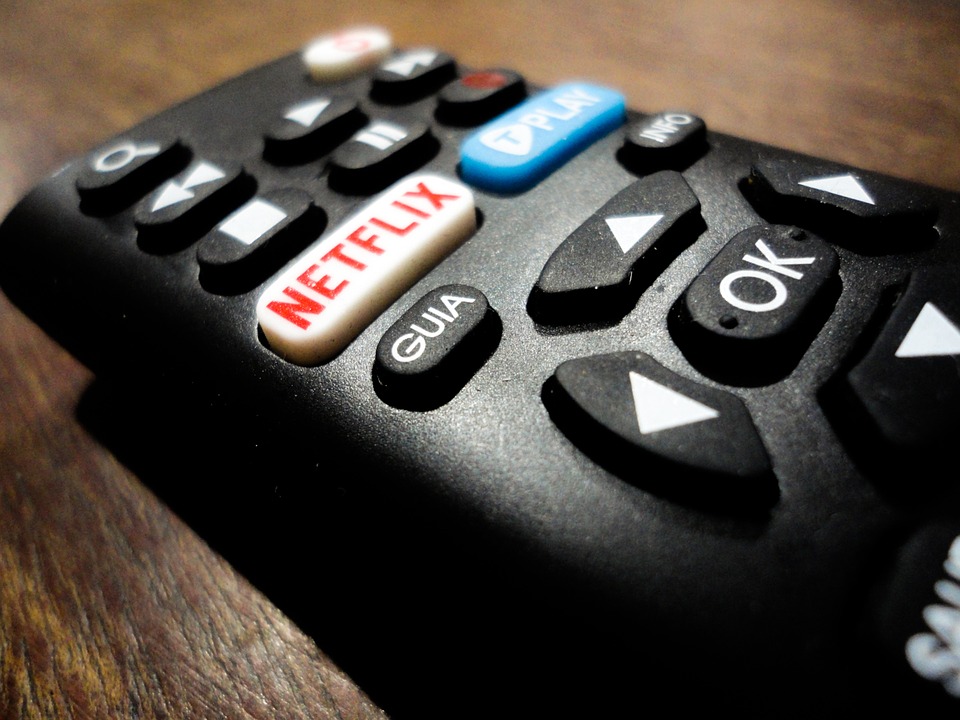 With digital streaming platforms such as Netflix and Amazon Prime rapidly expanding their selections of original programming, there is no shortage of opportunities for television fans to “binge” their favorite dramas. But what are the effects of binge-watching behaviors, particularly when the content consumed features graphic violence?
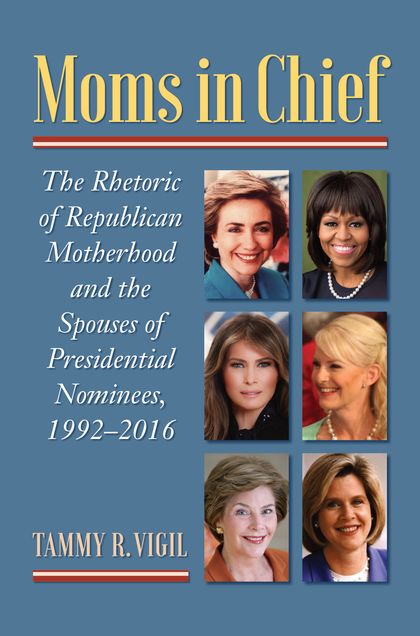 Closely examining the ways in which the spouses of recent presidential candidates have been presented to and perceived by the American public, CRC research fellow Tammy R. Vigil's new book
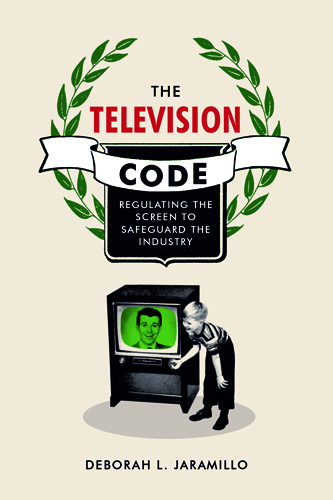 The broadcasting industry’s trade association, the National Association of Broadcasters (NAB), sought to sanitize television content via its self-regulatory document, the Television Code. The Code covered everything from the stories, images, and sounds of TV programs (no profanity, illicit sex and drinking, negative portrayals of family life and law enforcement officials, or irreverence for God and religion) to the allowable number of commercial minutes per hour of programming. It mandated that broadcasters make time for religious programming and discouraged them from charging for it. And it called for tasteful and accurate coverage of news, public events, and controversial issues.