Gastronomy Students, Faculty and Alumni to speak at 2021 Food Studies Conference
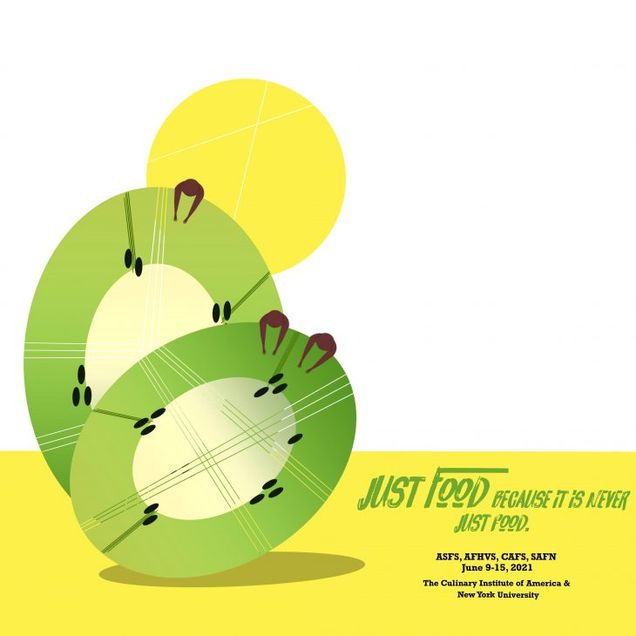
| Just Food: because it is never Just Food, the 2021 Joint Annual Conference of the Association for the Study of Food and Society (ASFS); the Agriculture, Food & Human Values Society (AFHVS); the Canadian Association for Food Studies (CAFS); and the The Society for the Anthropology of Food and Nutrition (SAFN) will run from June 9 to June 15, hosted by the Culinary Institute of America and New York University. |
In this most unusual time, four academic organizations engaged in food studies are hosting a virtual conference centered on the theme of Food Justice. The title, Just Food: because it is never Just Food, highlights how food is ensconced in systems of exclusion, oppression, and power. Papers, presentations and roundtables will grapple with cultural and historical entanglements of food with social justice by examining the production, distribution, and consumption of food while keeping in mind power differentials in local and global world systems. In particular, we have invited submissions that reveal and/or seek to challenge the systemic injustices of the industrial and alternative food systems that marginalize the food histories, practices, and experiences of diverse communities including Indigenous, Black, and people of color. In addition, this conference seeks to highlight the ways people use food for pleasure and autonomy. The conference hopes to make connections between diverse perspectives, to center historically marginalized voices, and to work towards building a greater understanding of how to achieve food justice on Turtle Island (North America) and globally."
Inside the Art for the Living Landscapes Conference
...And how to get a postcard with the artwork!
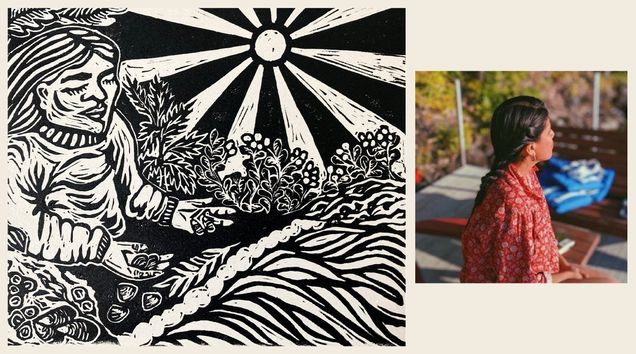
Meet the artist behind our stunning conference art, Kimberly Barzola.
Born and raised on the North Shore of Massachusetts, Kimberly is a first-generation Quechua artist and librarian/archivist in training. Her primary mediums include muralism, relief printmaking, and acrylic painting; some of her vibrant murals can be found in nearby towns of Chelsea and Salem, Mass. Through her work, she responds to the social movements here in the US and across Latin America.
Living Landscapes:
A Conference Using Foraging to Explore the Intersections of Environmental Stewardship, Racial Justice & Food Sovereignty
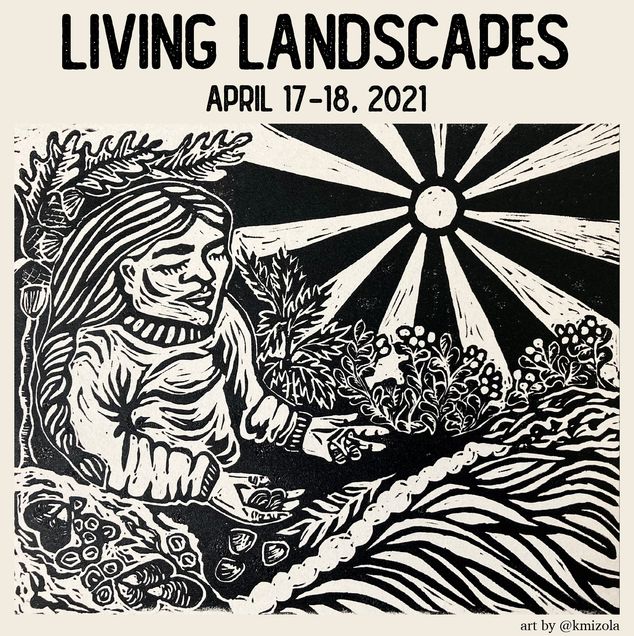
Join the Boston University Gastronomy community for in-depth discussions and (remote) hands-on foraging experiences!
Since the start of the pandemic, the connections between environmental racism, climate change, land (in)access, social justice, and food sovereignty have become clearer than ever.
Course Spotlight: Archaeology of Food
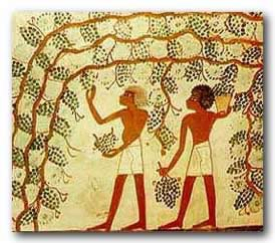

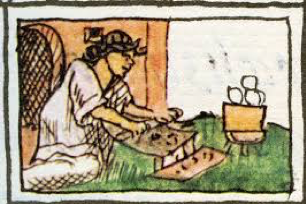
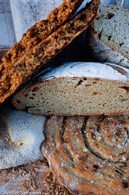
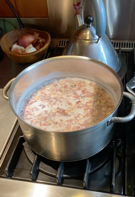
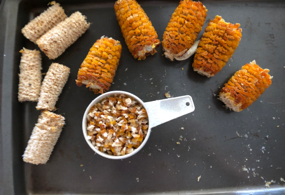
Our summer term course, MET ML 611, Archaeology of Food, with Dr. Karen Metheny, introduces students to the archaeological study of food and foodways in prehistoric and historic-period cultures, with a specific focus on how food was obtained, processed, consumed, and preserved in past times, and the impact of diet upon past human populations in terms of disease and mortality. Students will learn how archaeologists use a wide range of artifacts, plant remains, human skeletal evidence, animal remains, and other data to recover information about food use and food technology over time to reconstruct past foodways practices. This introduction will be followed by a survey of the archaeological evidence of foodways from the earliest modern humans to the first farmers to more recent historical periods. Key topics will include the domestication of plants and animals, feasting, the role of households in food production, and the archaeological evidence for gender and status in cooking, preparation areas, serving vessels, and consumption. The course highlights specific foodstuffs, staples, and beverages, such as cacao and chocolate, maize, wheat, barley, beer, wine, sugar, and tea in order to show not only the range of evidence that can be brought to bear, but also how the reconstruction of foodways can reveal critical information about past cultural practice, social structure, identities, and meaning across time and space.
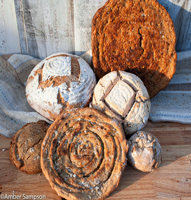
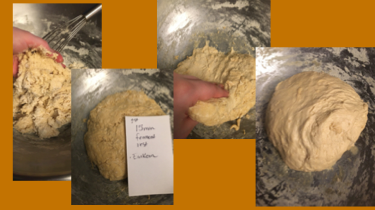
We will hear from experts on the origin of beer and bread, and then debate the question of which came first. Students will select a specific food or beverage to study during the semester and will engage in weekly projects to investigate how that food or beverage was prepared and served during a daily meal or in ritual context, what tools and cooking techniques were used, what ingredients were needed, who would have prepared and/or consumed this food, and its social and cultural significance. Finally, students will research and prepare a food or duplicate a food technology.
MET ML 611, Archaeology of Food meets on Tuesday and Thursday evenings from 5:30 to 9 pm, EST, from May 25 to July 1, 2021.
This class will be offered in fully remote format. Non-degree seeking students will find registration instructions here.
Offally Nice:
Reducing Meat Waste by Learning to Love Organs and Accepting Other Cultures
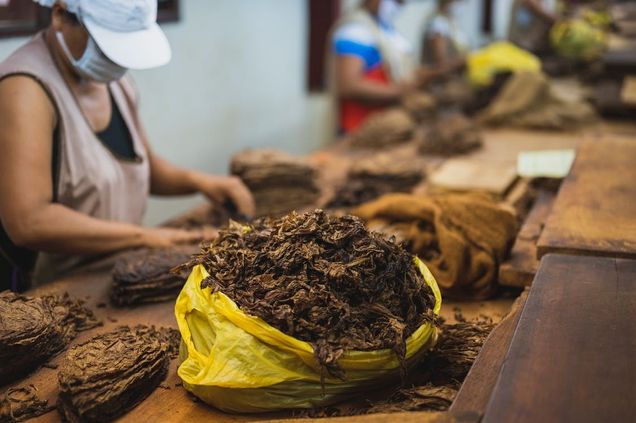
Students in MET ML 626, Food Waste: Scope, Scale, & Signals for Sustainable Change, are contributing posts this month. Today's is from Gastronomy student Samantha Maxwell.
The often-cited Sustainable Development Goal Target 12.3 aims to reduce global food waste by 50 percent by 2030. However, according to all metrics, the world is woefully behind schedule when it comes to meeting this goal.
Perhaps the most egregious of our food waste sins is the wasting of meat products. That’s because when we waste meat, we’re not just wasting the flesh of the animal itself—we’re also wasting the huge number of resources that went into raising and housing that animal and preparing it for slaughter. If we feel guilty about throwing out that shriveled cucumber in the back of our fridge, we should be concerned about pitching out that half-eaten package of ground turkey even more.
But some meat waste happens not because we forget to cook the pork that gets lost in the back of our fridge. Instead, it happens before the food even reaches our homes. Particularly in the U.S., offal meats, organs including tripe, liver, and kidney, are unpopular cuts of meat. Instead, we’d rather opt for the chicken breast and legs instead of the liver. Wondering what happens to those organ meats? They often go to waste completely, since grocery stores know that there is limited demand for them. In fact, can you remember the last time you saw kidneys sold at your local chain supermarket?
Our disdain of organ meats is largely cultural, though. During WWII, when rationing was viewed as an important part of the war effort, organ meats were mainstream and considered enjoyable. A cookbook from this era entitled What Do We Eat Now? provides several offal recipes that are framed as neither exotic or undesirable: They were just normal cuts of meat. But as Americans got wealthier and had more access to more “desirable” cuts of meat, offal fell out of fashion. That’s a shame considering the nutritional content of many types of offal. Liver, for example, is an excellent source of iron, a mineral that many are deficient in.
Other cultures, though, continue to embrace offal and even treat it as a delicacy. The French make pate, which is considered a luxury food item by many. Many in east Asian countries eat tendon, which has a lovely soft, chewy texture when cooked in broth or marinated with flavorful fats. And in places like Spain and Panama, pig’s ears and trotters are considered a delicious appetizer, full of flavor and interesting textures.
The younger generations alive today are crossing cultural barriers like none before them. It’s easier than ever to connect with people on opposite sides of the world, and the relatively low prices of plane travel these days make international travel an option to more and more people across the world. As people in the United States and the rest of the non-offal-eating world gain greater access to parts of the planet where people do eat offal, we should start to question our own food habits. Why wouldn’t we adopt the practice of eating offal, especially when other cultures make it taste so good? International food is gaining more widespread acceptance in the U.S., which makes this a prime time for chefs and food influencers to make a push to make offal delicious again.
According to a 2019 study from Germany, choosing offal instead of more “conventional” meat just one or two times a week could “reduce livestock emissions by as much as 14 percent.” This sort of change doesn’t require people to give anything up to make a change—instead, it simply encourages them to try something new. And since people don’t like to feel like they’re being restricted, the idea of adding something into their diet is likely to seem more appealing than taking something out.
Of course, while reaching the goal of reducing food waste by 50 percent by 2030 is going to require a lot of changes to policy, we must also encourage individuals to change their habits. This doesn’t always have to be an unpleasant experience. When we can get eaters to expand their culinary horizons by eating offal, we’re not just reducing food waste—we’re also encouraging more cultural acceptance between different ethnic groups and nationalities. If we can do both at the same time and make it delicious in the process, why wouldn’t we?
Accelerating Food Waste Reduction
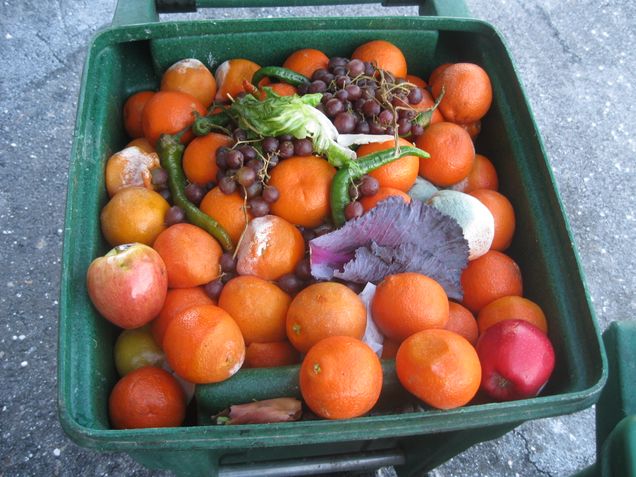
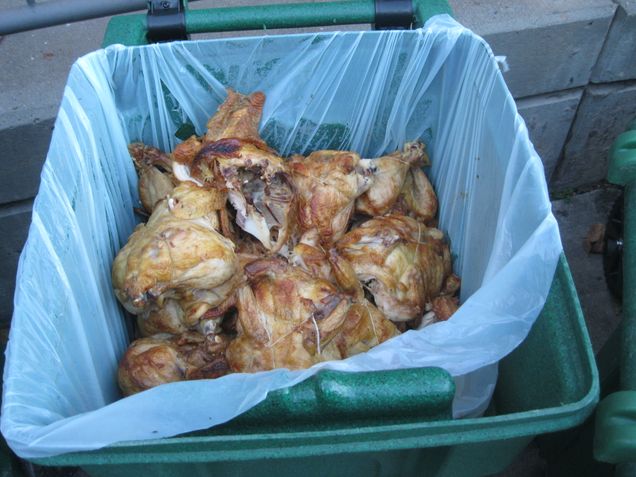
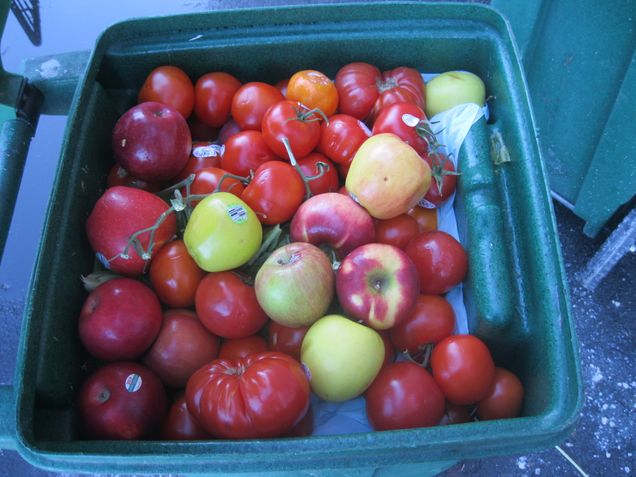
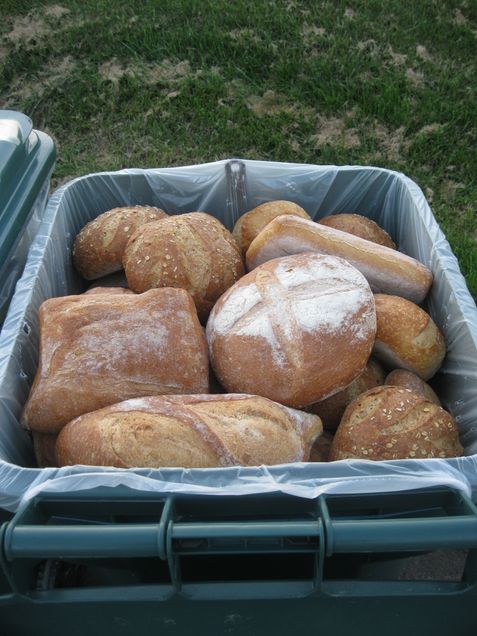
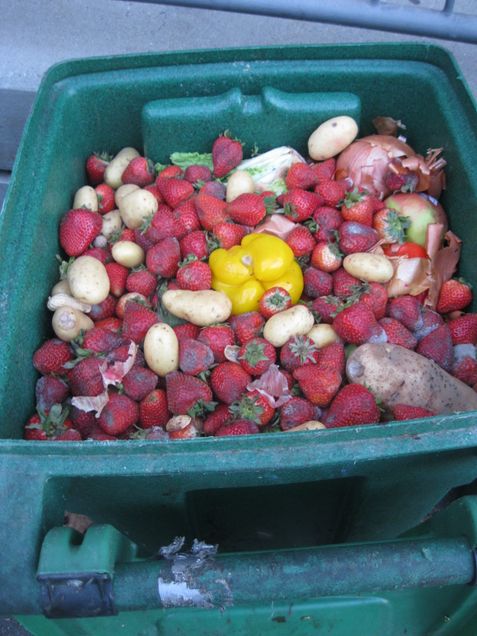
Boston University Metropolitan College (MET) and the Gastronomy and Food Studies Program invite you to a special event, Accelerating Food Waste Reduction.
It is hard to believe that in our modern and increasingly connected world, billions of pounds of food are lost or wasted annually, depriving needed nutrition to hundreds of millions of global citizens while accelerating pollution, biodiversity loss and climate change.
At the same time, Covid-19 has exposed the fragility of the global food system, initially leading to an increase in food loss and waste, while the linkage between food waste, biodiversity loss, and the potential for pandemics clearly signals the need to change our wasteful ways and create a regenerative food system.
The prior decade saw the emergence of a global food waste movement with considerable emphasis on awareness-raising, education, and budding innovation efforts, and while we entered the current decade with emphasis on moving from awareness to action at scale, we have much work to do to achieve broad-based transformational change. The pressing question remains:
How can we ignite efforts to truly make this a pivotal decade of action for global food waste reduction?
The Fish-Case Fiasco: A Food Waste Story

Students in MET ML 626, Food Waste: Scope, Scale, & Signals for Sustainable Change, are contributing posts this month. Today's is from Gastronomy student Sabina Michelle Säfsten Routon.
It was an issue of convenience. Or, rather, one of inconvenience — wrapping that much fish just to store it for “some guy” to come pick it up later would cost 20 minutes of employee time twice a week, and that just didn’t make sense for the department. “Those minutes add up,” explained the Meat & Seafood manager, annoyed. I obviously didn’t understand the importance of the bottom line.
The Curse of Connoisseurship
Discussions of the Boston Beverage Landscape
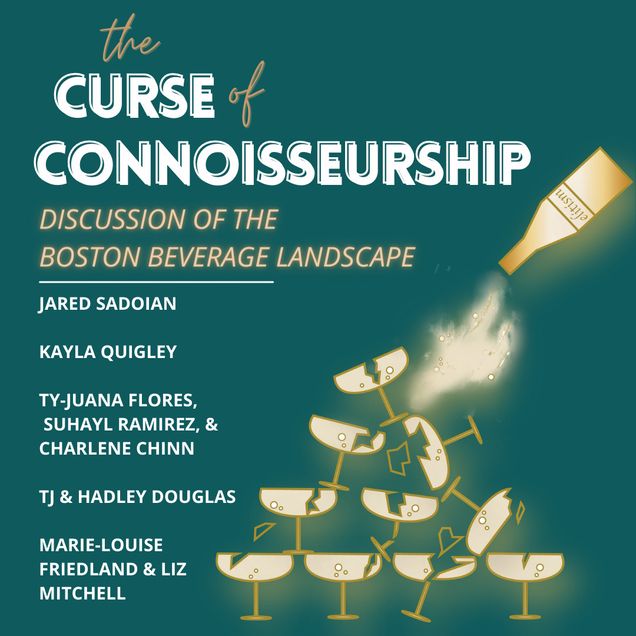
With its focus on expensive luxury goods, gatekeeping, and arcane learning, the world of wine and spirits is largely exclusive. The elitism associated with these products contributes to class differentiation, with some groups gaining from the involvement while others become marginalized. The field of beverage studies offers a platform to consider these intricate and previously unexplored aspects of classmaking.
To explore the related pitfalls in today’s beverage industry, Gastronomy students Amy Johnson and Altamash Gaziyani have organized a conference, The Curse of Connoisseurship: Discussions of the Boston Beverage Landscape. The program is hosted and funded by the Boston University Office of Diversity & Inclusion as part of the 2020-2021 Learn More series focused on the theme of social class.
Hungry Nation: Food, Famine, and the Making of Modern India
Professor Benjamin Siegel will speak in our Spring 2021 Pépin Lecture Series in Food Studies & Gastronomy on his book Hungry Nation: Food, Famine, and the Making of Modern India.
| Hungry Nation: Food, Famine, and the Making of Modern India |
| Friday, March 26 at 12 pm, EST. |
| Online program: please register here to receive a link to the webinar. |
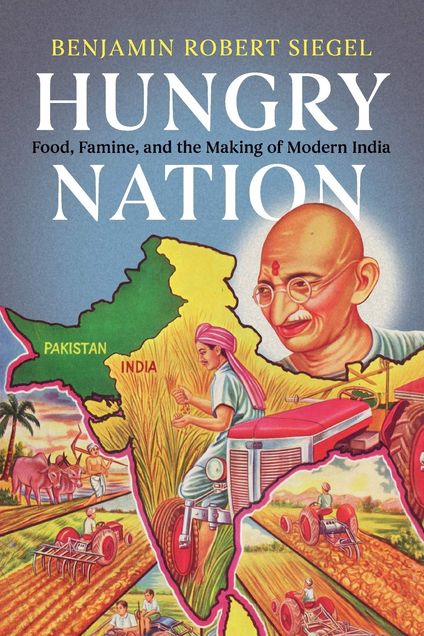 Hungry Nation: Food, Famine, and the Making of Modern India is an ambitious and engaging new account of independent India's struggle to overcome famine and malnutrition in the twentieth century traces Indian nation-building through the voices of politicians, planners, and citizens. Siegel explains the historical origins of contemporary India's hunger and malnutrition epidemic, showing how food and sustenance moved to the center of nationalist thought in the final years of colonial rule. Independent India's politicians made promises of sustenance and then qualified them by asking citizens to share the burden of feeding a new and hungry state. Foregrounding debates over land, markets, and new technologies, Hungry Nation interrogates how citizens and politicians contested the meanings of nation-building and citizenship through food, and how these contestations receded in the wake of the Green Revolution. Drawing upon meticulous archival research, this is the story of how Indians challenged meanings of welfare and citizenship across class, caste, region, and gender in a new nation-state.
Benjamin Siegel is Assistant Professor of History at Boston University. His transnational archival work places South Asia at the center of global economic, environmental, and bodily transformations. Professor Siegel's work has been published in the Caravan, the Christian Science Monitor, Contemporary South Asia, Humanity, the International History Review, the Marginalia Review of Books, Modern Asian Studies, the World Policy Journal, VICE, and other journals and edited volumes. He received his B.A. from Yale University and his A.M. and Ph.D. from Harvard University, where his dissertation won the 2014 Sardar Patel Award given by the Center for India and South Asia at UCLA, honoring "the best doctoral dissertation on any aspect of modern India."
We thank the Jacques Pépin Foundation for sponsorship of this lecture series.
Diners, Dudes & Diets: How Gender & Power Collide in Food Media & Culture
The Gastronomy Program is pleased to announce that the first program in the Spring 2021 Pépin Lecture Series in Food Studies & Gastronomy will feature Gastronomy Program alumna Emily J. H. Contois (MLA 2013), speaking on her recently published book, Diners, Dudes & Diets: How Gender and Power Collide in Food Media and Culture.
| Diners, Dudes & Diets: How Gender and Power Collide in Food Media and Culture |
| Friday, February 19 at 12 pm, EST. |
| Online program: please register here to receive a link to the webinar. |
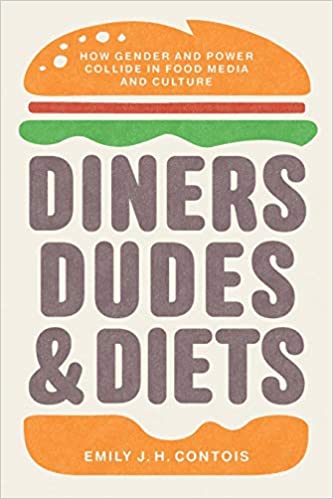 The phrase "dude food" likely brings to mind a range of images: burgers stacked impossibly high with an assortment of toppings that were themselves once considered a meal; crazed sports fans demolishing plates of radioactively hot wings; barbecued or bacon-wrapped . . . anything. But there is much more to the phenomenon of dude food than what's on the plate. This provocative book begins with the dude himself—a man who retains a degree of masculine privilege but doesn't meet traditional standards of economic and social success or manly self-control. In the Great Recession's aftermath, dude masculinity collided with food producers and marketers desperate to find new customers. The result was a wave of new diet sodas and yogurts marketed with dude-friendly stereotypes, a transformation of food media, and weight loss programs just for guys.
In a work brimming with fresh insights about contemporary American food media and culture, Contois shows how the gendered world of food production and consumption has influenced the way we eat and how food itself is central to the contest over our identities.
Emily J.H. Contois is an Assistant Professor of Media Studies at The University of Tulsa. Her research and writing span the breadth of food, health, and identity in popular culture and media. She has appeared on CBS This Morning, BBC Ideas, and Ugly Delicious with David Chang on Netflix. She earned her PhD in American studies at Brown University and holds master's degrees in public health from UC Berkeley and gastronomy from Boston University. She lives in Tulsa with her husband and their rescue pup, Raven.
Note: anyone interested in purchasing a copy of Diners, Dudes & Diets from UNC Press can get a 40% discount using code 01DAH40.
We thank the Jacques Pépin Foundation for sponsorship of this lecture series.