Course Spotlight- Food Marketing
MET ML565, Food Marketing will be taught by our newest part-time faculty member Robin Cohen in Spring 2025. The class will meet on Mondays from 6 to 8:45 PM.
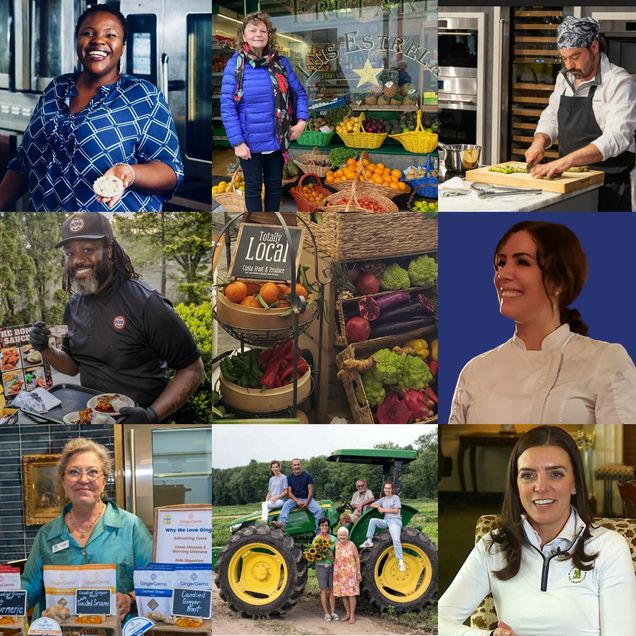 Food Marketing applies the fundamental concepts of marketing and brand management to the food industry, with a particular focus on the New England culinary scene. The food marketing space covers many distinct sectors including products, restaurants, retail outlets, services such as catering, culinary travel and tours, and food events. Although many marketing fundamentals
apply universally, we will examine how each part of the food industry requires specific methodologies, tools, and measures for success.
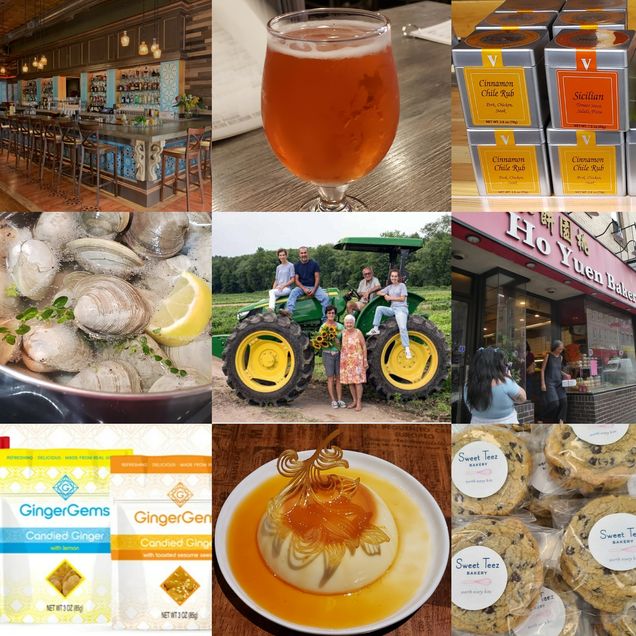
Even within sectors, tools and approaches will vary. You might promote a small neighborhood shop differently than you would market a nationwide grocery chain. You will have an opportunity to learn how marketing resources, such as social media and AI, are leveling the playing field-allowing the smallest businesses to compete in ways they never could before. The course will present marketing needs from the consumer, manufacturers, maker, buyer, distributor, and service provider point of view. Presentations by a diverse group of industry leaders, readings, and real-world case studies will broaden our understanding. A hands-on project will fuel learning and creative thinking with students selecting to study and report on one specific product or service company.
Course Spotlight- Culinary Tourism
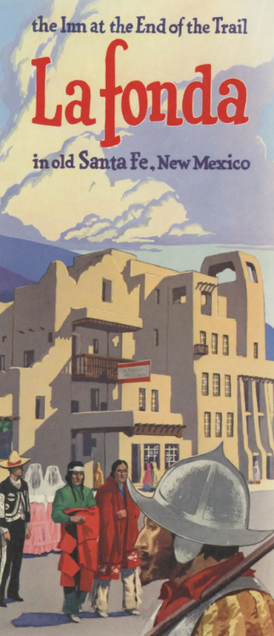 MET ML 692, Culinary Tourism will be taught this Spring 2025 on Thursdays from 6:00-7:30 p.m. by José López Ganem, with a travel component to New México (United States) during the BU Spring Break ‘25.
Among the higher echelons of the Food Studies canon, Lucy Long’s Culinary Tourism provides a time-proofed definition of this activity “as the intentional, exploratory participation in the foodways of an other.” Our time is plagued by mediatic invitations to
discover (e.g. Anthony Bourdain), re-discover (e.g. Eva Longoria), and re-claimed (e,g.Karen Cantor), via the physical experience of immersing ourselves in foodways -mostly in their place of practice, although not always - that are not part of our daily
routine or were not staples of our upbringing. Based on this definition, a food studies scholar happens to be a conscious culinary tourist for life.
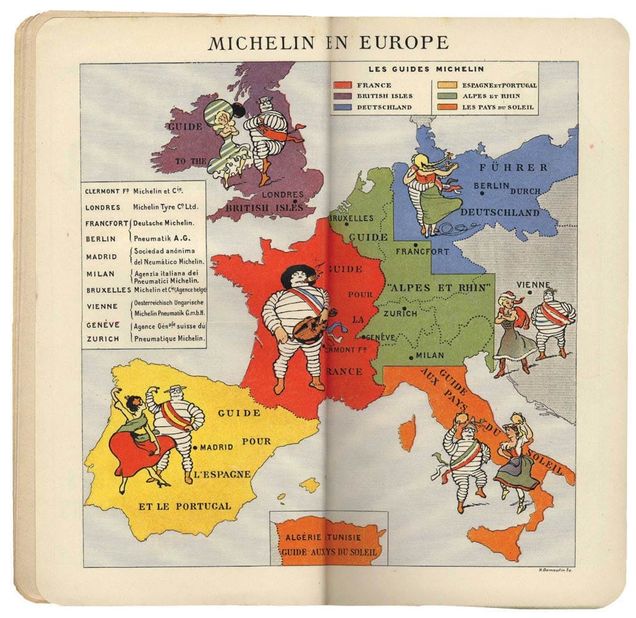 On this course’ second reiteration, Culinary Tourism will be a space to understand the thought and method that have gone into understanding the temporal presence of ourselves in the food customs of another. From the rich history of how we have engaged in the ludic pursuit of food beyond our comfort, to the industries and mechanisms that have made this quest possible. Like Long suggests, this course will engage how food is consumed, prepared, and served to a visitor; and even how foodways can be observed and understood by a stranger’s gaze.
Course Spotlight- Fundamentals of Wine
METML 649 A1, Fundamentals of Wine will be taught this spring by Ara Sarkissian, CWE and will meet on Mondays from 6 to 8:45pm
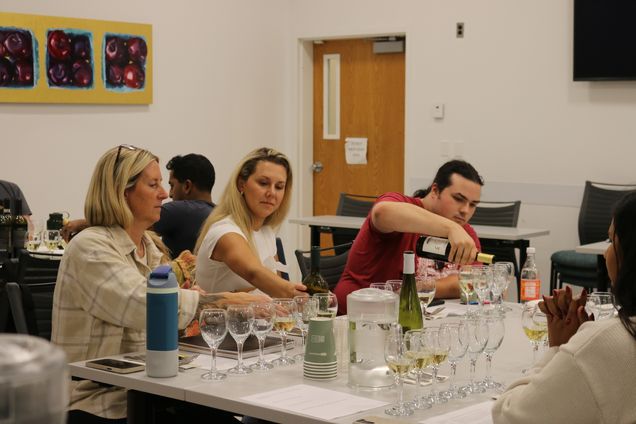
For students without previous knowledge of wine, this introductory survey explores the world of wine through discussions, tastings, food and wine pairing, assigned readings, and student presentations. By the end of the course, students will be able to exhibit fundamental knowledge of the principal categories of wine, including major grape varieties, wine styles, and regions; correctly taste and classify wine attributes; and demonstrate an understanding of general principles of food and wine pairing.
[4 credits; $325 lab fee]
Course Spotlight- Reading and Writing the Food Memoir
MET ML615, Reading and Writing the Food Memoir will be taught this spring by Dr. Megan Elias and will meet Wednesdays from 6 to 8:45 PM
What is your food story? If we are what we eat, what foods made you who you are? Was it fruit from a country you no longer live in or a soup your best friend made when you visited him last week? Did it pour out of a box? Get toasted over open flames? Simmer for a day? And how do you explain its role in your life? Food can be a great connecting theme for a complicated story.
In this course we will ask what makes a food memoir different from other kinds of personal writing and we will work on our own unique food memoirs. Food memoir can take lots of forms, including visual narrative, comics, film, podcast, poetry, walking tour, and creative non-fiction. We will study some examples to learn about the form and workshop our memoirs while we write them. We will also spend some time in the kitchen together cooking from our projects to find out what we can learn by engaging with the material of food itself.
I come to this class with eight years of experience teaching Food Studies at BU and an active research agenda in food history. My recent scholarship focuses on stories about food. I have read a lot of food memoirs but have never written my own and am excited to try it out in community with the class.
Some of the works we will be sampling are:
Thomas Pecore Weso, Good Seeds: A Menominee Indian Food Memoir
Kwame Onwuachi, Notes from a Young Black Chef
Von Diaz, Coconuts and Collards
Yeon-sik Hong, Umma’s Table
Nigel Slater, Toast (movie version)
You will also have an opportunity to suggest material for us to discuss in class.
Course Spotlight – Debating Diet
“Those in closest proximity to structural ‘power’ shape our food, body, and health beliefs.” - Patrilie Hernandez, Founder of Embody Lib.
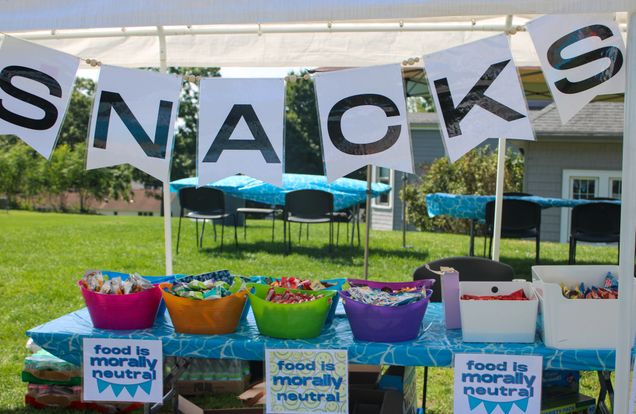
Fat studies meets food studies in a recently revised course. MET ML613 - Debating Diet, will be taught online in Spring 2025 by Catie Duckworth.
Course Description: “Diet” hails from the Greek word “diaita” meaning “way of life.” The English word, originally used to describe the food and beverages people regularly consumed, eventually came to be used to categorize a restrictive way of eating, specifically with the goal of weight loss. Evidence of diet culture can be found in nearly every aspect of Western society, from media to nutrition advice. This course will bring together the fields of fat studies and food studies by exploring different meanings of the word diet and in the process dissecting the socio-political influence of diet culture on our food systems, eating habits, and moral associations with food. The course materials will trace the history of anti-fatness from its root in anti-blackness to infiltrating the modern Western healthcare system. Students will have the opportunity to expand their understanding of nourishment through additional functions of food (joy, pleasure, comfort, community, etc.).
Course Spotlight- Culture and Cuisine: New England
 MET ML 638, Culture and Cuisine: New England will be taught this Spring 2025 on Wednesday from 6:00-8:45 p.m. by Dr. Karen Metheny
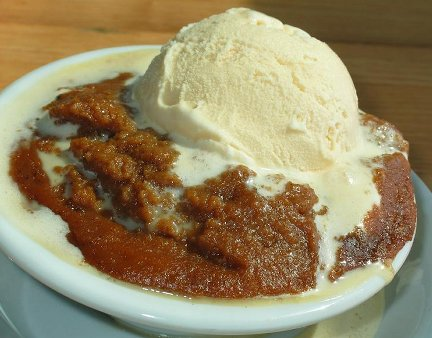
C ourse Description: How are the foodways of New England’s inhabitants, past and present, intertwined with the history and culture of this region? In this course, students will have the opportunity to examine the cultural uses and meanings of foods and foodways in New England using historical, archaeological, oral, and material evidence. We will focus on key cultural, religious and political movements that have affected foodways in the region, as well as the movement of people. The course begins with an examination of Native American food traditions and practices in the pre-contact period. We will also consider how foodways mirrored the clash of cultures during an extended period of contact and settlement by Europeans.
Course Spotlight- “Cook Like a Pro”
We are thrilled to add our revamped course, “Cook Like a Pro” to our curriculum next semester: The hands-on, pared-down version of our culinary certificate program, designed for beginners and aspiring cooks alike. In this class you’ll be guided through the fundamentals of meal preparation, ingredient selection, and proper seasoning. You’ll learn how to master essential techniques, from handling a knife like a pro to chopping and sautéing to baking and plating, all while developing good kitchen practices and habits.
Classes take place in our state-of-the-art kitchen and are taught by the same team of highly acclaimed chefs who teach in our professional culinary program, including Jody Adams, Barry Maiden and Michael Leviton (instructors subject to change). While completion of this course does not result in a certificate, it offers a scaled-down version of our professional culinary program. The course covers all the basic core skills with a focus on key recipes and techniques.
Course Spotlight: Artisan Cheeses of the World
A course centered entirely around cheese? You aren't dreaming, it's real! Taught by Kimi Ceridon, Instructor for the Artisan Cheese Program at Boston University and owner of Live Love Cheese, this class provides an in-depth exploration of the styles and production of cheeses from local to far-reaching regions worldwide. The class is a blend of tastings, experiential classwork, discussion and lectures on cheese, the cheese industry, and cheesemaking. Successful completion of the course will result in a Certificate in Cheese Studies from Boston University.
With an emphasis on understanding the production of cheese, you'll learn about everything from culturing to affinage, and how variations in each process (and those in between) affect its organoleptic properties. You'll also use cheese as a case study in historical and cultural contexts to better understand the relationship and connections between people and food. As an experiential class with hands-on classwork and in-class tastings, each day of class will be exciting, challenging and different, from the cheeses of Southern France one day to a guest panel of cheese experts the next. And later in the semester, you'll take part in a full-day ethnographic tours of cheesemaking farms in New England. You'll visit farms in Vermont to meet with cheesemakers and staff, tour the farm dairy and cheesemaking facility, and observe the cheesemaking process.
Running again in Spring 2025, this course is open to both BU Gastronomy students and non-credit students. Learn more and register here.
Graduate Spotlight: Lucy Almirudis
We recently caught up with Lucy Almirudis (@lucialmirudis), a graduate of Boston University’s Certificate Program in Wine Studies and a member of the 2022 "Urban Grape Wine Studies Award for Students of Color" cohort. Learn more about her story below.
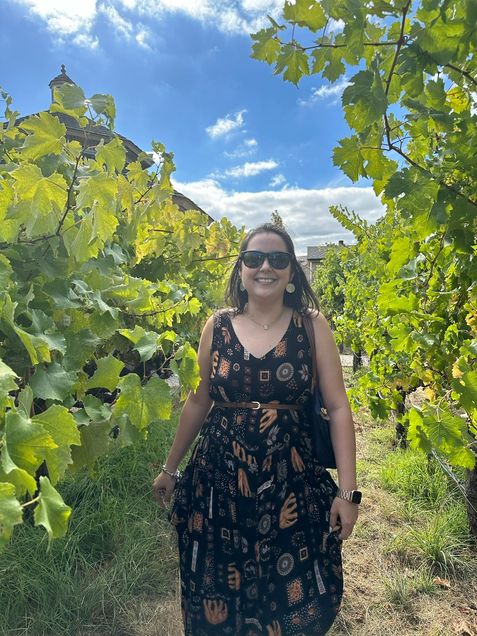
I was born and raised in Sonora, Mexico where I studied architecture and worked as an architect for a couple of years. Seeking a life change, I decided to spend the summer of 2014 in Boston. That's when I met my husband—and it turned into the longest summer of my life. I lived in Boston for a decade and during that time I worked in the restaurant industry, building a career in fine dining and event planning. That’s when I fell in love with wine; realizing that wine made every special occasion even more memorable and that people are willing to invest a lot in a good bottle.
I found out about "The Urban Grape Wine Studies Award for Students of Color" through my best friend and decided to give it a shot to build a career in the wine world.
- At the Urban Grape store to learn about retail
- With MS Walker to learn about importing and distribution
- At Row 34 to learn about the restaurant industry
- At Jackson Family Wines to learn about viticulture, sustainable farming, wine making, branding, marketing, production, direct to consumer, sales and more
Student Work Wednesday- Featuring Emily Shawn
This week we’re highlighting the work of Gastronomy graduate, Emily Shawn. Last spring, Emily completed a project about food innovation at Fenway Park for the Food Waste course taught by Steve Finn here at Boston University’s Metropolitan College.
Exploring Food Innovation and Food Waste Reduction at Fenway Park
Swing, battah, swing! The sounds of Fenway Park resonated, practically surrounding me as I made my way through Lansdown Street. The unmistakable scents of baseball food – Fenway Franks, giant salted pretzels, popcorn, cracker Jacks – wafted over me, along with something fresh and summery on the mid-summer breeze. A baseball game at Fenway Park is a full heart-of-Boston sensory experience, from the thrill of flying baseballs, the fascinating people-watching, and the unforgettable culinary experience. When my Food Waste: Scope, Scale and Signals for Sustainable Change class visited the park in late June, we were lucky to have great weather and even catch a glimpse of a rainbow up above the Green Monstah.
I have to admit I was not expecting our tour of Fenway to include a beautiful garden, fresh veggies, and the best carrot I’ve ever eaten. After leading our class through the multiple kitchens within Fenway, through the glorious MGM concert hall, up above the Green Monstah and through the VIP kitchens, Senior Executive Chef Ron Abell directed our group up to a rooftop garden with lush flower beds and an equally stunning view of Boston.