In an age where misinformation spreads at the speed of a click, the announcement by Meta—formerly Facebook—to abandon its partnership with independent fact-checking organizations raises urgent questions. Meta’s decision comes at a critical juncture, as the U.S. faces an era where disinformation campaigns—often amplified by political figures—threaten democratic discourse and public trust. How will this shift affect the quality of content on its platforms? And, as Meta is the largest funder of fact-checkers globally, what does this mean for the future of fact-checking itself?
Meta CEO Mark Zuckerberg justified the decision by claiming that the company’s fact-checking program “too often became a tool to censor.” Yet, a recent poll from Boston University’s College of Communication paints a very different picture of public sentiment. A majority (72%) of Americans believe it is acceptable for social media platforms to remove inaccurate information about public health issues. Support spans political divides, with 85% of Democrats, 70% of Independents, and even 61% of Republicans agreeing that such content moderation is necessary.
Instead of relying on independent fact-checkers, Meta is pivoting to a “community notes” model. In this approach, users write and rate notes that accompany posts containing dubious claims. This model mirrors the approach Elon Musk has implemented on Twitter, now rebranded as X.
But Americans remain skeptical. The same poll reveals that nearly two in three adults (63%) believe independent fact-checking organizations should verify social media content. In contrast, less than half (48%) support the “community notes” model. Although there are some partisan differences—73% of Democrats, 62% of Independents, and 55% of Republicans favor a fact-checking model—the lukewarm reception of community notes crosses party lines.
Is there any evidence that crowdsourcing claim verification works? The academic literature is mixed. In certain contexts, crowdsourcing can rival expert verification. However, otherresearch highlights its inconsistencies. Crowdsourcing is generally effective at assessing the credibility of news sources but struggles to reliably identify disinformation. Partisanship often undermines its efficacy, influencing which claims are selected for verification. Moreover, distinguishing verifiable claims from unverifiable ones is a skill that typically requires training.
In practice, the results are sobering. Despite the presence of the community notes program, X remains a platform rife with misinformation on elections, climate change, and other critical topics. Offloading content moderation responsibilities onto users is yet another example of platforms shirking their duty to ensure the safety of their digital products. By abandoning content moderation, social media platforms risk enabling disinformation from those in power. Accountability measures are essential, especially as a new administration with a history of weaponizing disinformation takes office.
Still, paying independent fact-checkers has its own complications. Under Meta’s program, the platform itself determined which claims were submitted for review. This approach often resulted in fact-checkers debunking viral but non-political content, while more politically charged claims that could influence democratic processes went unaddressed. Additionally, Meta did not disclose what happened to posts flagged as inaccurate, leaving fact-checkers in the dark about the impact of their work.
Thus, the silver lining in Meta’s rejection of fact-checkers may be that the commercial imperatives of the company will no longer influence fact-checker claim selection process. Freed from Meta’s influence, fact-checkers might return their focus to democratic priorities. However, the financial loss will undoubtedly strain these organizations.
There is a potential bright side: the public could play a pivotal role in sustaining independent fact-checking. According to the Boston University poll, one-third of U.S. adults would donate $1 to fund these initiatives through crowdfunding campaigns. Such efforts could restore some of the financial resources that fact-checking organizations need to thrive.
The question of who should moderate social media content—and how—is a critical challenge of the digital age. As political leaders test the limits of truth, the integrity of public discourse hangs in the balance. Social media platforms must rise to the occasion, for their role in shaping the national conversation has never been more consequential.
Michelle A. Amazeen is Associate Professor of Mass Communication at Boston University, Associate Dean for Research at the College of Communication and directs the Communication Research Center.
As one of the co-organizers of the 2024 ICA Preconference, “Reimagining Digital Activism: Navigating Complexities and Forging New Perspectives”, I had the privilege of working with a diverse and dynamic group of scholars, practitioners, and students. The event, held at the Gold Coast Convention & Exhibition Center in Australia on June 20, 2024, brought together researchers from around the world to explore the intersection of activism, nationalism, and digital technologies. This preconference highlighted the transformative potential of digital activism while addressing the challenges and complexities that come with it.
The preconference featured an exciting range of panels, including discussions on emerging concepts in activism, algorithmic resistance, and the evolving activist repertoire. Among the notable moments was the keynote roundtable with leading scholars such as Jun Liu (University of Copenhagen), Guobin Yang (University of Pennsylvania), Joyce Nip (University of Sydney), Wenhong Chen (University of Texas at Austin), and myself who shared our experience and reflections on the current state and future of digital activism research. This set the tone for an engaging day, with presentations that bridged theoretical innovation and empirical exploration.
One standout session involved a group of graduate students from our own Emerging Media Studies at Boston University’s College of Communication. Their paper, “Agenda Setting in the Wizarding World: Examining Attribute Agenda and Network Agenda in the ‘Hogwarts Legacy’ Video Game Controversy on Twitter/X”, presented a fascinating analysis of digital activism in response to a video game controversy on social media. This paper is currently under review at a top SSCI journal, reflecting the quality and relevance of the research emerging from our institution. The students’ work was a testament to the caliber of research being conducted at the College of Communication, and it was exciting to see them present alongside established scholars.
The preconference also underscored the importance of methodological innovation in the study of digital activism. Discussions around data access, technological challenges, and the need for inclusive research methodologies resonated deeply with me, as they highlighted the barriers scholars face when studying activism in the digital age. Moreover, the focus on the ethical implications of digital technologies and the need for collaboration between scholars and activists was a recurring theme, one that I believe will continue to shape future research in this field.
Looking ahead to the 2025 preconference, I am excited to continue building on the conversations and collaborations initiated last year. I hope to further explore how digital activism can be studied across multiple platforms, addressing the synergies between social media spaces and how they shape movements globally.
Overall, the 2024 ICA Preconference was a remarkable success, and I look forward to seeing how the conversations we started will evolve in 2025 and the coming years.
December marks the conclusion of another bustling semester for the CRC which kicked off with our inaugural open house co-hosted with the Center for Innovation in Social Science. We also celebrated the 15-year milestone of our Colloquium Series, which consists of monthly research presentations that highlight current and original research of CRC fellows. Our fall speakers included Dr. Denis Wu (September), Dr. Chris Wells (November), and Dr. Maria “Betsi” Grabe (December).
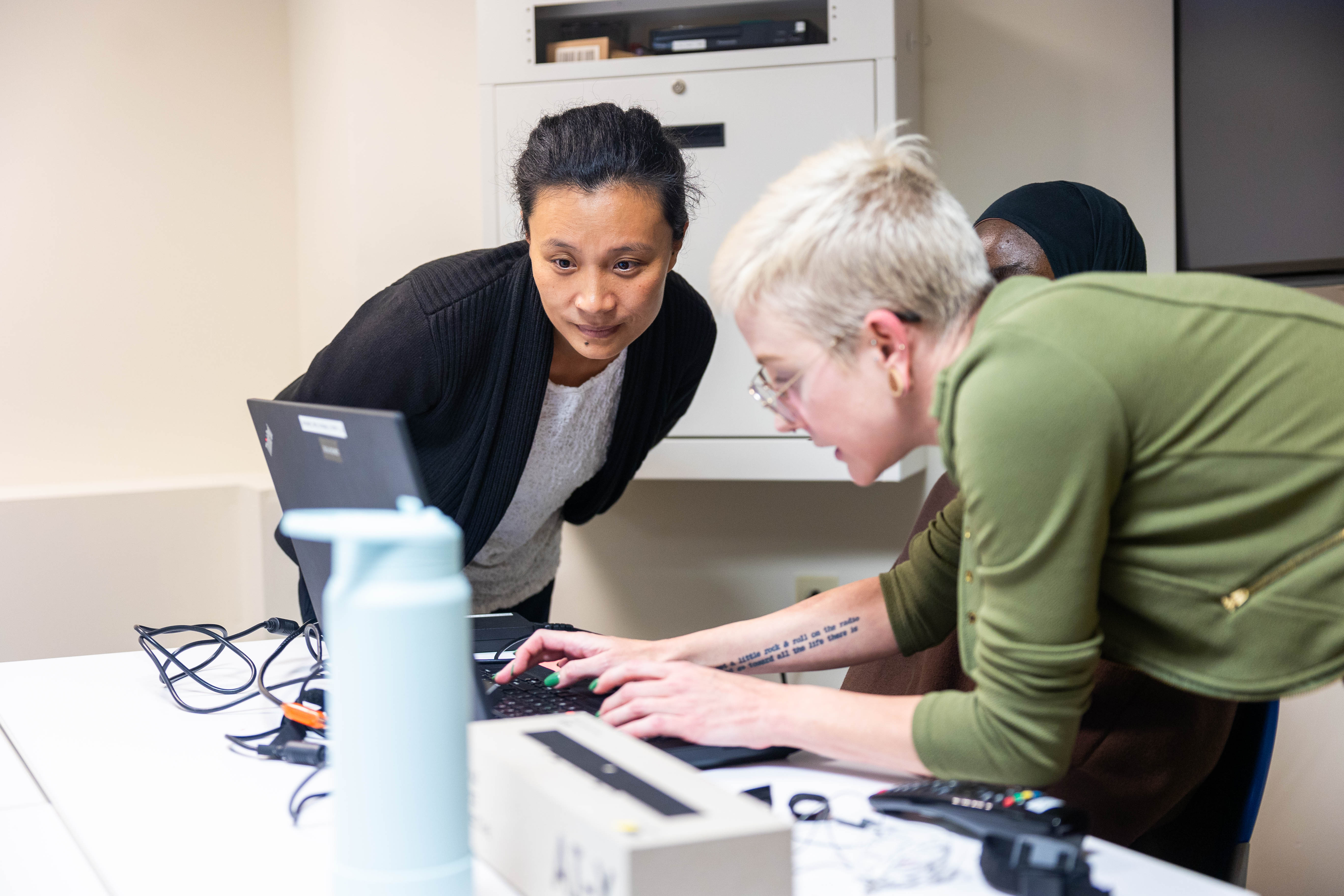
A graduate student being prepped for biometric data collection by the CRC Lab Manager, while a faculty member looks on, pictured here.
Every semester, the CRC invites a distinguished scholar from outside the university to share their outstanding scholarship, expertise, and experience with the BU community. Our Fall 2024 Dr. Melvin L. DeFleur Distinguished Lecturer was Dr. Bartosz Wojdynski (University of Georgia) who spoke about deepfakes, AI images, and the psychology of detection. We were thrilled to welcome nearly 200 attendees from the BU community and from other universities in the Boston area.
To foster connections within our research community, our faculty fellows met monthly as part of our Work-In-Progress meetings. Special guests this semester included representatives from BU’s Institutional Review Board and from the office of BU’s Foundation Relations. We will continue these meetings in the spring semester on the first Thursday of the month at 3:30 pm. Our first meeting will be February 6th. Moreover, our Lunch & Learn series continued, enabling doctoral students the opportunity to talk with scholars such as Edward Schiappa, Ph.D, Arunima Krishna, Ph.D, Maria Grabe, Ph.D, and Katy Coduto, Ph.D, about their academic research and careers.
We concluded the semester with an onsite workshop focused on training faculty fellows on our biometric technology. Led by an iMotions Product Specialist, the workshop offered an introduction to the iMotions software, theoretical insights into neuroscience and voice analysis, and practical, hands-on experience with the hardware and software required for conducting in-depth analyses with these tools. If you are interested in learning more about biometrics, short primers are available here and here.
Given the University’s commitment to involving students in research, the CRC continued to facilitate fellows’ efforts to recruit students as research participants via our SONA research participant management system. SONA provides both graduate and undergraduate students with the opportunity to engage in various research activities across COM while earning course credit. This semester, students from 42 different COM courses had access to 26 research opportunities. Faculty fellows (or their advisees) who utilize CRC resources are required to register their courses with SONA. We encourage you to consider including your courses in the upcoming Spring semester. To enroll, please complete this form. For more details about the SONA program, visit our website or email us comsona@bu.edu.
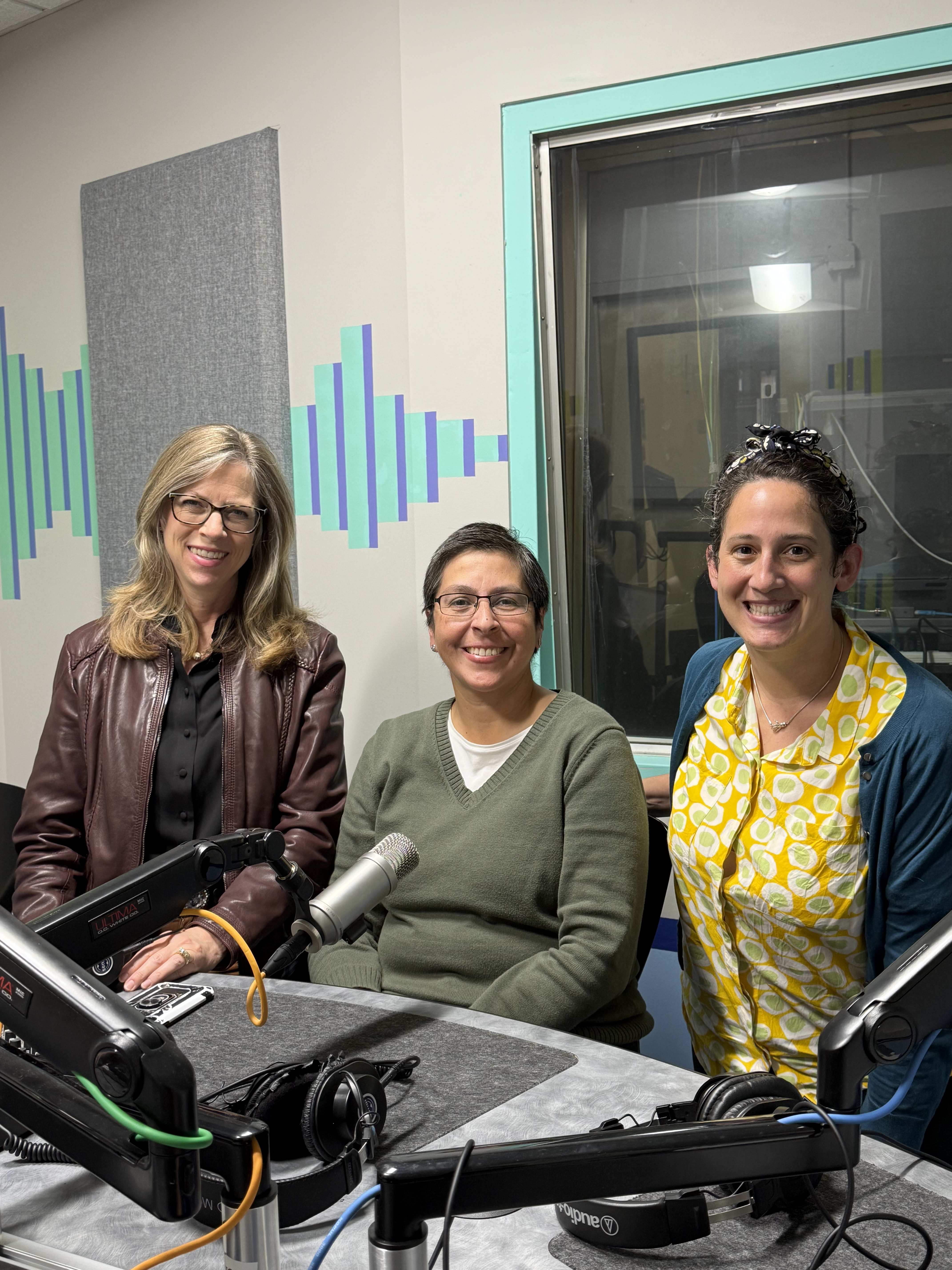
All smiles following the first recording of 'The COMversation' with Michelle Amazeen, Ph.D (left), Tammy Vigil, Ph.D (center), and Charlotte Howell, Ph.D (right), pictured here.
Finally, to make communication research more accessible to the public, the CRC has launched The COMversation, a podcast that connects academic insights with current events. Hosted by Dr. Charlotte Howell, the debut episode dives into the evolving norms of communication and the role of misinformation in politics, providing listeners with an engaging, in-depth discussion on these timely issues. And, as of today, the second episode Wicked Success has been released; it explores the rise in on-screen adaptations, big-budget marketing tours, and what led to the wicked success of Wicked Part 1.
None of these efforts would have been possible without the commitment and hard work of our staff this fall. I am tremendously grateful to our Lab and Research Manager, Amanda King, who received their certification from iMotions in human behavior research and has been offering an unbelievable number of workshops to our students throughout the semester. I would also like to thank our wonderful graduate and undergraduate assistants who helped to keep the Center running. Yelena Rodolitz (EMS) is our SONA administrator doing the behind-the-scenes work on our research participant management system. Yifang “Violet” Li (MCR) is our Communications Assistant writing about and promoting our activities. And Abby Bonner (FTV) and Eliza Lakritz (MS/AH) are our Podcast Assistants putting all the procedures and protocols in place for getting our podcast launched. Thanks to all, and I’m delighted our assistants will be continuing with us in the spring semester.
To our CRC community of fellows, I wish you all a joyous and restful holiday season and look forward to the many new and exciting activities we are planning for 2025!
The inaugural CRC Faculty Research Seed Grants, awarded last Spring, have provided essential support for innovative projects advancing communication scholarship. These grants foster inter-departmental collaboration and address pressing societal issues, showcasing the power of research to make meaningful contributions. As we look ahead to the next round of funding in Spring 2025, we celebrate the grant recipients and their exceptional work.
In this article, we spotlight the research of Professor AnneMarie McClain, whose community-engaged study highlights the intersection of media representation and identity among marginalized youth. Below, she shares an overview of her research, the invaluable role of the CRC Faculty Research Seed Grant, and her aspirations for the impact of this work.
Research Overview and Goals
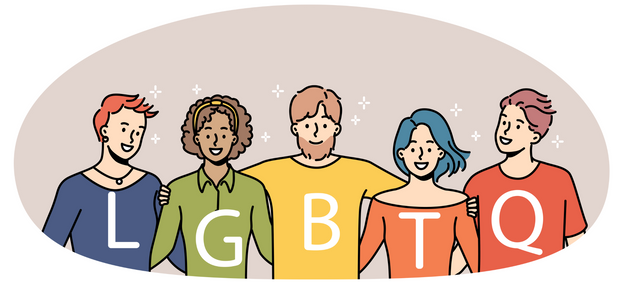
Professor AnneMarie McClain (she/her) is running a series of community-engaged focus groups with LGBTQ+ children (ages 3 to 17) and their families, in partnership with two LGBTQ+ youth nonprofit organizations and a seasoned children’s media content expert, Elly Kramer. Since there is striking little research about what particular kinds of representations are most affirming, useful, and effective for marginalized youth and their families, AnneMarie and her research team will explore what kinds of media this particular community of kids and families need and want to see in their children’s media representation, and what kinds of media they already use to help them navigate identity. The intention is to share results and recommendations for content with folks in both industry and academia.
Violet: "How the CRC Faculty Research Seed Grant has enabled your work, particularly in ways that would not have been possible without the funding?"
Professor McClain:
“The CRC Faculty Research Seed Grant has been essential to this project, and I’m so honored to have received one. Focus groups are expensive and time-intensive. We need to feed people, compensate participants well, have supplies (e.g., markers, paper) for kids to participate, and compensate the nonprofit partners who are integral to recruitment efforts and data collection. Additionally, given the sensitive topics discussed and vulnerability of this community, we also need to ensure that transcriptions are made via a company that does HIPPA-compliant services, which adds another cost. With my CRC Grant, I am able to cover all of these expenses, as well as pay for a wonderfully talented undergraduate RA to round out my team of strong graduate student RAs. The fact that this project has institutional financial support from COM also meant a lot to one of the LGBTQ+ youth organizations we are working with, because it helped communicate the value of this work.”
Violet:"What are your hopes for the future impact of this research, and how do you envision its potential applications or long-term objectives?"
Professor McClain:
“We have so many goals for this project! One goal is to push the field of children’s media scholarship forward theoretically; there is little work that has been done in terms of robust theorizing around the representation preferences and selections for marginalized kids, and I see ways to combine various theoretical traditions to expand our frameworks and understanding. This study is only the first of a long series of projects that I envision doing that centers this community and the ways they use media.
I also hope that the project can serve as an example of the kind of inclusive methodology that can generate meaningful partnerships and findings that can be used to make a tangible difference in the lives of kids and families. Related to this, we plan to share the results and recommendations with folks in the children’s media industry, and we hope to co-design those recommendations with children’s media colleagues, our nonprofit partners, and kids and families. Media have so much potential to affirm kids and help them navigate identity, including as it relates to experiences with bias. We hope to get more conversations started about exactly what kinds of representation might help promote positive outcomes for kids who are looking to see themselves.”
The CRC Faculty Research Seed Grants demonstrate the transformative potential of targeted funding in advancing communication research and fostering meaningful societal impact. Professor McClain’s work is a testament to how these grants empower scholars to tackle pressing issues with innovative approaches, ultimately contributing to a more inclusive and equitable future. As the CRC prepares for the next round of funding, we look forward to supporting more groundbreaking projects that bridge academia, industry, and community to address the challenges of our time.
Election 2024 Debrief: Insights from Communication Research
By: Michelle Amazeen
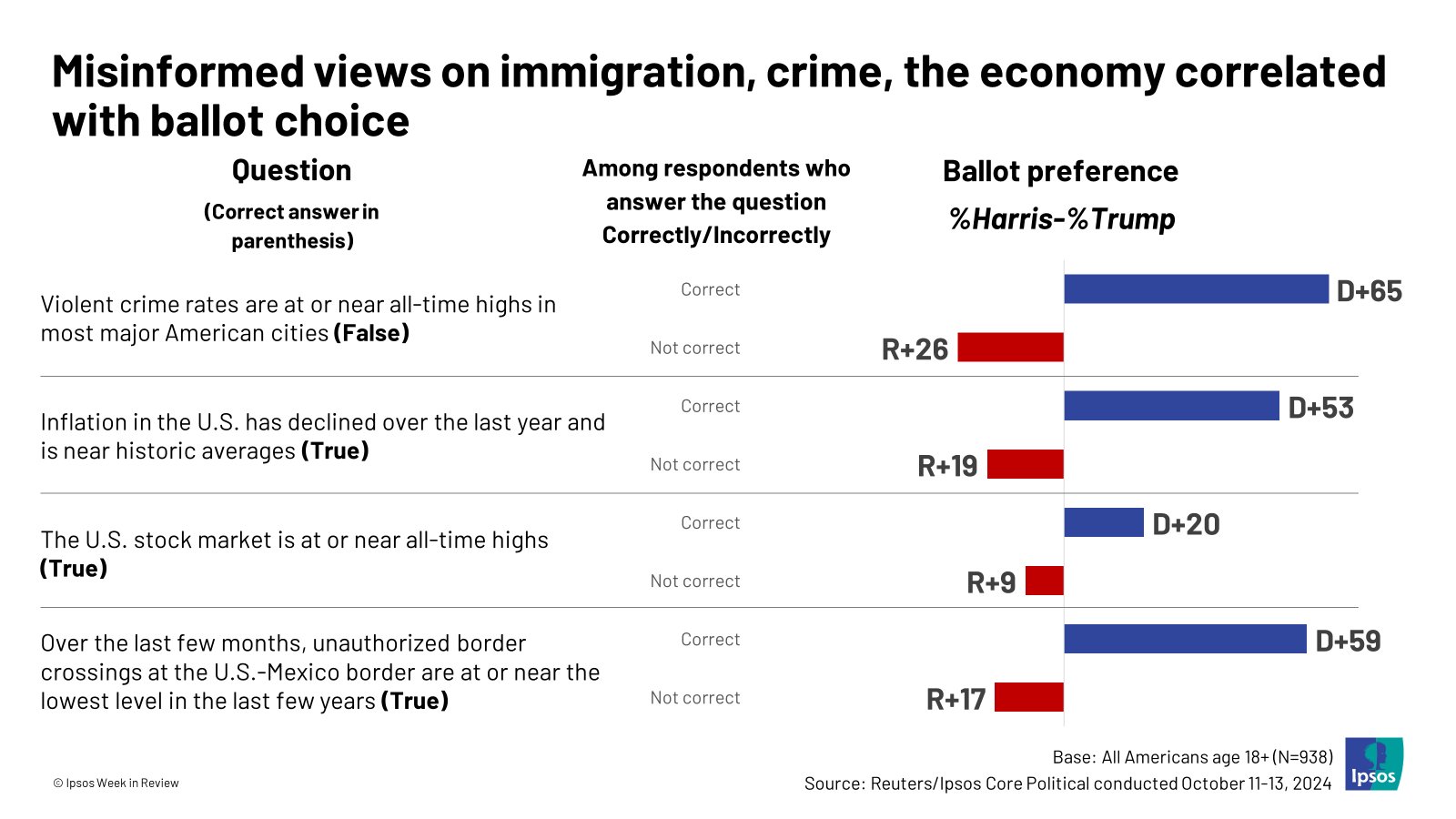
Since November 5th, there has been ongoing reflection on why the election ultimately favored Trump, particularly given his frequent use of misleading or false claims. For those who study media and communication, the link between misinformation and voting behavior is concerning. A Reuters/Ipsos poll found that Americans misinformed about crime rates, the economy, and immigration were more likely to vote for Trump.
One critical factor not fully captured by polling data is the persistence of high prices on essentials like groceries and housing, despite a decrease in inflation over the past year. If people struggle to put food on the table or keep up with rent, that tangible economic hardship outweighs broader statistical trends.
At the same time, the constant barrage of misinformation – spread through ads, news programming, and social media – can create an illusory truth effect where repetition makes false claims seem credible. This repetition led many to believe that issues like border crossings and inflation remained out-of-control, despite evidence suggesting otherwise.
In understanding the election outcome, it’s also important to consider the quickly evolving media environment and changes in how people are getting their news and information. These are topics I have explored in-depth with my students throughout the year. Podcasts, for example, are an increasingly popular medium for news, with nearly half of US adults having listened to at least one in the past month, according to Statista. Both presidential candidates tapped into this trend, appearing on influential podcasts such as Joe Rogan’s (Trump) and Howard Stern’s (Harris). Simultaneously, many Americans are turning away from traditional news outlets and are seeking information online from alternative sources and influencers. Even some prominent journalists have left legacy media to strike out on their own (see Kara Swisher, Taylor Lorenz, and Chris Wallace).
Social media has also become a dominant news source. More than half (54%) of US adults, and over three-quarters (78%) of young adults aged 18-24, get their news from social media at least occasionally. My students, drawing from their own experiences and research, tell me that young people prefer social media for news because it’s accessible, caters to shorter attention spans, and—importantly—is free. With paid news subscriptions largely unappealing to young audiences, free access on platforms like Instagram and TikTok is more attractive.
The election outcome highlights how emotional narratives held more sway than facts and logic. Interestingly, my research with Dr. Arunima Krishna has shown that narrative-based counter-messaging can help combat misinformation. This offers a hopeful silver lining for our communication students, who are learning to become the emotionally resonant storytellers of tomorrow.
To make communication research more accessible to the public, the CRC recently launched The COMversation, a podcast that connects academic insights with current events. Hosted by Dr. Charlotte Howell, the debut episode dives into the evolving norms of communication and the role of misinformation in politics, providing listeners with an engaging, in-depth discussion on these timely issues.
If you're interested in exploring how communication research informs our understanding of current events, join us on The COMversation. Listen to the latest episode, share it with your network, and be part of a conversation that strives for a more informed and engaged public.
Social media impacts women more negatively than men, according to most Americans, but traditional media does a better job giving equal attention to issues that affect both.
The latest Media & Technology survey by Boston University’s College of Communication found that three times as many than not, for example, say social media content negatively impacts women more than men, in terms of body perception, lifestyle and self-esteem (52% agree vs. 17% disagree).
But when asked whether they agreed or disagreed with the idea that TV, magazines, radio and newspapers “give equal attention to issues that affect women and issues that affect men,” respondents were almost evenly split (32% agreed, 35% disagreed).
“The most surprising result was the proportion of people, an average of 35%, that have no clear position when it comes to having an opinion on how women’s issues are covered or portrayed in the media,” said Nivea Canalli Bona., a master lecturer at Boston University’s College of Communication. “This could be a sign of low media literacy, which shows that people are not critical of the role media plays in perpetuating stereotypes. It can further point to the need for more media literacy projects in the country – with the goal of fighting misinformation and disinformation – which should investigate the gender issue.”
Faculty members are invited to participate in monthly polls conducted in collaboration with Ipsos, exploring key topics like media trust, artificial intelligence, and climate change. This is an opportunity to advance thought leadership, gain media coverage, and contribute to research that aligns with COM's strategic goals of addressing modern communication challenges. Selected faculty will collaborate with the CRC polling committee to craft questions, analyze cross-tabulated data, and contribute insights to press releases.
For more details on how to submit your topic of interest, visit here.



 issues, showcasing the power of research to make meaningful contributions. As we look ahead to the next round of funding in Spring 2025, we celebrate the grant recipients and their exceptional work.