URBAN ARCH Trainees: Then and Now
Every investigator that is involved with URBAN ARCH leaves their mark on the program, and carries a piece of it forward into their own work on HIV and alcohol research. As the grant comes to a close, we caught up with trainees from across the years to hear how their time with URBAN ARCH shaped where they are now, and what advice they would pass on to other trainees in the field.
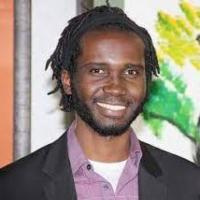
Dr. Kaku So-Armah’s research looks at how alcohol use and chronic infections like HIV and TB affect the heart, liver, and lungs. Kaku began as an URBAN ARCH trainee while completing his graduate training in epidemiology (PhD, University of Pittsburgh; postdoctoral fellowship, Yale University). Reflecting on his experience working with URBAN ARCH investigators and data over the years, he commented, “Research is as much about people as it is about data. Build and sustain meaningful relationships where you learn about the person beyond the specific expertise that initially brought you together and if you feel comfortable, share about yourself similarly.” Kaku worked with senior URBAN ARCH investigator Dr. Jeffrey Samet to write a paper using repository data from the HIV LIVE study to examine how immune dysfunction in people with HIV drives the risk of cardiovascular disease and other diseases of aging. He collaborated on other papers using URBAN ARCH data examining liver fibrosis and immune dysfunction among PWH with heavy alcohol use, and the effect of heavy drinking on immune function. He obtained funding through a research supplement from NIAAA to study the impact of liver injury on innate and adaptive immune dysfunction in HIV, using data from the URBAN ARCH Russia cohort, and a K01 grant (K01HL134147) to understand whether the excess risk for heart disease is caused by the high levels of liver injury often seen in people with HIV.
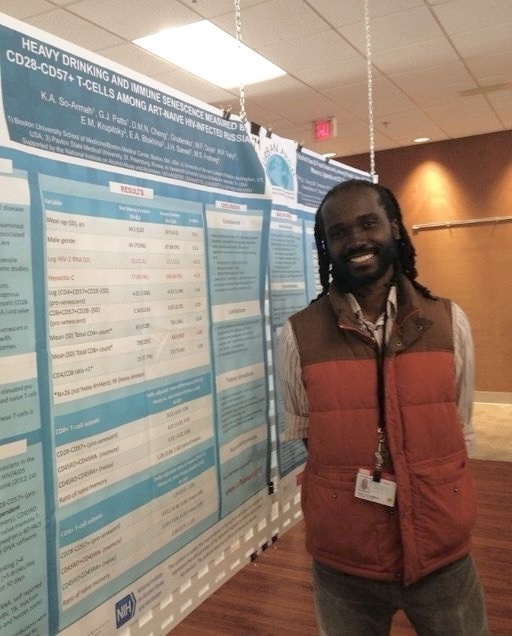
Now an Associate Professor at Boston University Chobanian & Avedisian School of Medicine, Kaku leads the TALC project within the International URBAN ARCH Center P01. Additionally, he leads Project 2 within the META HIV CVD P01 (NIAAAP01AA029542), and serves as MPI of a recently funded study examining the effects of cannabis use on geriatric syndromes and HIV outcomes (NIDAR01DA063053). When asked about how his work in HIV and substance use research has evolved throughout his career, he said, “I used to think in terms of single exposures and single outcomes; then moved to thinking about multiple exposures and single outcomes; and now more about people, quality of life, maintaining health and preventing disease or disease progression.” His advice to early stage investigators? “As you build your mentoring team, make sure at least one of your mentors has walked a path similar to yours so they can guide your decision making. Too often, we focus on content expertise of mentors only.”

Dr. Amanda Miller’s research focuses on the overlap between alcohol, HIV, and intimate partner violence, primarily in sub-Saharan Africa. She has an MS in Global Health from University of California, San Francisco (UCSF) and a PhD in Public Health with an emphasis in Global Health from the University of California, San Diego/San Diego State University joint doctoral program. Amanda became connected with URBAN ARCH through Dr. Jennifer Wagman, her doctoral program mentor and fellow URBAN ARCH trainee, and senior URBAN ARCH investigator Dr. Judy Hahn. Amanda collaborated on several papers using URBAN ARCH data with both Jennifer and Judy, including one on alcohol use and intimate partner violence (IPV) using data from the DIPT study, and a qualitative exploration of IPV among DIPT participants during the COVID-19 pandemic. Amanda even presented an abstract on some of this work at the 2024 URBAN ARCH Annual Meeting.
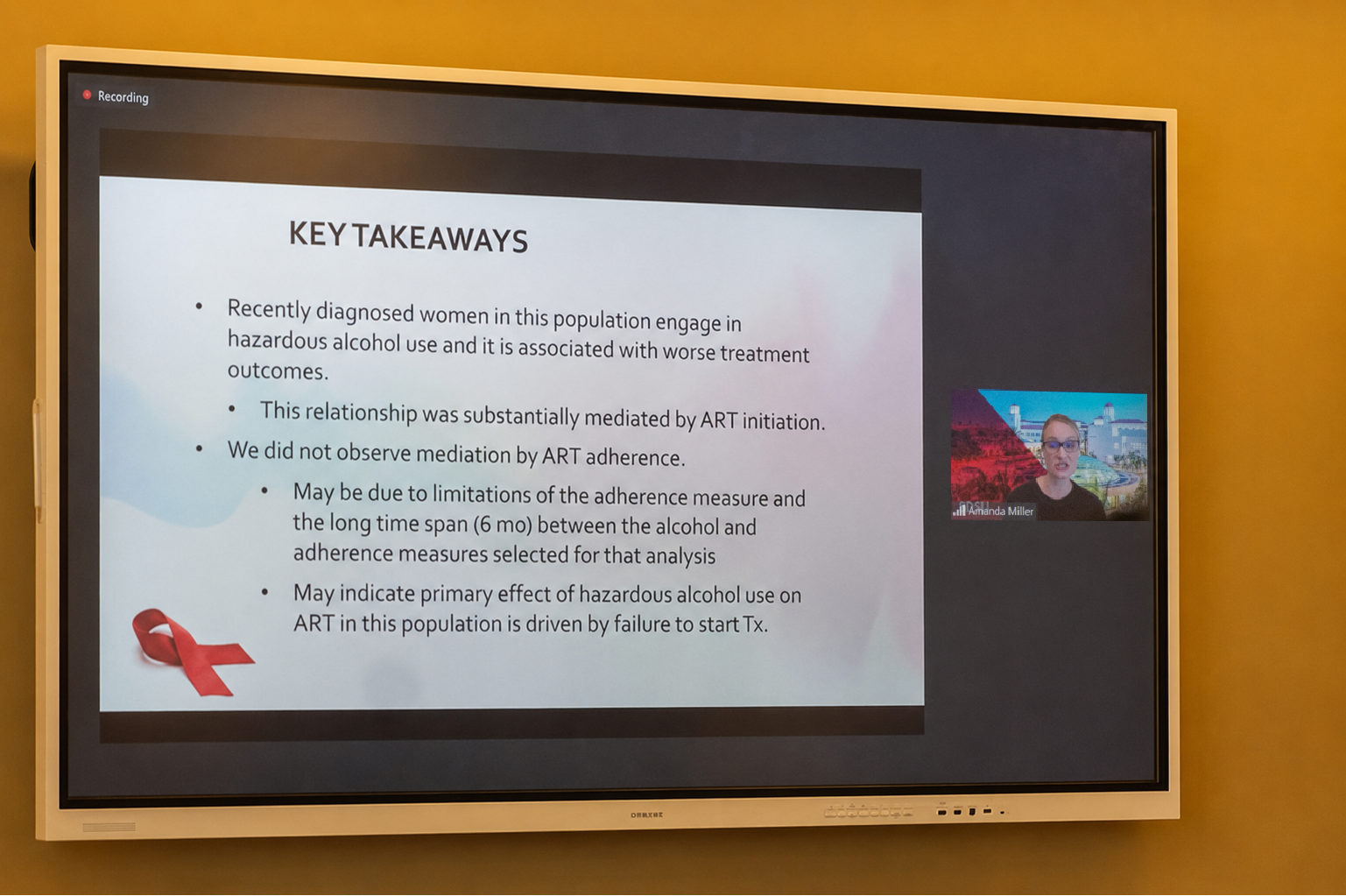
When asked to share about her experience with URBAN ARCH, Amanda commented, “Being an URBAN ARCH trainee provided me with countless opportunities for professional growth, from presenting my work and expanding my network to publishing papers and developing new collaborations. My advice to incoming trainees is that you truly get out of this program what you put into it. The consortium gives you access to leading alcohol and HIV researchers across universities and at NIAAA, and if you take advantage of those opportunities, the possibilities are endless. So attend the meetings and webinars. Force yourself to participate and ask questions. Send those introductory emails. The worst that can happen is that someone doesn’t have the bandwidth to collaborate. The best that can happen is that those connections lead to mentorship, publications, and future collaborations. They certainly did for me.”
Today, Amanda is an Assistant Professor at San Diego State University School of Public Health and recently received her first NIH grant, a K01 award through NIAAA (K01AA031208) entitled, “Utilizing Implementation Research Methodologies to Adapt an Intervention to Reduce Alcohol Use and Improve HIV Care Outcomes among Men Living with HIV who have Serodiscordant Pregnant Partners.”
A pediatrician by training, Dr. Julian Adong has built a clinical and research career in southwestern Uganda focused on improving HIV care and outcomes, especially among adolescents and young adults with HIV. She completed her MBBS at Mbarara University of Science and Technology (MUST), and later completed a Master of Medicine in Pediatrics and Child Health at MUST as well. Julian connected with the URBAN ARCH team early in her career. She has collaborated with senior URBAN ARCH investigators including Dr. Winnie Muyindike and Dr. Judy Hahn. In 2015, she spent several months at UCSF as part of the International Trainees in AIDS Prevention Studies program and the Training in Clinical Research program. Julian has led several papers using data from the URBAN ARCH Uganda cohort and other affiliated studies over the years, on topics such as the role of religion in drinking behavior among PWH, the impact of social desirability bias on self-reported alcohol use, cell phone availability for mobile health (mHealth) interventions among PWH, and usability of an mHealth intervention to reduce alcohol use among PWH.
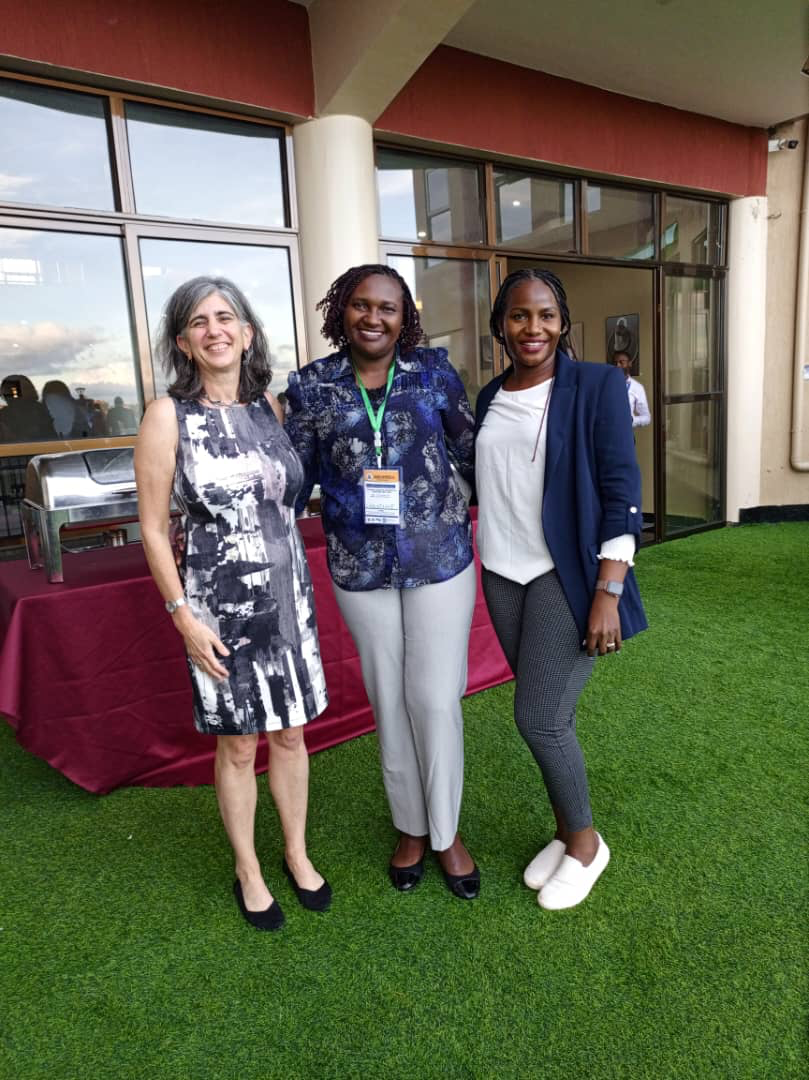
When asked about her experience with URBAN ARCH and how it has impacted her work, she commented, “Working with URBAN ARCH has been one of the most formative experiences in my research career. The mentorship, the opportunity to learn from experienced investigators, and access to high-quality data not only strengthened my research skills but also gave me the confidence to ask meaningful research questions and pursue them. Those experiences have shaped my current research path and continue to guide my goal of becoming an independent researcher committed to improving the health of adolescents and young adults living with HIV.”
Julian is currently working as a clinician and research fellow in the Department of Pediatrics and Child Health at Mbarara University of Science and Technology, and also recently received a Fogarty award (K43TW012640) to develop an adolescent-tailored, mHealth intervention to improve retention in care among adolescents and young adults with HIV in Uganda.

Dr. Sarah Puryear connected with URBAN ARCH during her time as an Infectious Diseases Clinical Fellow at UCSF, through Dr. Judy Hahn. She completed her MD at Johns Hopkins University School of Medicine, and her MPH at the University of California, Berkeley. Sarah led papers with URBAN ARCH investigators including Dr. Judy Hahn, Dr. Gabriel Chamie, and Dr. Winnie Muyindike on topics such as alcohol use and HIV care cascade outcomes and alcohol use and latent TB among PWH. In 2020, she received a K23 award from NIAAA (K23AA029045) to examine the impact of alcohol use among youth living with HIV in studies on alcohol-reduction interventions and viral suppression in East Africa, growing directly out of her work with the URBAN ARCH network.
Sarah spent several years as an Assistant Professor at UCSF, where her research sat at the intersection of alcohol, HIV, and TB in sub-Saharan Africa. She has continued to work with URBAN ARCH investigators; for example, she collaborated on the Biomarkers for Alcohol/HIV Research (BAHR) study, led by Dr. Judy Hahn. In 2024, Sarah transitioned from academia to industry, joining Gilead Sciences to work in clinical development for HIV, work which allows her to continue leveraging her expertise in quantitative HIV/alcohol research and behavioral intervention design and implementation, to reduce the negative impact of alcohol use on HIV outcomes, transmission, and co-morbidities among PWH in low-resource settings. Sarah commented, “My career has taken me from academic research and patient care to helping develop new HIV prevention medications in industry, but the foundation was built through mentorship and collaboration. URBAN ARCH provided opportunities to learn from outstanding investigators, engage with meaningful research questions, and connect with a community of scientists committed to improving people’s lives. Those experiences continue to influence how I approach research, partnerships, and innovation today.”
The experiences of these former trainees emphasize that URBAN ARCH’s greatest legacy may be the relationships it fosters, as much as the data and results it generates. URBAN ARCH investigators encouraged these trainees to see beyond single exposures and outcomes, form connections that opened doors to publications and funding, and develop the confidence to ask meaningful research questions of their own. As the grant draws to a close, the network created by the URBAN ARCH Training and Mentoring program continues to bear fruit, as evidenced by the fact that our former trainees are now leading their own studies, mentoring the next generation, and carrying the center’s approach to alcohol and HIV research into academia, clinical care, and industry alike.