Updates from 2nd Generation URBAN ARCH HIV/Alcohol P01s

This past spring, the ARCHER team has continued to recruit, screen, and enroll participants into the center’s Pain Trial, and conduct follow-up data collection for both the Pain and Physical Activity trials. In collaboration with BuildClinical, a vendor specializing in targeted online campaigns to recruit participants for clinical research studies, we have received over 5,000 potentially eligible participants to screen for eligibility for the ARCHER trials. We have phone-screened 1,302 potentially eligible participants for the Pain Trial, and 922 potentially eligible participants for the PA Trial. In total, we currently have 458 participants enrolled and randomized: 236 in the Pain Trial and 222 in the PA Trial. We expect to reach the Pain trial recruitment goal of 250 randomized participants by the end of June or early July. Across both trials, randomized participants have consented, completed the baseline interview, and completed 15 days of ecological momentary assessment (EMA) data collection. In the PA Trial, participants have also completed 15 days of Fitbit wear. In addition to collecting baseline data, we have been actively collecting 3-month and 6-month follow-up data: 197 participants in the Pain Trial have completed their 3-month interview and EMA surveys, and 190 participants in the PA Trial have completed their 3-month interview and EMA surveys. We have completed 3-month follow-up data collection for the PA trial. In the Pain Trial, 159 participants have completed their 6-month interview, of which 147 also completed the at-home blood draw, which is shipped to a lab and analyzed for Phosphatidylethanol (PEth), an alcohol biomarker. In the PA Trial, 180 participants completed their 6-month interview, of which 171 completed the at-home blood draw.
The ARCHER team is continuing to support secondary analyses of the Boston ARCH cohort of people living with HIV and unhealthy alcohol use. The team has published two manuscripts using Boston ARCH data: Prevalence and clinical correlates of frailty among adults with HIV infection and unhealthy alcohol or drug use in AIDS and Cocaine Use, Unhealthy Alcohol Use, and Pain Interference Among People with HIV in AIDS and Behavior. The ARCHER team is also happy to announce a publication using ARCHER baseline data: HIV-related Stigma and Alcohol Involvement Among People with HIV Who Engage in Unhealthy Drinking, published in AIDS and Behavior.
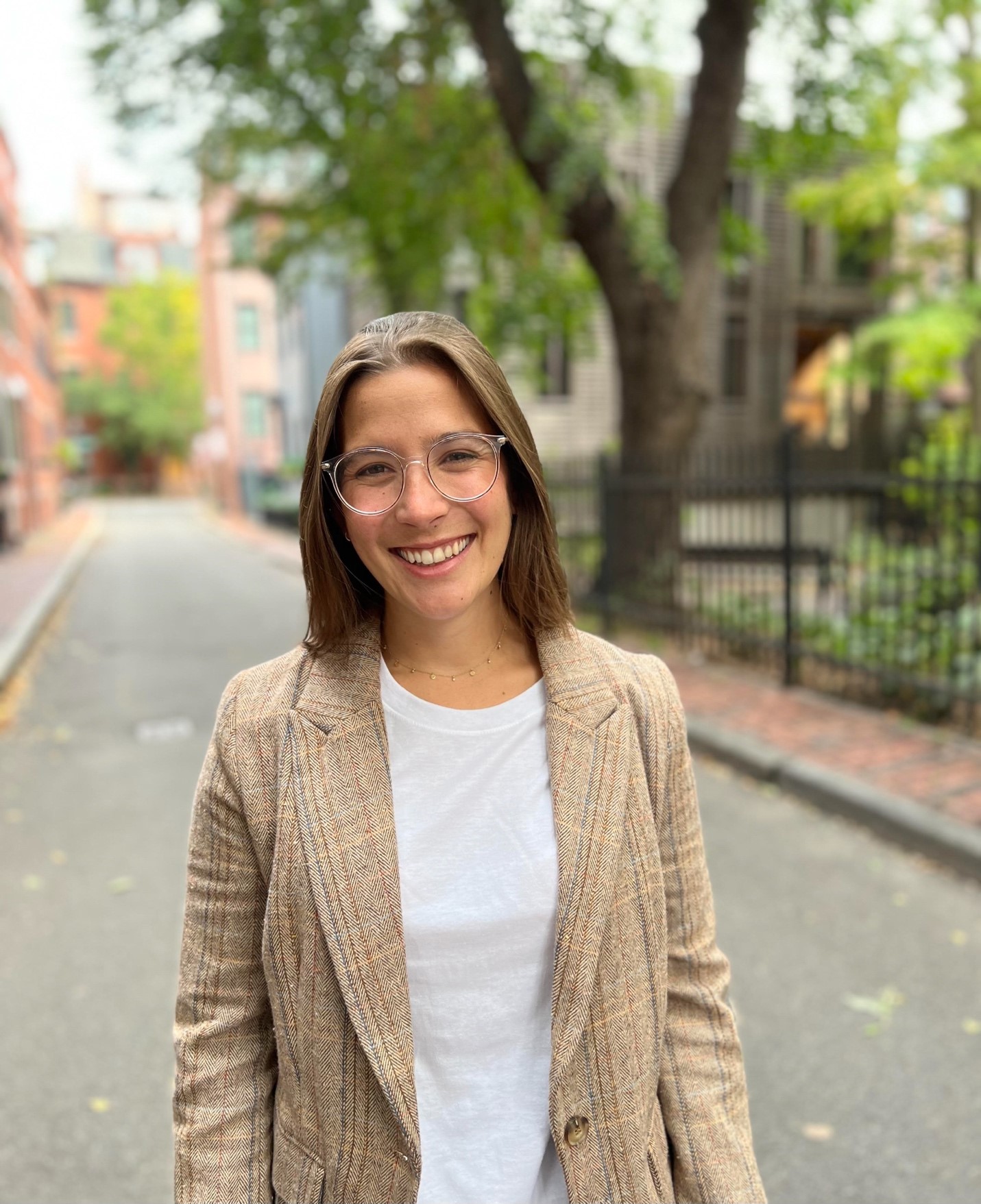
The ARCHER study is excited to welcome a new member to our team, Dr. Christina Freibott. Dr. Freibott is a postdoctoral associate in the Department of Community Health Sciences at Boston University School of Public Health. She holds an MPH from Thomas Jefferson University and a PhD in Health Services and Policy Research from Boston University. Her work focuses on addressing the intersection of substance use and mental health among young adults, with a particular emphasis on college and university settings. She is committed to expanding access to evidence-based overdose prevention strategies, including naloxone training and distribution. Her research examines institutional approaches to opioid overdose prevention and how these can be improved to better support student populations.

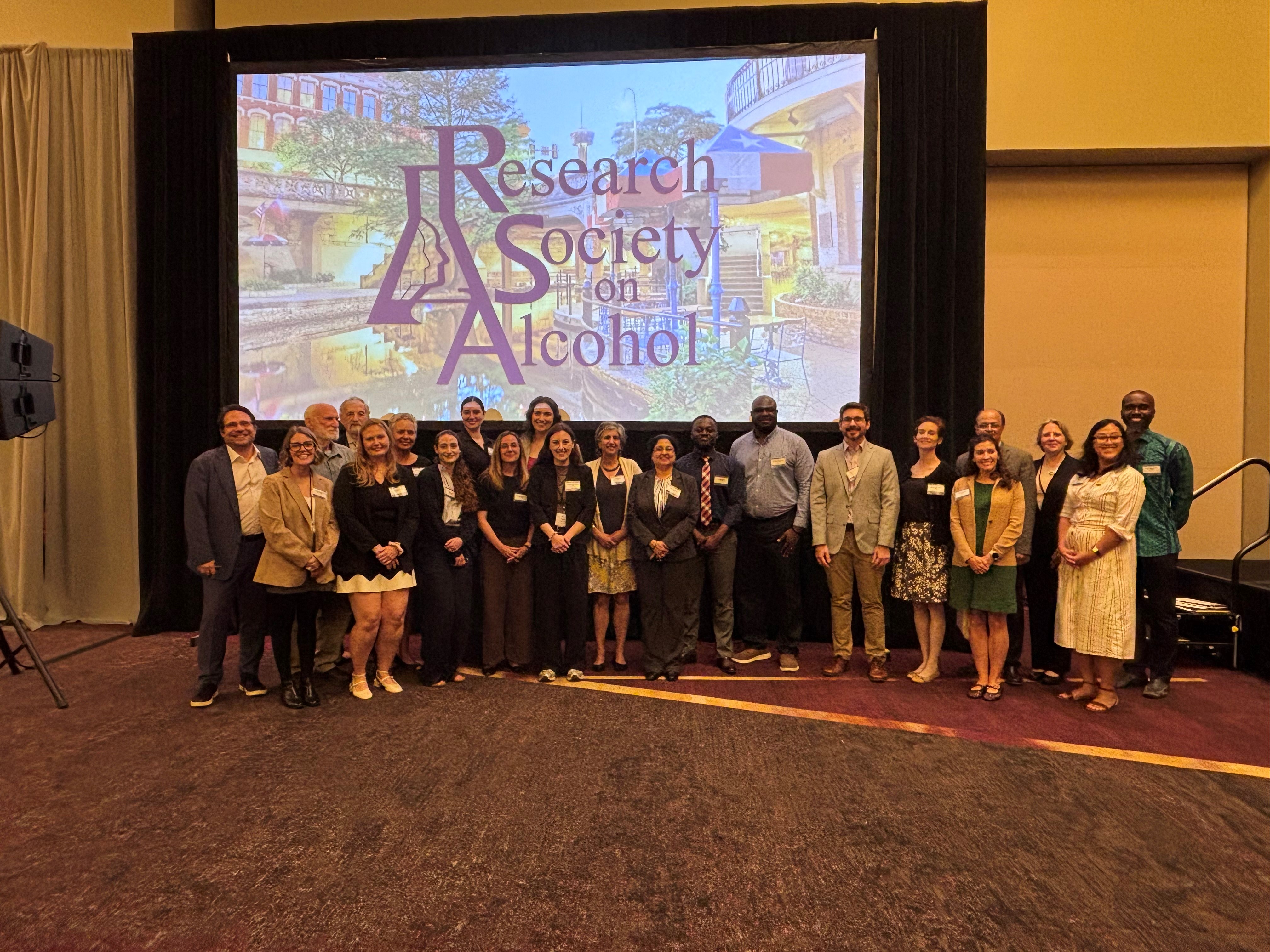
The META team successfully hosted the 5th annual Research on Alcohol and HIV, a satellite meeting to the Research Society on Alcohol’s annual meeting, in San Antonio, TX on June 20, 2026.
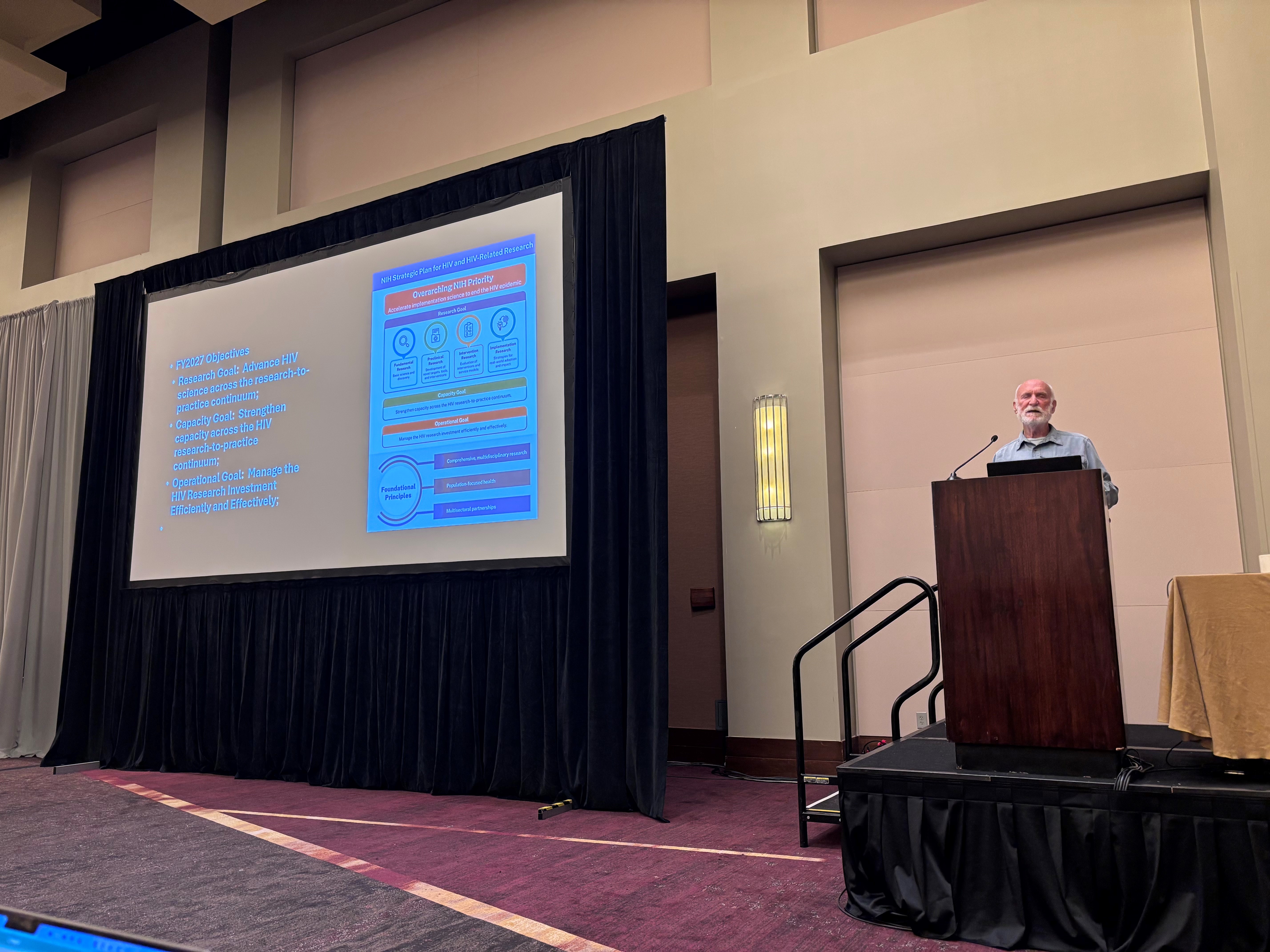
The meeting began with opening remarks from Dr. Kendall Bryant, the Director of HIV/AIDS Research at the National Institute on Alcohol Abuse and Alcoholism. He spoke on the NIAAA focus of implementation science. We then watched the following presentations:
- Scott Braithwaite, Cost-effectiveness of screening and treating alcohol use and depression for HIV prevention under varying assumptions in Zimbabwe and KwaZulu-Natal, South Africa
- Madeleine J. Bentley, “I feel like I never am doing enough”: Provider Perspectives on Identifying Unhealthy Alcohol Use and Initiating Care in Three HIV Clinics across the U.S.
- Adelyn Garcia, Clinical usability of digital support for an intervention to reduce bothersome symptoms from polypharmacy and alcohol use among persons with HIV
- Patricia E. Molina, Food and alcohol outlet environment promote unhealthy behaviors that synergistically enhance comorbidity risk in people with HIV
- Kaitlin Couvillion, Extracellular vesicles from ethanol- and metabolically-stressed hepatocyte spheroids increase immune cell activation in PBMCs from people with HIV
- Seema Singh, HIV Tat- and alcohol-induced neuroinflammation: Role of ER stress-NLRP6 signaling
- Natalie Chichetto, Longitudinal associations of depressive symptoms and PEth with systemic inflammation among older adults with and without HIV: A probiotic pilot study
- Judy Hahn for Amanda Miller, Incentives to reduce alcohol use as a strategy to reduce intimate partner violence among people co-infected with HIV and TB: secondary findings from the DIPT Study in Uganda
- Elizabeth Austin, The role of economic deprivation in PrEP receipt in a national sample of U.S. veterans
New to the agenda this year was a lightning round of 5-minute talks:
- Joe Coleman, Multilevel predictors of alcohol use in sexual contexts among recent Latino immigrants: A longitudinal analysis
- Scott Edwards, Comparative effects of alcohol and cannabis use on pain and cognition outcomes in the New Orleans Alcohol Use in HIV (NOAH) cohort
- Rebecca Fisk-Hoffman, Barriers and facilitators of interventions for alcohol use in HIV and TB care: A qualitative study among persons with HIV and providers
- Curtis Gabriel, Alcohol use and bile acids in people with HIV
- Smita Ghare, Hazardous alcohol use compromises adherence to pre-exposure prophylaxis (PrEP) and promotes gut microbial dysbiosis: Relevance to HIV prevention outcomes
- Kayla McNeely, Alcohol-associated behavioral health syndemics across menopause among women with and without HIV: Latent class and latent transition analyses
- Mollie Monnig, Acute alcohol effects on markers of microbial translocation and immune activation in people with HIV and controls: A randomized, placebo-controlled trial
- Winnie Muyindike, Effect of alcohol use on active TB incidence among persons with HIV and latent TB who received TB preventive therapy
- Moses New-Aaron, Revisiting pioglitazone: A re-emerging therapeutic targeting bioenergetic dysfunction in alcohol- and HIV-exposed alveolar macrophages
The following posters were presented:
- Elizabeth Austin – Provider attitudes towards and needed implementation supports for prescribing medications for alcohol use disorder (MAUD) in HIV primary care settings
- Geetanjali Chander – Alcohol use severity is associated with increased risk for all-cause mortality among people with HIV reporting alcohol use
- Tekeda Ferguson – Social support moderating the effects of discrimination and HIV-related stigma on alcohol use in people with HIV
- Rebecca Fisk-Hoffman – Alcohol use before and during treatment for drug susceptible tuberculosis among persons with HIV in Mbarara, Uganda
- Rebecca Giguere – Less is more: A qualitative examination of the acceptability and feasibility of a gamified-contingency management intervention
- Judy Hahn presenting for Amanda Miller– Perspectives and experiences of receiving phosphatidyethanol results to support alcohol reduction among people living with HIV in Uganda
- Lamia Haque – Feasibility, acceptability, and safety of Spironalactone for alcohol use disorder among patients with HIV and polypharmacy: an open-label pilot study
- Hannah Hoogerwoerd – Dynamic trajectories of the allostatic-interoceptive network: Within-person adaptation to reductions in acohol use during contingency management
- Yana Jayampathy – Perceptions of alcohol use and HIV risk amongst men living with alcohol use disorder in rural South Africa
- Justin Knox – Intervening to improve HIV treatment and reduce drinking: A pilot randomized controlled trial among people living with HIV (PLWH)
- Gayathri Kothawar – Validity of self-reported alcohol use and PrEP adherence among MSM in USA: evidence from PEth and TFV-DP biomarkers
- Lisbeth Rubio- Alcohol, dietary quality, and depressive symptoms across 90 days: Findings from the syndemic intervention with microbiome probiotics pilot study
- Kate Worwag – Diet quality moderates associations between alcohol use and systemic inflammation in sample of adults with HIV
The International URBAN ARCH Center facilitated one-on-one mentoring sessions for 15 pairs of early-stage and senior investigators.
Overall, it was another memorable meeting in the books where we discussed important scientific updates and enjoyed collegial company.