ARCHER Study: Lessons Learned from a Purely Virtual, Nationwide, Behavioral Intervention Trial
The Boston ARCH Comorbidity center was funded in September 2021 as an extension of the work done by the URBAN ARCH Boston Cohort. ARCHER (Addressing Related Comorbidities for HIV by Employing Remote Technologies) aims to support secondary analyses of the URBAN ARCH Boston Cohort and conduct two e-health clinical trials on scalable approaches to address HIV-related comorbidities, chronic pain, and physical inactivity in people living with HIV (PLWH). As of March 1st 2026, ARCHER has recruited 435 participants and supported trainees and investigators in publishing findings from the Boston ARCH cohort. In this issue of the URBAN ARCH Newsletter, we dive deeper into the ARCHER trials, highlighting accomplishments and lessons learned from conducting virtual nationwide intervention clinical trials.
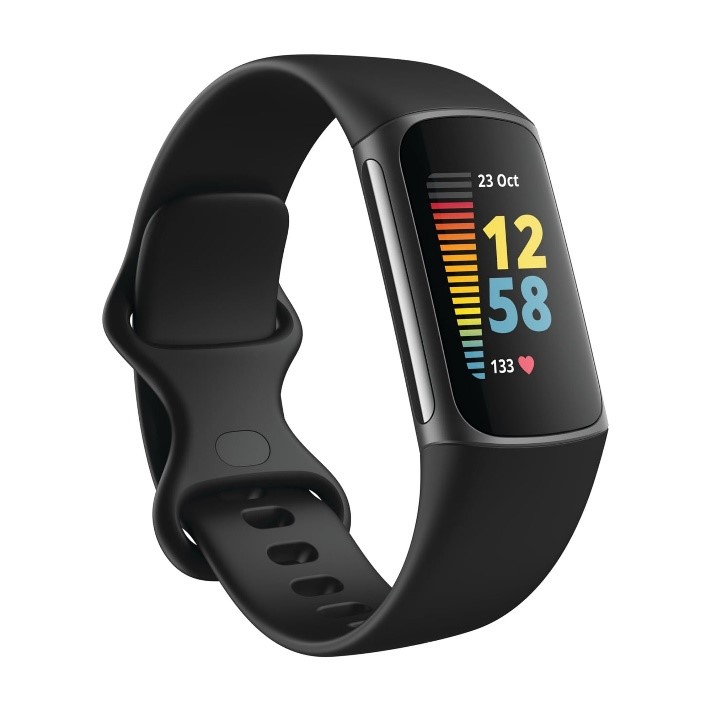
The Pain and Physical Activity (PA) trials follow a parallel structure. Participants are recruited via an online advertisement campaign run in partnership with BuildClinical, a vendor specializing in data-driven approaches for study enrollment. People interested in the trial complete an online pre-screening form, and those who are potentially eligible are contacted by the study team for complete eligibility screening by phone. If eligible, participants are scheduled for a baseline assessment. The baseline assessment includes a research interview over Zoom followed by 15 days of ecological momentary assessment (EMA) surveys. Participants are then randomized to control or intervention arms, involving one or seven telehealth counseling sessions over 12 weeks, respectively. Participants are then scheduled for a 3-month follow-up research interview via Zoom and subsequently complete another 15 days of EMA surveys. Finally, participants complete a 6-month follow-up research interview via Zoom and at-home blood draw using a Tasso device. Their specimen samples are mailed to an academic lab and assessed for phosphatidylethanol (PEth) levels, a biomarker of recent heavy alcohol consumption. Participants in the PA trial are asked to wear a Fitbit (a wearable physical activity tracking device) throughout the study.
The aims of the Physical Activity trial are to:
- Test the efficacy of a 12-week LPA (lifestyle physical activity) + Fitbit intervention among low-active PLWH who are engaged in unhealthy drinking.
- Compare Fitbit Only control and LPA + Fitbit groups to understand intervention effects on mood, activity, alcohol use, motivation, and functioning.
The aims of the Pain trial are to:
- Test the efficacy of an integrated behavioral telehealth intervention, Motivational and Cognitive-Behavioral Management for Alcohol and Pain (MCBMAP), for reducing unhealthy drinking and chronic pain.
- Identify potential moderators and mediators of the MCBMAP intervention.
As of March 2026, the PA trial has exceeded its recruitment goal and randomized 222 participants. The Pain trial has randomized 213 participants and is expected to reach its recruitment target (N=250) in the coming months.
ARCHER research staff have encountered several obstacles while recruiting participants for these remote trials. The BuildClinical campaign has averaged 30-50 prospective participants on a weekly basis, and these prospective participants are contacted up to five times during the one-month window following their pre-screening submission. Despite the high volume of prospective participants, staff have had difficulty reaching participants even after five call attempts due to phone service changes, the sensitive content of the screening making it uncomfortable for participants to take calls during work hours, and time zone differences. To address these concerns, a question about availability for phone calls was added to the BuildClinical screening form and a link to an online calendar booking software, Calendly, was integrated directly within the pre-screening form. Approximately 80% of prospective participants use the Calendly booking link, and it has improved the likelihood that a participant will answer when called.
The nature of conducting completely virtual research has presented several unique challenges. All research assessments and intervention sessions use Boston University’s HIPAA-compliant Zoom, and participants generally report feeling comfortable during these meetings, and often join from their smartphones. However, ARCHER participants occasionally join Zoom calls while driving, doing errands, or while on public transit. This creates challenges such as technical issues, concerns about privacy, and environmental distractions. Participants’ internet access can be unreliable if the participant is moving from place to place, and background noise can be distracting for the participant and interviewer. Due to the interactive aspect of the interviews, driving while looking at Zoom to follow along with answer options or complete an e-consent form is unsafe, and staff are trained to reschedule and end the call as quickly as possible when a participant is driving. When a participant joins a Zoom call while in a public space, staff often suggest rescheduling, which can present an opportunity for loss to follow-up. In order to increase participant retention in the context of these national, virtual trials, staff frequently schedule visits outside of eastern time business hours, maintain a flexible rescheduling protocol, and developed language included in participant reminders emphasizing that they should be in a quiet, private location. This expectation setting, along with flexibility and understanding that participants have busy lives has helped maintain rapport and trust with participants while maximizing retention.

As previously mentioned, participants receive a Tasso device at 6-month follow-up to collect a blood sample at home. Trained research staff guide participants through the blood collection process over Zoom with cameras on. Overall, participants have reported that the devices are easy to use and experienced minimal pain. On rare occasions, the blood draw was unsuccessful, and participants were sent a replacement device. Participants are generally willing to make a second attempt at the blood draw despite discomfort and the additional time and effort required because they felt appreciated by being compensated at the time of the first attempt, even if it was unsuccessful. Many of the cases of device malfunction were due to user error. To mitigate user error, staff began emphasizing that participants should listen and follow along with the instruction card during staff explanation and not begin the blood draw until after the first reading of instructions was complete to allow for questions before beginning the process. The blood draws were most successful when participants listened to and processed the instructions before attempting to use the device.
Two main overarching themes have emerged from the challenges and lessons learned in conducting entirely remote trials: participant communication and technology. Using technology like calendar booking software like Calendly helped streamline recruitment and retention. Communicating clear expectations for Zoom calls and Tasso blood draws while remaining flexible for scheduling and technology issues has improved the success and efficiency of study visits, and built trust between participants and staff. Please feel free to reach out to the ARCHER study team with any questions about our study processes.
