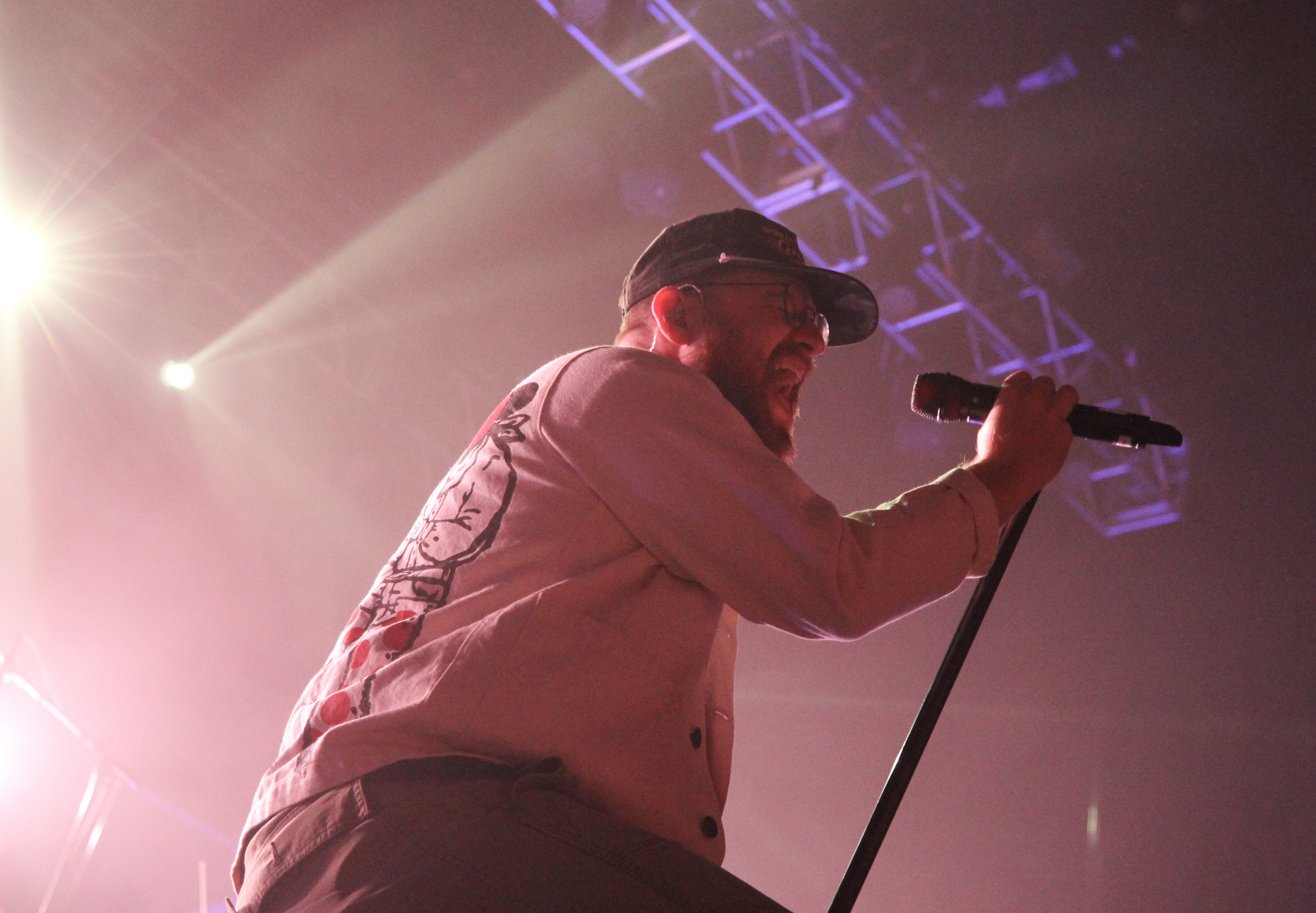
The Wonder Years @ House of Blues 4/8

Photography by Sarah Cruz
Review by Stella Tongour
Ten years ago, suburban Philadelphia pop-punk band The Wonder Years released “No Closer to Heaven,” a concept album about the loss of a loved one. The album was born out of frontman Dan Campbell’s search for existential meaning after a period of creative restlessness. On Wednesday night, they brought the record back to life for a packed crowd at the House of Blues, delivering a performance that felt both nostalgic and apt for today.
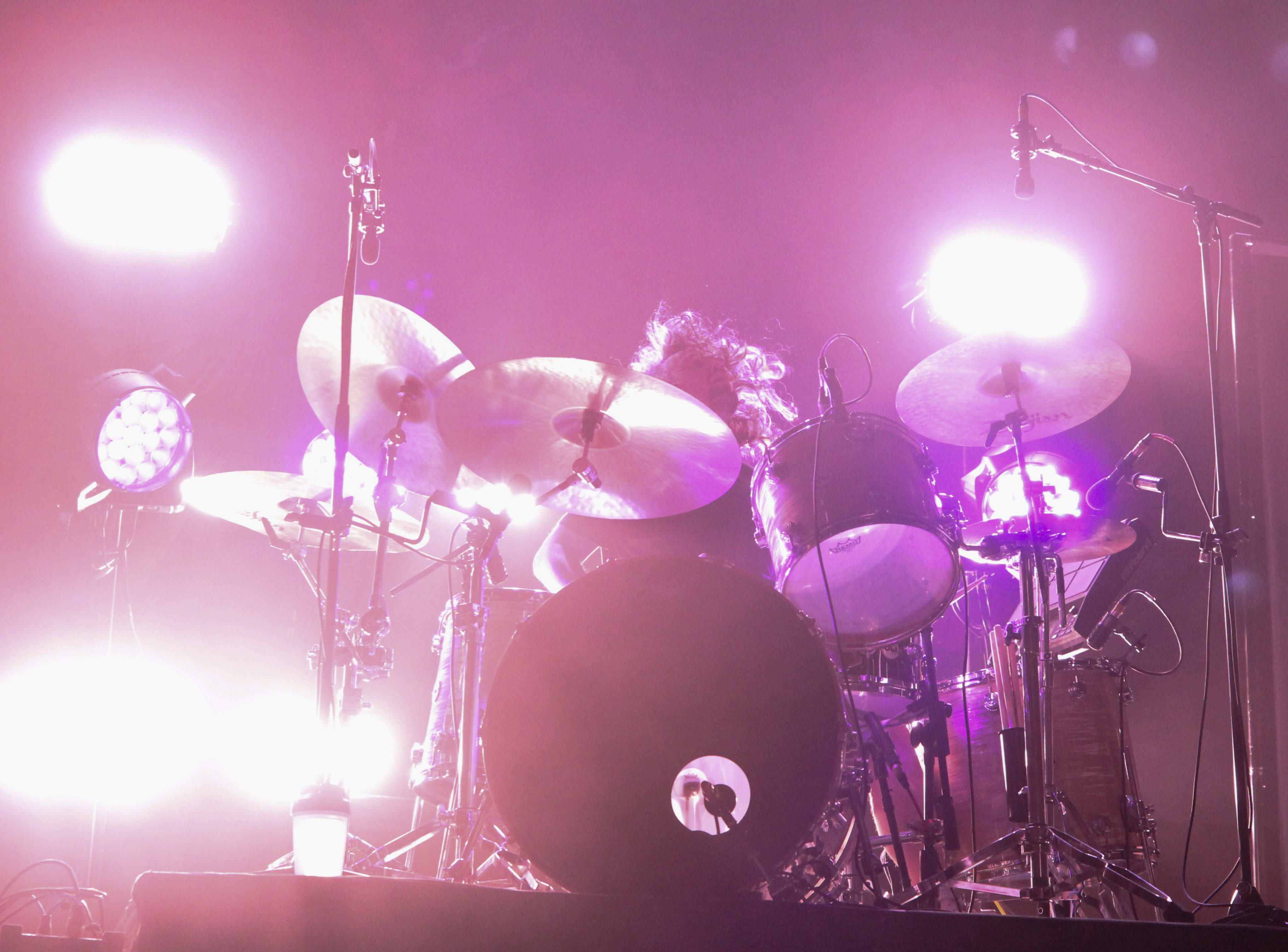
The set opened with an acoustic snippet of the album’s title track, “No Closer to Heaven.” Nick Steinborn began on keys, a subdued and unexpected opening for a typically high-energy band, before the power shifted for the next song. The audience roared for the second track, “Brothers &,” while drummer Mike Kennedy played viscerally. This was the kind of percussion you feel physiologically before you can register it cognitively, low in the pit of your stomach.
The audience reflected the band’s long tenure in the music industry, bringing together fans from different generations. There was a healthy mix of retired millennial punks alongside eager crowd-surfing adolescents. All ages were engrossed.
One of the most striking moments came during “Cigarettes & Saints.” When Campbell reached the line, “I lit you a candle,” the entire room illuminated in sync, phones raised, glowing on beat. For that 30-second verse, the House of Blues crowd shared a brief communal ritual, a moment of collective reflection that captured the song’s personal, yet universal, concept of grief.
Still, neither the show nor the album it celebrates was ever just about music as entertainment. Like much of punk, The Wonder Years’ work carries a deeper purpose. Halfway through the set, Campbell shifted into something closer to spoken word, delivering a passionate, almost slam-poetry-like reflection. He addressed criticism he has seen online, specifically people asking when the band had become so “political.” He fired back with a question of his own, “Who the f*** did you think you were listening to?” He reminded the audience that the record, written ten years ago, was always a response to the world’s social and political realities.
That moment bled directly into “Stained Glass Ceilings,” a performance fueled by frustration and righteous angst. Campbell’s delivery was intense, bordering on a cathartic release. At one point, he paused, letting the crowd take over the line, “Maybe I could’ve made a difference,” their voices filling the silence with a collective urgency that perhaps feels even more relevant now than it did when the song was written.
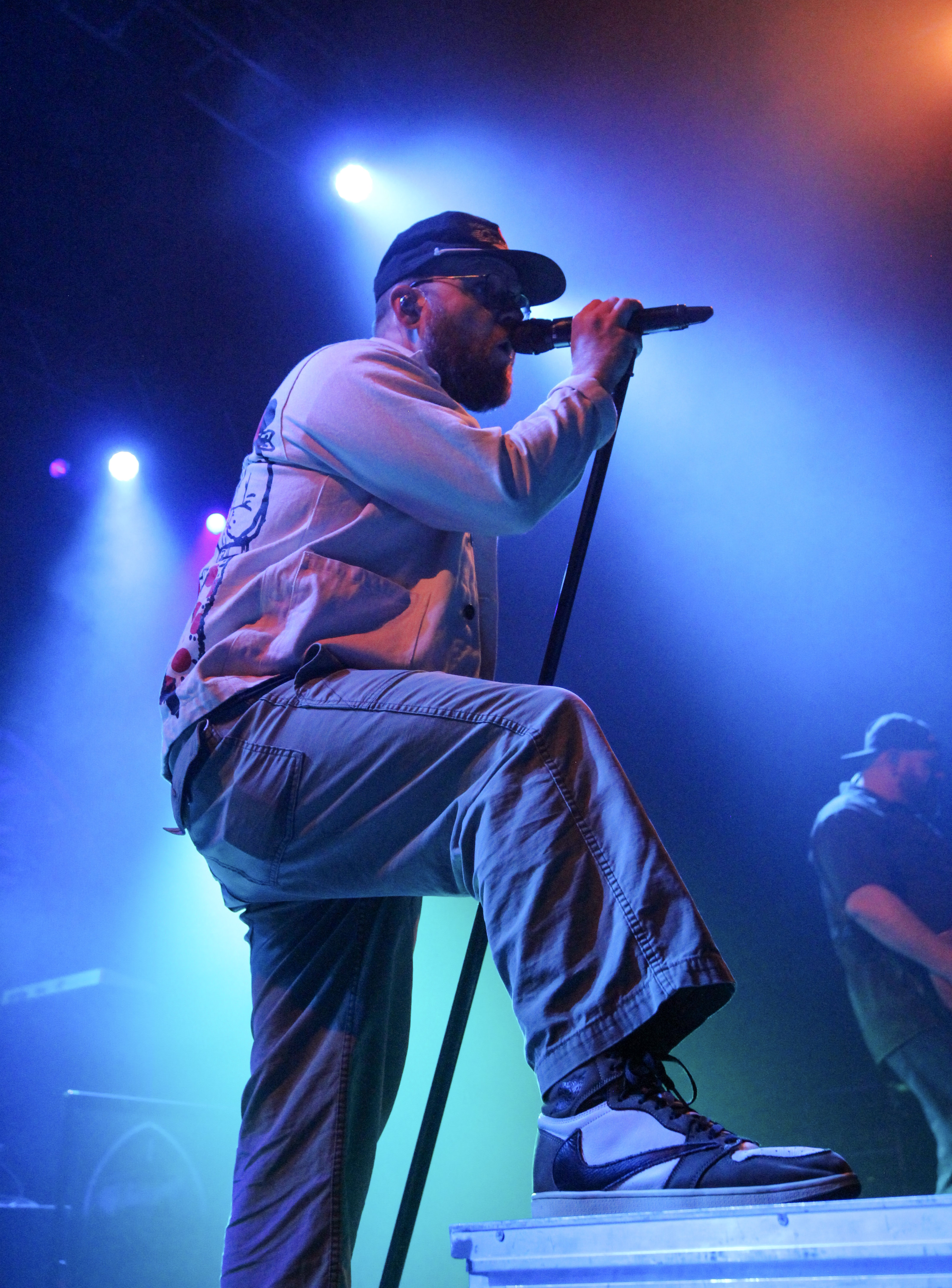
The political undercurrent of the night did not begin or end there. It is embedded in the album’s texture, the atmosphere in the audience, and in the conversations overheard while moving through the venue. The same anxieties that shaped “No Closer to Heaven” a decade ago still linger, if anything, heightened in the big 2026. For many in the room, those feelings have only sharpened. Chants of “F*** Trump” and “F*** ICE” echoed from the back of the crowd, making that clear. I was reminded of how the world felt ten years ago, in the lead-up to and early days of President Donald Trump’s first term, and the fear that surrounded it. I was then brought back to when I first discovered “No Closer to Heaven” in March 2020, during the COVID-19 lockdown. It is no surprise that this body of work found me at that moment, and that the band chose to revisit it now. The political angst that defined the record then still lingers today.
Midway through the set, Campbell also highlighted a collaboration with the nonprofit, “This Must Be The Place,” which offered free Narcan to attendees. It was a small but meaningful partnership that aligned the band’s convictions with action.
Instrumentally, the band was tight throughout, with standout moments. The guitar work on “Thanks for the Ride” was especially strong, making it one of the best performances of the night. My personal favorite (and the album’s only love song), “You in January,” was another highlight, carried by each of the band members’ emotionally invested performances.

The production also helped elevate the experience. The lighting leaned on primary colors— red, yellow, and blue— washing over a stained-glass-style backdrop that echoed the album’s themes of spirituality and doubt. The imagery, drawn from the album cover, felt slightly surreal, but it worked.
For the encore, The Wonder Years expanded beyond the album, pulling from across their catalog and finding another level of energy. Fan favorites “Came Out Swinging” and “GODDAMNITALL” sent the crowd into full eruption.
Wednesday night served as proof of how this album has stood the test of time. Ten years later, “No Closer to Heaven” still resonates as something living, breathing, and more relevant than ever.