Puma Blue @ Somerville Crystal Ballroom 3/6

Photography by Liana Snow
Review by Emily Taveras
On March 6, singer Puma Blue (Jacob Allen) performed at the Somerville Crystal Ballroom for an intimate yet electrifying night.
On his new album, “Croak Dream,” Puma Blue returns to the spectral intimacy that first won him a cult following, blending lo-fi jazz, jungle breaks, and trip-hop elements. Puma Blue and his band are tailor-made for live performances, drawing inspiration from Portishead and Jeff Buckley. “Croak Dream” became a living collage of baritone sax, drenched ballads, and restless grooves, making the performance feel truly alive.
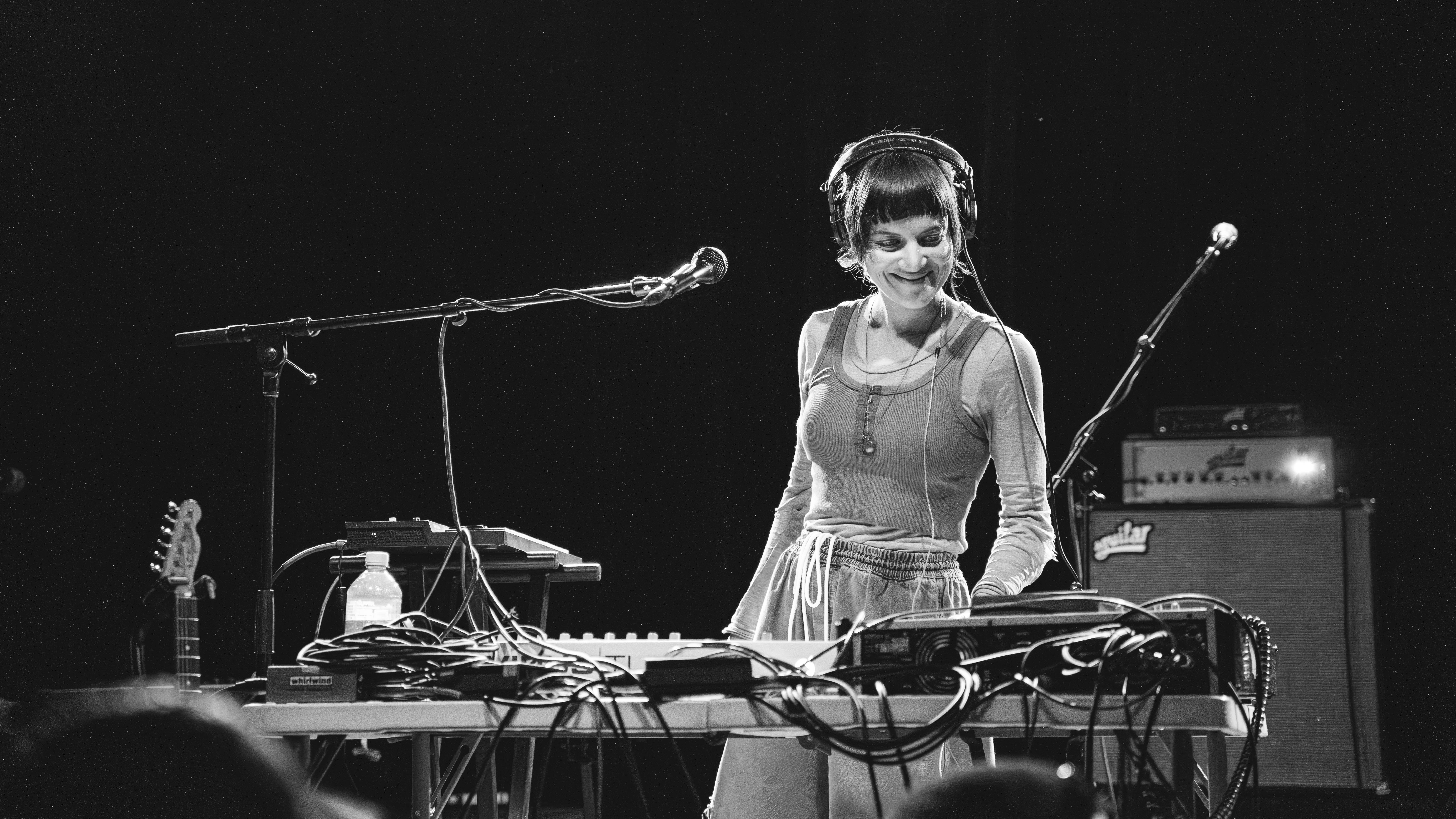
Opener Salami Rose Joe Louis, a talented multi-instrumentalist, kept the audience upbeat during her set. Using different instruments, she performed songs such as “Rain Jacket Over Puddle” and her most popular song, “I Miss You So.” Her angelic vocals, entangled with soundboard effects and experimental touches, captivated the crowd and drew everyone into her sound. Although there were minor technical issues, she naturally blended them away with the jams from her soundboard.
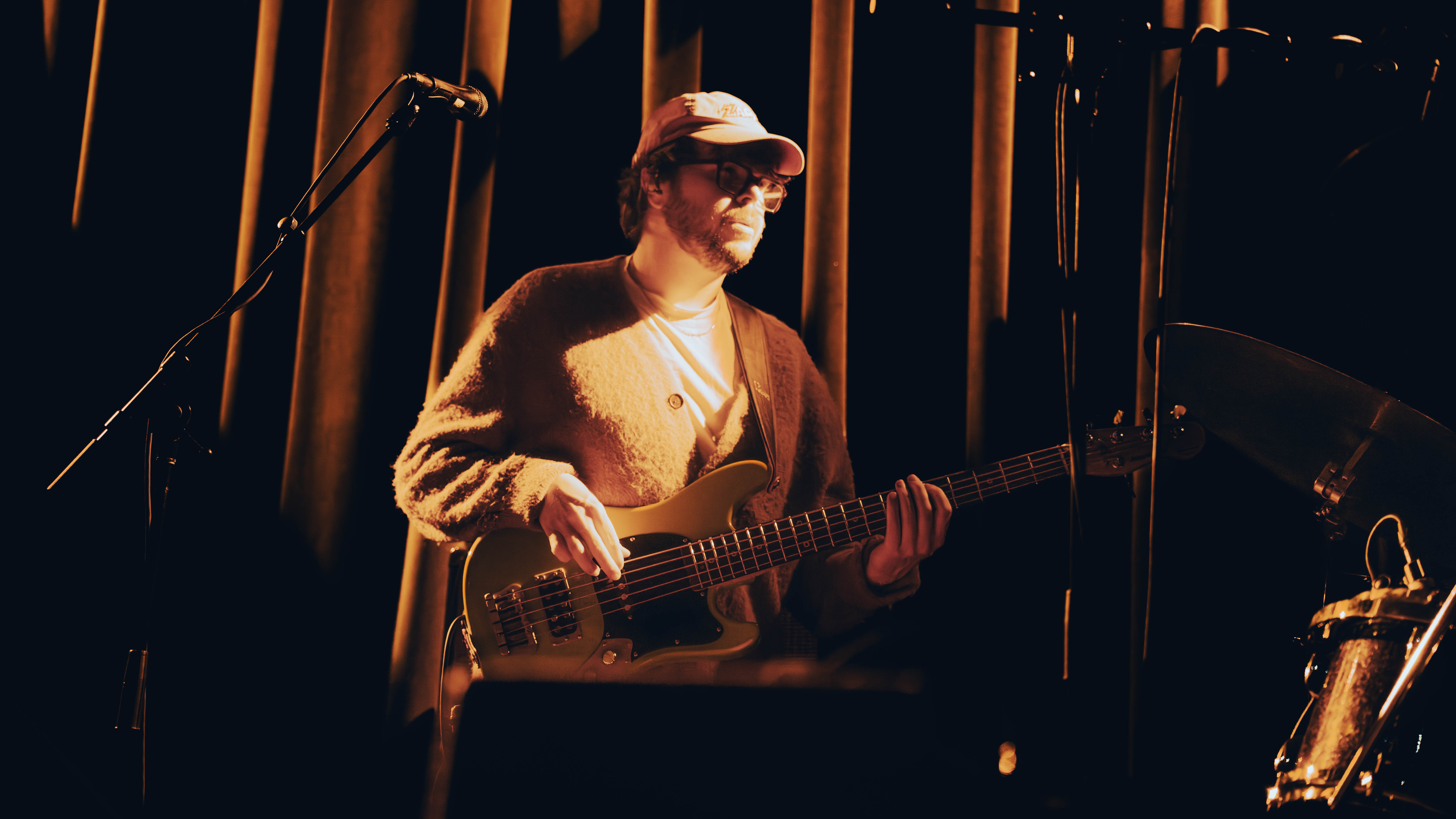
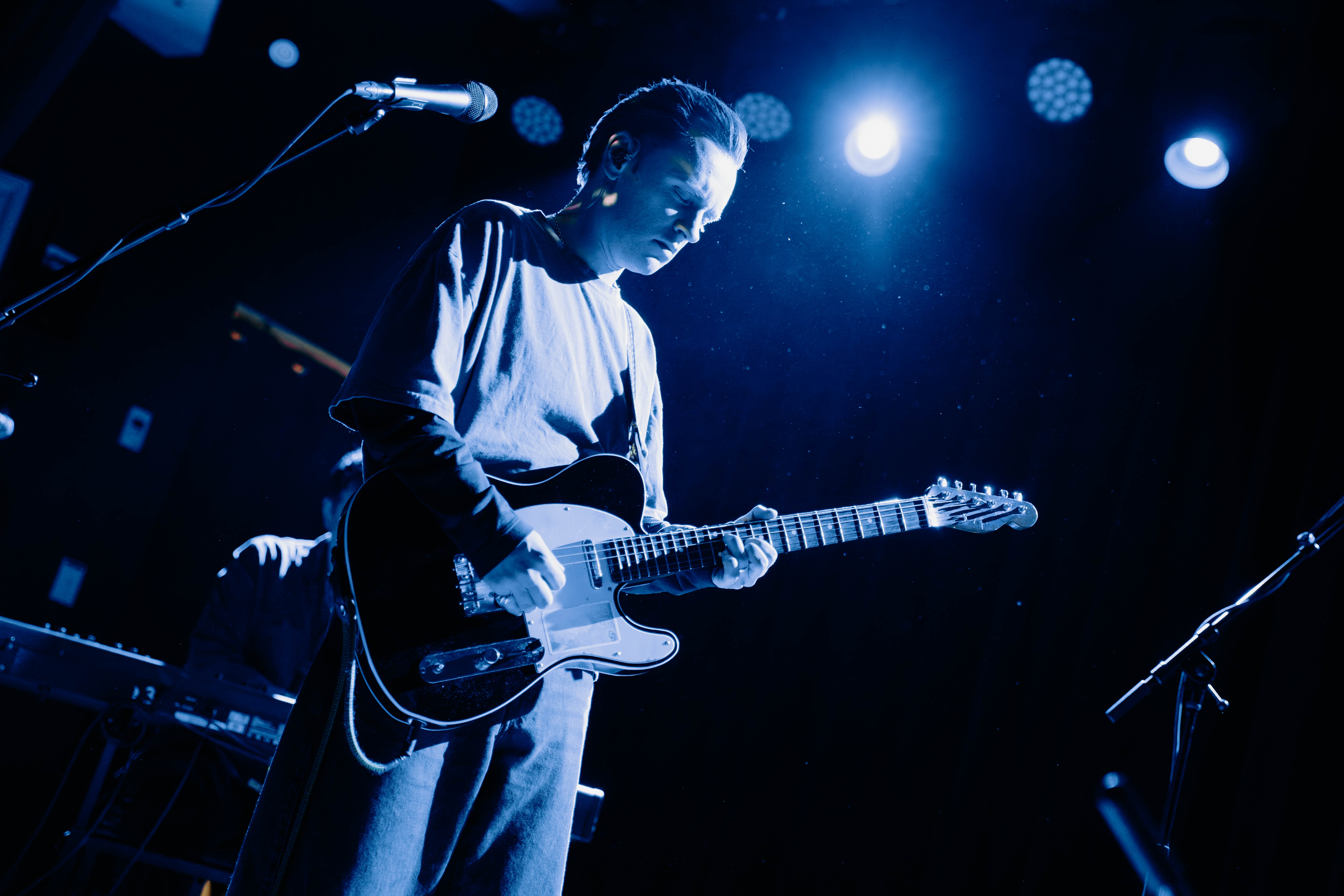
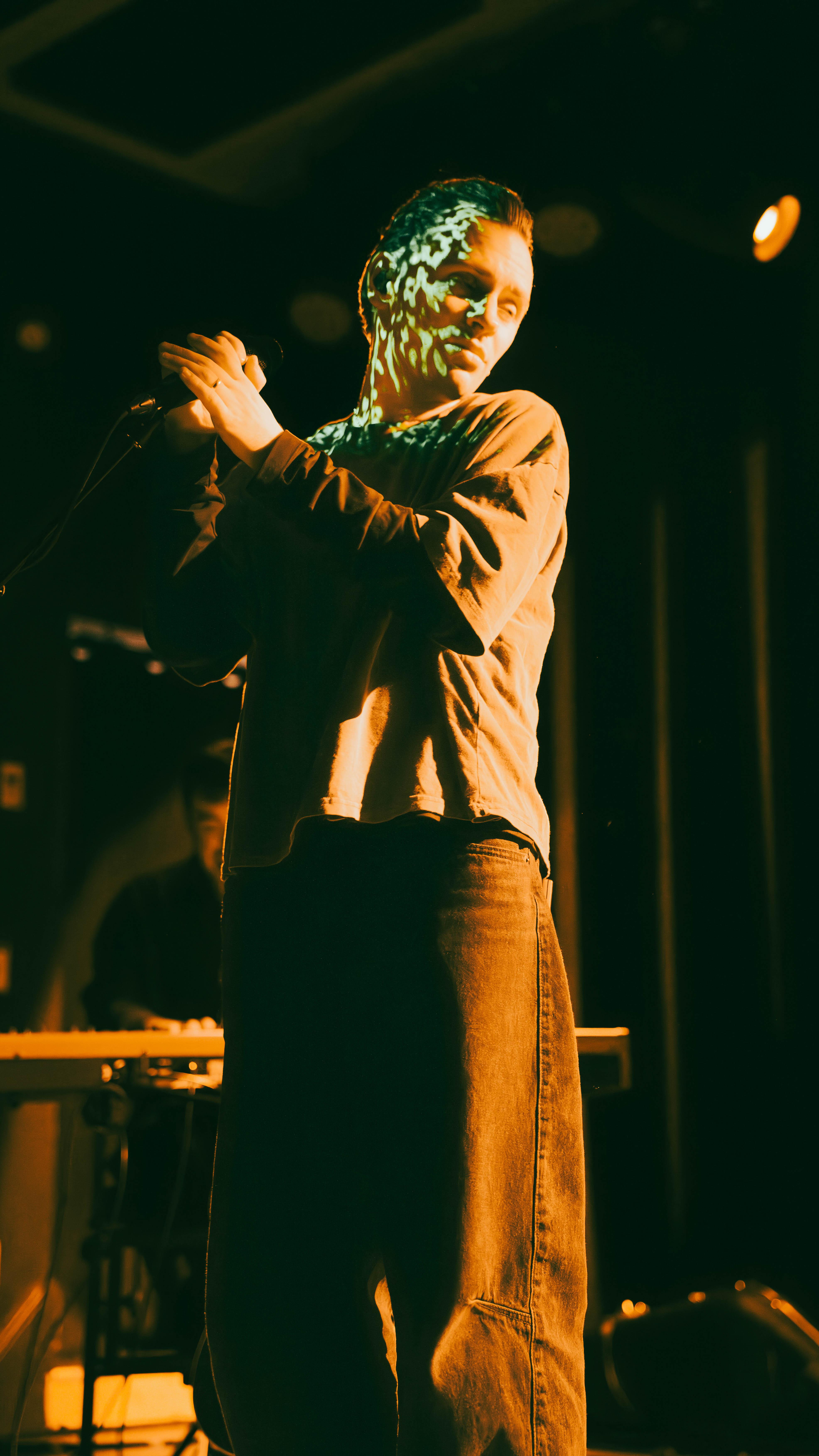
Puma Blue and his band appeared on stage, performing his opening song titled the same as his album, “Croak Dream.” Puma Blue grabbed everyone’s attention with something never seen before, using a walkie-talkie to conduct his band. The stage’s lighting was cool blue with projected visuals that mimicked his latest album’s cover art. The band performed using numerous instruments such as a guitar, drums, keyboard, bass, and saxophone. The crowd was hooked, nodding their heads and dancing along to the music’s beat.
The setting transitioned from its original blue lighting to a much warmer tone to match the mood of the lyrics in his 2017 song, “Soft Porn.” Puma Blue sings, “Pick up the fuckin’ phone, I need the warmth of your tone.” As the song ended, the crowd began to shout “congratulations,” referring to Puma Blue’s new album and the band’s recent success.
Introducing the band’s next song, “Too Much, Too Much,” Puma Blue explained the track as being about suffering and empathy in today’s society. By describing it as a prayer, Puma Blue pays homage to immigrants, women, children, and specifically the LGBTQ+ community. Puma Blue made their beliefs clear with “Too Much, Too Much” and “Mister Lost,” a song that critiques wealth and the patriarchy. This piece brought playful energy to the stage, with lyrics like “Just a cog, machines building machines” poking fun at the robotic performative roles men play in today’s society.
Puma Blue shared a personal story about his recent engagement to his partner of eight years. He briefly mentioned the hardships of his past relationship due to the long distance. He transitioned into the next song, “Dream of You,” emphasizing the pain of saying goodbye with lyrics such as, “Nothing worse than making you cry, or being in different places at different times.”

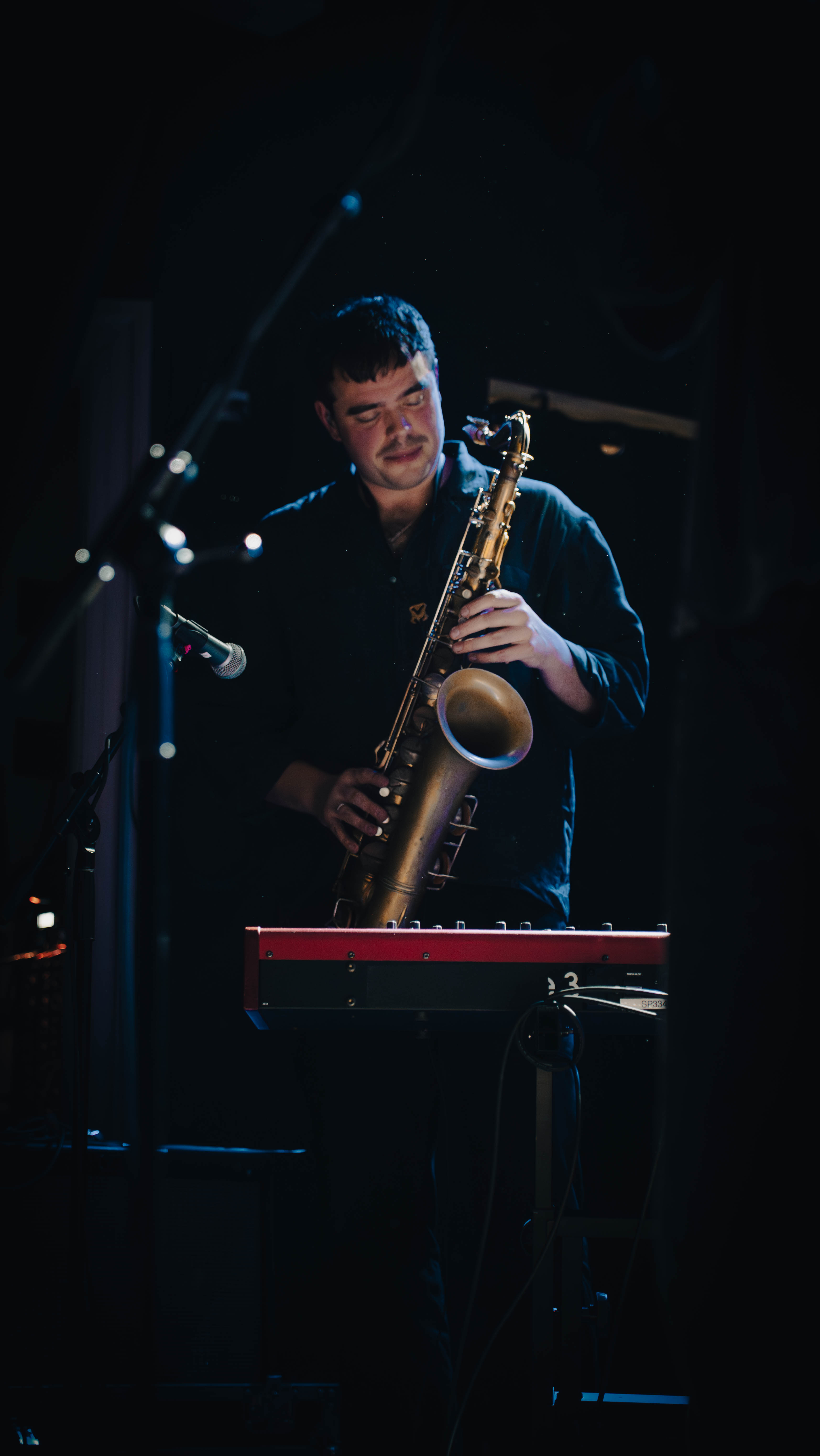
As a surprise yet surely expected song, Puma Blue performed a brief guitar riff that transitioned into “(She’s) Just a Phase,” the song that helped give Puma Blue wider recognition. It felt as though the song could be heard around the world, as the crowd loudly sang along. Though the title suggests someone easy to forget, the repeated line, “She’s just a phase,” reveals the speaker’s doubt as they try to convince themselves to move on. This performance had a memorable saxophone solo, accentuating the band’s jazz element and inciting a standing ovation from the audience.
For their outro song, Puma Blue gave a heartfelt shout-out to his band and Salami Rose Joe Louis, mentioning how she had been touring North America with them and encouraging the audience to support her music. It was truly a generous moment between the band, transitioning to the song “Only Trying 2 Tell U.” The use of the harpsichord and xylophone gave a softer, reflective ending to the show.
During the two-hour set, Puma Blue combined intimate moments and energetic songs, emphasizing raw, real-world experiences. The show felt personal and immersive, successfully balancing vulnerability and groove. Puma Blue turned “Croak Dream” into something more than an album; it became a shared experience between the band and its listeners.