TAGABOW @ Arts At Amory 12/9
Photography by Lucy Johnson
Review by Brianna Benitez
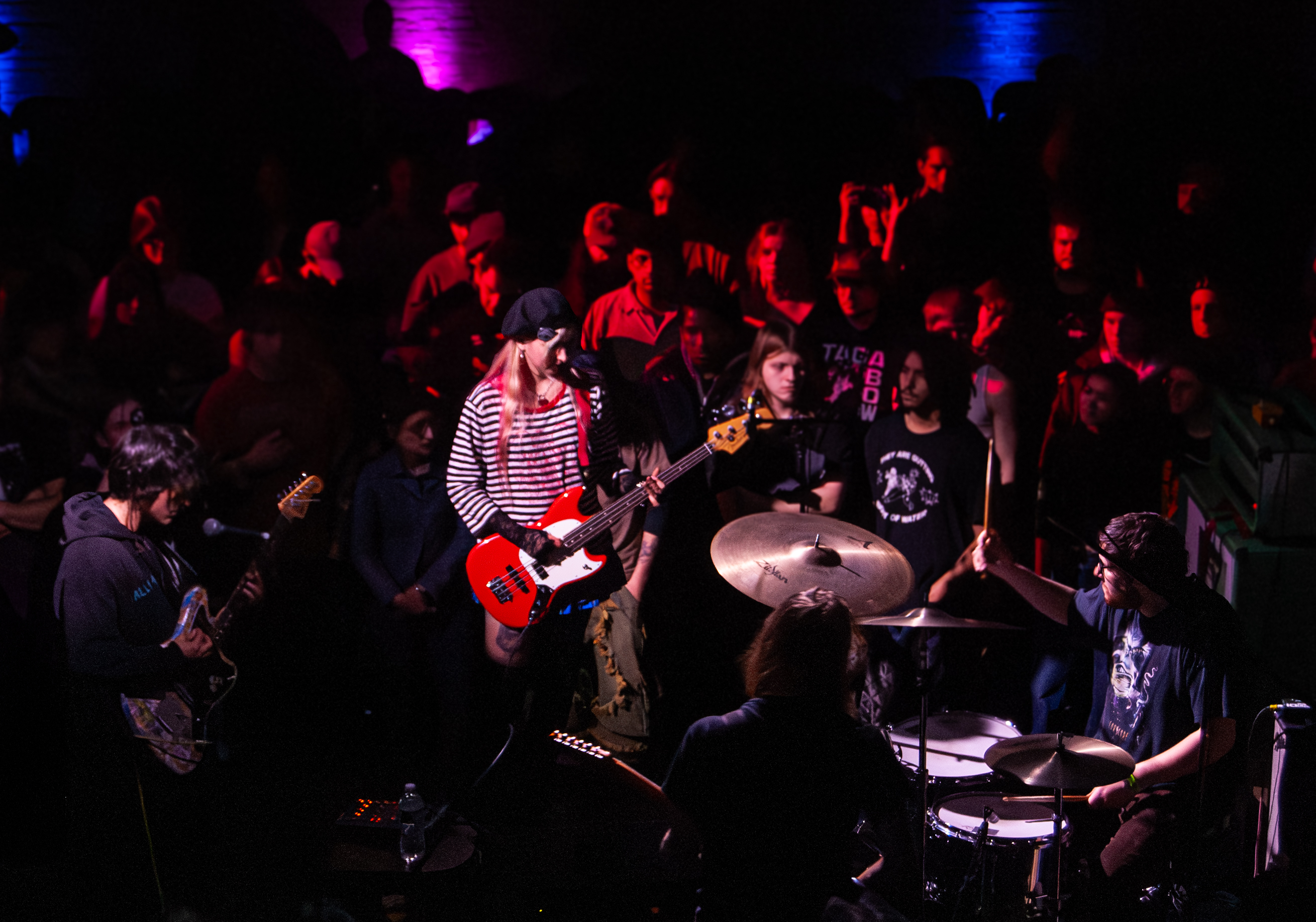
The Center for Arts at the Armory in Somerville, Mass., was in full swing as various activities took place there on the evening of Dec. 9. Children hurriedly exited the building after their violin lessons ended, while older teenagers and adults walked towards the back of the lobby, where Philadelphia native band, They Are Gutting a Body of Water, also known as TAGABOW, was set to put on a show that night.
About a year ago, TAGABOW was one of two openers for julie’s “my anti-aircraft friend” tour at the Paradise Rock Club in Boston. They were the perfect band for getting people moving then, and I didn’t have a single doubt they’d go there and beyond for this performance. TAGABOW’s approach to the shoegaze genre vibrates straight up to your heart. They have it all: metaphysical lyricism, peculiar electronic elements in their instrumentals, and melodies that can’t escape your head.

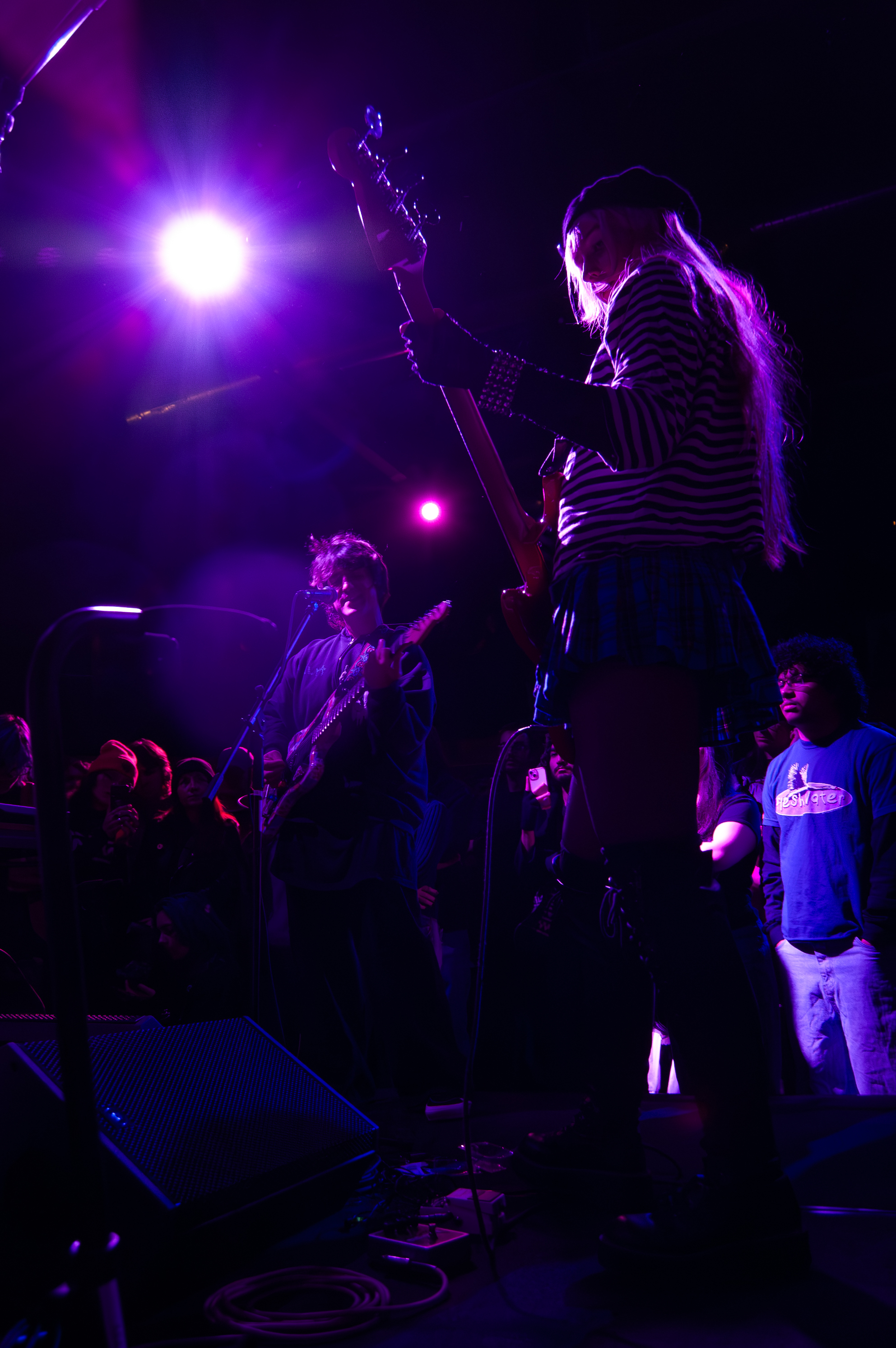
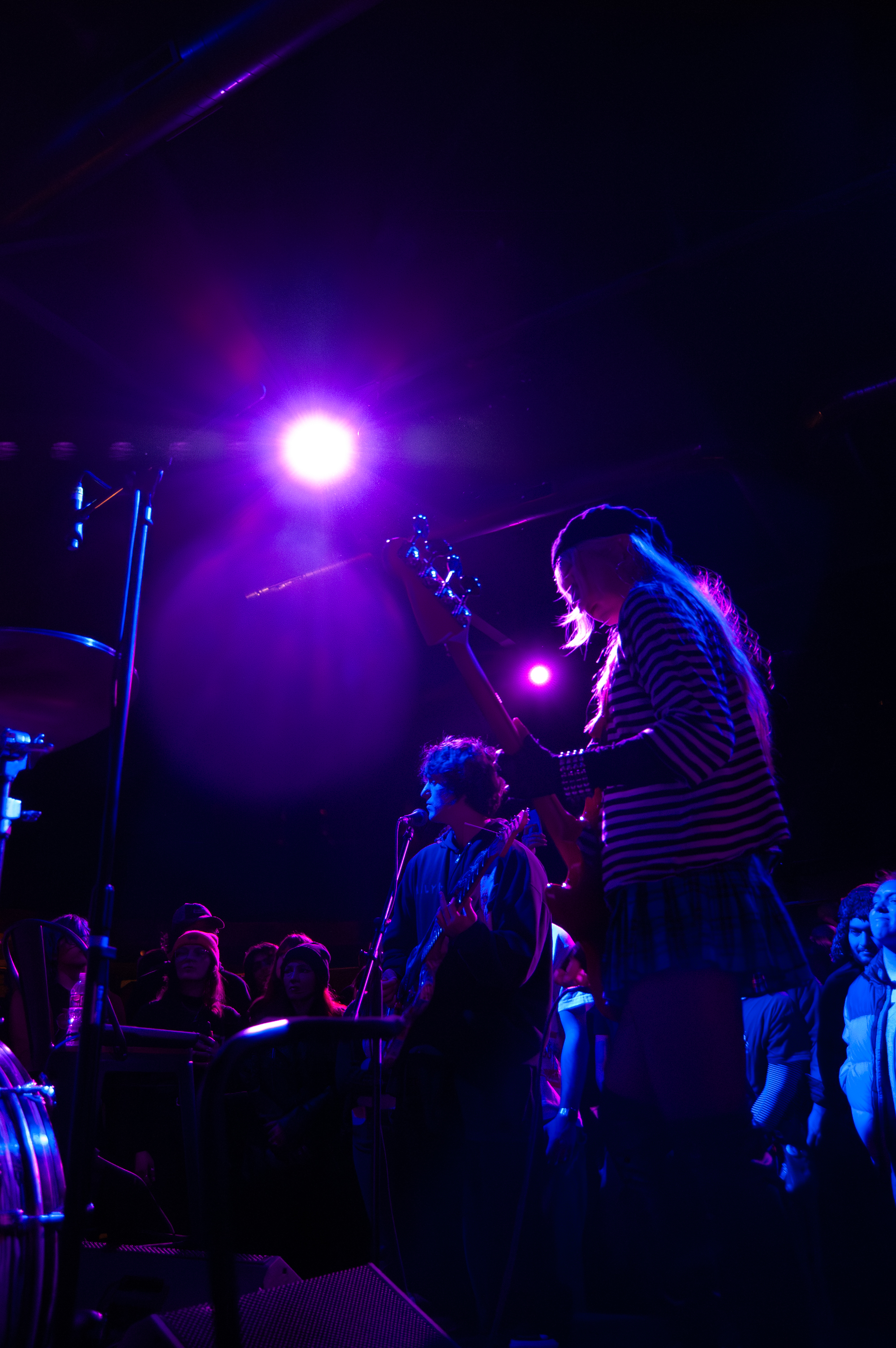
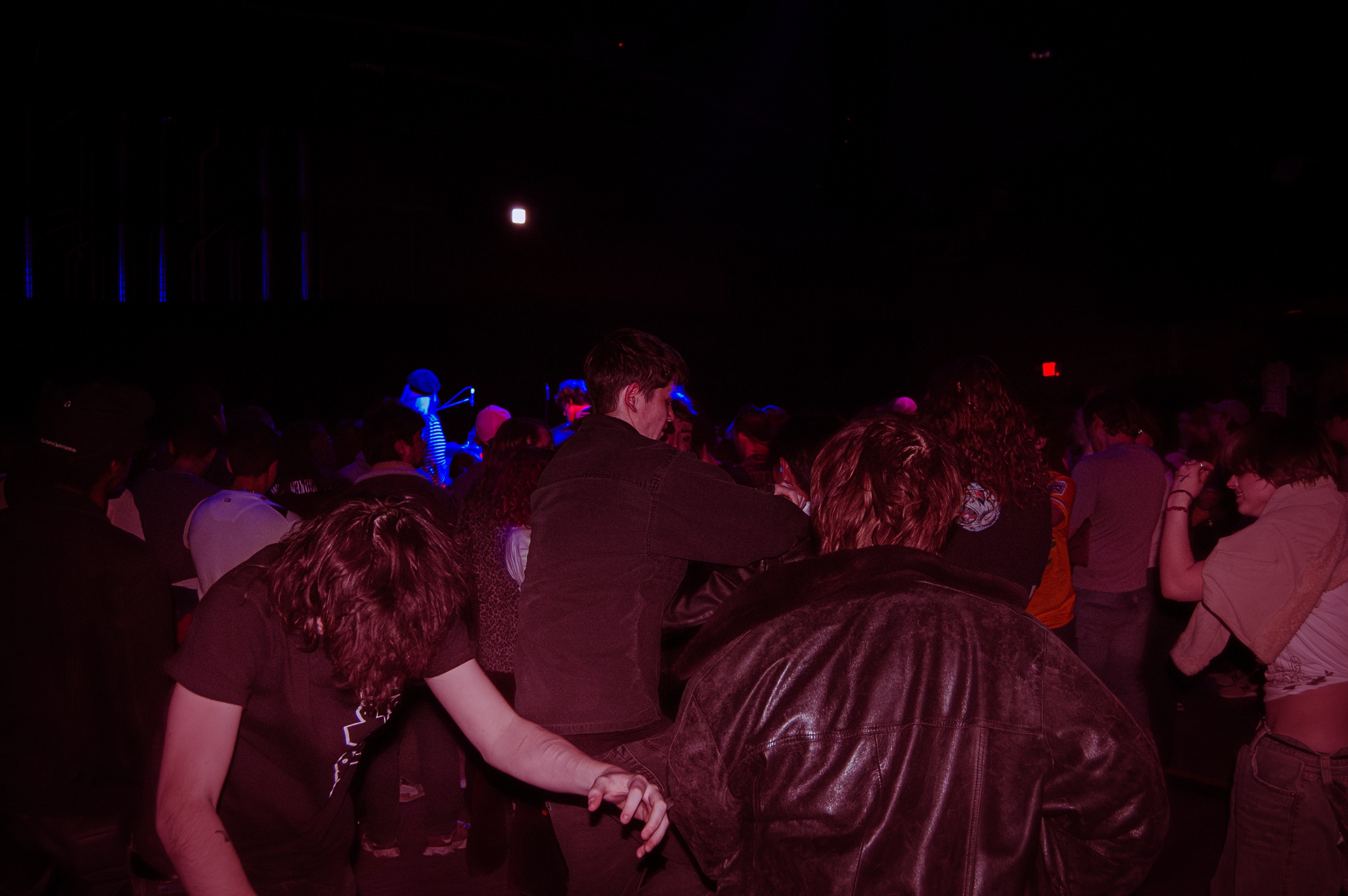
One difference from their performance a year ago was their control over the physical layout of the space. When I first stepped into this year’s venue, I was immediately faced with a smaller stage positioned at the center of the room rather than the traditional stage placement off to one of the sides. I knew I wasn’t the only one to notice this when I overheard other audience members murmuring in confusion. “Where’s the front?” one person asked. “I guess there is no front?” their friend replied.
For TAGABOW’s “LOTTO” tour this year, openers Hooky were apt for curating a mood for the audience as the crowd trickled in. Similar to TAGABOW, Hooky comes from the “Philly scene.” They are an electronic music duo made up of Scott Turner and Sam Silbert. With just electronic beats paired with guitar, they pulled everyone right in.
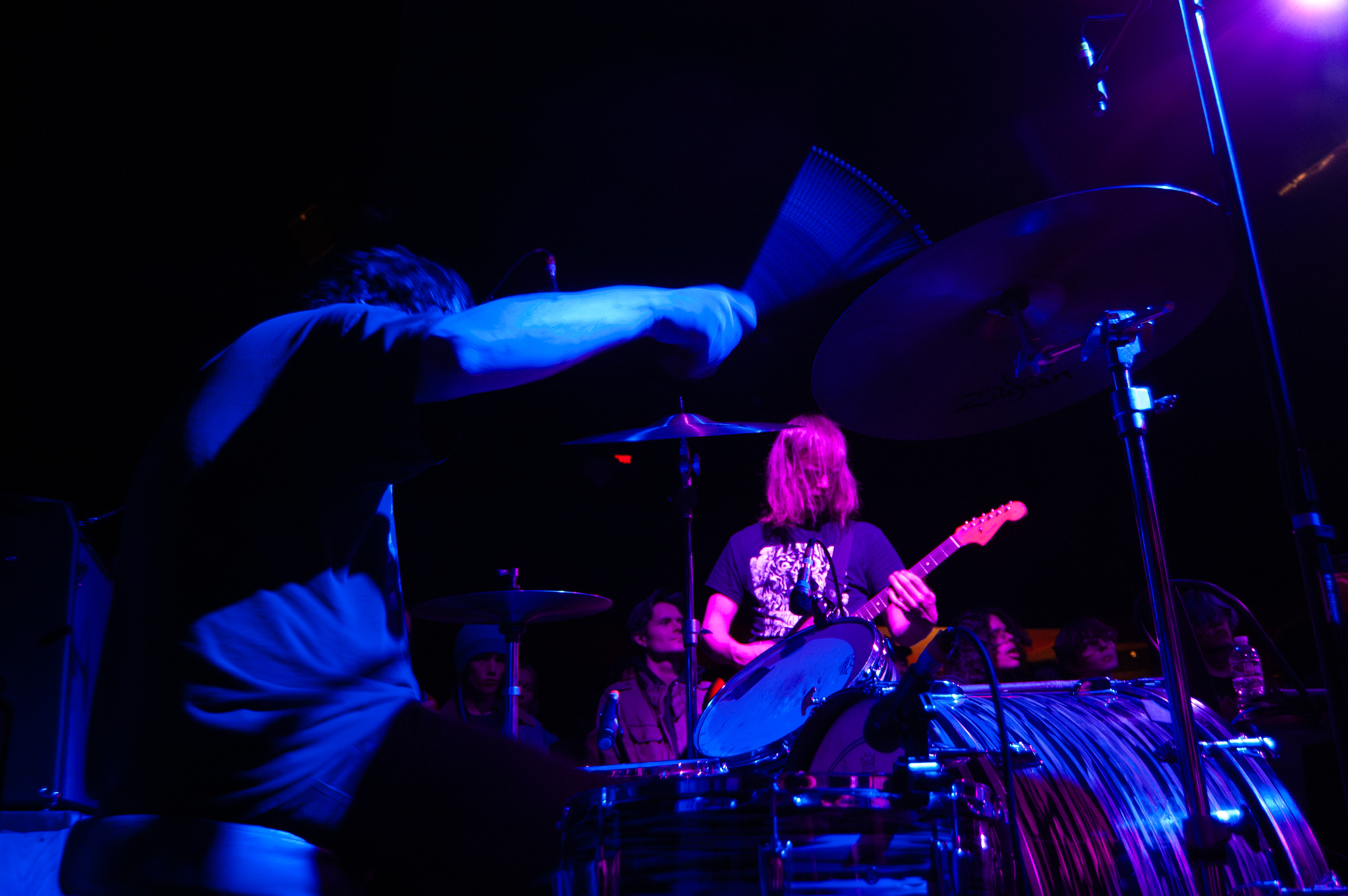
The thing to know about TAGABOW is that they actively pursue a connection with their crowds. It’s fair to assume this isn’t true, given that every show they’ve ever done, to my knowledge, has been performed with their backs to the audience. Still, there remains an eminent level of intimacy that could only be achieved through this unconventional approach. By having their backs turned, the performance feels as though you’re watching something you’re not supposed to—like spectating a group of friends practice before their “real” show.
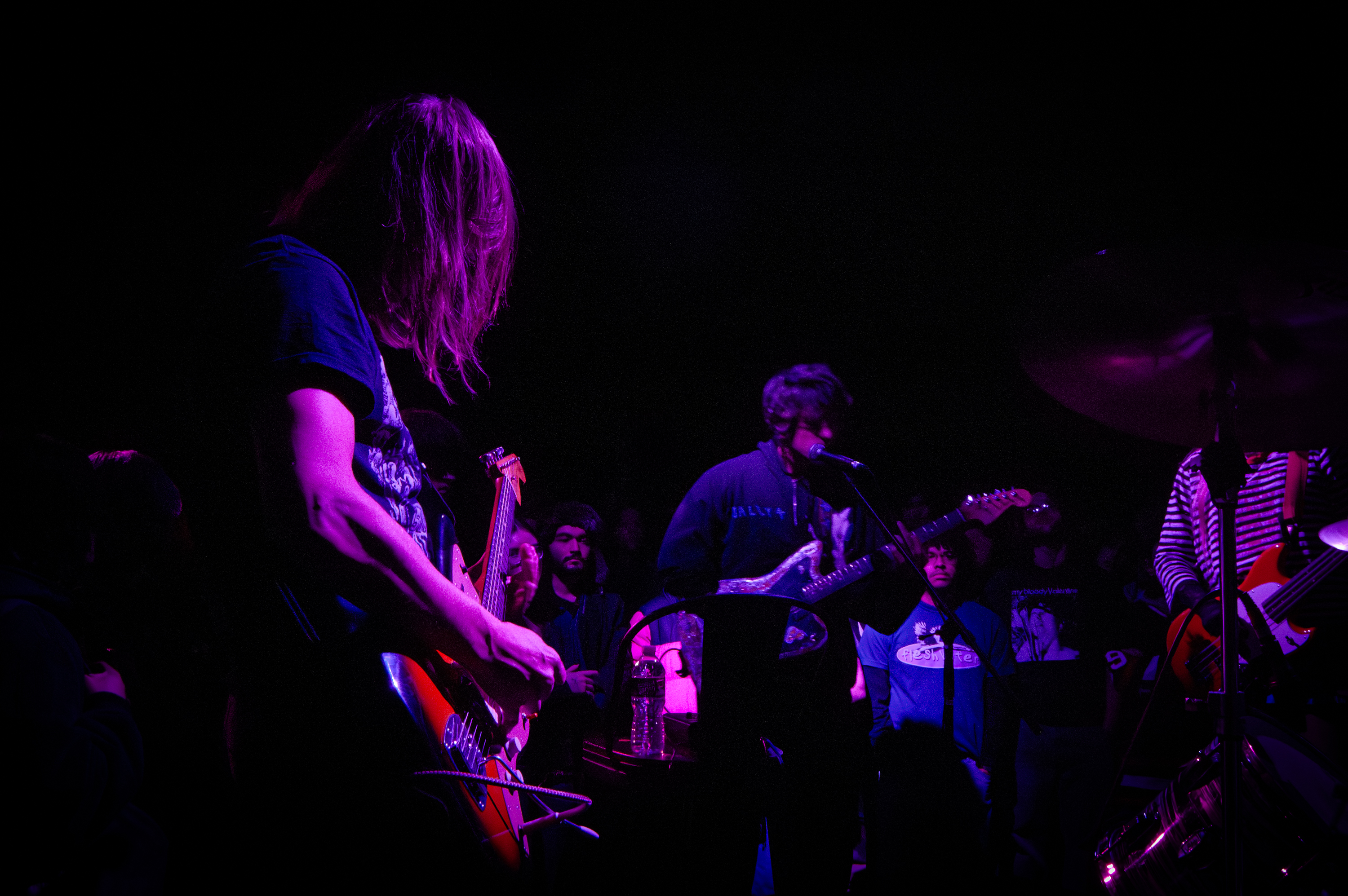
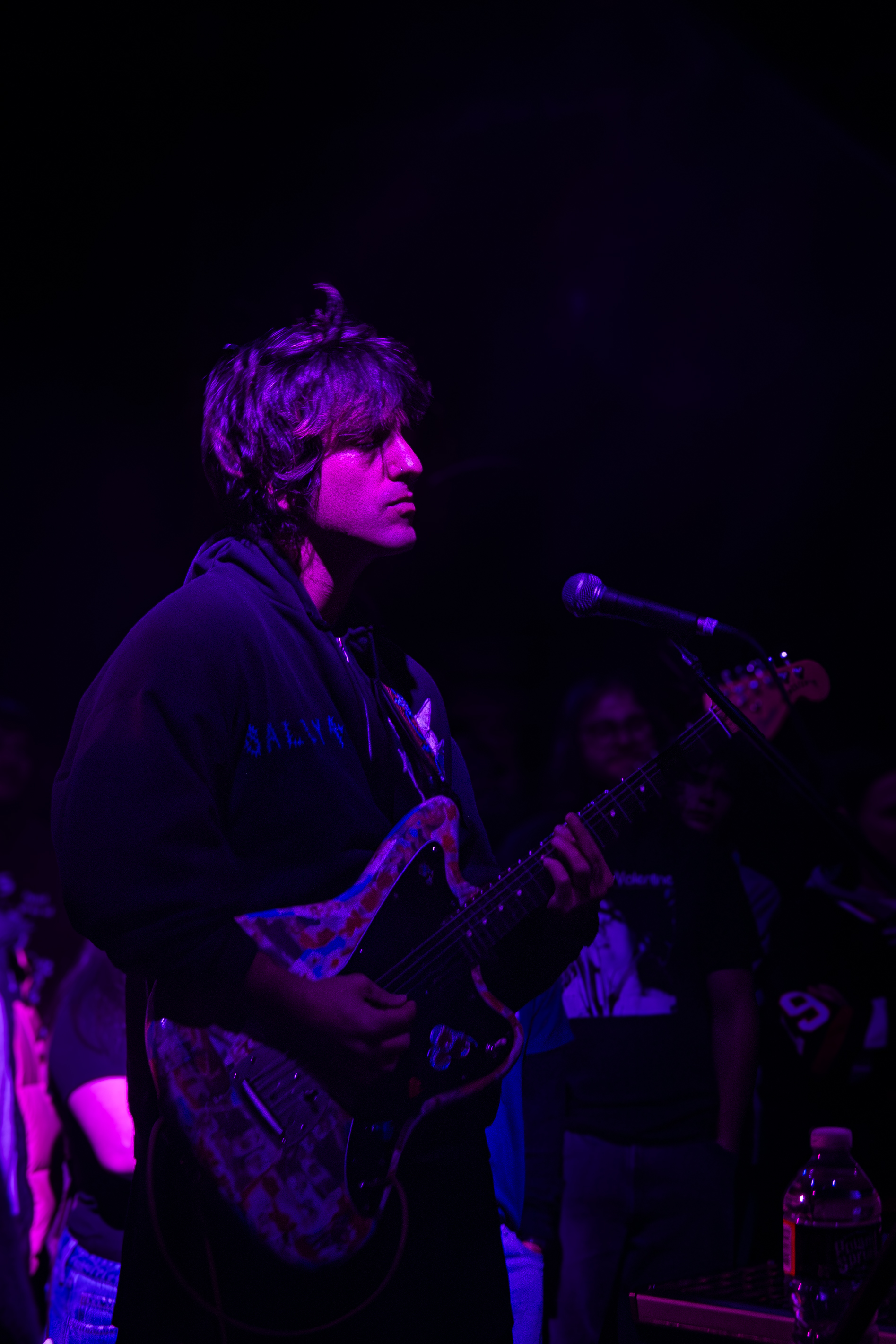
To kick off the night, TAGABOW performed a generous selection of tracks from “Destiny XL,” one of their earlier and more well-known projects. It captures their essence and brings together fans in the crowd as they move around and shake their heads to the rhythm. Observing the live reception, “Texas Instruments” is clearly a fan favorite; it is also the track that lured me into the rest of their discography. As soon as people recognized the harmony within seconds, the crowd was pulled into it. “Eightball,” another classic, came right after and kept everyone in motion. With the audience having a 360-degree view of the platform, they were able to fully engulf the performers. Doug Dulgarian, guitarist-singer and frontman of TAGABOW, encouraged the audience to use the stage placement to their advantage. “It’d be really cool if everyone ran around us in a circle, like a hurricane!” And so everyone did.
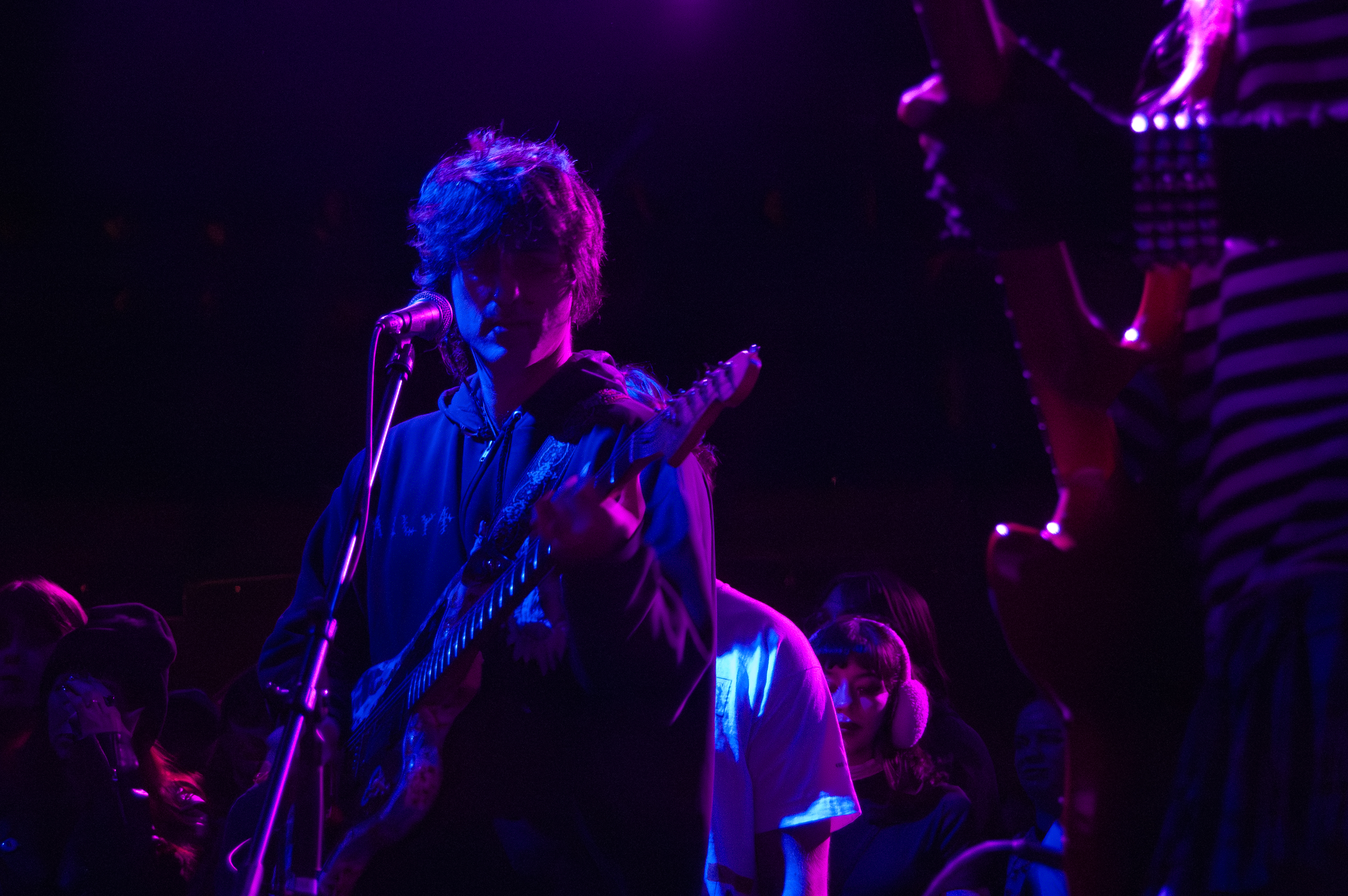
Although “LOTTO” continues to retain the band’s original sound, the group went for a far more grounded-in-realism approach on this new album when compared with their older work. This record was the unleashing of pent-up fury. It may be a bold assumption, but it feels as though this could easily be years on years of anger that have existed within each member, and especially Dulgarian as the main vocalist. Watching Dulgarian sing as he grazed the microphone’s body, it was like witnessing a tender exchange between him and a whole other entity. All of TAGABOW’s work explores all kinds of emotions, but this album was unlike the others. It was the culmination of lifelong rage, and they were finally ready to express it. This concert was a live exhibition of those personal, gritty splatters.
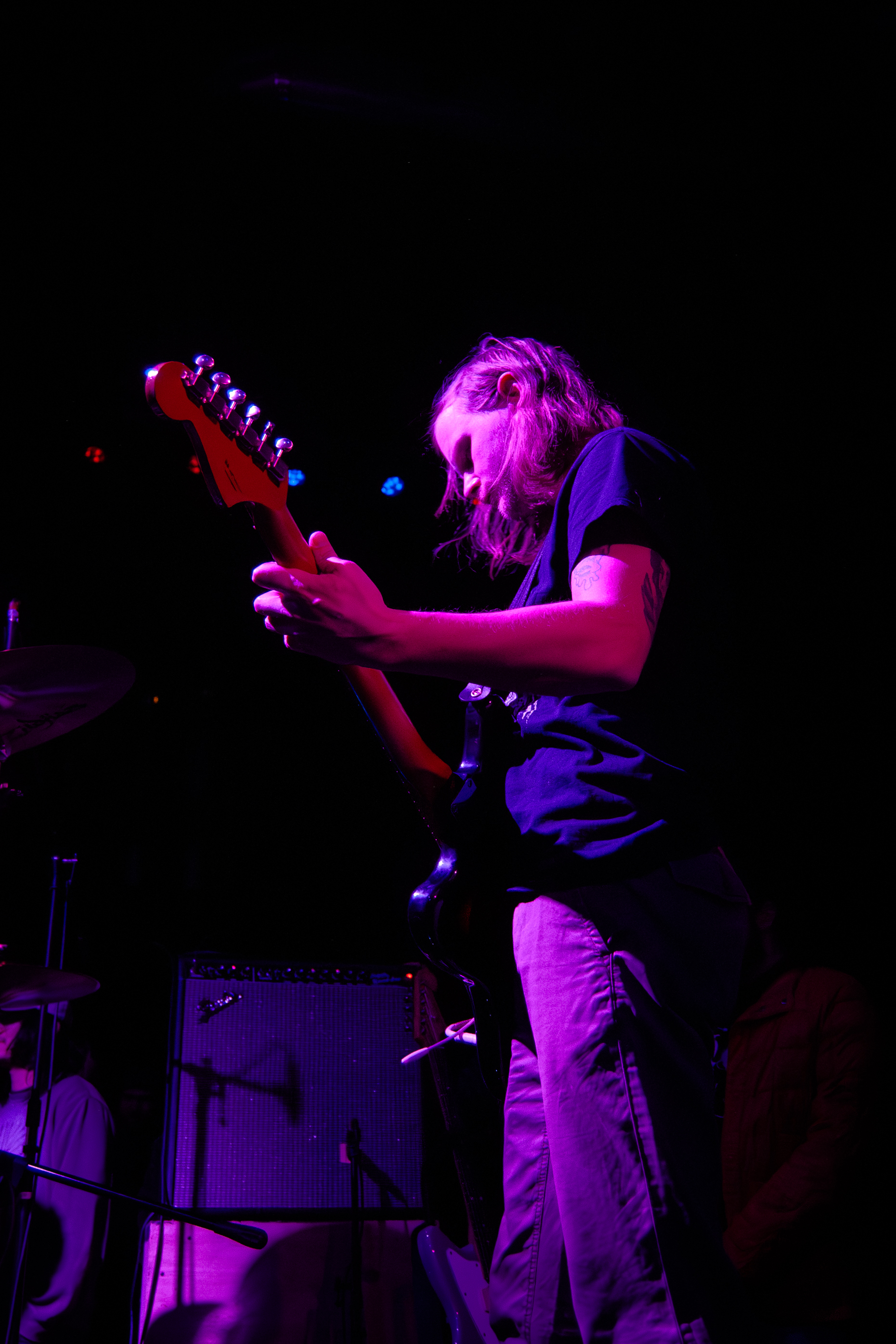
These splatters were thrown into the crowd not just with the auditory experience, but also with the visuals. At times, the band took a few minutes while transitioning from one song to another, depending on the need for guitar or bass re-tuning or instrument switches. During these short intermissions, lighting was usually reset to a bluish white. Once they were set, primary colors shimmered around the room in a circular motion, eventually expanding the color selection into a variation of hues. This all led to the creation of a breathing painting, including these colors, the crowd, and TAGABOW at the center of the universe, which was forming inside that room.
Once the show came to an end, my innermost feelings of displeasure were alleviated, and I felt inspired. This show won’t leave my mind for a while—at least not until TAGABOW makes another return for Boston.