James Marriott @ Middle East Downstairs 9/20
Photography by Kat Harmon
Review by Kat Harmon
James Marriott’s new album “Don’t Tell the Dog” is, in his words, about a “departure from youth,” and, as I weave through a line that’s at least 40% chaperone as a college senior, I guess I’m worrying about youth’s departure, too. But the crowd is stoked, the Middle East Downstairs is packed, and if the growing smiles of the parents in the back of the house are any indication, this isn’t the type of show you’re “too old” for.

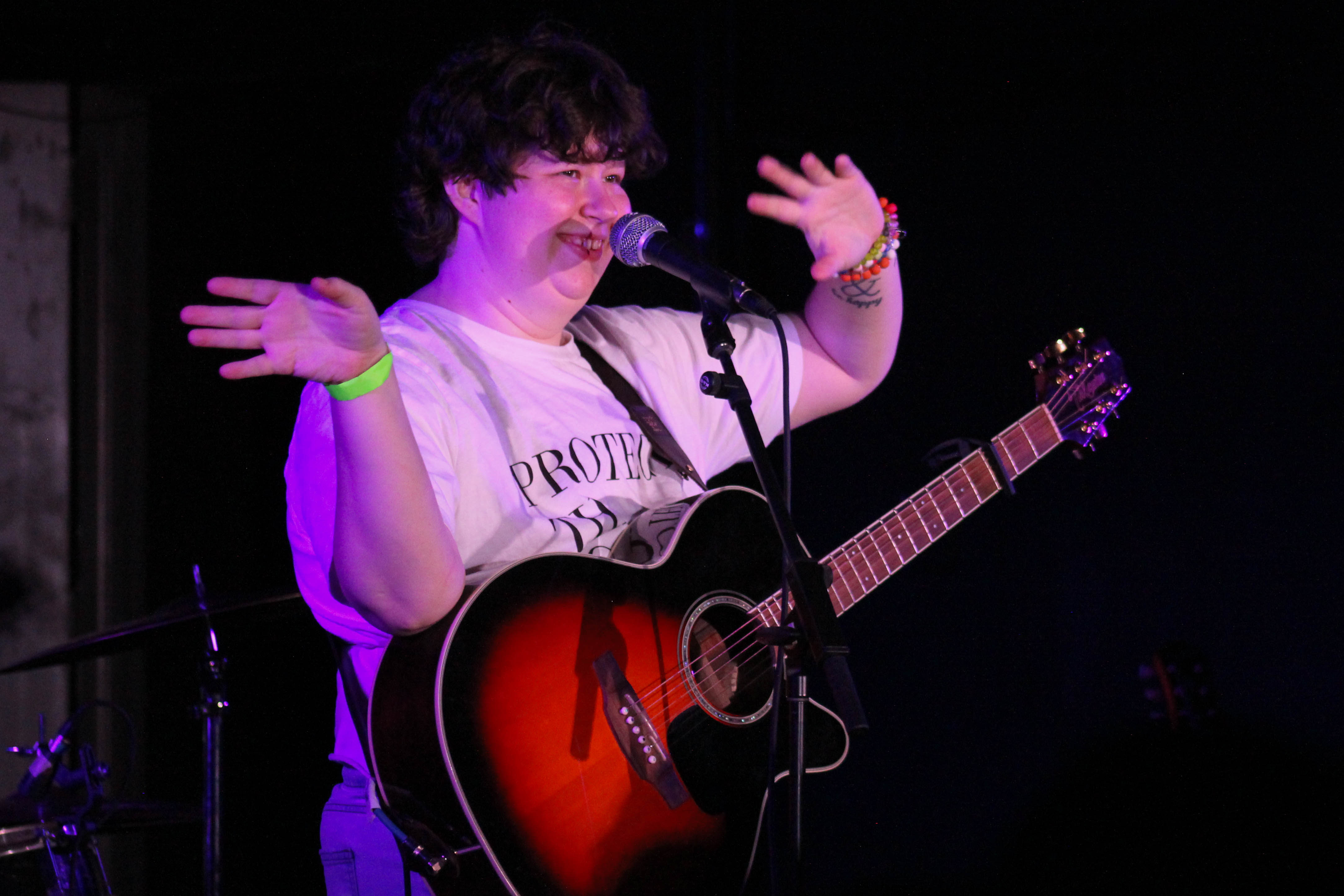
The first opener is Simon Robert French, a hometown solo artist armed with an acoustic guitar and an excited grin. His cover of Marriott’s song “Limbs” on Instagram earned him both a repost on Marriott’s Story and a spot on the Boston show lineup. French tells the crowd that this is their biggest venue show yet, but if they’re nervous, it doesn’t show. French opens up about their experience as a trans person and expresses gratitude to Marriott, introducing multiple songs written in direct response to Marriott’s. They laugh with the crowd like a natural, croon their songs unwaveringly, and even hands out friendship bracelets after the show.
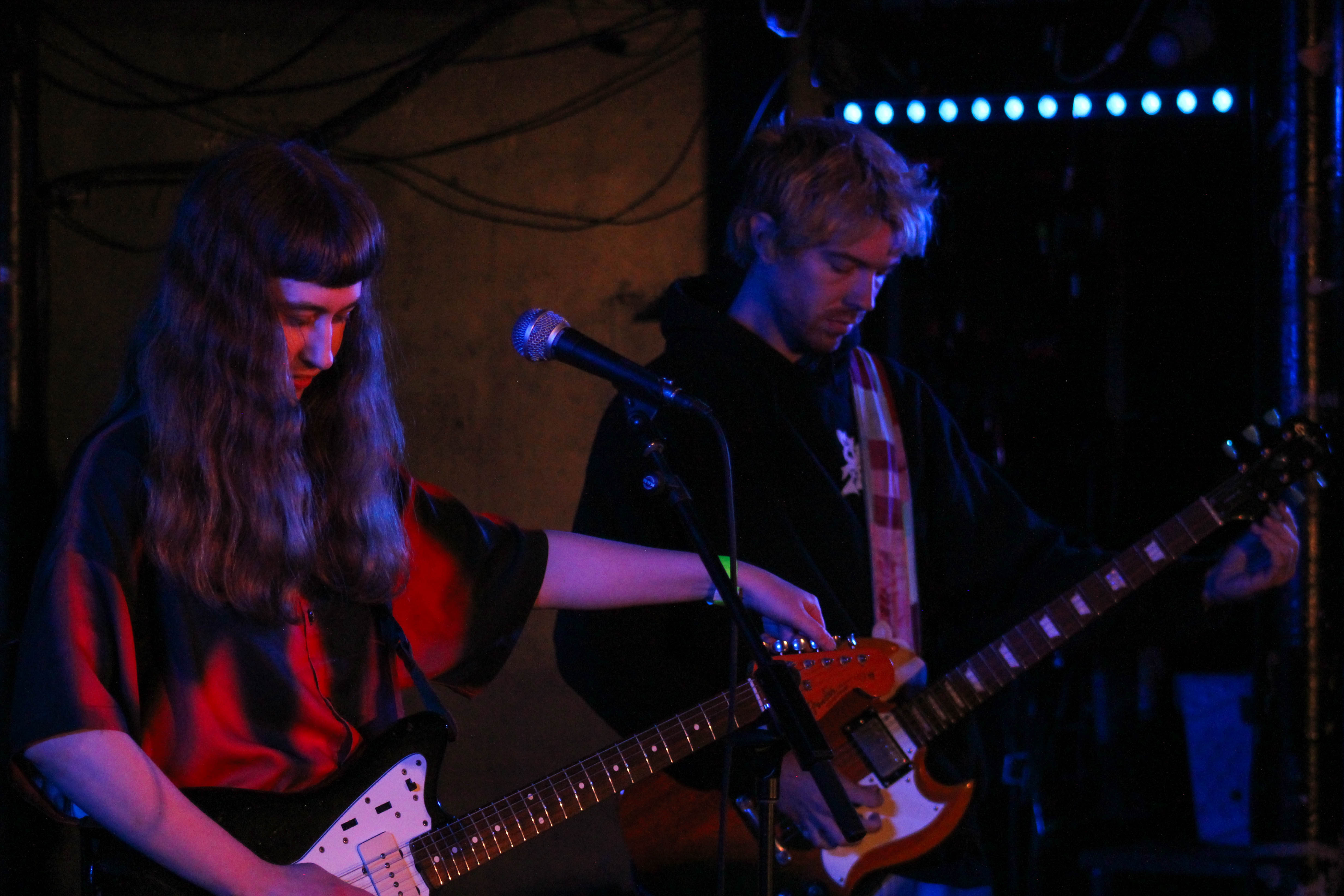
Next up is Poise, Lucie Murphy’s stage name. Murphy is accompanied by Jack Henry, Pictoria Vark, and Red PK, all of whom work on stage in seamless harmony and captivate the crowd with a shoegaze-y punk sound. The band shares confused but excited looks as the crowd starts to “frat flick” at them. “What is that gesture?” Murphy asks with a giggle. “Is that good?” It’s definitely a good thing—the band has the star power of an opening act, and the decibels to prove it.
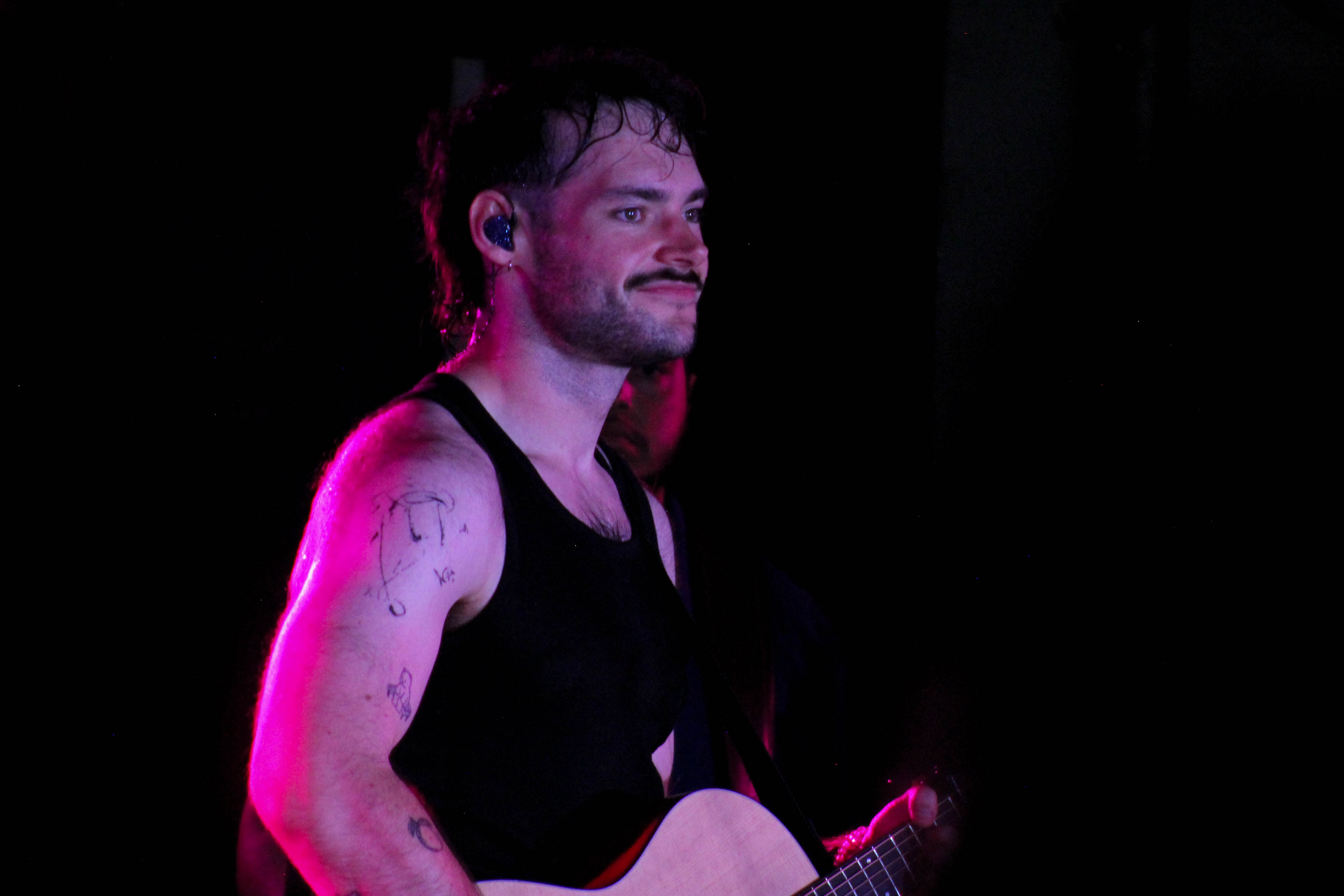
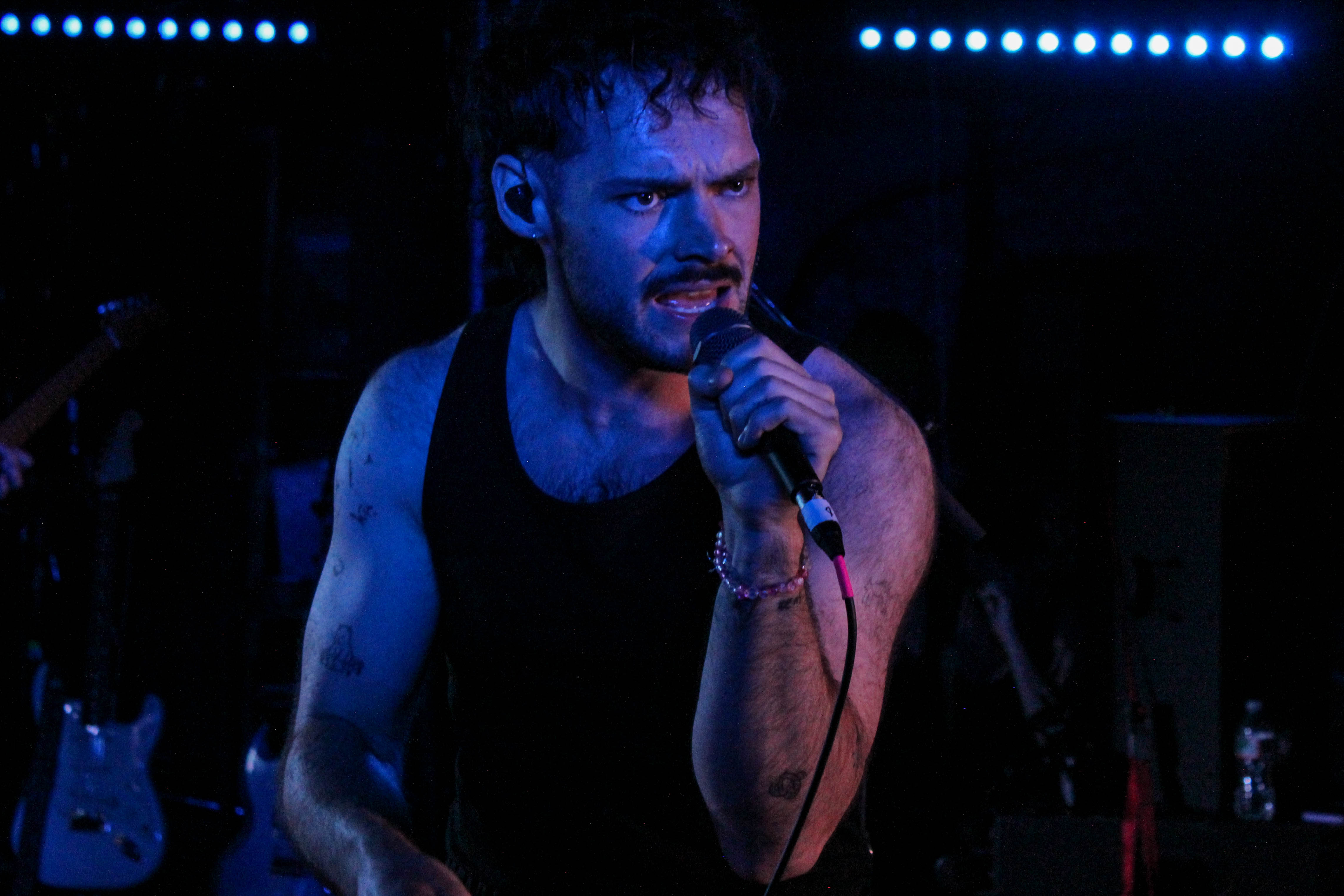
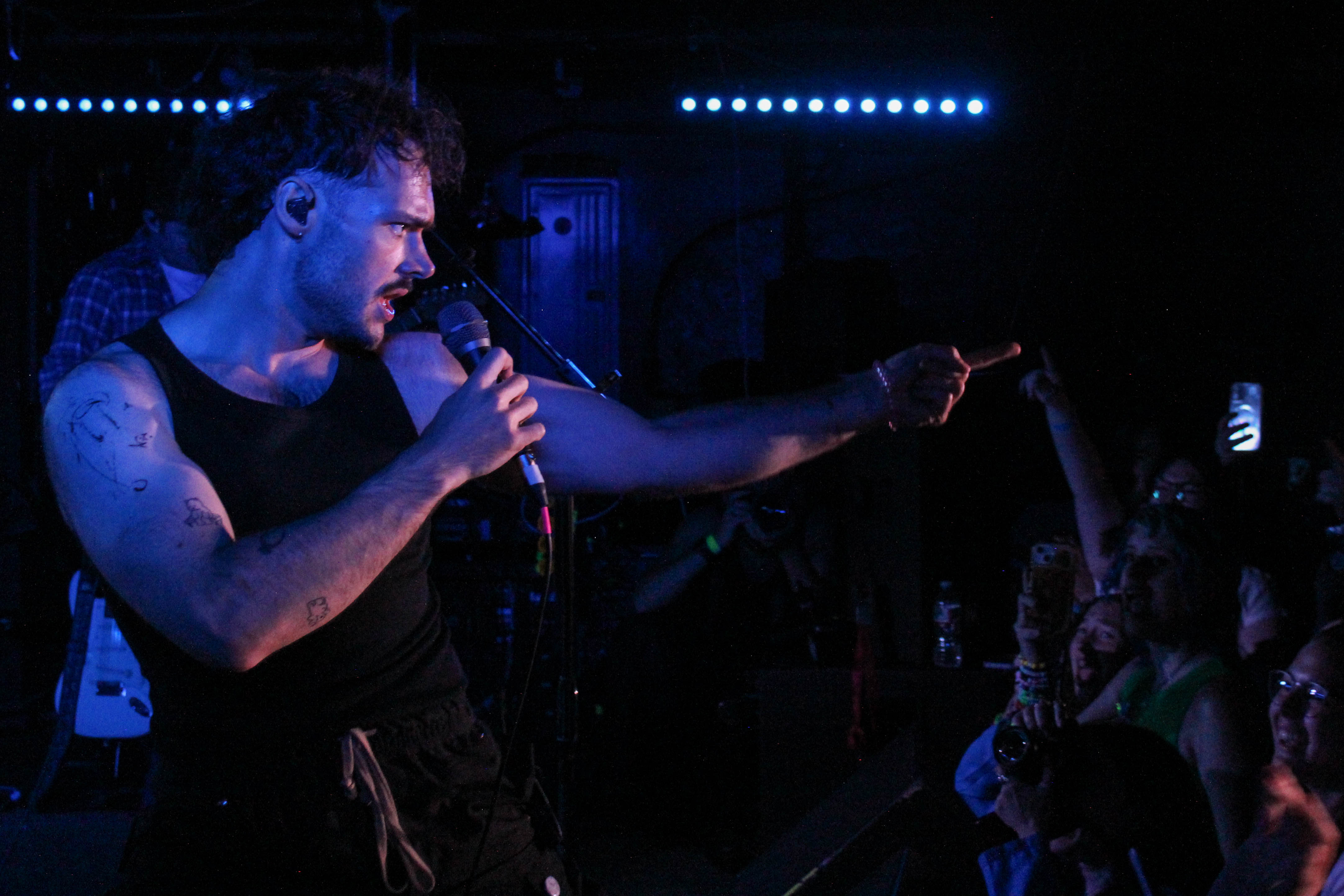
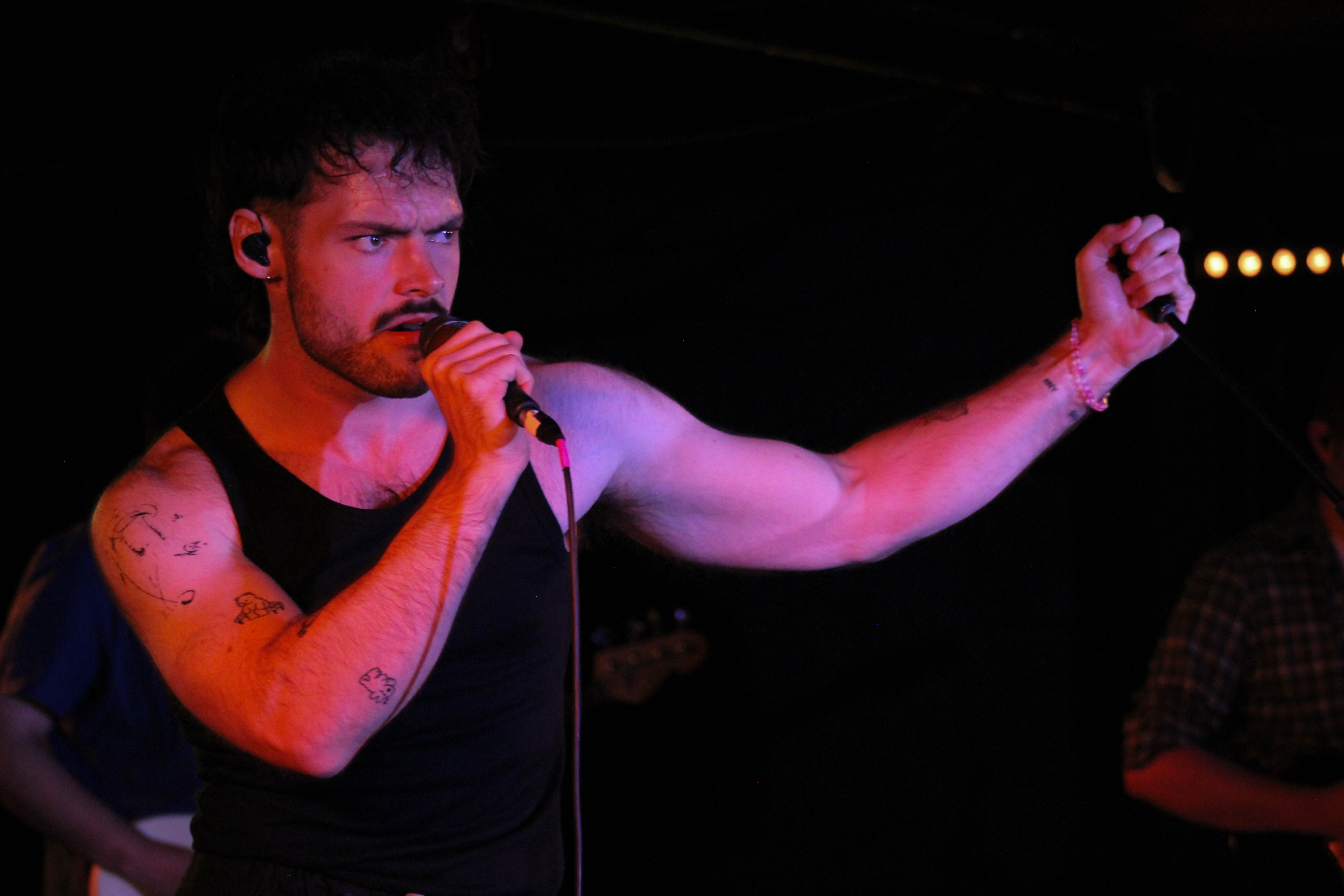
The crowd is still reeling from Poise when the house lights dim and Marriott—rather, the shadow of Marriott—comes on stage. He opens with “Ventriloquist,” the first song off his new album, as the lights strobe behind him. The song builds into a choral beat drop and the lights silhouette Marriott from behind—only then does the crowd get to see him. Foot kicked up onto a speaker and arms outstretched, Marriott immediately commands the stage. He catapults into his second song in a perfect one-two punch, Marriott’s grand gestures and determined paces across the stage call the audience to attention as he whips from the mournful “Ventriloquist” to the angry snap of “Something’s Wrong.” His masterful stage presence shouldn’t surprise me. James Marriott is, above all things, an entertainer.
Marriott is the sort of artist that never fails to fascinate me—an influencer starting (and for Marriott, succeeding at) an offline music career. The British artist started posting videos on YouTube in 2020 and currently boasts 2 million subscribers. Marriott’s most recent album debuted at No. 1 on the U.K. charts, surprising critics by besting releases from Oasis and Sabrina Carpenter. His tour is almost entirely sold out, and he gets some of the best energy from a crowd that I’ve seen at a Boston show—all equally difficult feats to accomplish.
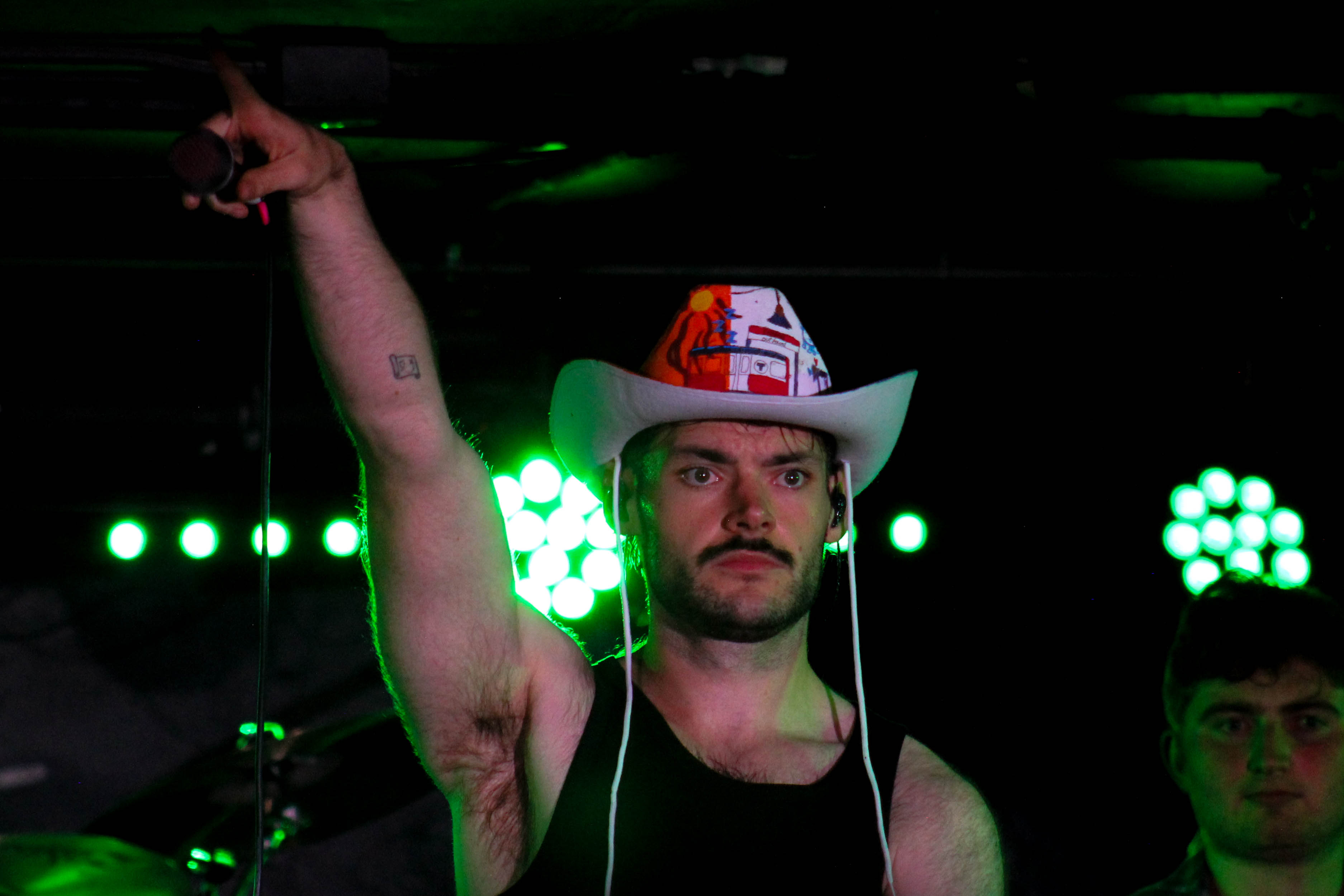
Marriott’s entertainment background bleeds into his performance. He knows when to stop to talk, when to keep rolling, and when to give the crowd prompts on how to interact. The latter is the most polished—he tells the crowd to hold hands with a friend during a song about friendship or light their phone flashlights during a sad song. The crowd listens diligently and complies, something that seems to surprise even Marriott: “Was someone harmonizing just now?” he laughs in disbelief. It’s when Marriott lets himself loose like that, laughing with the crowd or showing them his on-stage green tea—“like a real fuckin’ rockstar”—when his real off-script allure as a performer comes out. Despite the crowd’s antics and his prods for engagement, Marriott puts the music first. He’s in another world while he performs, and the crowd is right there with him, singing along to every word.
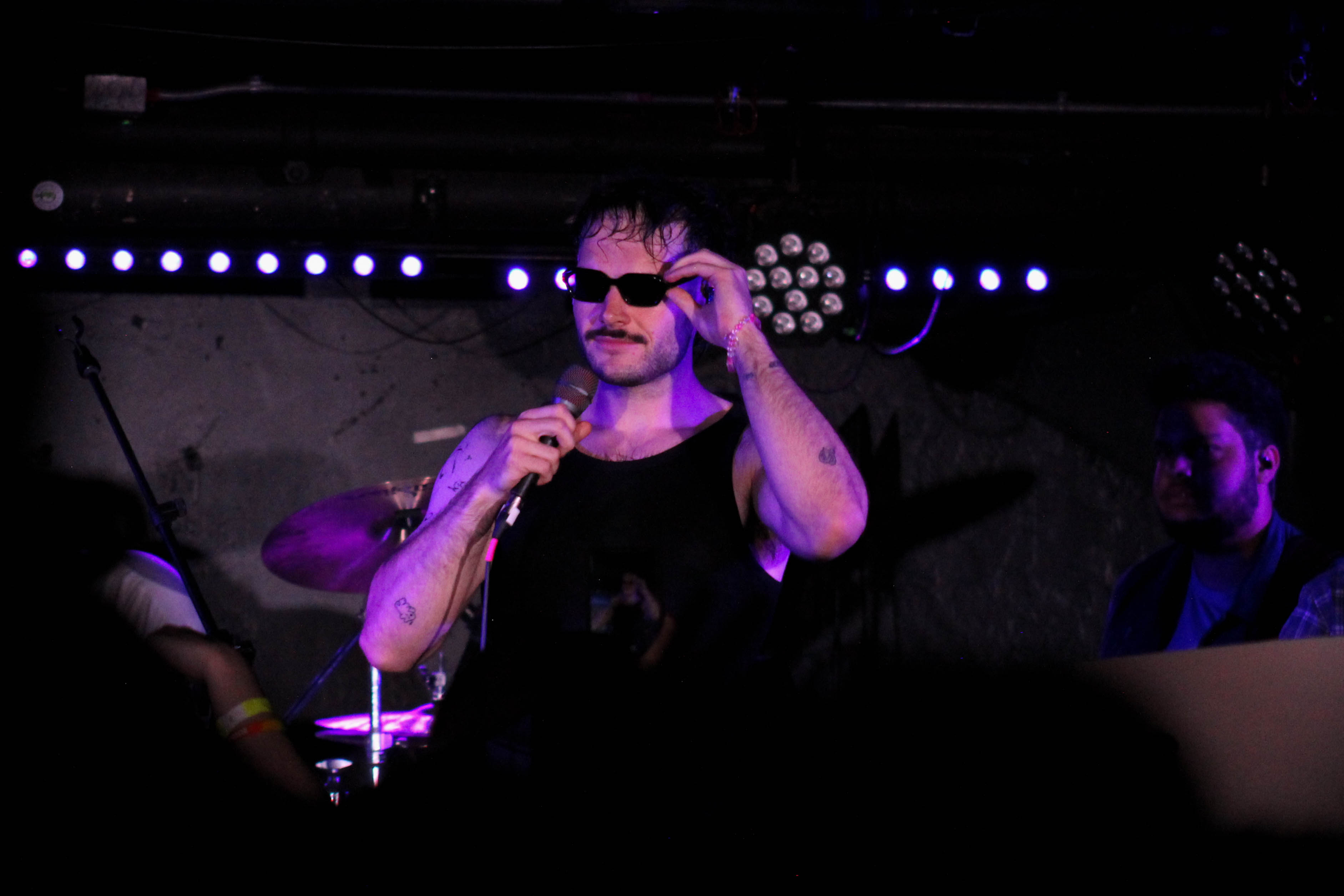
Marriott ends the night with “Grapes,” donning a pair of sunglasses and a fan-made cowboy hat. The energy of the crowd hits an ear-shattering peak. But at the end of the song, James Marriott drops the mic and is gone, slipping back into the green room. The band scurries after as the crowd cheers, waiting for the encore. But there is no encore. The house lights raise and the road crew starts packing up. The crowd, including me, stays still for a moment, a little confused and still wired. But eventually, people start to shuffle out, and even the line of fans clutching the barricade start to pry themselves away. The night has ended, like, I suppose, how Marriott describes youth’s end in his new album—in a mic drop at 11 p.m., like the rip of a Band-Aid or an unceremonious snap once the house lights turn on.