Review: Butcher Brown @ Brighton Music Hall 4/2
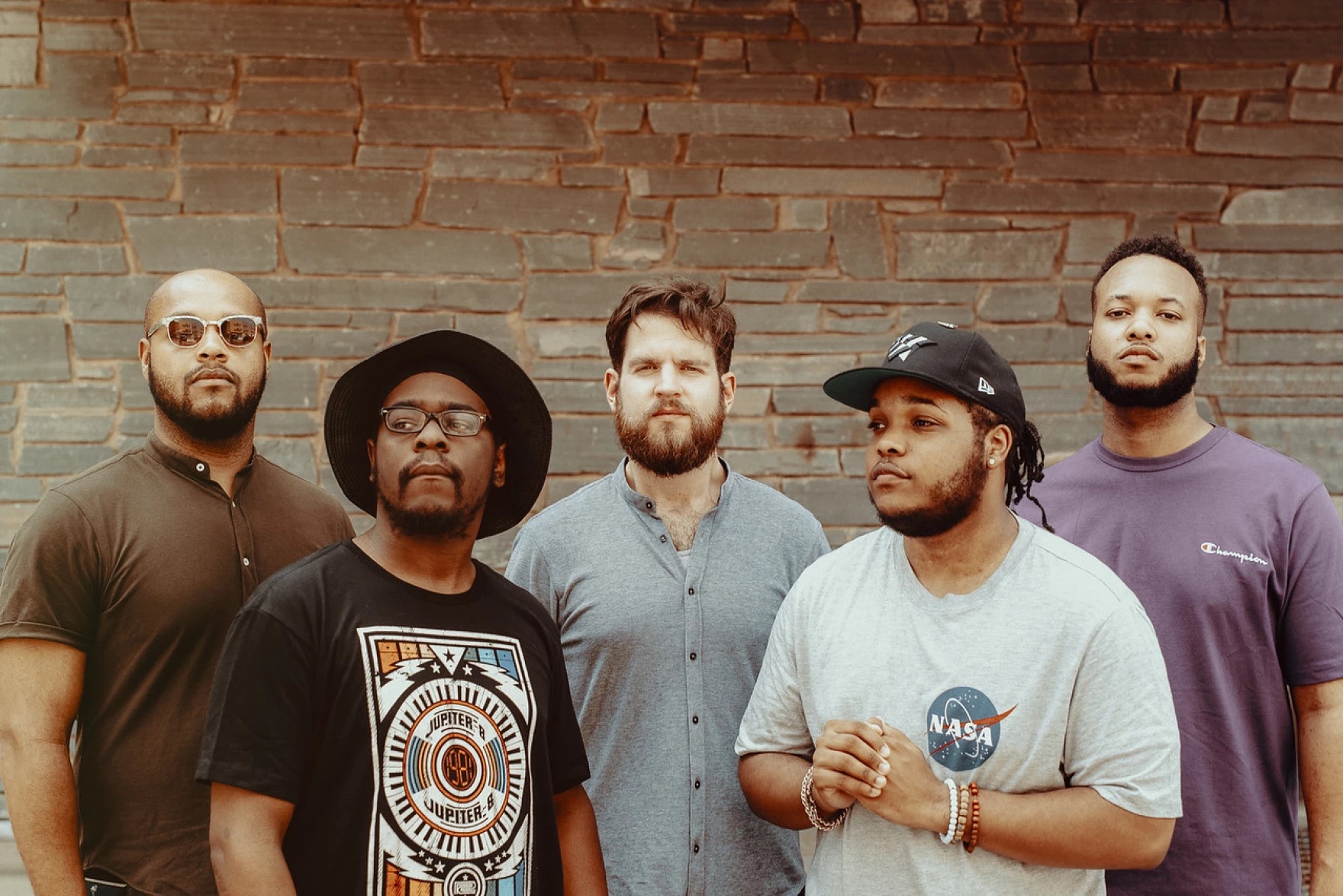
Photo credits: Courtesy of artist
Review by: Jacob Risch
Ever since Butcher Brown came on the scene in 2009, they’ve been pushing the boundaries of modern jazz. Although their music is clearly inspired by 70s fusion and R&B, it never sounds stale or cliche. Their discography (spanning nine studio albums) is stacked with innovative, accessible jazz fusion. Coming off of the release of their latest album, “Letters from the Atlantic,” they took to Brighton Music Hall. I was curious to see how they translated this deep house-influenced album to a live stage. I got to the venue early and was pleasantly surprised to see members of the band out and about, meeting fans and grabbing drinks at the bar. Bassist Andrew Randazzo certainly would’ve won our game of pool had he not pocketed the 8-ball last second. The intimate crowd buzzed with excitement as the opening act took the stage.
Virginia-based rapper McKinley Dixon warmed the crowd up for Butcher Brown with his intense, conscious hip-hop flows set to heavy boom-bap beats. Although I thought his music came across a little abrasive in a live setting, he brought energy to the stage. After listening to his recorded music, I realized that he was a great choice for an opening act. His music is jazzy, energetic, inspired, and worth a listen.
As 9:00 p.m. rolled around, Butcher Brown took the stage and immediately found their flow. They jumped right into a 15-minute jam that was somewhere between ‘70s Miles Davis, The Meters, and D’Angelo. Their expertise and collective experience shone through as they bucked all expectations of genre and form and expertly weaved one vibe with another without missing a beat. The pocket was deep, the mixing was perfect, the energy was immaculate. One of the best parts of Brighton Music Hall is its intimacy and the crowd energy. Although the concert was small, maybe 150 people, the crowd was lively and jovial. Each solo was met with well-deserved hooting, hollering, and raucous applause.
The intro number came to a close, and saxophone/trumpet player Marcus Tenney grabbed the mic to introduce the band. Tenney is the perfect horn player for Butcher Brown. His accompaniments were subtle, they fit the groove without being overstated. His solos, on the other hand, blew the roof of the place. Behind the drum set was Corey Fonville. His propulsive beats kept better time than my watch. He may have received less time in the spotlight than his bandmates, but Fonville is clearly the nexus of the operation. He laid the foundation for Butcher Brown’s masterful performance. On bass guitar was Andrew Randazzo. His playing was tasteful and his interplay with Fonville and guitarist Morgan Burrs highlighted Butcher Brown’s tight nit nature. With over 15 years together, Butcher Brown shifts seamlessly between one groove-producing unit and a collective of highly talented individuals, each making their own sound. Burrs was fantastic in his own right. Blending elements of D’Angelo and Wes Montgomery, he moved from dreamy neo-soul accompaniment to face-melting, overdriven fusion in the blink of an eye. On keys was a guest, the legendary Nigel Hall. He certainly doesn’t need an introduction, but for those unaware, Hall is one of the preeminent key players in the modern jazz, R&B, and gospel music scenes. Unsurprisingly, his style fits perfectly with the blend of styles Butcher Brown is trying to produce. Despite his fame, he held the band in high regard, calling them “the 8th wonder of the world.” Joining the band was legendary trumpeter Nicholas Payton. Recently named the head of the Berklee brass department, Payton featured on Montrose Forest, one of the singles off of “Letters from the Atlantic,” where he brought his signature post-bop sound to Butcher Brown’s groove. He brought that same energy to the live performance, conjuring memories of CTI-era Freddie Hubbard.
This band was a treat to watch from beginning to end. Whether it was their extended jams or their encore performance of Steely Dan’s Black Cow, Butcher Brown knows how to put on a show. With the recent proliferation of jazz-house and modern jazz as a whole, I’m surprised that Butcher Brown isn’t getting more attention. I could easily see them filling a venue like Paradise Rock Club or Roadrunner. Regardless of where they play next, I’ll be there.