April 2026 Newsletter
Stories from a Warming World, a continuation of projects, and a podcast.
Putting Media To Work for the People
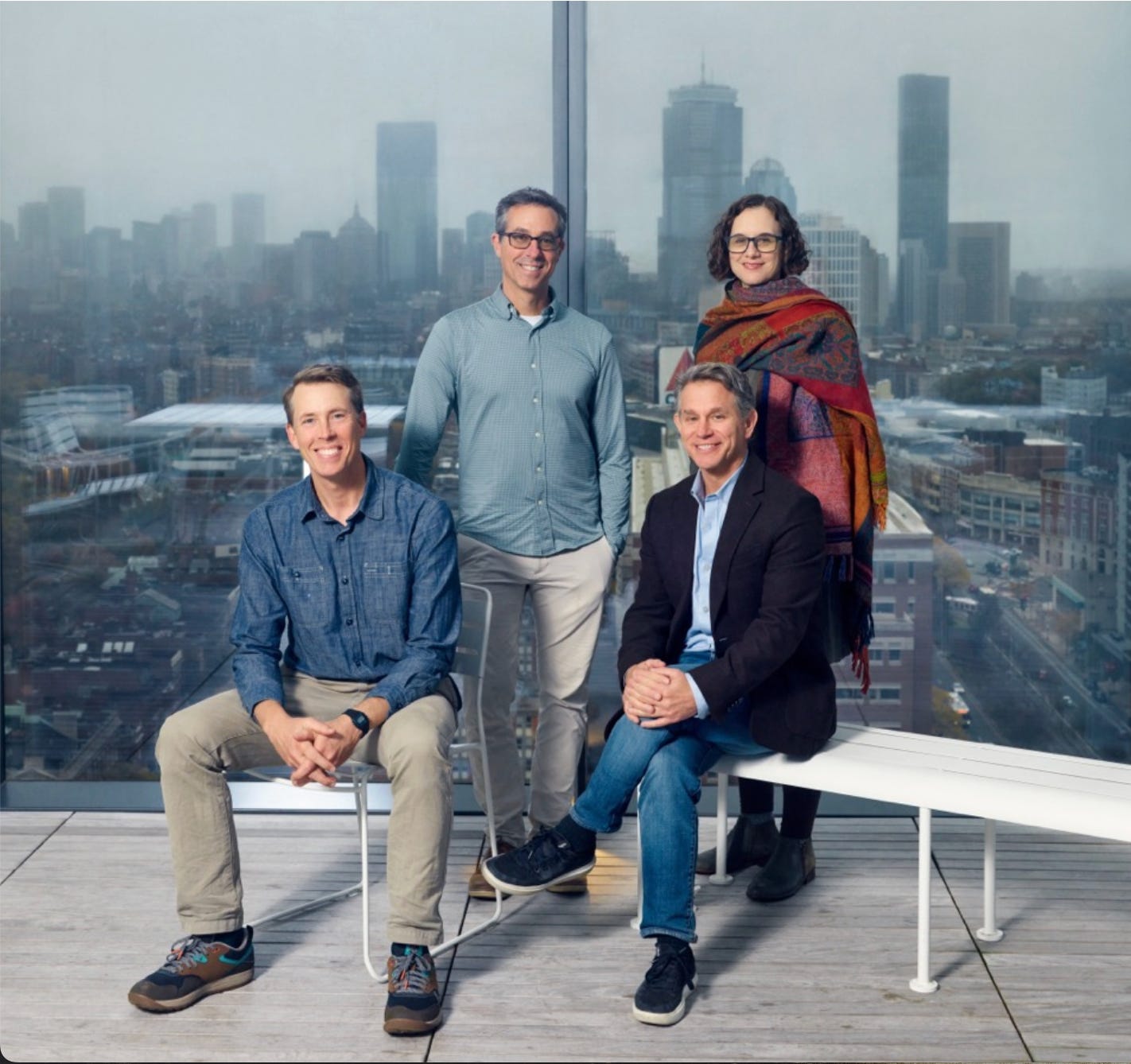
Read the new feature about our center! Entitled “Putting Media to Work for the People,” the article from COM’s most recent alumni magazine chronicles our beginnings (mere months ago) while hinting at all the wonderful things to come.
Stories from a Warming World
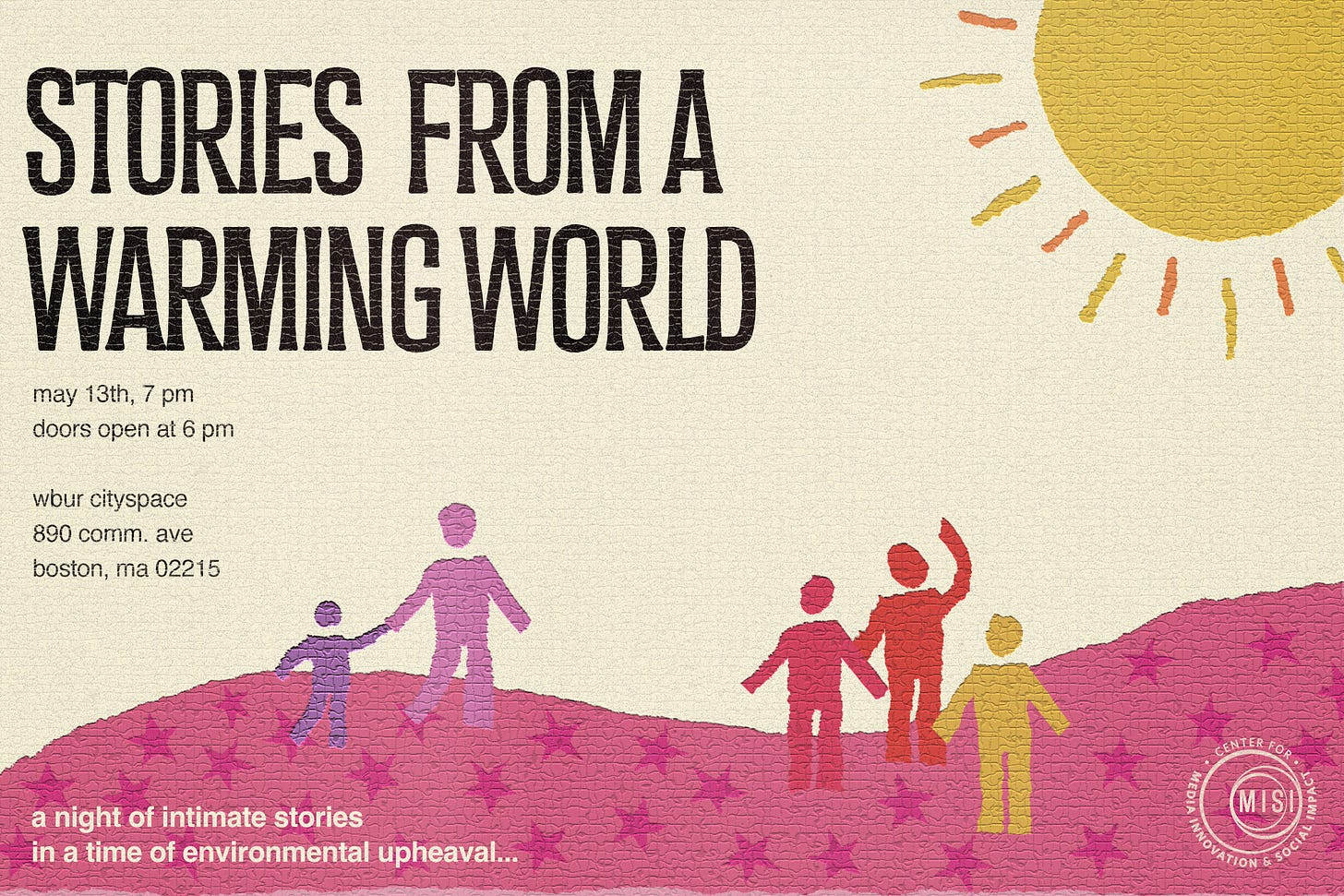
Join us at WBUR’s CitySpace for Stories from a Warming World. The event will feature eight members of the MISI community who will share personal stories about climate and perseverance. These storytellers will explore what it means to create and connect with others in the face of a changing climate.
Project Updates
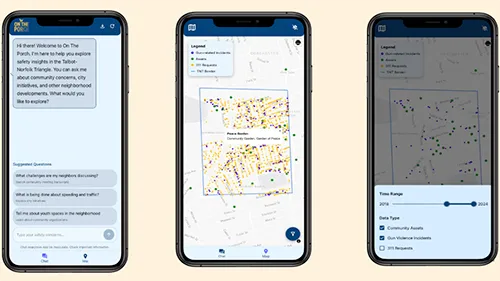
On the Porch, a community-centered AI assistant designed with Dorchester residents provides trustworthy local information to the community in a chat interface. Led by MISI director Eric Gordon, this semester we conducted workshops with local youth and community leaders to understand how they want to use the tool. Working with a student team at BU Spark!, we have expanded data sources to include the Dorchester Reporter, as well as a range of newsletters from local organizations. The chatbot now includes an administrative dashboard that enables community leaders to fine tune the model with real-time information.
We’ll be presenting the project at the upcoming Boston Area Research Initiative (BARI) conference on May 8 at Northeastern University.
The Fossil Fuel Native Advertising Observatory continues to develop. MISI fellow Michelle Amazeen, in collaboration with the University of Miami’s Climate Accountability Lab, is building a tool to expose and classify native ads sponsored by the fossil fuel industry. This semester, the team has incorporated AI to enhance accuracy and usability of the data.
The COMversation
MISI Fellow Michelle Amazeen was recently featured on the COMversation podcast, discussing her new book, Content Confusion: News Media, Native Advertising, and Policy in an Era of Disinformation.
She explores how native advertising – paid content designed to mimic news – blurs the line between journalism and promotion, making it harder for audiences to distinguish what’s real.