Our Mission
Trust between people, institutions, and the information that circulates between them, including the scientific knowledge we rely on to make collective decisions, is foundational to a functioning society. And it is in rapid decline.
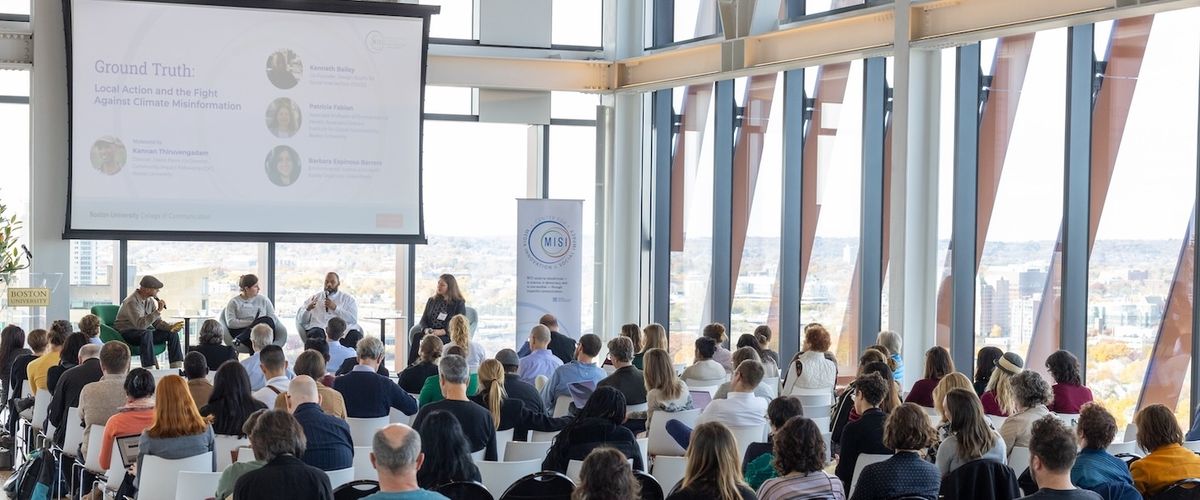
The Center for Media Innovation & Social Impact (MISI) investigates how media systems and algorithms shape democratic participation and public trust.
We examine communication in a fragmented information environment where credibility is contested and power is unevenly distributed.
Our work is grounded in collaboration with communities most affected by today’s social challenges, combining research, teaching, and experimentation to advance more just, trustworthy, and accountable forms of communication.
Our History
After a years long planning process, MISI opened its doors in 2025 in the College of Communication. Professor Eric Gordon was recruited to direct the new center in January of that year, coming from his previous role as the founding director of the Engagement Lab at Emerson College. Since 2011, the Engagement Lab was a leader in civic media and collaborative storytelling, creating games, films, and digital platforms for civic participation and community organizing. The Engagement Lab closed its doors in 2024, so when Professor Gordon was given the opportunity to start something new at BU, he jumped at the chance. MISI’s emphasis is distinct from the Engagement Lab, but the spirit of community participation and collaborative creation lives on.
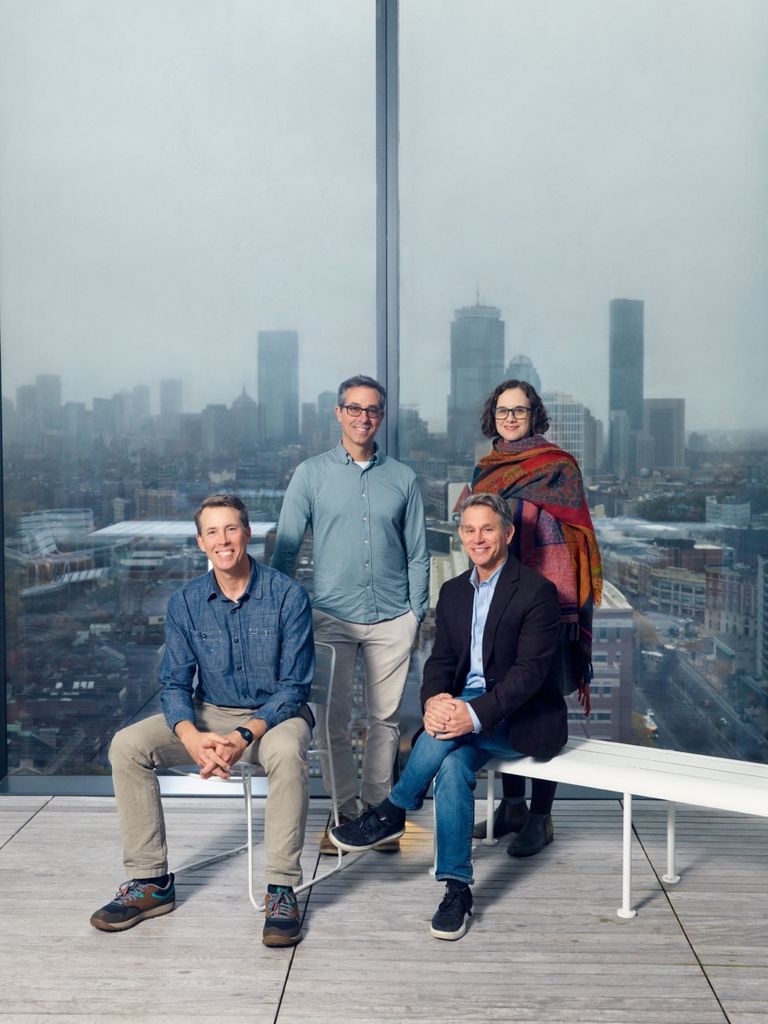
In his first official act as director, Gordon recruited three associate directors from the faculty in the College of Communication. Chris Wells came on as the associate director of research, David Abel as the associate director of creative works, and Amy Geller as the associate director of community. This core team helped to shape the center from its earliest days and ensure that research, creative production, and co-learning guided our initial strategy and growth.
We are a young center with a short history. But we are confident that there is a lot of history yet to be written. Questions of trust in science and facts are essential to every aspect of our public and civic lives. Our original research, our creative explorations, and the communities we support, will undoubtedly contribute to our collective understanding of what information and messengers are trustworthy and why.
25-26 Annual Report
