Interview: Electric Guest
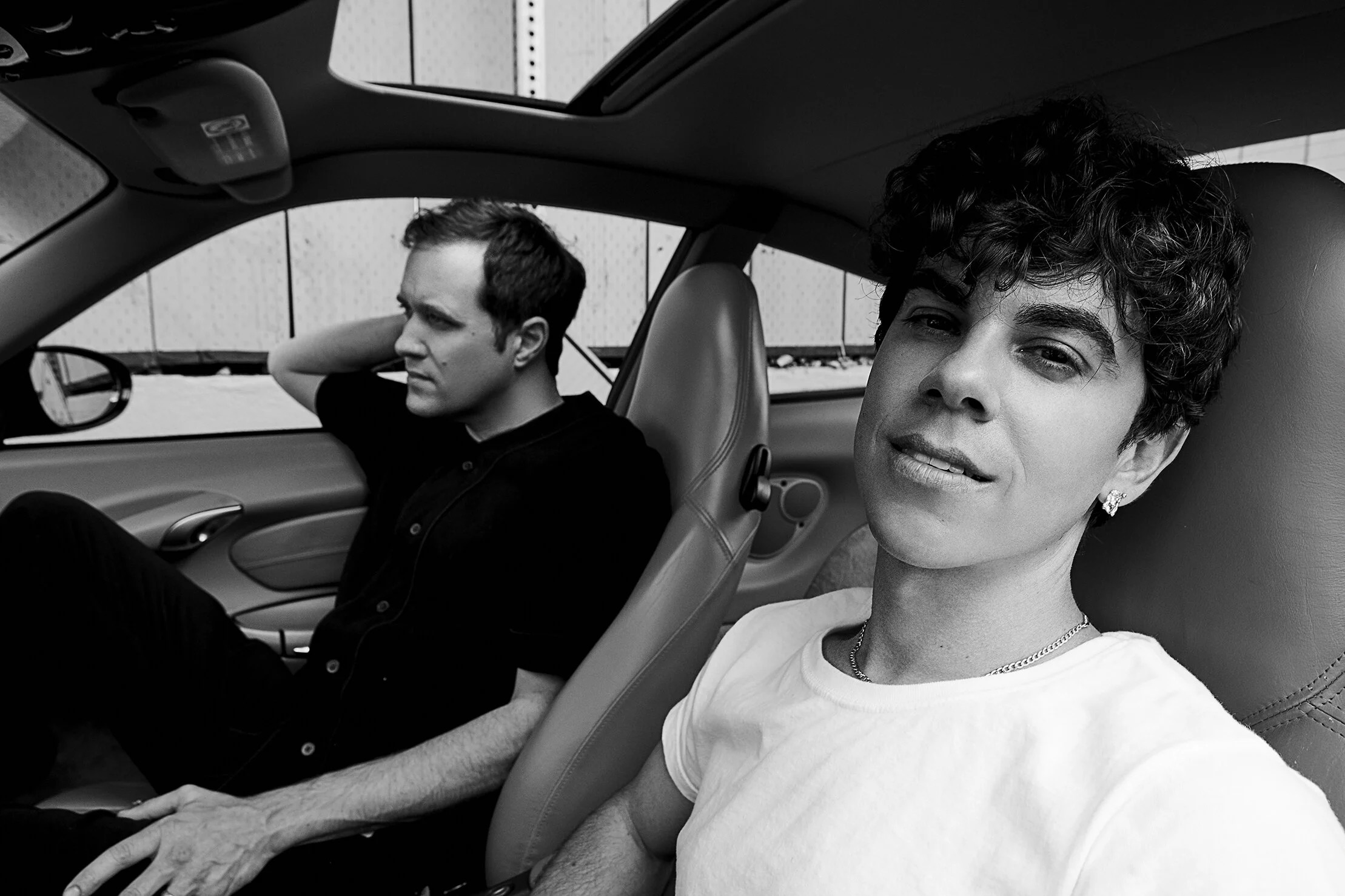
Photo Credit: Jimmy Fontaine
Interview by Cooper Formica
Following a five-year hiatus, the indie rock duo, Electric Guest, is set to return to Boston for a performance at The Sinclair on February 5th as part of the tour for their fourth album, “10K.”
“10K,” released last October, marks a transition for the duo in being their first independently released album since their inaugural 2012 record, “Mando.”
On Tuesday, Electric Guest lead vocalist Asa Taccone spoke with WTBU about the new album and ongoing tour.
Cooper Formica (CF): It’s amazing to see how much you guys have evolved, because you’re one of those bands where you had a huge hit and then it was kind of quiet for a little bit. Then you’ve come back again with [hits like] “Stand Back For You,” and now you’re doing another huge tour. So what has that process been like, from where you started out to where you’re at now?
Asa Taccone (AT): I think being in a band is kind of like it. If you’re actually doing it for the long haul, it’s kind of great. It’s humbling because you’ll go up and down. I remember very, very early on, my mentor, Danger Mouse, before we ever played a show, was like: ‘Don’t get it twisted. You might be the band that opens for someone and in four years, they might be opening for you.’ Then I think of when you get a [hit] song: you’re popping, there’s hella energy pointed at you, and then three years later, when you can’t write shit, no one gives a f***.
For me, it’s kind of been as challenging as it is. You know, it can definitely test you. I also think it’s kind of good, because it humbles you in a good way. I think you have to put yourself out there a lot in the world, and I’m kind of an introverted person.
I’ve always been really reticent. I love writing music in the privacy of my own home, but being out in the world and promoting it is a different kind of thing.
So, because I’ve taken damn near five years between every project, there’s these big swaths of time. We’ve been lucky. I mean, even between our first and our second album, I think it was five years. They prepared us [for] like, no one’s gonna give a shit. You got to work back for everything that you did. Then luckily, like, “Oh, Devil” kind of popped off [or] whatever.
But, yeah, life is just ups and downs. You know, it’s almost like a more pointed, in-your-face version of life. When they care, they care, and when they don’t, they don’t. You definitely know what time it is real fast in the music industry.
CF: You talk about those big five-year periods, what do you do in between them? What have they been like for you?
AT: I write and produce for a lot of other bands, so I think most of the time is spent doing that. And I’m always writing; it’s for nobody. You know, when all this dries up, and it’s totally dead, I’ll still be writing my little songs in my room, playing them for my mom, and she’ll think, ‘This is amazing.’
But, you know, I’m always kind of writing music for Electric Guest or myself. There’s a lot of things that never make it to being Electric Guest songs because they’re just a little too different sonically. Mostly, I’m just writing and producing for other people. And then, of course, I got plenty of [non-musical] stuff. You know, I love gardening, I love a bunch of domestic, boring shit. Just kind of normal people stuff.
CF: How was coming up and touring, 10 to 16 plus years ago, versus today? You know, before streaming really took off and all that. How is it kind of different now?
AT: I mean, the main thing I would say, and this isn’t just for touring. It’s more just an overall music thing; the money. It’s like, ‘Wait, what happened to the money? Remember, there used to be money?’
I have this friend, shout out to Lars Stalfors. He’s actually super on the up and up and mixing. He’s definitely the go-to mixer right now for a lot of stuff. But he used to be a producer, he gave it up because he was like, ‘Oh, man, this is just, there’s no money in it.’ It’s just like you can’t get paid in this.
It’s really hard, but, before he didn’t, he did. He was producing. Whenever we used to do something that we thought was hot, he’d go like this with his hands. (Makes a money gesture). He’d be like, hundreds and hundreds of dollars, because we were just like, that’s the best you can hope for. [Now,] you know, there’s just no money.
Music has really shifted.
I remember 15 years ago, it was kind of the era of the sync. Apple ads and small indie bands like Chairlift could get an Apple ad and really be able to sustain themselves off the money that it made.
And now it’s kind of like, any kid in Brooklyn or Echo Park is willing to do the same musical cue or an original for 1500 bucks. Then, with streaming and all that stuff, I think it’s changed the money.
It might be naive, but I’m optimistic that’ll come back around when certain things get monetized. But I do feel like it’s a bit of an existential moment for a lot of people.
Touring is more expensive, too. But I will say touring has been amazing. It kind of revitalized my faith in a lot of things. Like, people are just so beautiful, and the crowds have been so turned up and super fun.
This interview was edited for clarity.