Spring 2014 Lecture Series

A New Season of Gastronomy Graduate Students, Part II
It’s that time of year again, time for new Gastronomy students! Joining the program this coming January, each new student is asked to submit a picture of themselves, a short bio, and what they love most about food. Keep reading to see the newest group of Gastronomy grads.

Mallory Cushman: Born and raised in Connecticut, Mallory came to Boston University to get her BA in Art History and Anthropology. After graduating, she spent several years traveling, travel writing and cooking on sailboats until she finally realized that everything she was doing revolved around cooking, eating, discovering new foods and sharing her love of everything gastronomic.
After her delicious epiphany, she returned to Boston to take an internship at Chefs Collaborative and to work at Flour Bakery, where her love of food and the industry grew every day. Mallory currently works at Oldways Preservation Trust where she is the Program Manager of the Whole Grains Council. Her experience in the non profit side of the food industry will be a great backbone for her studies.
In addition to eating anything and everything, (you have to at least once, right?!) Mallory is an avid cook and baker and can’t wait to spend some time in kitchen with her fellow like-minded Gastronomy peers!

Meghan Elwell: Meghan’s gastronomical journey began as an undergraduate at Worcester Polytechnic Institute. This appreciation for food and the significance of sharing food was intensified during her time in Cape Town, South Africa, where she experienced the vibrant, fresh food culture that is prevalent there. After earning her BS in International Studies at WPI, Meghan serendipitously turned what started out as a temporary job in the restaurant industry into a career. Despite the demanding schedule, Meghan found her place in “the industry” and is dedicated to learning how to run a successful food business. She now specializes in beverages and looks forward to expanding her knowledge of food and wine in a way that is both practically useful and intellectually satisfying, as this should make her well prepared for her own entrepreneurial endeavors in the future.

Molly Farrar: Molly is a native of Virginia, also known as the place with some of best ham in the world (in her humble opinion.) She has always been interested in cooking and baking, with some of her earliest memories consisting of standing on a stool in the kitchen and "helping" her grandmother by licking the spoon. Travels during college piqued her interest in other cultures' cuisine and history. Since graduating in 2011, she has worked in various restaurants, which has taught her about food preparation, menu planning, and people's weird eating habits.
In her free time, Molly likes to run, and though she definitely won't be qualifying for the Boston Marathon anytime soon, she is always happy to have running partners. Other interests include craft beer, premium cable TV shows, and petting every dog she meets.
Molly hopes her studies in Gastronomy will help her combine her BA in English with her personal and professional experiences with food in a meaningful way, and hopefully lead to a lifelong career in the industry. She is excited about being in a new city and experiencing everything Boston and the program have to offer!

Ariel Knoebel: Ariel has always been a lover of food, following the call of her raging sweet tooth and cultural curiosity on many culinary adventures. This passion crystallized during her undergraduate studies, when she realized that food is more than just what lands on the dinner plate, but an important part of the story for every individual, family, and culture. Through this exploration, she has decided to blend her lifetime passion for food with her professional goals as a writer to document these stories.
She is excited to return to Boston, where she completed her undergraduate degree at Emerson College in 2011. In the meantime, she has traveled, volunteered, and spent some quality time with the family dogs at home in Southern California. Outside of her studies, she is a dedicated yogi, intermittent crafter, lifelong traveler, and a lover of cozy sweaters and good tea.

Katie Kritzalis: Katie spent her childhood living in Jeddah, Saudi Arabia, and traveling the world with her family. While her passion for travel and foreign cultures was ignited in her youth, it wasn’t until high school that she began to appreciate exotic foods and eat her vegetables.
After studying Art History at Hamilton College, Katie spent five years managing public events for New York City’s Bryant Park. During this time she developed an awareness of the industrial food system and a desire to improve it, so she left Manhattan to learn how to grow food on a 5-acre organic vegetable farm in Westchester County, NY.
She has spent the last two years living and working on a small, diversified farm in Fairfield County, CT, where her experience has included growing specialty produce, raising heirloom-breed livestock, direct marketing to chefs, CSA management, and coordinating farm-based dinners and workshops.
She will miss fixing meals with freshly harvested vegetables and sharing her food scraps with the pigs, but is excited to begin the Gastronomy Program at BU, explore Boston’s food scene, and get involved with organizations that support local food and agriculture in and around the city.

Sarah McKeen: Sarah has been a food lover ever since she was tall enough to reach the handle of the refrigerator. Her preoccupation with food transformed into a devotion when she decided to pursue a Bachelor's in Food Science at Cornell University. Between labs and lectures, she spent her extracurricular time cooking, eating, exploring, writing, and learning about food. Most weekends were spent in flux between the library, the Ithaca Farmer's Market, local wineries, and friends' kitchens. Sarah's explorations have continued since graduating in 2013. Whether it be a cafe on the Italian coast, a boardwalk in New Jersey, or a food truck in Brooklyn, she is always on the lookout for obscure, delicious food and the stories behind it.
Sarah has worked in research and development, food safety, and sensory. In joining the Gastronomy program at BU she looks forward to having a great time in gaining a deeper understanding of the culinary and cultural side of food.
In addition to food, she enjoys running, traveling, and exploring her hometown of Boston.

Briana Witt: Briana grew up eating at an unconventional kitchen table. As the daughter of a camp and retreat director, she ate most of her meals in a dining hall among warm but rotating strangers. It was there, in the Colorado woodlands, that Briana was introduced to cooking. Despite learning her way around the camp kitchen as a young girl, Briana didn’t develop a passion for food until she was an undergraduate English major at Portland State University.
Portland, Oregon is known for its food trucks and farm fresh produce so it didn’t take long for Briana’s free time to fill up with food-related hobbies. By graduation, her interest in food gained her a two-year position as a paralegal for a firm specializing in water law. Although Briana enjoyed working with farmers, she craved a career that would combine her love of food with her background in literature.
After reading Consider the Oyster by M.F.K. Fisher, Briana found a home in food writing. She took the risk, quit her legal career and moved to Boston to study gastronomy. She is looking forward to establishing herself as a writer and exploring the diversity of human experience through the lens of food.

Beth Wittenstein: Beth Wittenstein was born and raised with a love of travel, and has found food to be a huge motivating factor in deciding where to visit next (love of Italian cuisine inspired a whole semester abroad in Florence!). After graduating from the University of Michigan with a Bachelor’s degree in Psychology and English, Beth began expanding her culinary interests by teaching herself to bake, and has been blogging about the experience at Young Idealistic Baker ever since.
When she began scouring food blogs for inspiration and recipes to follow or adapt, she quickly discovered that she wasn’t only interested in learning how to make a perfect soufflé; she also wanted to know where the idea and technique originated, how many variations pastry chefs have created over time and how to create a unique variation, original enough to be interesting yet still true to its origins. Beth is looking forward to this unique opportunity to gain a holistic view of the impact of food on society and build toward a food-oriented career.
When she isn’t destroying her kitchen in pursuit of mastering the art of meringues or infusing caramel with whiskey, she loves spending time outdoors, attending yoga classes and taste-testing every Thai restaurant in the Greater Boston area.
Come back soon to see the rest of our new Gastronomy graduate students!
A New Season of Gastronomy Graduate Students
It's that time of year again, time for new Gastronomy students! Joining the program this coming January, each new student is asked to submit a picture of themselves, a short bio, and what they love most about food. Keep reading to see the newest group of Gastronomy grads.
 Mary Chapman: Mary grew up on the coast of Maine surrounded by Whoopie Pies, Italian sandwiches, and lots of lobster. Always an enthusiastic eater, she discovered a passion for wine while waitressing her way through her B.A. in History at Drew University. Upon graduation, she leapt at the opportunity of a marketing internship with a small organic winery and vineyard in Sonoma County’s Alexander Valley. She quickly realized that just selling wine wouldn’t be enough, she needed to make it. In a whirlwind 2 years, Mary worked as a harvest intern for 3 of California’s most prestigious wine producers.
When a more stable lifestyle beckoned, she took a sales position working for a high end cheese distributor and got to spend 8 hours a day chatting cheese with America’s foremost chefs and cheese professionals. In the fall of 2012, Mary returned to the East Coast to be closer to family and while searching for a way to continue her food career, discovered the Gastronomy program. She is looking forward to building an academic backbone for her experience to stand on and one day achieve her goal of running her own small food business.
 John Fladd: My name is John Fladd. I am 49 years old. I am a father, husband, teacher and writer.My original degree was in Medieval History, so in consequence, my life has been otherwise almost completely disconnected from Medieval History in every way. I have a background in restaurant work, writing (I was the New Hampshire Press Association's Columnist of the Year, two years running) and teaching. I have been beaten up by an angry, machete-wielding mob of Kikuyu in Kenya and am the inventor of the world's best breakfast sandwich. My recent mid-life crisis purchase was a liquid nitrogen dewar for making experimental ice creams.
 Byron Kidd: Byron was born in the Hartford, Connecticut area a while ago. He graduated from the University of Connecticut with a Bachelor’s degree in Sociology in 2006, because it allowed him to think about the world, how it worked, and all from a broader view. Although he had no idea where this would take him next, it wasn’t about where he ended, but the experiences and people he took along the way. There was always one constant in life: food definitely made the experience better.
He spent a couple of years making a living behind a bar, sending him into social work soon thereafter. He currently works for the town of South Windsor, Connecticut in Adult and Elderly Services. The department runs a food bank, cares for the welfare of the town’s seniors, and implements government assistance programs for those in need.
Byron enjoys every aspect of food, anything distilled, and the belief that everyone deserves a decent meal on their plate at the end of the day. He is ready to combine all of the experiences he’s gained along the way, with a passion for the culinary world, in Boston University’s Gastronomy program.
 Hannah Reff: Hannah grew up in the sunny suburbs of Los Angeles, where her father is a professional foodie, her mother is a vegan, and Hannah has always been a “good eater”, according to grandma. Sometime around high school, Hannah realized that her family was in the minority by composting and buying local, and maybe that is what set her down the path of gastronomical scholarship. She rode her bike everywhere and rolled burritos while attending UC Davis for undergrad, a school known for its agricultural and “green” programs.
Transplanted to Boston for day job reasons, Hannah now keeps bees, brews beer, and coos over other people’s dogs. She’s learning to grow houseplants and where to get the best seafood, and she’s looking forward to learning even more about agriculture and foodscapes in the Gastronomy program.
 Jane Sayers: Born in New Zealand, Jane was raised on a diet of lamb and dairy products, but time spent living in Asia, Europe and now the US has widened her food experience. These days she commutes from Providence where she lives with her husband Pradeep and four year old daughter Himani.
Becoming a vegetarian (her husband is a Hindu whose family has been vegetarian for generations) and having a child have moved food from an enthusiasm to an obsession, and she is increasingly interested in why we eat what we eat, and how to eat wisely and well.
Moving to the US in 2012 without a work visa has given her the perfect opportunity to abandon a career in professional services marketing and instead focus on cooking, eating, thinking about food, reading about food and writing about food.
 Lucy R. Valena: Lucy became fascinated with food studies as a teenager in New Hampshire. She is pretty sure she had the same copy of “Edible Nuts of the World” checked out from the library for the better part of three years, and she still boasts about the time she got her mom to drive her to the Schlesinger Library for a Culinary Historians of Boston meeting when she was sixteen.
She graduated from Hampshire College in 2007 with a degree in studio art. After a brief but very important summer in Seattle, she moved to Boston inspired to open a coffeehouse like the ones she had seen out West. In 2010 she founded Voltage Coffee & Art, a coffeehouse and gallery in Kendall Square, which she still owns and runs with her amazing and talented staff.
When she’s not brewing coffee or doing paperwork, Valena enjoys cooking delicious meals, sewing, shaking cocktails, and poring over botanical illustrations. She is thrilled to become a part of the Gastronomy program and hopes to gain a deeper and more holistic understanding of the food system at large.
Come back soon to see the rest of our new Gastronomy graduate students!
‘Tis the Season for Gastronomic Gift-Giving
Whether you are heading home for the holidays or hosting here in Boston, be sure to share a bit of New England and your Gastronomic know-how with your friends and family. We've gathered up our favorite food-filled reads and games as well as the best local (and easily transportable) edibles from across the area. Grab a few to give as gifts or maybe reward yourself for that 25-page Food and Senses research paper with a little New England nosh.

1. From Absinthe to Zest by Alexandre Dumas. An old book with a clever new cover stuffed with food related notes from around the great culinary world.
2. Foodie Flashcards are grade-school style flashcards with all the terms you should have learned in Food and Anthropology or Theory and Methodology.
3. Get your DIY on this holiday break with one of America's Test Kitchen's (located in Brookline, Mass) newest publications, DIY Cookbook. Recipes include homemade preserves, marshmallows, sauces, cured meats and more.
4. Foodie Fight, created by Gastronomy grad Joyce Locke (MLA 2002), is a food themed Trivial Pursuit style board game fit for Gastronomy students and their less-gastronomically inclined family members.
5. Cook like the colonials did with the newest version of the Old Sturbridge Village Cookbook.
6. Another game for food-lovers, Menu Mash-Up combines Diner Dash with Apples to Apples. Fun for the whole family!
7. Relax over the holidays with a bit of lighter reading with this year's collection of Best Food Writing.
 1. Boston based Effie's Homemade, founded by Gastronomy grad Irene Costello (MLA 2006), makes a range of biscuit-like products like these nutcakes, corncakes, and traditional Nova Scotia style oatcakes. Perfect for snacking with tea or hot cocoa.
2. This Vermont cheesemaker is located in the historic village of Grafton. Started in 1892, Grafton Village Cheese is now part of the Windham Foundation, whose mission is to promote local rural communities throughout the state. They have a range of cheesy products, but their Vermont aged cheddar is a local tradition.
3. The Boston Honey Company produces honey from bees in eastern Mass in unique flavors like local New England wildflowers, Japanese Knotweed, Black Locust, and Basswood.
4. While you can find these old-timey candies just about anywhere these days, Necco Wafers actually originated in Cambridge in 1847. The candy's name comes from the original company name New England Confectionery Company (NECCo). An easy stocking stuffer for friends and family with a unique New England history.
5. Created in 1867, a local Boston cook crafted a unique combination of herbs to create the Bell's Seasoning. This salt-free seasoning tastes good on almost anything and is an easy and lightweight local edible to pack or ship to distant loved ones.
6. While a freshly baked version is always better, this traditional canned Indian Pudding from Bar Harbor is a New England tradition reaching back to colonial foodways.
7. Various companies harvest sea salt from Maine's chilly coast including the Maine Sea Salt Company and Stonewall Kitchen. You can also try local Cape Cod sea salt from the Wellfleet Sea Salt Company.
8. Another local tradition, Marshmallow Fluff originated in Lynn, Massachusetts just after the first World War. This is the perfect holiday treat and works wonders in a hot cup of cocoa.
9. Produced since 1882, Wood's Boiled Cider is made from local Vermont apples and concentrated to a sweet-tart ratio of 7 to 1.
10. These old-fashioned Brown Family Farm Maple Candies are shaped into iconic maple leaves and made from pure maple syrup sourced from real Vermont maple trees. Can't get much more maple than that!
11. With over two dozen products to choose from, Taza Chocolate (located in Somerville, Mass) combines traditional Mexican chocolate making traditions with seasonal and unique flavors. Try this holiday chocolate bar infused with seasonal gingerbread spices.
12. Lugging home a 5-lb bag of locally milled King Arthur Flour might not sound like fun, but this Vermont-based historic mill and bakery have you covered: they sell teensy versions on their site along with other traditional New England baking ingredients.
Happy Holidays from the Gastronomy Program!
December Events: Sugar Plum Fairies, Ferran Adrià, and a Hot Cocoa Crawl
The semester is coming to a close and the year is almost over, but there's still plenty to do! Whether you're heading home or sticking around town, be sure to schedule in a few of these festive events for the chilly month of December.
Please note that many of the following events require tickets or reservations.
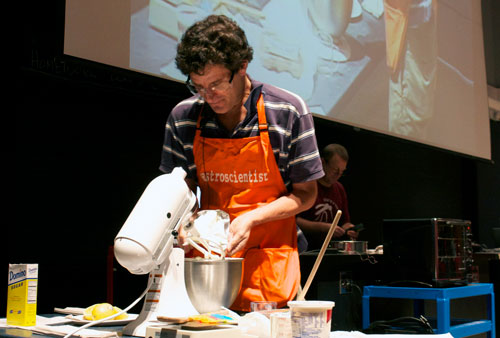
Harvard Science and Cooking Lecture Series
When: Dates vary, but all talks begin at 7:00 PM unless otherwise noted.
Where: Harvard Science Center (One Oxford Street, Cambridge, MA, Hall C & overflow Hall E)
What: A lecture series combining the expertise of food specialists, world-renowned chefs, and Harvard researchers. Lectures vary from week to week and are open to the public.
Monday, Dec. 2
"Evolution culinary theory"
Ferran Adrià, elBulli Foundation
**Tickets will be available on Tuesday, November 26th at the Harvard Box Office, located in the Holyoke Center 1350 Massachusetts Avenue, Cambridge, MA**
Monday, Dec. 9
"The Accidental Chemist"
America's Test Kitchen
Jack Bishop, Editorial Director at Cook's Illustrated and an Editor on The Science of Good Cooking
Dan Souza, Senior Editor of Cook's Illustrated
Science Center Hall C, 7 p.m.
Harvard Square Hot Cocoa Crawl

When: Friday, Dec. 6 from 5:30 to 8:30 PM
Where: Harvard Square, 18 Brattle St, Cambridge, MA 02138
What: A winter crawl for only the most serious of chocoholics. Stops include L.A. Burdicks, Crema Cafe, Cardullo's and more!

When: Saturday, Dec. 7 from 11:00 AM to 5:00 PM
Where: Cruiseport Boston’s Black Falcon Cruise Terminal, 1 Black Falcon Avenue, Boston, MA
What: This foodie gathering includes more than 50 makers, cookbook authors, culinary experts, beverage brewers, and more. Shop for specialty food items, sample treats from local food trucks and local Beer and Wine purveyors, and attend various events like cookbook signings, culinary workshops and special tastings. Tickets required, general admission costs $20.

When: Saturday, Dec. 7 from 2:00 to 9:00 PM
Where: Downeast Cider House, 200 Terminal Street, Boston, MA
What: The local cider house is opening its doors to celebrate its grand opening with hard cider, music, games and more! Tickets required and cost $25.

When: Saturday, Dec. 7 with tours at 11:00 AM, 1:00 PM, and 3:00 PM
Where: South End, Boston, MA
What: A holiday tour of the South End's best cookies from top Boston bakeries. Each stop comes with its own special occasion cookie in flavors like Ginger Molasses and Blueberry Pancookie! Tickets are $20 and must be purchased online in advance. A portion of each ticket will benefit the Boston Center for the Arts.
9th Annual Candy Land Tournament

When: Saturday, Dec. 14 from 10:00 AM to 12:00 PM
Where: Faneuil Hall Marketplace, 4 S Market Bldg, Boston, MA
What: An annual Candy Land board game tournament for kids and kids-at-heart benefiting Pitching in for Kids. Entry fee is $5 per person. Additional donations appreciated. Bring your own candy for game-time snacking.
"Pop It Like It's Hot" Hot Chocolate Pop-Up

When: Friday, Dec. 6, Friday, Dec. 13, Friday, Dec. 20, and Friday, Dec. 27 from 3:00 to 6:00 PM
Where: Revere Hotel Boston Common, 200 Stuart St, Boston, MA 02116
What: A gourmet hot chocolate pop-up just in time for the holidays and that blustery Boston winter. Each Friday through the month of December, the Revere Hotel is hosting the holiday pop-up shop featuring unique hot chocolate recipes by local area chefs using hot cocoa mix from Taza Chocolate. Hot cocoa is free, but donations are encouraged and go towards The Home for Little Wanderers.
Boston Ballet Presents "The Nutcracker"
When: Various showings through Monday, Dec. 30
Where: Boston Opera House, Boston, MA
What: A Boston holiday tradition, this year's version of the classical ballet features new sets, costumes, and choreography. Tickets start at $35 and first-time buyers receive a 10 percent discount.
Be sure to share any food events you find by commenting below or on the BU Gastronomy Facebook page. Show us your gastronomy finds this month by following us on Instagram and Twitter and using the hashtag #bugastronomy.
Celebrating the Holidays in the City
Whatever your reason (thesis writing, anthropology research, price of plane ticket, and/or the impending nor'easter) for staying in the city this holiday week, there's no reason to miss out on the celebrations. From fine dining to festive shows, living in this bustling city has its perks and the holiday season is no exception. So skip that microwave dinner (do gastronomes even dare purchase such things?) and enjoy these seven tips for surviving, and enjoying, the holidays in the city.
1. Start the holiday off by going to the giant Menorah lighting in the Boston Commons.

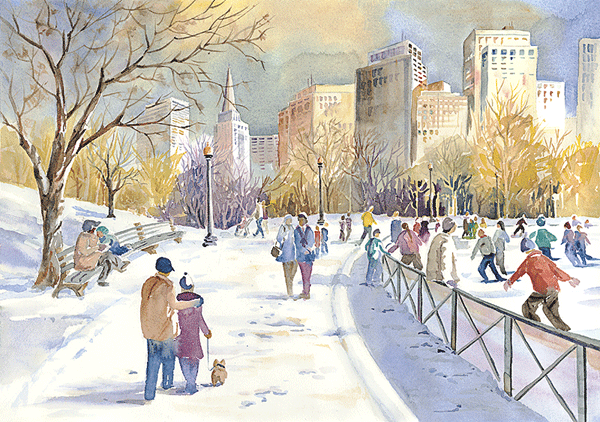
2. Take a walk in the relatively tourist-free Boston Commons and then go for a skate on the now frozen Frog Pond! Bring your own skates and admission only costs $5 or you can rent a pair for an additional $9.
3. Wake up early on Thanksgiving morning and tune into the annual Macy's Thanksgiving Day Parade. No TV necessary, you can watch it online!

4. Scrambling for dinner plans? Plenty of restaurants are open for the holiday and a few, like the Beehive and Legal Sea Foods, are serving up traditional Thanksgiving Dinners with all the fixings for relatively student-friendly prices. Find more traditional turkey dinners here.

5. Go visit the pilgrims at Plimoth Plantation and get a second helping of traditional and possibly puritanical New England Thanksgiving fare (the menu includes things like ciderkin, a pottage of cabbage, native corn pudding, and stewed Pompion. Yum!).

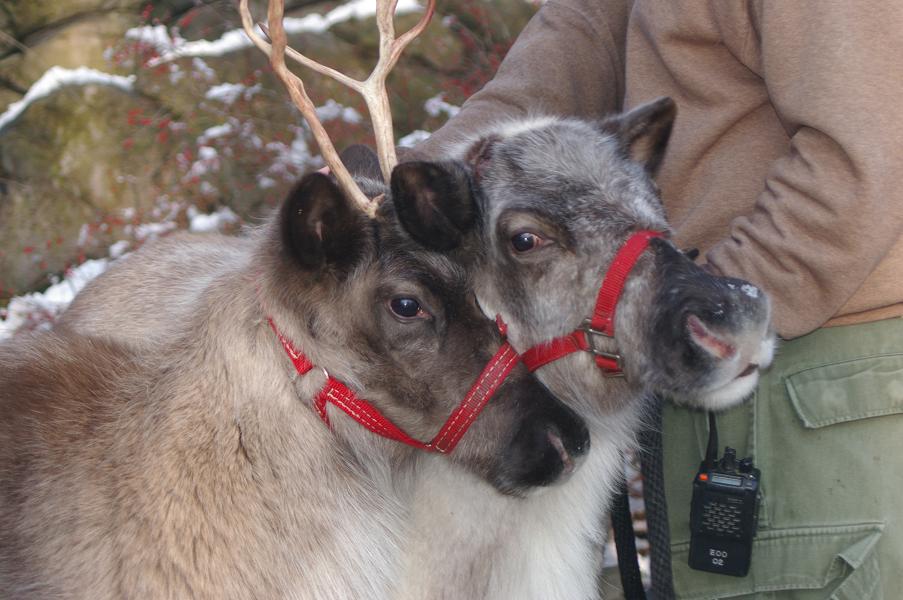
6. Get your holiday light show and cute zoo animal fix in one! Starting Thursday, November 28th, New England Stone Zoo's opens its doors for its annual ZooLights event complete with festive holiday decor, reindeer, and arctic foxes!
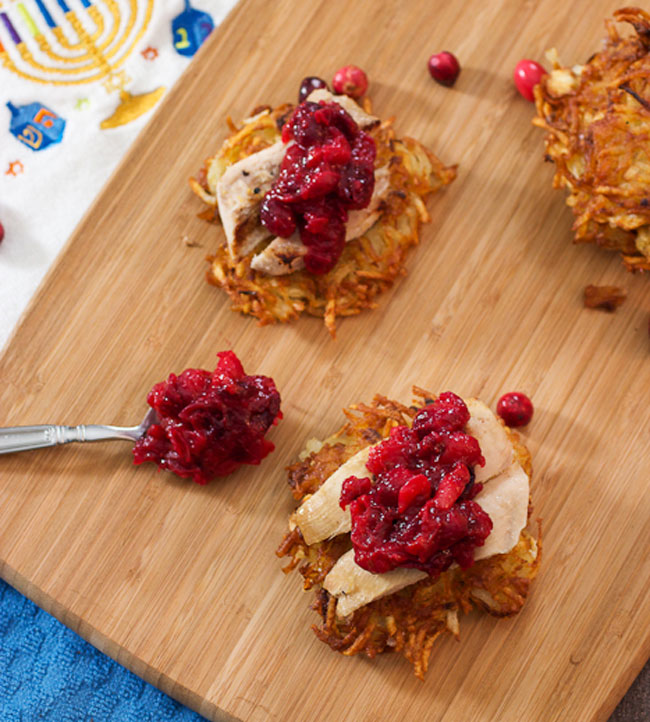
7. No matter what you celebrate, end the weekend with a full stomach by attending the "Everybody Loves Latkes Party!" Head on over to Brattle Plaza in Harvard Square, Sunday, December 1st from 2:30 PM to 3:30 PM to sample a diverse array of traditional and Thanksgiving-themed potato pancakes. Apple sauce and sour cream provided.
Have a safe and happy holiday and be sure to share your delicious celebrations on the BU Gastronomy Twitter and Instagram accounts using the hashtag #bugastronomy!
BU Guest Chef: Chef Roy Choi of Kogi BBQ
Throughout the year, the BU Gastronomy blog will feature occasional posts from special guest writers including current students, recent alumni, professors, and more. The following Guest Post and photographs are brought to you by Gastronomy student Amy Allen.

Roy Choi, who ignited the food truck revolution when he brought his Kogi Korean taco truck to Los Angeles hipsters, came to Boston University on November 8, 2013, to talk about his new book, “L.A. Son: My Life, My City, My Food.”
Choi trained at the Culinary Institute of America and worked at Le Bernardin and other restaurants before he launched the Los Angeles food truck that draws crowds of customers who wait in line for hours for a $2.29 Korean taco, with the most popular being homemade corn tortillas filled with caramelized Korean barbecue, salsa roja, cilantro-onion-lime relish, and a Napa romaine slaw tossed in a chili-soy vinaigrette.
Choi was engaging and honest when he talked about the overwhelming situation he found himself in five years ago when his life took a “strong detour” and he became a celebrity of sorts for his taco truck food. He wasn’t ready for the attention, he said, acknowledging the backstage role he held as a chef. “It’s hard for chefs to celebrate things and be out here and have a great time. We don’t have great times. Our job is to make sure YOU have a great time.”
When he was initially approached to write a book, “all I wanted was to get back to the truck and cook tacos,” he said, Daily, people would stop him, he said, “not to ask for an autograph, not to hang out with me, and not to sleep with me, but to ask, ‘How did you come up with this flavor?’ and then they would start crying or hug me.”
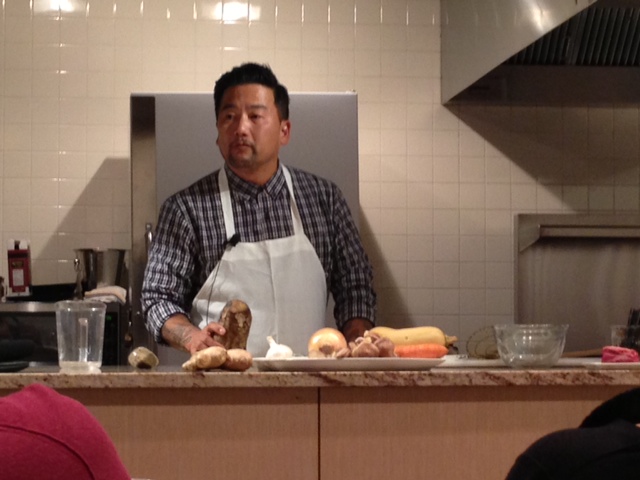
Choi admitted that he didn’t know how to deal with all the attention. “I did a lot to destroy it,” he said. “But sometimes when you step on a garden, it grows tenfold.” Finally, two and a half years ago, he says he woke up and was in the right state of mind to write the book. But, he didn’t want to write “the Kogi book” of taco truck recipes.
He describes the book as very personal and says it “is not about the food I do as a chef.” The recipes show the inspiration for Choi’s cooking and illustrate his history. With dishes such as kimchi and pork belly stuffed pupusas, ketchup fried rice, and spam banh mi, the recipes also reflect Los Angeles’s diverse cuisines. Choi says conceptually, the book is like Pink Floyd’s “Dark Side of the Moon” in its continuous flow; each chapter of the autobiographical book concludes with recipes that embody the life story you just read.
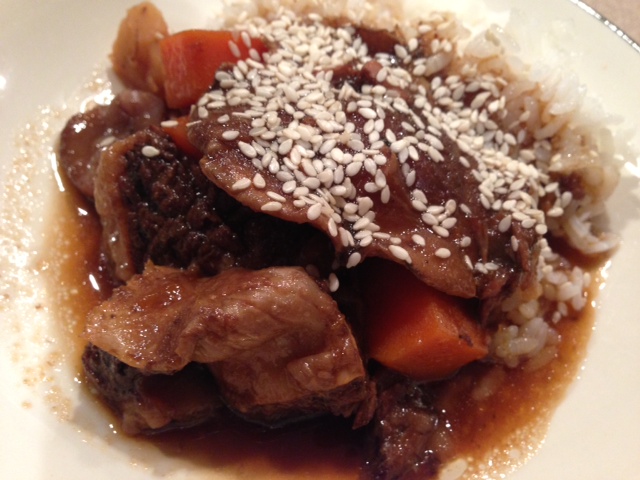
Choi said he grew up in Los Angeles in an immigrant Korean family that cooked food that “looked nothing like a peanut butter and jelly sandwich or a pizza.” His mother was “an underground queen” in the Korean community for her kimchi, which she would sell out of cardboard boxes out of the trunk of their car. In a nod to his mother, Choi demonstrated the technique for making her braised short rib recipe. “Everyone says their mom’s galbi jim is the best,” he said. Choi said that even though the recipe has three components, that it is simple and anyone can make it. One of the keys, he said, is to soak the short ribs in water overnight to remove the impurities.
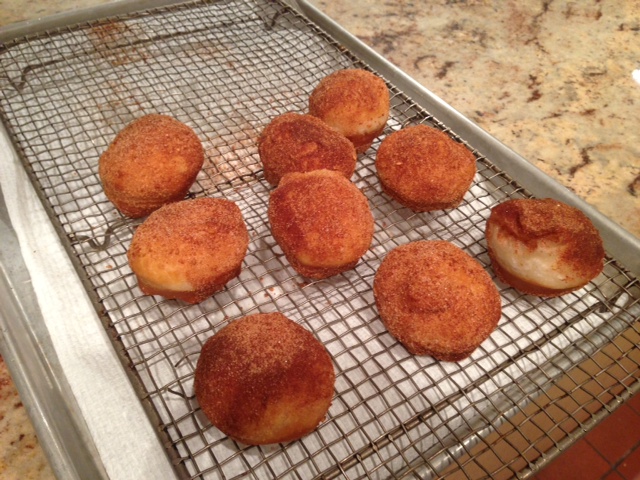
While preparing “ghetto Pillsbury fried doughnuts”— biscuit dough removed from the paper tube, fried in Crisco, and rolled in cinnamon, toasted sesame seeds, and sugar--Choi told the story of the recipe’s inspiration: He had decided to travel cross country to surprise the girl of his dreams. But his feelings were not reciprocated, and soon after, Choi had a lost week crack smoking bender in New York City. These doughnuts are what he would have wanted to eat at that time, he said.
When asked about how attending culinary school affected his food sensibilities, Choi said it gave him discipline and a way to deal with anger, and it developed his palate. “It changed everything about me,” he said. “I was a street kid from L.A.” Most significantly, he said, it gave him a deep love and appreciation for French food and French culinary technique.
While Choi has expanded his reach beyond the food truck and opened a series of restaurants in Los Angeles, he has bigger ambitions of bringing “chef-driven restaurants into the hood.” Choi referred to his talk at MAD3 in when he outlined the problem of hunger and neighborhoods with little access to healthy and fresh food. His vision is to involve chefs in the solution by starting restaurants in neighborhoods that have few good food options. In the meantime, Choi and his coauthors Tien Nguyen and Natasha Phan are on tour promoting their book through the end of this year. You can hear Roy on NPR and get the short rib recipe here.
Are you a current student or a recent alum with a food-filled story to share? Pitch your idea to gastronomyatbu@gmail.com and get published on the BU Gastronomy blog!
Fall Lecture Series Recap: What’s Not to Like About Modern Processed Food? – A Historical Perspective
Throughout the year, the BU Gastronomy blog will feature occasional posts from special guest writers including current students, recent alumni, professors, and more. The following Guest Post is brought to you by Gastronomy student Nate Orsi.

Close your eyes…after you read the next sentence.
Visualize the history and prehistory of processed food.
Now, open them…What?! you say...
Is it difficult to do?
Well then you missed Dr. Rachel Laudan’s engaging presentation on the evolution of processed food! Have no fear, Dr. Laudan has a website, a new book, and a long list of publications and interesting academic work to use in your own research or for pure academic enjoyment. And who doesn’t want a little bit of enlightenment now and again, especially when it is food focused.

In her recent lecture, Dr. Laudan covered everything from the cultivation of wild crops to animal husbandry, and laid the foreground for the present state of packaged foods. While several people in the audience were interested in the implications of agricultural drawbacks to large scale production, ethical concerns over food production, and food safety issues, Dr. Laudan fielded questions in a poised and balanced manner. It was enlightening to see her take information from the questions she received and incorporate those tidbits into the scope of her research. This is something I have struggled with in my own work (and I am sure I am not the only one). Scope is such a fickle beast, and looking at any historical topic within a global context is bound to be a daunting task.
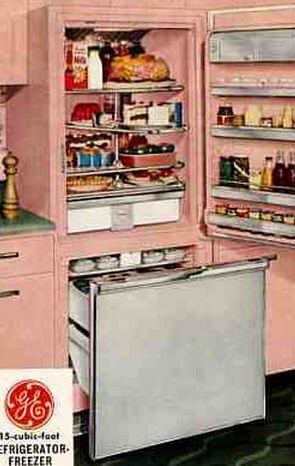
Refrigeration and packaging played extremely important roles in the development of processed food. It’s a little strange to think about how ice used to be something reserved for the elite classes -- royalty and the landed gentry -- so something to think about next time you ask for ice in a nonchalant run-of-the mill manner. No pun intended with the mill reference, even though there was a pretty in depth discussion about the development of milling and flour production. Bread is such an integral part of so many cultures, and Laudan made this abundantly clear with a distinctive portion of the lecture dedicated to talking about the Fertile Crescent.
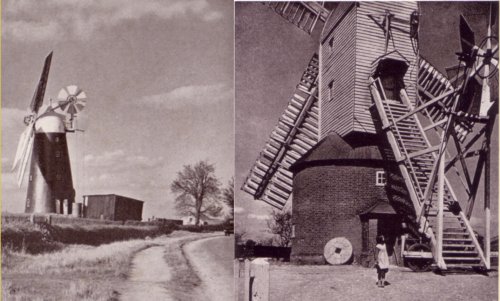
There are so many modern food related examples I can think of with regard to the development of food processing, but if you look at something as simple as lemonade, you can see the processed nature of the mix, the artificially created ice, even the sweetener. These three components sort of encapsulate some of the thematic qualities of Laudan’s discussion.

She noted how people tend to romanticize certain aspects of the past when considering modern food processes, and of course she explained how it is not a perfect system. I really enjoyed having a historical perspective intertwined with large scale production of processed foods, since it is important to look at the broader picture of food in its current state. It is difficult to effectively compartmentalize food systems, because there is so much interplay between all parties of an increasingly complex foodways.

For more information on processed food and more of Dr. Laudan's work, check out her website or pick up a copy of her new book, Cuisine and Empire, out this November 2013.
Are you a current student or a recent alum with a food-filled story to share? Pitch your idea to gastronomyatbu@gmail.com and get published on the BU Gastronomy blog!
Fall Lecture Series: Markets, Supermarkets, and the Law and Politics of Food in India
This is the final installment of the Fall 2013 Lecture Series
 design by KC Hysmith
Fall Lecture Series Recap: Don’t Police My Plate – Race, Gender, and the Politics of Eating the “Right Foods”
Throughout the year, the BU Gastronomy blog will feature occasional posts from special guest writers including current students, recent alumni, professors, and more. The following Guest Post is brought to you by Gastronomy student Alex Cheser.

As the clock neared the hour, the lecture hall quickly became standing room only as Gastronomy graduate students, faculty, and other members of the Boston University community gathered to hear Dr. Psyche Williams-Forson deliver her lecture “Don’t Police My Plate: Race, Gender, and the Politics of Eating the ‘Right Foods’” in conjunction with this semester’s Food and Gender course taught by Dr. Carole Counihan. This conjunction comes as no surprise as both Williams-Forson and Counihan have worked together on previous works such as co-editing Taking Food Public: Redefining Foodways in a Changing World and consider each other friends within the field of food studies.

Dr. Williams-Forson, an Associate Professor of American Studies at the University of Maryland, has published multiple works analyzing the connection between race, women’s studies, power, material culture, and, of course, food with her most notable publication being Building Houses Out of Chicken Legs: Black Women, Food, and Power. This lecture contained work from a forthcoming publication tentatively titled Don’t Yuck My Yum.

Opening with several quotes from interviews with female students from various racial and cultural backgrounds, Williams-Forson quickly brought to light the negative emotional and cultural effects that stem from food policing or being told what to eat. While not discrediting their work and viewpoints, Williams-Forson established the sway of “white men telling us what to eat” and the all-encompassing dominance of the rhetoric of heralded writers such as Pollan, Berry, and others. She acknowledged that grappling with the industrial food complex is a worthwhile effort, but insisted that it is an effort that is unfortunately beyond the reaches of a large segment of the American population who still need to eat at the end of the day.
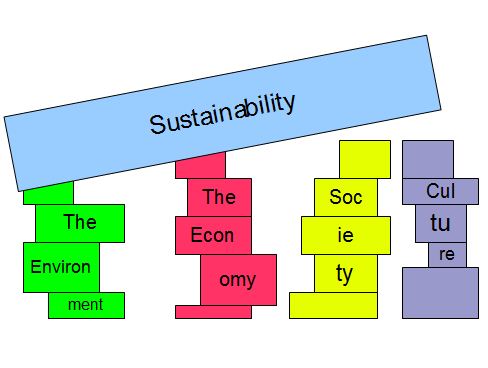
Wal*Mart, Target, Dollar General, and even the Dollar Tree serve as examples of vital providers of food in food deserts across the country. In this market model, people rely on Tyson chicken, canned vegetables, and other food products and goods that the “food elite” regularly demonize. This food elite creates the policing of ingredients and dishes that do not fit into its own management of identity and promotion of values, which clearly contain implications of differing racial and class politics. Williams-Forson proposes an amendment of a fourth pillar to the typical three pillars of sustainability surrounding food: social, economic, environmental. This fourth pillar is the sustainability of cultural vitality as outlined by UNESCO. This recognition of cultural vitality would prevent the dichotomous sorting of food choices by recognizing the strength of cultural heritage across races, cultures, classes, and genders and thus help eliminate the policing of plates and shaming of cultural foods and practices that minorities often feel.

When confronted with questions about health and food-related problems such as obesity and diabetes, Williams-Forson maintained that this information could certainly be provided to those who request it but that the creation of a prescriptive model of nutrition, however tempting, continues this act of policing that only degrades people’s understanding of food and prevents real change. If people want to eat poorly, they have every right to do so according Williams-Forson. She encouraged an expansion of the medical model to include cultural study and consideration for better solutions to bridge the gap between food elitism and the everyday food access and practices of people in our country.
Are you a current student or a recent alum with a food-filled story to share? Pitch your idea to gastronomyatbu@gmail.com and get published on the BU Gastronomy blog!