CJ 725 Forensic Behavior Analysis Blog
The Native American Children
LAWS MUST BE DEVELOPED FOR STATES
TO PUNISH
Sexual Abuse in the Native American Population
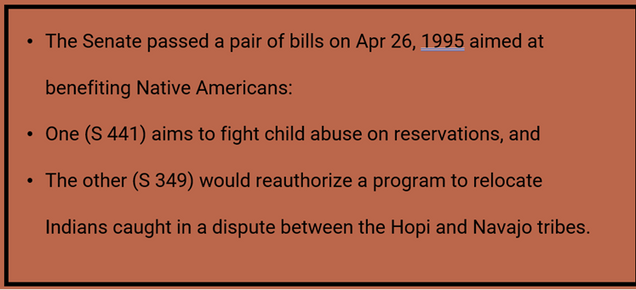
In 1786, the United States established its first Native American reservation and approached each tribe as an independent nation. This policy has remained intact for over one hundred years. Since the establishment of the reservations, State laws have been restricted to State territory. If there is a charge of sexual child abuse on a reservation, the State law enforcement cannot intervene.
Child sexual abuse is defined as an adult's use of a minor to satisfy sexual needs. Child sexual abuse is defined as a crime within State law. However, on Native American reservations, tribes create definitions within their own tribal codes to satisfy their community and law enforcement standards. It is also illegal for state authorities to enforce state laws on reservations. Most cases of child sexual abuse develop gradually over time, and the offender is known to the child in 90 percent of cases (Miller-Perrin & Perrin, 2007). According to the CDC defines obese kids as students who were greater than the 95th percentile for body mass index, based on sex-and-age specific reference data from the 2000 CDC growth charts (CDC.gov).
According to the CDC, the group that “Had Sexual Intercourse For The First Time Before Age 13 Years Among American Indian or Alaska Native Students United States, High School Youth Risk Behavior Survey, 2019”

| Year % | Total % | Total Lower CI Limit | Total Upper CI Limit | Total N | Female % | Female Lower CI Limit | Female Upper CI Limit | Female N | Male % |
| 2019 | 4.7† | 1.5 | 13.9 | 109 | N/A | N/A | N/A | 54 | N/A |

| Male Lower CI Limit | Male Upper CI Limit | Male N |
| N/A | N/A | 55 |
The results were 109 students that were identified for this survey (CDC.gov). The confidence intervals for males these children were 1.5 to 13.9. These stats are not representative of the population. Mainly, this group is underrepresented because of the barriers to the reservations
The Deindividuation on Reservations
There are many theories that can be applied to this social issue. Here, Social Learning and Deindividuation are explored. Social Learning is a progressive advancement from classical and operant conditioning. Social Learning theorizes that human behavior is “based on learning from watching others in the social environment. On the reservations females and males alike learn than the sexual violation of little girls has a small risk value (Rousseau, 2022). Violators of children cannot be punished by state law enforcement officers. Reservation authorities are not usually contacted when a child sexual abuse occurs. Watching children being sexually abused without punishment, encourages others to repeat the same behavior (Bartol & Bartol, 2021, p. 106). Deindividuation is the encouragement by others that a person is not present. Their anonymity can lead a factor of their victimization. A sexual predator can lose their identity and becomes part of the violating pack. This feeling generates a "loss of self-awareness, reduces concern over evaluations from others, and a narrowed focus of attention" (Baron & Byrne, 1977, as cited in Bartol & Bartol, 2021, p. 120). When combined, these process may lead to the high rate of sex crime against children on the reservations.

Confirmed Maltreatment
The Impact Of Culture
- The article focuses on the impact of culture on the response of Native American parents to interventions concerning child abuse and neglect and child protection.
- It has been noticed that Native American parents react in a manner that cause childcare protection practitioners to view them as resistant and uncooperative.
Foster Care
- In some of the cases where the abused child is placed in foster care,
- it is not unusual for the parents to abandon their child and discontinue contact with the foster care agency.

A complicated legal arrangement
Out of the 574 American Indian Tribes in the U.S., only 200 are under the FBI's jurisdiction. This jurisdiction is a collaboration between the FBI and the Bureau of Indian Affairs, Office of Justice Services. "The federal government has a unique political and legal relationship with the 573 federally recognized tribes. The tribes are sovereign and have jurisdiction over their citizens and land, but the federal government has a treaty obligation to help protect the lives of tribal members" (FBI, 2022). This "trust responsibility," can be extended to give rights to children in the State that the incident occurs.
The array of Supreme Court decisions and federal laws that followed resulted in a complicated legal arrangement among federal, state and tribal jurisdictions, making it difficult for survivors of sexual assault to find justice.

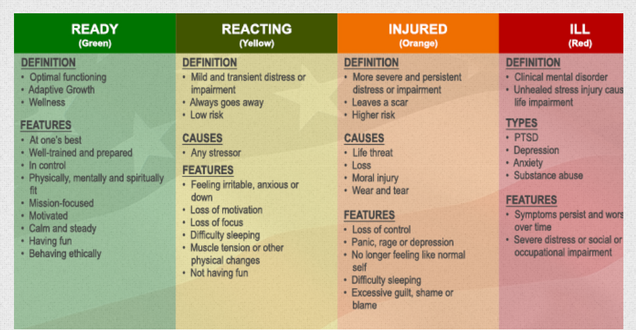
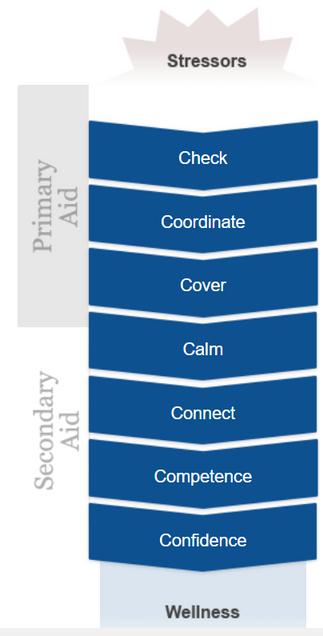
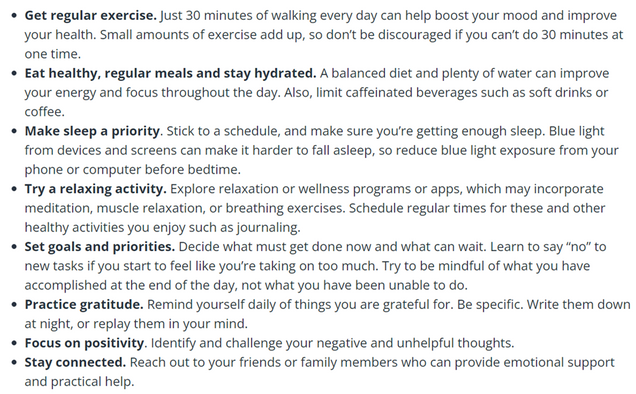
You know the signs that you need to take better care of yourself when: You feel mentally or physically exhausted, overwhelmed or stretched too thin. Friends and family tell you you're working too hard, or have to remind you to take a break. You've worked 70- or 80-hour weeks.
Reference:
FBI, (2022). Indian Country. https://www.fbi.gov/investigate/violent-crime/indian-country-crime
Pope, N. LMSW (2009) Miller-Perrin, C. L. & Perrin, R. D. (2007). Child maltreatment: An introduction, 2nd ed. Thousand Oaks, CA: Sage. 475 pp., Journal of Public Child Welfare, 3:1, 109-110, DOI: 10.1080/15548730802694918
Rousseau, D. (2022). Module 1: Thinking Like A Forensic Psychologist. Boston University Metropolitan College Forensic Behavioral Analysis. Blackboard.
Stop Human Trafficking
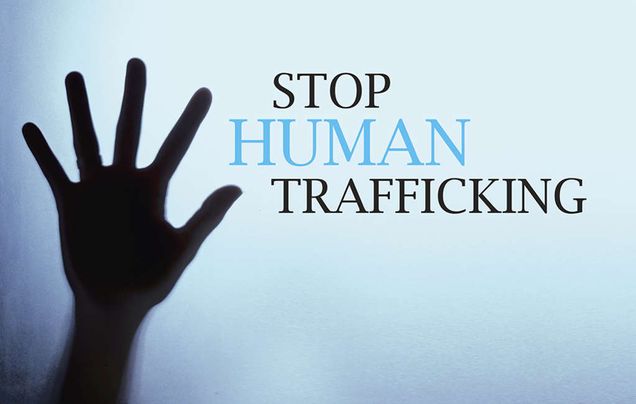
Human trafficking is a significant global human rights issue, and sadly since human trafficking is covert, and since reporting is inconsistent, accurate data is scarce. People who are victims of human trafficking can be of any race, gender, sexual orientation, ethnicity, or nationality. Trafficking occurs to adults and minors across American communities, whether in the suburbs, rural areas, or urban areas. Various reasons may contribute to the victimization of these individuals, such as homelessness, runaway status, abuse, neglect, and a lack of safety at home due to violence. Millions of people across the globe are trafficked every year - including here in the United States (Department of Homeland Security, 2022).
In the meantime, human trafficking is something that everyone is capable of discovering. There are many red flags and indicator signs that can help identify a human trafficking situation, such as; signs of physical abuse, poor living conditions, is the person fearful, timid, or submissive, does the individual appears to be coached on what to say, or does that person have freedom of movement (Department of Homeland Security, 2022). In light of this, there are numerous ways to support these victims of human trafficking once you have noticed these red flags and indicators. For instance, initiating a conversation in private, providing support and empowerment, listening to their comments and concerns, supporting their decisions, offering to help, and finally, if you believe that you have identified someone in the trafficking situation, alert law enforcement immediately (Supporting Victims of Human Trafficking-Valley Crisis Center, 2022). The National Human Trafficking Hotline is 1-888-373-7888, a 24-hour, toll-free, multilingual anti-trafficking hotline.
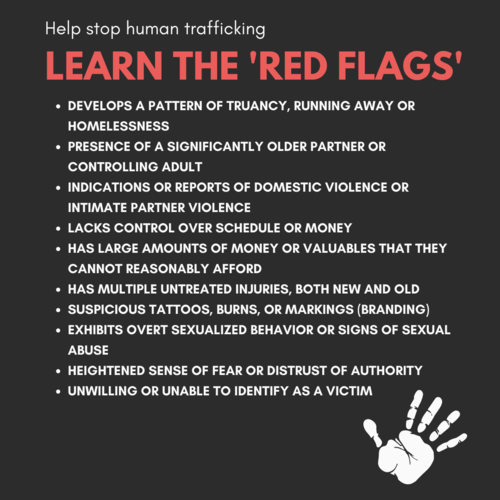
Nevertheless, there are simple ways to get involved and make a real difference: raise awareness of the issue on a local, regional, and national level, fundraise for anti-trafficking organizations, volunteer for anti-trafficking organizations, and promote anti-trafficking legislation (Public Service Degrees, 2020). The trauma suffered by survivors of human trafficking can often last a lifetime, both psychologically and physically. All anti-trafficking efforts should incorporate trauma-informed efforts to support survivors effectively, including the criminal justice system and victim services. When deploying prevention strategies and engaging with survivors, trauma-informed coping strategies and media reporting should also include a trauma-informed approach—getting trauma-informed means responding to the impacts of trauma on a person's life on a strengths-based approach. Human trafficking victims should be treated to minimize the likelihood of re-traumatizing them by recognizing signs of trauma and designing all interactions with them accordingly. To address survivors' unique experiences and needs, this solution focuses on creating a sense of physical, psychological, and emotional safety and well-being (US Department of State, 2021).
Sources:
Department of Homeland Security. (2022, April 13). What Is Human Trafficking? | Homeland Security. DHS. Retrieved May 3, 2022, from https://www.dhs.gov/blue-campaign/what-human-trafficking
Supporting Victims of Human Trafficking – Valley Crisis Center. (2022). Valley Crisis Center. Retrieved May 3, 2022, from https://www.valleycrisiscenter.org/supporting-victims-of-human-trafficking/
US Department of State. (2021, January 10). Identify and Assist a Trafficking Victim. United States Department of State. Retrieved May 3, 2022, from https://www.state.gov/identify-and-assist-a-trafficking-victim/
Public Service Degrees. (2020, August 14). Be the Change: How You Can Help End Human Trafficking. Retrieved May 3, 2022, from https://www.publicservicedegrees.org/403.shtml/
Adolescent Trauma-Informed Care
Trauma-Informed Care is a vital tool to use in helping individuals cope with trauma, especially adolescents. Here is an infographic to visually share some key aspects of trauma-informed care when working with adolescents.
Unpacking Psychopathy
Psychopathy is a disorder that has encapsulated the minds of societies around the world. You may be wondering, what makes psychopathy so interesting? Depending on who you ask you will probably get a different answer. Some people believe that it is because they are able to tap into the egos that most people would rather and probably chose to stay hidden. Looking back at the research done by Sigmund Freud on psychoanalytical theory, he postulated that the mind is composed of three elements: The Id, Ego and Super-Ego. An average person’s Ego “ensures that the impulses of the id can be expressed in a manner acceptable in the real world” (Cherry, 2020). Part of what makes psychopathy interesting is that, the parts of the brain that are responsible for emotions such as empathy, guilt, fear and anxiety are still present but reduced. With advancements in technology we now have the ability to scan people’s brains (as seen below in the image by Dr. James Fallon) and take a more introspective glimpse into what the minds of people. A study done the University of Wisconsins School of Medicine shows that “both structural and functional differences in the brains of people diagnosed with psychopath and those two structures in the brain, which are believed to regulate emotion and social behavior, seem to not be communicating as they should” (Koenigs, 2017). This study opens so many doors for researchers from all different disciplines to explore psychopathy. It is important for psychopathy to be explore by numerous disciplines because not only it is imperative that we know the medical side of psychopathy because it allows us to view this disorder from multiple angles. Including different disciplines such as education and psychology into the world of psychopathy allows a more effective and ethical approach to psychopathy. Another essential disciple is education, which is vital because it allows it allows us to learn what causes psychopathy, who may be more susceptible too and knowing these things can be substantial in reducing a problem before a larger one arises.
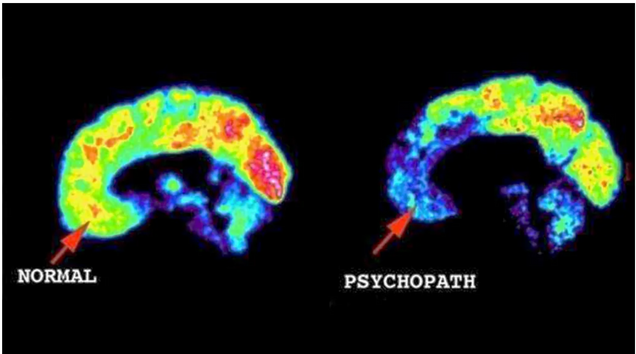
I think another large part of what makes people so fascinated by psychopathy is that on the outside they are just like anybody else, they have an ability to turn on and off their charm and their cunningness. They walk, talk and dress like us which allows them to blend into the rest of society. Characteristics such as charm and cunningness often lead to them being attractive to others and being able to advance in the world. They know how to get what they want and they are smart and know how to manipulate others. The idea of having a so-called “hidden personality” is what makes people so interested in psychopathy. Also, the idea that we may not even know someone is a psychopath, they could be standing right next to us, a friend, a family member or really anybody. This has transcended into them being popular topics in media, film, television, writing and more.
Sources:
Fallon, J. (2005). Control v. james fallon’s brain. CNN: UC Irvine. accessed 16 April 2022.
https://www.cnn.com/videos/bestoftv/2014/05/28/erin-intv-fallon-inside-the-mind-of-a-young-killer.cnn
University of Wisconsin-Madison: School of Medicine. (2017). Psychopath’s brain show differences in structure and function.
https://www.med.wisc.edu/news-and-events/2011/november/psychopaths-brains-differences-structure-function/#:~:text=The%20study%20showed%20that%20psychopaths,of%20brain%20images%20were%20collected.
Cherry, K. (2020). Freud’s id, ego and superego. Very Well Minded.
https://www.verywellmind.com/the-id-ego-and-superego-2795951
Unpacking Psychopathology
Psychopathy is a disorder that has encapsulated the minds of societies around the world. You may be wondering, what makes psychopathy so interesting? Depending on who you ask you will probably get a different answer. Some people believe that it is because they are able to tap into the egos that a most of us would rather and chose to stay hidden. Looking back at the research done by Sigmund Freud on psychoanalytical theory, he postulated that the mind is composed of three elements. The Id, Ego and Super-Ego. An average person's Ego "ensures that the impulses of the id can be expressed in a manner acceptable in the real world" (Cherry, 2020). What makes psychopathy interesting is that psychopathy is that, the parts of the brain that are responsible for emotions such as empathy, guilt, fear and anxiety are still present but reduced. With advancements in technology we now have the ability to scan people's brains (as seen below in the image by Dr. James Fallon) and take a more introspective glimpse into what the minds of people. A study done the University of Wisconsins School of Medicine shows that "both structural and functional differences in the brains of people diagnosed with psychopath and those two structures in the brain, which are believed to regulate emotion and social behavior, seem to not be communicating as they should" (Koenigs, 2017). This study opens so many doors for researchers from all different disciplines to explore psychopathy. It is important for psychopathy to be explore by numerous disciplines because not only it is important to know the medical side of psychopathy because it allows us to view this disorder from multiple angles. Including different disciplines such as education and psychology into the world of psychopathy allows a more effective and ethical approach to psychopathy. Education is vital because it allows it allows us to learn what causes psychopathy, who may be more susceptible too and knowing these things can be substantial in reducing a problem before a larger one arises.

I think another large part of what makes people so fascinated by psychopathy is that on the outside they are just like anybody else, they have an ability to turn on and off their charm and their cunningness. These characteristics often lead to them being attractive to others and being able to advance in the world. They know how to get what they want, they are smart and know how to manipulate others. The idea of having a so-called "hidden personality" is what makes people so interested in psychopathy. Also, the idea that we may not even know someone is a psychopath, they could be standing right next to us, a friend, a family member or really anybody. This has transcended into them being popular topics in media, film, television, writing and more.
Sources:
Fallon, J. (2005). Control v. james fallon's brain. CNN: UC Irvine. accessed 16 April 2022.
https://www.cnn.com/videos/bestoftv/2014/05/28/erin-intv-fallon-inside-the-mind-of-a-young-killer.cnn
University of Wisconsin-Madison: School of Medicine. (2017). Psychopath's brain show differences in structure and function.
https://www.med.wisc.edu/news-and-events/2011/november/psychopaths-brains-differences-structure-function/#:~:text=The%20study%20showed%20that%20psychopaths,of%20brain%20images%20were%20collected.
Cherry, K. (2020). Freud's id, ego and superego. Very Well Minded.
https://www.verywellmind.com/the-id-ego-and-superego-2795951
Reducing Burnout: The Importance of Quality Self-Care
Everyday living in 2022 is stressful and balancing family, work, and free time is no easy task. In an economy with record high inflation rates, and a healthcare system burdened with the many implications of the pandemic, rest and recovery is of utmost importance now more than ever. With the US dollar having significantly less purchasing power than last year, many people are attempting to overcome this by working longer hours. More hours spent at work means less hours spent on other aspects of our lives that we value much more personally. The cognitive dissonance that a person experiences because of this work-life imbalance can lead to feelings of burnout.
Burnout is the central theme of an article published by the Harvard Business Review. Author Monique Valcour characterizes burnout by three symptoms: exhaustion, cynicism, and inefficacy. Exhaustion is described as profound physical, cognitive, and emotional fatigue and is the primary symptom of burnout. Cynicism is psychologically distancing oneself from one's work because of feelings of disengagement and lack of pride. Inefficacy is having feelings of incompetence and lack of achievement or productivity. If you have experienced a multitude of these symptoms then there’s a good chance you've experienced burnout.
So what can we do to address or prevent burnout? Valcour suggests making changes to some situational factors in our lives that could yield positive results. For example, we must be better at prioritizing self care. Valcour states, “It’s essential to replenish your physical and emotional energy, along with your capacity to focus, by prioritizing good sleep habits, nutrition, exercise, social connection, and practices that promote equanimity and well-being, like meditating, journaling, and enjoying nature.” In my opinion, this is the most effective, yet also most overlooked method for criminal justice professionals to take care of their physical and mental energy.
One of the main expectations of criminal justice professionals is to put others first before themselves. This mindset is vital in the line of duty, however it can be problematic when it trickles into our day to day lives. Law enforcement officers don’t have the option of taking it easy because they are sick or they are having a rough week. It’s highly stressful to work in situations where every move you make is scrutinized and one mistake could cost you your job or even worse, someone’s life. Research indicates that law enforcement is a particularly stressful occupation due to a number of sources from within the organizational structure itself, such as role ambiguity, role conflict, lack of supervisor support, lack of group cohesiveness, and lack of promotional opportunities (Anderson et al., 2002; Gaines and Jermier, 1983; Toch, 2002). So not only do officers have to deal with on-the-job stressors like exposure to violence and suffering, but they also have to deal with organizational stressors as well. That’s why it is imperative to leave as much of the stress at work as possible and practice good self care while off the clock.
It's necessary to delineate the differences between good self care and bad self care. Dietrich and Smith (1984) shed light on the nonmedical use of drugs and alcohol among police officers, “alcohol is not only used but very much accepted as a way of coping with the tensions and stresses of the day” (p. 304). Reducing the norm of officers turning to these maladaptive coping mechanisms is an important step in the right direction towards practicing better self care. Having worked as a first responder for several years now, I’ve experienced how stress has trickled into my daily life and how I manage my own self care through effective coping strategies. One way I do this is by leaving work at work. Some examples of how I manage to leave work at work are by muting my email while off-duty, not overanalyzing the decisions I made and what I could’ve done better, and using my time off whenever I physically or mentally need a break. I also value my health very seriously as this is another way I manage my own self care. I try my best to eat well, get adequate sleep, and exercise daily. Even when I don’t feel like lifting weights or running, I make sure I get out for at least a 30 minute walk. During this time I will usually throw on a podcast on a topic I am interested in learning about so I am essentially learning while exercising.
In summary, work burnout is a very serious and common problem for a lot of people, especially criminal justice professionals. In order to prevent burnout from occurring we must prioritize effective self care through healthy practices rather than maladaptive ones. Even though I’ve listed what I’ve found to be successful for myself, it's important to note that every individual is different so they must find what works best for them. After all, we all have different needs and there's no one particular strategy that universally works for everyone.
Anderson, G.S., Litzenberger, R. and Plecas, D. (2002). “Physical evidence of police officer stress”, Policing: An International Journal of Police Strategies & Management, Vol. 25 No. 2, pp. 399-420.
Dietrich, J., & Smith, J. (1984). The nonmedical use of drugs including alcohol among police personnel: A critical literature review. Journal of Police Science and Administration, 14, pp. 306.
Gaines, J. and Jermier, J.M. (1983). “Emotional exhaustion in a high stress organization”, Academy of Management Journal, Vol. 26 No. 4, pp. 567-86.
Toch, H. (2002). Stress in Policing, American Psychological Association, Washington, DC.
Valcour, M. (2016, November). 4 Steps to Beating Burnout. Harvard Business Review. https://hbr.org/2016/11/beating-burnout
Animals Help Us Heal
I have experienced significant trauma in my life. I didn't talk about it much when I was younger. I didn't want the attention. I don't want the attention now either. I talk about it now because it's part of who I am. I am a survivor who still tries every day to navigate her way through the jungle.
My pets have always been good for my mental health. Because of them, I am rarely lonely. The discipline of having to care for an animal keeps me moving forward, one step at a time. During times of intense stress, they calm me and focus me. These days I have two big dogs - Charlie and King. I couldn't be more grateful. The things I need, they need as well. They need to eat, go to the bathroom, and sleep. But, they also need to play. Today was a day without enough play. I am stressed and they can feel it. I will make it up to them tomorrow. I will allow myself time to play.
Halm, M. A. (2008). The healing power of the human-animal connection. American journal of critical care, 17(4), 373-376.
When Specialty Courts Fail
It is well documented that the United States incarcerates more of its population than any other developed country in the world. This fact alone has driven the need among criminal justice administrators and court systems to look at possible causes for the increase in incarceration rates and to find alternatives to prison terms. The solution in many jurisdictions has been the implementation of “specialty courts” that address societal issues that have made their way into the courtroom. These specialty courts involve working with defendants that have ended up in the criminal justice system due to drug or substance abuse issues, mental health issues, or co-occurring disorders. The premise of these courts is that these individuals are not criminogenic by nature and are instead stuck in a cycle of committing crime to support their substance abuse or their behavior is due primarily to an untreated mental illness. The court provides these individuals with the treatment they need and would likely not receive in prison in order to reduce criminal behavior and ultimately recidivism rates.
The first specialty court was established in Dade County, Florida in 1989 (Frailing, 2016). It was created as a specialty drug court to help individuals who found themselves in the court system for crimes such as possession, trafficking, or even theft to support a drug habit. Instead of these people pleading to their crimes and being sentenced to a prison term where they would receive little if any substance abuse treatment and counseling, the court brought all the parties together as a team to incentivize the individual into getting help for their underlying issues. What made this so unique was that it brought prosecutors, judges, defense attorneys, treatment providers, and defendants into a room to work together in a system that has always been at its core, adversarial in nature. Since this first court was implemented, it has seen incredible success rates prompting other courts to launch programs of their own. As of 2020, there are now over 3,848 different specialty courts in the United States that are working to address the underlying issues behind criminal behavior (Center, 2020).
Despite the successes these courts have seen in the past 30 years, there are always some that fail. What these failing courts have in common is that they often require defendants to plead to the crimes they have been charged with and offer very little sentence or probation reduction. For example, the federal court in the District of Maine currently has a program called SWiTCH (Success With the Court’s Help). This program has been known to be incredibly unsuccessful since it was established, and many people feel the program should be abolished. I investigated why this program was so unsuccessful when other specialty courts across the country have had the opposite results. Here is what I found:
The SWiTCH program is not a part of the actual court system and instead is a drug treatment program that individuals can enter while on supervised release. They must have plead guilty to their charges in court and served their entire prison sentence first before ever being considered for the SWiTCH program. This means their criminal record remains unchanged and the amount of prison time served is not altered. The only incentive for individuals entering the program is that if completed successfully, they will receive one year deducted from their supervised release. Meetings are held on a monthly basis where individuals check in with the judge, prosecutor, defense counsel, and their treatment provider (Justice, 2021).
As you may have guessed, this program offers little incentive for individuals to complete the program successfully, and the frequency of check-in meetings provides very little oversight for those struggling with substance abuse addiction. Fundamentally, this program was set up to fail. This program is the only type of specialty court offered in the federal court system in the District of Maine and demands a complete overhaul in order to be effective.
It is important for courts and communities who wish to address societal causes of criminal behavior to explore successful and unsuccessful specialty court programs to ensure they don’t encounter the problems seen within the SWiTCH program in Maine. As with most social justice programs, it is important that all facets are well researched prior to implementation in order to achieve success. Without it, you are doomed to failure.
Resources:
Center, N. D. (2020). Treatment Courts Across the United States. Retrieved from National Drug Court Resource Center: https://ndcrc.org/wp-content/uploads/2021/08/2020_NDCRC_TreatmentCourt_Count_Table_v8.pdf
Frailing, K. (2016, April 11). The Achievements of Specialty Courts in the United States. Retrieved from Scholars Strategy Network: https://scholars.org/contribution/achievements-specialty-courts-united-states
Justice, D. o. (2021). SWiTCH (Success With The Court’s Help). Retrieved from United States Probation and Pretrial Services - District of Maine: https://www.mep.uscourts.gov/switch-success-court%E2%80%99s-help
Women Incarcerated: Basic Right Inequity
 I think it is important to analyze and discuss the trauma that woman face within the carceral system. We always discuss the trauma that individuals go through before prison, but I think it is time we talk about the trauma that surfaces within the facilities. When it comes to women, they have different situational needs that differ from men. Before incarceration woman face many adversaries and it continues in prison. For women, it is important to realize that the most common reasons for women to commit crimes are based on survival of abuse and poverty and substance abuse. Their actions can be results of many different issues, including mental illness, trauma, substance abuse and addiction, economic and social marginality, homelessness, and relationship issues (1). Programs need to be focused on individualized reformation and focus on rehabilitation. A larger percentage of women are diagnosed with major depression and anxiety disorders, especially PTSD. Most women in the system (up to 70%, possibly even more) report histories of abuse as children or adults. Additionally, a greater percentage of women have histories of substance abuse than men (2). Statistics like these are reasons why women need equality but needs specialized focused programs. Unfortunately, women face trauma before, during, and after, it is an endless cycle.
Within the correctional system there is still many states without legislation or mandates on period products. In 2017, only 12 states and the District of Columbia have passed menstrual equity laws that require no cost menstrual products in state prisons, which means most incarcerated people in the United States still have limited access to the period products they need.
Many of these women must beg, borrow, or make their own sanitary products, this proves that there is no dignity, compassion, or humanity in the system. Over the years pads and tampons have become weaponized in the system. “I know women who made products out of shreds of clothes or stuffing from inside their state-issued mattresses and were subsequently penalized for destroying public property.” This isn’t only embarrassing but it carries great health risks as well. These makeshift products can lead to toxic shock, infections, and infertility (3).
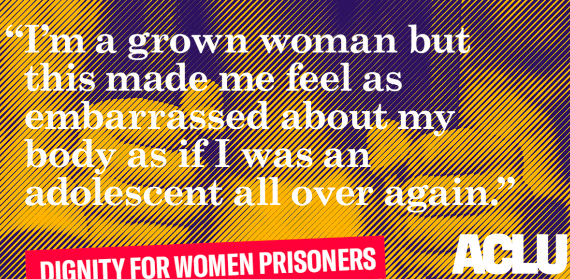 In Connecticut, commissary sold a pack of pads for $2.63. Prison jobs in Connecticut they pay as low as 30 cents per hour. “Assuming that a woman has a five-day menstrual period, each month and changes her tampon at 8-hour intervals, the maximum time suggested by gynecologists, a woman using tampons at NCCW is spending 25% of her annual salary on feminine hygiene products” (3). With that wage any of these individuals cannot afford it on top of other necessities like doctor’s visits, acetaminophen, or a phone call to a loved one. Some women even turn down visits with their family or even turn down visits with their attorneys, which can have a huge impact on their time incarcerated within the whole process (3).
When it came to asking guards for a menstrual product, there is a certain power dynamic between the guards and inmates that created a sense of humiliation even thought this is a basic need. Sometimes guards would use manipulation and blackmail against the inmates and used their power to go above them. According to a 2019 Period Equity and ACLU report, a Department of Justice investigation found that correctional officers at Tutwiler Prison for Women in Alabama coerced incarcerated people to have sex with them in exchange for access to period products (3).
This even is affecting young women too, there is a youth rehabilitation and treatment center in Geneva. This place houses girls anywhere from age fourteen to nineteen. Even they had to pay for their own feminine hygiene products. The young girls can’t earn money while in the home, so it is entirely up to the families. The problem rests on the fact that some families are poor and cannot afford to travel to visit them let alone afford these sanitary products for them.
Every individual has a right to personal hygiene whether you're incarcerated or not. Giving woman sanitation products and focusing on women health is a major factor that needs to be included in personal treatment plans for women in prison. The deny of these basic rights reinforces any kind of powerlessness you have ever felt in your life.
Resources
Bartol, C. R., & Bartol, A. M. (2021). Criminal behavior: A psychological approach.
Lee, J. (2021, July 1). 5 pads for 2 cellmates: Period products are still scarce in prison. The 19th. Retrieved December 9, 2021, from https://19thnews.org/2021/06/5-pads-for-2-cellmates-period-inequity-remains-a-problem-in-prisons/?amp
Rousseau, D. (2021). Module 4: Implementing Psychology in the Criminal Justice System. [Lecture Notes]. Boston University Metropolitan College.
Is it trauma-informed?
In some of my previous discussions, I have described my experiences as a juvenile detention officer and what kind of programs the facility has. It seemed that the more I learned throughout this course, the more surprised I was with the lack of trauma-informed programs and practices at my place of work. Considering the frequency with which I see kids who have a plethora of traumatic experiences and mental health problems, I wanted to examine one program we run in the facility and analyze how trauma-informed it truly is.
Generally speaking, the programs that are run within our facility are a means to occupy the minors, keep them active, or fulfill some type of school-based requirement as a primary goal. It appears that having well-rounded, trauma-informed, and healing programs is secondary to that. Along with programs such as sex education and big brothers big sisters, our facility has a yoga instructor come in every week day to lead an hour-long class. Sometimes, the hour of yoga is the only structured physical activity the minors have throughout the day, and therefore, it fulfills their physical education requirement. At times, the youth aren’t engaged in the yoga. Often times, especially if yoga is in the morning, they will just lay there and sleep- claiming that they are “meditating.” Personally, I think it would be helpful to have more discussion with the kids about what kind of impact the yoga has on them and how they can use the time to be mindful, as “Even though a yoga instructor may try to proceed with the best of intentions, they may not realize that without proper training on trauma-informed yoga, they could be leaving certain youth feeling disempowered and marginalized” (OGyoga).
The TIMBo program has three objectives of: providing accessible tools for coping, gain awareness of the body, and begin a process of transformation (Rousseau & Jackson, 2014). The program I am familiar with is essentially just a yoga class, without identifiable objectives, and rarely any discussion with the participants or indication that the class is meant to do more than help them be relaxed or flexible. Benefits of trauma-informed yoga include emotional awareness, increased self-esteem, improved ability to identify negative behavior, improved conflict resolution (OGyoga), decreased anxiety, decreased trauma symptoms, and increased self-compassion (Rousseau & Jackson, 2014). Our current program could provide those same benefits if instructors and staff were trained and youth were engaged in a more meaningful and knowledgeable way.
Trauma-informed services are safe, predictable, structured, and involve repetition in order to avoid triggering trauma reactions, support coping capacities, and provide some kind of benefit from the service (Rousseau, 2021). Overall, I think taking the time, efforts, and resources to update the existing program would be worth it. Often, we are told to be mindful of trauma that the kids experience, but we are given training that seems inadequate and do not provide them with programs that are substantial enough to address their trauma. Especially since incarceration itself can be traumatizing, we need to maximize the potential of existing programs and implement others in order to best serve the youth and help them heal. Although the current program is safe and structured, I do not think it is trauma-informed. The purpose of the program and structure of it was not made to intentionally respond to and aid the youth in this way, therefore, the youth cannot gain the same benefits they would from a truly trauma-informed yoga class.
References
Burrell, S. (n.d.). Trauma and the environment of care in juvenile institutions. The National Child Traumatic Stress Network. Retrieved from https://www.nctsn.org/sites/default/files/resources/trauma_and_environment_of_care_in_juvenile_institutions.pdf
OGyoga. (2018). Benefits of yoga for youth who have experienced trauma. Retrieved from https://www.ogyoga.org/resources/2018/2/8/benefits-of-yoga-for-youth-who-have-experienced-trauma
Rousseau, D. (2021). Module 4: Implementing psychology in the criminal justice system. Retrieved from https://learn.bu.edu/bbcswebdav/pid-9312167-dt-content-rid-57732979_1/courses/21fallmetcj725_o2/course/w4/metcj725_ALL_W4.html
Rousseau, D. & Jackson, E. (2014). yogaHOPE: Healing ourselves through personal empowerment. Retrieved from https://learn-us-east-1-prod-fleet02-xythos.content.blackboardcdn.com/5deff46c33361/3915210?X-Blackboard-Expiration=1639450800000&X-Blackboard-Signature=%2FsKuLigz%2FZWXITxDNSLpkjtyQsl%2FBRRz2u1Ua8JV5wo%3D&X-Blackboard-Client-Id=100902&response-cache-control=private%2C%20max-age%3D21600&response-content-disposition=inline%3B%20filename%2A%3DUTF-8%27%27w4_read_TIMBo2014.pdf&response-content-type=application%2Fpdf&X-Amz-Security-Token=IQoJb3JpZ2luX2VjEGcaCXVzLWVhc3QtMSJHMEUCIDbX7i4%2FUdN1FyWpa4YvUA9OXdUWl4PbvWyihcCdYrTbAiEAgzEuYiNoBEETgHcE5W%2FAIfLBVCtk44SAPgoZLEr8BXsq%2BgMIUBACGgw2MzU1Njc5MjQxODMiDOWGmjYfScfEwRbnZyrXA%2BUpqWiEio%2FC%2BaPuLxxgnsNDeuROz8TDyhwPRSZP8%2BgarYqIVnP%2BJQ1H08%2Be23OZkZRCFEDk%2FlL%2BCq%2BSpwrv7hdrE8Mw6ZYFwZigud6ucpTF9HdSTOdW6OWsViAZlfBQcjE0SVMtSmdMo5BSkONjpgTbvrZNZ1pJQCPAQ6KWtOsnLUwfyFAf1srlwDrWe1aakVRaNpkJVTFEnt4PIciappAAGDW4p2ZbRuualWc0%2BAY4GSAFjFoC24n%2FdGM6GTgm5c1dP%2BildfpepwI6pmGDWlpxkRp2bv755IKUFkx5SSsXnoL9V%2F2sDCeWlSNnvWcnfsMLEZpz3Bx0wSKqBwHkvpMdSOUfj0oeEudLKErXYI5rOvwvUSOPlEqJbOPDYdQC2oZqOCYSZZRwrTApECD%2Bsze5WVuRhtViQ7msg6Rzu39WNB%2BzK8sxPAEtbHrzTWUbZds08QFicUXoi6dUsP9GYfZBCAt%2BTeVTO6Iv8rKCtawxjhC3Sl7qGJM5b3Jjo2hSTq%2FGwg8qE%2BOlWV82QhKrL7WAT0n6LWAzjdrVdJ9uT8d%2F7CNU%2FAc27B%2F8PC8s5ZYQJmZfD0cNwxle1Fl9GWOMtVFZwL8Tl%2BZeK6SbFZCeMfBgVF99dSy5ADCeoN%2BNBjqlAe5F9vyFs%2FXdR47oEzyIn3tB4ex%2FZQgbrWMPtFJEO1nvgeH%2BCM58RVLGBpreCahDgI%2F2fZUyBvvtiUtK78cGNk28xgyhU1FAlIi6faiErKlXRkxeTTkyFY72M8ZL8%2Bn2jsDt%2F%2F44%2BRzD389ka3tygofYS9fikZe4B17XSxM%2BQXpm2BPsPu1Zu8g2CPadYi8Hs0nOZKZ%2Feur%2BftQVw1LLz7NeUjArMQ%3D%3D&X-Amz-Algorithm=AWS4-HMAC-SHA256&X-Amz-Date=20211213T210000Z&X-Amz-SignedHeaders=host&X-Amz-Expires=21600&X-Amz-Credential=ASIAZH6WM4PL7XQYCGEE%2F20211213%2Fus-east-1%2Fs3%2Faws4_request&X-Amz-Signature=ccfca75afac21ad3161a33d2f1a6ec305280acea1baa94efe52aab641f2a2314