Home
Self-Care and Trauma
People who experience trauma deserve to be free from the weight and pain that it bears upon them. Throughout this class, we have discussed multiple treatment methods that can work individually or that can be used together to find the best treatment plan for the individual. Not all treatments are as widely accepted as others and one that seems to walk on that fine line is self-care. Self-care however is an important part of healing from the trauma, but it should be started when the individual is ready for that experience. Trauma affects our entire body, mind, and our whole being. When all of these aspects are affected we have a harder time being present, connecting, and relating to others. By focusing on ourselves through self-care, our mind and body can work together again to create a healthy and happy lifestyle that may have not existed before.
Highland Springs Clinic mentions that on one’s journey to healing and recovering from a traumatic event, it is important to remember the practice of self-care. They also wrote that “self-care is not commonly the first method survivors think of when they are overcoming a traumatic experience, however, it is a critical part of healing”(Hood,2020). Before starting any kind of trauma therapy, it is important to understand what trauma is and how it may present itself in you. Knowing when to start self-care is dependent on the individual and they have to allow themselves to be ready. Self-care is not the same for everyone, but listening to your body and mind and what it needs is a first step for starting this journey. Our body usually recognizes what we need and will signal to us when the time for recovery is here. Highland Springs Clinic mentions some areas of self-care that are good to start with are get more rest, find someone to talk to, journal about it, use exercise as a tool, and find engaging hobbies (Hood, 2020). While this is only a shortlist of self-care options they are good places to start for people who are ready to treat their trauma by loving themselves.
Whitney Goodman LMFT, a licensed psychotherapist brings up a good point that self-care is supposed to make us better in the long-term and that it is not a quick fix. In society now, the term “self-care is officially a commodity, and people are buying it off the shelves to prove that they care about themselves”(Goodman, 2019). It is important that people who chose self-care to help them with their trauma understand that learning to love yourself and take time for yourself is not an easy process. Goodman stated “real self-care happens in the decisions you make every day and it requires practice, commitment and putting yourself first and getting in touch with what you really need, not just what you really want”(Goodman, 2019). Her short list of self-care is: get in touch with your feelings and actual needs, practice kindness, and ask yourself “what do I need at this moment”. One big point that Goodman and Highland Springs Clinics mentioned is staying away from drinking or using substances since it is not self-care. There are so many different kinds of self-care out there, that experimenting with them will help us find which ones work for us. It is important that people who have experienced trauma believe that they deserve self-care before starting to practice it.
Everyone that goes through a traumatic experience reacts differently emotionally, psychologically, and physically. Being able to accept and be ready for the step of self-care is important to accept the responsibility for yourself, your body, and your mind. Finding a positive self-care routine when ready to embark on the journey will help the overall healing process. It is important to remember that there is no right or wrong way to self-care, it is all about what helps that individual after trauma to become whole again. Dr. Bessel Van Der Kolk writes “the full story can be told only after those structures are repaired and after the groundwork has been laid: after no body becomes some body”(Van Der Kolk, 2015, p.249). Trauma is stressful, but acting on self-care can alleviate that stress. As well as realizing that the trauma needs to be dealt with in a positive way and wanting to deal with it will help accomplish the first step with the journey of self-care.
References
Goodman, W. (2019, July 12). When Self-Care Becomes a Weapon. Psychology Today. https://www.psychologytoday.com/us/blog/healing-together/201907/when-self-care-becomes-weapon.
Ph.D., D. Julia. Hood. (2020, January 27). The Importance of Self-Care After Trauma. Highland Springs. https://highlandspringsclinic.org/blog/the-importance-of-self-care-after-trauma/.
Ocrcc. (2020, October 12). self-care Archives. OCRCC. https://ocrcc.org/tag/self-care/.
Van Der Kolk, B. (2015). The Body keeps the score brain, mind, and body in the healing of trauma. Penguin Books.
Complicity is dependent on what from the ordinary people?
Even with the magnitude of the Holocaust serving as a reminder of humanity’s complicity to sadistic values, genocide continues to be an enduring issue that challenges our core beliefs of right and wrong. The Bosnian genocide, the East Timor genocide, and the Darfur genocide—these are some of the mass killings committed after the Holocaust, and despite those lessons learned from the atrocities in Auschwitz, genocide is a nationwide concern that has motivated many scholars and researchers to understand the social context of such behaviors in hopes of fore-fronting changes.
According to Dr. Rousseau, genocide is dependent on the complicity of ordinary people, but to what extent (2021)? While complicity emphasizes the involvement with others in an activity considered as wrong, how subjective is this threshold when measuring someone’s contribution? Though the parameters can vary from active engagement to the bystander effect, both ends of the spectrum ascertains that free will has a strong influence on complicity and its connection to moral judgment in a genocide context (Adelman, 2003).
In the Stanford Prison Experiment (SPE), scholar Philip Zimbardo exploited a controlled observational experiment to examine the focus of social influences and perception through the psychological effects of power and conformity between the prisoners and the prison guards (1971). Conveyed as the main highlight, upon provided a new fictitious identity, both prisoners and guards disengaged their moral values and immediately embraced their new characters, accepting the psychological abuse and power without hesitation (Alvarez, 2015). Reiterated by Elie Wiesel’s autobiographical account, Night, concepts of “right” and “wrong” disappear the moment the first transport arrived in Auschwitz (2006). Does the setting have any influences over the nature of cognitive awareness on moral values? According to Zimbardo’s findings, the study highlighted the observed behaviors from the undergraduate students as a situational occurrence—reinforcing that it is not always of a dispositional attribute or innate behavior (McLeod, 2012).
Additionally, in the Milgram Experiment, scholar Stanley Milgram extended Zimbardo’s situational finding by studying obedience to authority. In its entirety, if placed in the right situation, people will comply to authoritative directives even when it challenges their moral values (Syzdykova, 2014). While the study highlights a selective characteristic that qualifies responsibility as the determining factor for such involvement, the study really sheds light on the conflict between obedience to authority and personal conscience. In its face-value, obedience to authority takes on Zimbardo’s analysis of situational attribution, meanwhile, the path to decisions falls on the phenomenon of free will—the ability of oneself to cognitively decide. As a result, which theory best answers one’s complicity to behaviors like genocide—situational or dispositional?
While the Reserve Battalion 101, a paramilitary formation during the Holocaust responsible for the expulsion of Poles to the mass shootings of Jews, operated on a mechanistic view of moral judgment that describes both situational and dispositional patterns, how does our understanding of the SPE and the Milgram Experiment describe which attribute best explains the threshold of complicity to genocide? According to Browning, Zimbardo’s study was more relevant to the Reserve Battalion 101 given many of the men in the battalion were ordinary people, with no criminal records or history of murderous and heinous beliefs (1992). Similarly to the undergraduate students, the results shed light on their ability to selectively engage and disengage moral standards (Alvarez, 2015). The selectively engagement and disengagement is seen through their hesitation. Characterized by Browning, “while the men of Reserve Police Battalion 101 were willing to shoot Jews too weak or sick to move, they still shied for the most part from shooting infants, despite their orders” (1992). This behavior of feeling “shied” is the inner moral workings and conflicts of obedience to authority, willingness to participate, and deferment in responsibilities.
Although some may argue the environment offers a situational attribute that persuades one to behave in a certain manner, these decisions to engage or to disengage are part of a constant rationalization that occurs in a person’s free will. Doing the right thing versus becoming self-preserved in order to avoid the apathy of fear and embarrassment—these are some of the thought processes that are passively being sourced through a cost-benefit analysis to determine which action is more suitable for the person, in the specific environment. As a result, despite situational factors, dispositional best supports that genocide is dependent on the complicity of the individual, arguing that everyone passively engages in rationalizing for their own benefit.
References
Adelman, H. (2003). Review: Bystanders to genocide in Rwanda. The International History Review. Taylor & Francis, Ltd. https://www.jstor.org/stable/40109323
Alvarez, K. P. (2015). The Stanford prison experiment. IFC Films.
Browning, C. R. (1992). Ordinary men: Reserve police battalion 101 and the final solution in Poland. HarperCollins.
McLeod, S. (2012). Attribution theory. Simply Psychology. https://www.simplypsychology.org/attribution-theory.html
Rousseau, D. (2021). Module 5: Trauma, Genocide, and the Holocaust. Boston University Metropolitan College: Blackboard.
Syzdykova, K. (2014). The Milgram experiment. YouTube. https://www.youtube.com/watch?v=760lwYmpXbc
Zimbardo, P. (1971). The Stanford prison experiment: A simulation study of the psychology of imprisonment conducted August 1971 at Stanford university. Stanford University. https://web.stanford.edu/dept/spec_coll/uarch/exhibits/Narration.pdf
Acupuncture as Trauma Therapy
Over the relatively short period of time that trauma treatment has been studied, there has been a myriad of different methods proven to help trauma victims in one way or another. Despite this, there is yet to be a cure-all that works completely for every individual and every trauma. To fully accept the reality of a trauma and be free from the weight it bears, multiple treatment methods working in tandem with one another is the best approach for healing.
One treatment method that is less often discussed but proven effective is acupuncture. Acupuncture is an ancient Chinese practice that utilizes small needles placed along pressure points on the body to help with energy flow and pain relief. Chinese documents dating as far back as 100 BCE describe the system of diagnosis and treatment that is now recognized as acupuncture (White & Ernst, 2004). The original idea of flowing meridians in the body has given way to modern neurology’s explanation that the needles stimulate nerve endings and brain function (White & Ernst, 2004). While the practice is centuries old and has been utilized in cultures across the globe, there is surprisingly little research on its effects.
Although there is little research on the subject, other forms of therapies have developed from its principles. Emotional Freedom Techniques is a more common method that, while self-administered, relies on the same bodily energy flows as acupuncture and has also been proven to cure the physical and psychological effects of trauma. In a survey following the September 11th attacks, the 225 individuals questioned said that acupuncture was the most effective method in helping them overcome the immediate trauma of being in the Towers (Van der Kolk, 2014). Acupuncture has also been found to be a “promising treatment option for anxiety, sleep disturbances, depression and chronic pain” as related to the trauma spectrum responses (Lee et al., 2012). While more research is needed to identify the mechanism of action between the needles and the actual relief, the success stories speak for themselves and make the practice a worthy contender for comorbid treatment.
The way acupuncture can aid in trauma recovery is by alleviating the symptoms either directly or residually caused by the event. For example, after a car accident, an individual might suffer pain in their neck and experience anxiety whenever they are in a car again. Acupuncture can help to relieve the neck pain that both hinders quality of life and acts as a constant reminder of the accident. Chronic pain is also a common side effect of adverse childhood experiences. When an adult comes in for therapy with a long history of repeat traumas, alleviating physical pain is a great starting point to begin recovery. This allows for a greater sense of control in one’s own body and opens doors for further therapeutic practices like yoga and exercise that would not have been possible with chronic pain. Acupuncture may not be the cure-all that therapists and researchers are looking for to help their patients overcome past traumas but its longstanding history and overwhelming success rate for non-trauma related pain demands more research be conducted on the practice’s effects on trauma.
References:
Lee, C., Crawford, C., Wallerstedt, D., York, A., Duncan, A., Smith, J., Sprengel, M., Welton, R., & Jonas, W. (2012). The Effectiveness of Acupuncture Research Across Components of the Trauma Spectrum Response (TSR): A Systematic Review of Reviews. Systematic Reviews, 1(1). https://doi.org/10.1186/2046-4053-1-46
Van der Kolk, B. A. (2014). The Body Keeps the Score. [VitalSource Bookshelf]. Retrieved from https://bookshelf.vitalsource.com/#/books/9781101608302/
White, A., & Ernst, E. (2004). A Brief History of Acupuncture. Rheumatology, 662–663. https://doi.org/10.1093/rheumatology/keg005.
Internet and Sexual Offenders
Back in model five it was discussed that technology has increased the numbers of sexually based crimes. Producers of child pornography is statically more likely to be someone the child knows, who has complete and legitimate access to the child. Technology has also led to more sexual grooming. Research into online sexual grooming has largely been focused on the stages of grooming, typologies of offenders, or comparisons with people who download abusive sexual images of children. Extraordinarily little attention has been paid to internet affordance and the role these might play in the offending behavior, the development of expertise, and the avoidance of detection. There was a qualitative study done on 14 convicted men, those convicted of online grooming. Analysis indicated that the internet served to create a private space to engage in purposive, sexual behavior with young people. The internet aided in the fantasy, and for some was precursor to an offline sexual assault. Grooming is the process by which an individual prepares a child and their environment of sexual abuse to take place, including gaining access to the child, creating compliance and trust, and ensuring secrecy to avoid detection. (Craven, Brown, and Gilchrist, 2006). Sexual grooming pre-dates the internet, Lanning (2001) described grooming activities in relation to the internet, individuals attempted to sexually exploit children by seducing their targets with attention, affection, kindness, and gifts. Between 2000 and 2006 showed a 21 percent increase in online predators.

Are online sexual offenders different than other sexual offenders? There are studies how argued that online sexual offending is simply what happens when conventional sexual offenders have access child pornography through mail-order services or through personal trades now access large volumes of child pornography online. Similarly, those who might have approached children in public such as malls, are now contacting children through social network sites, messaging, and other technologies. However, there is a counter study that states that the internet has created a different type of sexual offender. Specifically, the anonymity of the internet, accessibility of child pornography; and greater opportunities to trade child porn, contact potential victims, and engage in conspiracies to commit sexual offenses have facilitated illegal sexual behavior.
Quayle, Ethel, Allegro, Silvia, Hutton, Linda, Sheath, Michael, & Lööf, Lars. (2014). Rapid skill acquisition and online sexual grooming of children. Computers in Human Behavior, 39, 368–375. https://doi.org/10.1016/j.chb.2014.07.005
Seto, Michael C, & Karl Hanson, R. (2011). Introduction to Special Issue on Internet-Facilitated Sexual Offending. Sexual Abuse, 23(1), 3–6. https://doi.org/10.1177/1079063211399295
Immigration, the far Right and Terrorism
Marginalized groups are particularly vulnerable to stress and mental illness, especially ethnic minorities. Such problems are most pronounced among second-generation immigrants [1]. Children from immigrant families have a higher risk of schizophrenia and stress trauma compared to the majority ethnic group [2]. According to Racism and mental, Discrimination affects early psychological development. Exposure to everyday discrimination in childhood may lead to trauma and stress in adulthood, as well as other physical problems (U. Kluge, 2020) [3].
In many sociological studies of immigrant populations, a lot of social exclusion can be found. Immigrants often have tighter social networks in their immigrant communities. Compare with mainstream society, their networks tend to be much smaller [4]. Those social exclusion and isolation increases the risk of mental illness [2]. In 2019, the EU-27 unemployment rate for people aged 20 to 64 years was 12.3 % for those born outside the EU, 7.3 % for those born in another EU Member State and 6.0 % for the native-born population [7]. There is no data on the impact of mental health problems on employment, but academic failure resulting from an unhealthy upbringing may have an impact on employability later in life.
This isolation and closure has some relevance to terrorist activities. In some cases, although there was no evidence that the perpetrators of terrorist acts had mental problems, the impact of culturally gated communities on them was visible. In addition, disgust, hatred and contempt for the mainstream society are the most common attitudes. For example, in the 7 July 2005 London bombings, 52 people were killed and more than 700 injured. The four suicide bombers, were all from immigrant families, made a video statement before carrying out the attack:
“I and thousands like me are forsaking everything for what we believe. Our drive and motivation doesn't come from tangible commodities that this world has to offer. Our religion is Islam, obedience to the one true God and following the footsteps of the final prophet messenger. Your democratically-elected governments continuously perpetuate atrocities against my people all over the world. And your support of them makes you directly responsible, just as I am directly responsible for protecting and avenging my Muslim brothers and sisters. Until we feel security you will be our targets and until you stop the bombing, gassing, imprisonment and torture of my people we will not stop this fight. We are at war and I am a soldier. Now you too will taste the reality of this situation”[5].
Although the proportion of people with immigrant backgrounds exposed to extreme religious ideas is low, the damage of reputation of the immigrant community can be enormous. In the last two decades, a number of terrorist attacks based on extremist religious ideology have occurred. For example, on August 17, 2017, the extremist group Islamic State claimed responsibility for the attack that a van plowed into pedestrians in the center of Barcelona, killing at least 13 people and injuring more than 50; November 2015 Paris attacks, “Jihadists” killed 130 people, another 416 people were injured. Records show that the perpetrators of these terrorist attacks came from immigrant families.
Immigrant communities, surrounded by their kinsfolk, retain a strong sense of identity with their homeland. For terrorists, the mass base is better in immigrant communities, where discontent with the state is high and concentrated in communities where the administrative force is weak (the police are afraid to go or do not want to manage).The culture of these communities is predominantly anti-government, anti-police, proud to throw rocks at police cars, ashamed to report informants, facilitating terrorist movement, propaganda, logistics, and development referrals. The Algerian community is one of the most common immigrant communities in France. Algerian War of Independence (1954-1962), resulting in a large number of Algerian deaths. The French eventually abandoned Algeria, leaving the locals with bad memories of mass killings and torture. But after Algeria gained independence in 1962, this French-hating country became France's biggest source of immigrants. Although the policy of France is against various ethnic groups living together to form communities, it has accumulated difficulties over the decades and formed a large number of so-called sensitive areas with high incidence of public security incidents.
 Algerians are the largest immigrant community in France, accounting for 12.8 percent of the total number of foreigners living in the country, according to the French Institute of Statistics (INSEE) [9]
The Murder of Samuel Paty has again intensified the stigmatization of immigrant communities. Paty was killed and beheaded by an Islamist terrorist. He had, in a class on freedom of expression, shown his students Charlie Hebdo's 2012 cartoons depicting the Islamic prophet Muhammad. One of the cartoons portrayed Muhammad naked with his genitals exposed. The cartoons having been protested by many Muslims in the past, Paty preemptively permitted his students to avert their eyes or leave the room while they were displayed. The perpetrator, Abdoullak, killed and beheaded Paty with a cleaver, and was shot and killed by the police minutes later. Ten people have been charged with assisting the killer, including an imam, a parent of a student, and two students at Paty's school. They all have the same religious background and come from immigrant communities [6]. The attack on Patti was part of a public debate about how to integrate or integrate Islam into France's secular society. A public opinion survey, conducted by the Institute for the Republic of France (Ifop), found that 87 percent of respondents believed that France's secular society was under threat, while 79 per cent believed that Islam had declared war on France and the French republic. The survey found that 89 percent of those surveyed thought the threat from terrorism was high.
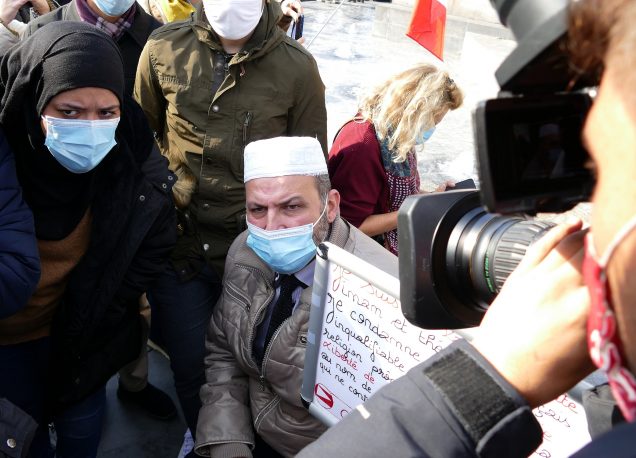 French Muslims in attendance at tribute for Paty [6]
Multiculturalism means that different ethnic groups can cooperate and talk with each other without sacrificing their special status. In terms of policy, society guarantees the interests of different ethnic groups with the authority of the state. After the second world war, large numbers of people from former colonies, most of them Muslim, migrated to Europe to make up for labor shortages. With the increase of immigration, immigrant communities dominated by Muslim communities appeared in Europe, forming religious beliefs and living habits different from the mainstream society. Therefore, most European countries have adopted multicultural policies, such as the United Kingdom, the Netherlands, Belgium and Sweden, which have adopted multi-lingual official languages and classified teaching policies. However, the rise of Muslim immigration has made social tensions more acute. In particular, In the last two decades, Islamist extremism has created a backlash against Muslim immigration in Europe. Since 2010, major European leaders have begun to declare multiculturalism a failure. The refugee crisis that began in 2015, with the increase of terrorist attacks, declared the complete failure of multiculturalism. As a result, Europe began to "turn to the right", which was marked by an increase in violent crimes and terrorist attacks against Muslims and immigrant groups. Through the analysis of the terrorist attackers and their targets, it can be seen that the Islamic extremist forces and the far-right forces are the main forces of the current terrorist attacks in Europe, and the two sides have staged a drama of "clash of civilizations" in Europe.
Especially against the backdrop of the economic crisis, anti-immigration trends are rising in Europe, and the theory of failure multiculturalism is constantly being mentioned. In the eyes of those who hold this view, American multiculturalism is the "melting pot" and European multiculturalism the "fence". By respecting and protecting the cultures of immigrants, Europeans bought their loyalty to our home countries. It is like encouraging immigrants to build fences and live on their own. When crisis strikes, however, some angry glances are directed at the world behind the fence.
The attacker of Hanau shootings is a typical example. 11 people were killed, 5 others were wounded in the shooting. All but the killer were of immigrant background, five of whom were Turkish. The shooting took place at two shisha bars frequented by Kurds in the city of Hanau. The shooter Tobias Rathjen was found dead in his home, killed his mother too. The perpetrator had suffered from schizophrenia and paranoia. The perpetrators are also socially isolated and addicted to online subcultures, particularly far-right and lone-wolf terrorism. The cause of the perpetrator's mental illness is unknown, he was not a marginalized member of society and held an MBA degree. What is clear is that mental illness and far-right ideology combined to contribute to the terrorist attack.
Another example is Halle synagogue shooting. The attack began at midnight on Yom Kippur, the Jewish day of atonement, at the synagogue in Halle. The attacker, Stephan Balliet, tried to broadcast his attack live on the Internet, but failed to blast the gates because the synagogue's security system had recently been upgraded. He later shot and killed a female bystander. After killing the woman, Balliet drove to a nearby kebab restaurant. He opened fire from the window, wounding a customer in the store. The perpetrator, Balliet, was a neo-Nazi and had no record of mental illness. In her live broadcast, Balliet denied the Holocaust and claimed that feminism led to fewer births, leading to mass immigration; He blamed the Jews for these problems. Police believe the perpetrators acted as imitations of a previous Christchurch Mosque shootings.
 Bullet holes in the entrance door right in front of the synagogue [8]
Overall, terrorism and far-right extremism are the two major security problems facing Europe. Although this is due to a combination of social factors, early intervention and psychological support can play a positive role in preventing terrorism and extreme right-wing extremism. The government could improve oversight of the far right and, if necessary, impose mental health interventions for extreme involvers. For ethnic minorities and immigrants, there is a risk of discrimination in the use of health services, which causes them to deliberately not seek help from medical institutions when they face non-emergency injuries. Equality among communities is difficult to achieve to a certain extent, but community-based medical and health institutions can be a solution.
References
[1] Sarah Stark Casagrande, 2007, Perceived Discrimination and Adherence to Medical Care in a Racially Integrated Community
[2] Elizabeth Cantor-Graae, 2005, Schizophrenia and migration: a meta-analysis and review
[3] U. Kluge, 2020, Trauma-Zeitschrift für Psychotraumatologie und ihre Anwendung: Rassismus und psychische Gesundheit
[4] RD Putnam, E Pluribus Unum, 2007, Diversity and Community in the Twenty‐first Century, The 2006 Johan Skytte Prize Lecture
[5] BBC, eLondon bomber: Text in full, 1 September 2005. Retrieved 14 October 2010
[6] Murder of Samuel Paty, https://en.wikipedia.org/wiki/Murder_of_Samuel_Paty#Perpetrator
[7] Eurostat, 2020, Migrant integration statistics – labour market indicators
[8] Halle synagogue shooting, https://en.wikipedia.org/wiki/Halle_synagogue_shooting
[9] Arezki Benali, 2018, Les algériens sont la première communauté immigrée en Franc
What 9/11 Taught Us About Trauma
September 11, 2021 will mark 20 years since the terrorist attacks in New York City. Since then, we have learned how to communicate when phone and cable lines are down, and also what to do when evacuation routes are blocked as well as when roads to the nearest medical facilities are blocked. Not only did we learn important life saving lessons, but we also learned a lot about trauma and PTSD.
The powerful emotions that erupted from that day were not only felt in New York City or in surrounding states, but also across the United States and around the world. Two women who were in different parts of the city that day both experienced PTSD. Marcy Borders, who became known as Dust Lady, struggled for the decades following the attacks from depression as well as addictions to alcohol and crack cocaine. She is unfortunately one of many survivors who have struggled with mental illness and substance abuse since then. Esperanza Munoz witnessed the towers falling from a distance, but that doesn't change her experience. To this day, she still has flashbacks and nightmares as well as anxiety whenever she hears sirens or a plane flying overhead. She can't even step into New York City without panicking.
Many studies have been done on the affects of 9/11 and the first 9/11 trauma study was conducted on October 29, 2001. The team interviewed a huge range of survivors from the first responders, the recovery workers, those who survived the attacks themselves, and to those who lived in surrounding areas. They found that 96% of the survivors reported having experienced at least one symptom of PTSD 2 to 3 weeks after the tragedy. Of that 96%, a majority were still experiencing multiple symptoms 2 to 3 years afterwards. Another study on 9/11 focused on about 11,000 first responders and it was completed over a total of 8 years. They found that during the first year, at least 70% had actually never met the diagnoses criteria for PTSD but years later had many symptoms. Their study told them that the timelines of Post Traumatic Stress Disorder symptoms varied and hit people differently. They also found that these timelines are affected by the duration of the traumatic experience, the trauma-related medical experience, and also any prior psychiatric problems.
Not only have we learned in the almost two decades since then that PTSD symptoms rise up at different times for everyone and that trauma can be experienced by everyone, but psychologists themselves have learned new ways to react to major traumatic events like this one. Shortly after the terrorist attacks of September 11, 2001, psychologists themselves would ask those who were on Ground Zero or in the surrounding areas how they felt and if they were experiencing any symptoms. Years later, they have learned that not everyone is going to be traumatized and that everyone processes trauma differently. A new method that psychologists have come up with is called Psychological First Aid. Instead of asking the individual how they feel in the aftermath, the psychologist will offer the survivor services and give them information for the services. This not only allows flexibility, but it is also still reducing the distress caused by the event or events.
Unfortunately, that September day changed everything. Airport security is even tighter, rates of mental illness and PTSD have risen, and rates of substance abuse have risen. But at the same time, there have been positive changes that are allowing the country to prepare themselves for the next traumatic event or even to change the mental health field.
Resources
Cook, J. (2016, September 09). September 11th attacks: What we learned about trauma. Retrieved April 27, 2021, from https://time.com/4474573/911-september-11-trauma/
Pearson, C. (2011, November 09). 10 years after 9/11: What we now know about trauma. Retrieved April 27, 2021, from https://www.huffpost.com/entry/911-and-mental-health-a-n_n_951060
Researcher finds 9/11 attacks led to new understanding of mass trauma. (2011, August 31). Retrieved April 27, 2021, from https://news.columbia.edu/news/researcher-finds-911-attacks-led-new-understanding-mass-trauma
Surviving 9/11: Trauma and substance abuse. (n.d.). Retrieved April 27, 2021, from https://www.drugrehab.com/featured/9-11-trauma/
NO SIZE FITS ALL IN THE CRIMINAL JUSTICE SYSTEM
“Not all populations within the criminal justice system are the same, and in order to foster effective policy and programming, it is important to recognize this fact.” (Rousseau, 2021). This simply states that not every criminal is the same and not all resources are applicable to every inmate; more specifically inmates that are women. “Theory and treatment strategy… cannot and should not be applied … across—the–board.” (Rousseau, 2021). This is said because dealing with women inmates creates a different demand of an approach compared to men i.e., prison nurseries for pregnant inmates. Another example is that women are more likely to have a mental illness subject to anxiety, depression and PTSD compared to men inmates. This may be due to the different upbringing or life experiences such as women may encounter more of a chance of physical, emotional and sexual abuse. “A majority of women in the system, up to 70%, repeat a history of abuse as a child or adult … and a higher percentage of women have a history of substance abuse compared to men.” (Rousseau, 2021). Including, “The prevalence of sexual abuse reported among female offenders varies, although generally appears higher than figures reported in male offenders finding 85% of a sample of female offenders reported suffering childhood sexual abuse, and there have been other findings of 80% of a sample female offender suffering child-adult victimization.
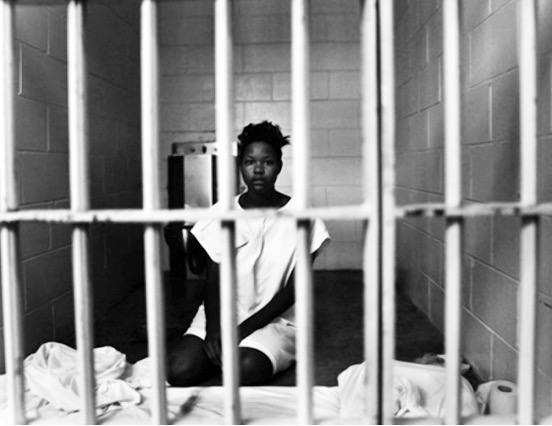 Photo by: Frieda Afary
The unique issues in working with female offenders is the highlighted overlap of “mental illness, trauma, addiction, and relationship issues.” (Rousseau, 2021). Additionally, it is notated that the “relative importance of sexual abuse in the criminal pathways of females, finding women who had been a victim of sexual abuse were significantly more likely to be arrested for a violent juvenile offense and an offense as an adult.” (McKeown, 2010). Simply, that it appears that women issues may stem from repeated sexual abuse from their past and/or currently. Moreover, there are findings that women are often subject to repeat victimization. Revictimization are consistent with the findings that half of women incarcerated are those who have been sexual abused in the past as opposed to 3% of men. It appears that revictimization is relatively more common in female offenders. Because “the grater the severity of abuse in terms of frequency and duration, the greater the level of trauma.” (McKeown, 2010).
What needs to be highly considered when determining strategies for women is that it is reported that women are more likely to have higher levels of psychological or mental illness. For example, research shows that women prisoners have a higher level of schizophrenia, 19%, compared to males, 7%, and 67% of woman have lifetime depression compared to 30% of men. (McKeown, 2010). Further, the difference may be due to the overlap of substance abuse that is also more common in female prisoners than males. Overall, it is important to draw the link between psychological help and violent behavior.
Such factors are examples of the developmental, social learning and biological. Biological theory focuses merely on the aspects of biology, this can be interpretated that you are born the way you are born. Social learning theory, that is, focuses on the aspects of human interaction and what is learned through such interaction. Meanwhile developmental theory focuses on the continuation of one’s nature and environment. Many factors are to be looked at when determining an incarcerated women’s treatment. One fit cannot fit all especially when comparing men and women because more women than men have been abused, involved in substance abuse and have mental issues. Biology comes into play within this discussion because many of these women may have been born with any psychology discrepancies. Moreover, this issue may overlap into the social learning theory because many women may feel isolated or have a hard time communicating with others. If the issue of miscommunication, isolation, or antisocial behavior is at issue then such factors will also overlap within their developmental environment because many women will then choose their nature/environment based on such factors. For example, a woman who is antisocial may get attached to a male who is abusive or one who may be the individual to introduce them to addictive drugs. When analyzing treatment for an incarcerated individual, you must take them as a whole to effectively solve their problems rather than pin point to a sole factor that may be contributing to their wrongful behavior.
 Photo by: Jodee Redmond
With that being said the important components when establishing treatments should be of those that are gender responsive and help treat those with trauma and/or addictions. The purpose is to analyze from early life to sexual abuse and street life to measure the significant impact that the abuse had cause mentally, physically and emotionally. Ultimately this measurement has found abuse has led to, unhealthy sexual practices, early traumas and substance abuse. “Prevalence rates for physical and sexual victimization among female inmates were also found to be more significantly higher for inmates with a mental disorder than those without a mental disorder.” (Wolf, 2012). What I thought was interesting this week about this topic is that their trauma informed programming. Here, there’s a therapist for women prisoners. This tactic provides training for all staff within the correctional facticity. As I learned before that being able to incorporate the criminal justice system with medical professionals will help understand on how to treat individuals with mental illnesses. For example, “security staff… came to realize that a women’s reaction might not be out of aggression, but instead a trauma response.” (Rousseau, 2021). Further it’s important to incorporate mental health-based treatments like therapy to help reduce revictimization or reoffending.
I think women need to receive different treatment than men to it to be effective and more specifically each case is different amongst women themselves. There was a study conducted to examine the implementation and effectiveness of a cognitive-behavioral intervention for comorbid post-traumatic stress disorder and substance use disorder amongst incarcerated women. The study has examined that majority of women have experienced childhood trauma and had serious mental illnesses. Guidelines has been put into place by the “National Institute of Corrections called for integrated interventions that target the co-occurrence of trauma, PTSD, and SUD among incarcerated women.” (Wolf, 2012). This manualized intervention is designed to address the individuals cognitive, behavioral, interpersonal and case management needs. This includes their deficiencies in antisocial behaviors, emotional regulation and impulsiveness. Such intervention is called Seeking Safety. This method was conduct therapeutically, as a clinical professional will conduct interviews to assess measurement of trauma. The first aim of this study is to provide group therapy session, where group cohesion was explored in the focus groups. Many of the participants state that being comfortable enough in the environment to share, open and get positive feedback.” (Wolf, 2012). I believe that this strategy to get women prisoners to open up and relate to one another can help reduce recidivism. That is said because this encourages women to be more open and results in improvements of their severity of social mental illnesses such as depression or anxiety they may suffer, including, PTSD from abuse. Moreover, the results show positive clinical outcomes in “females with early and complex trauma histories, substance abuse, high levels of psychiatric comorbidity, impaired functioning, and criminal justice involvement for violent offenses.” (Wolf, 2012).
It appears that group treatment to get women talking about their past experiences can help them mentally and emotionally. Not only that but the Seeking Safety initiative encourages strict compliance of their policies of attendance can help build responsibility which is needed when going back into society. Especially amongst those who have a history of adherence and compliance problems. I believe that therapy may not be a perfect treatment for women incarcerated but it is certainly headed in the right direction. Now these prisoners are able to relate to those who have been in similar situations, eliminating the isolation factors and encouraging those change their environment in order to reduce recidivism. Ultimately therapy is a very important aspect of getting to the route to prisoners simply because sentencing in itself does not impact an individuals life. The idea of locking and throwing away the key results in a reoffending. The purpose should be to try to help or reduce reoffending by providing counseling, therapy or rehabilitation.
Reference:
Afary, F. (2021, January 12). Video of Panel on Women in Prisons: U.S. & Iran. Iranian Progressives in Translation. https://iranianprogressives.org/video-of-panel-on-women-in-prisons-u-s-iran/.
Redmond, J. (2019, December 21). Military Veterans and Substance Abuse. Great Oaks Recovery Center. https://greatoaksrecovery.com/military-veterans-at-higher-risk-substance-abuse/.
Rousseau, D. (2021). Module 4 Study Guide. Blackboard. [Lecture notes].
McKeown, A. (2010). Female offenders: Assessment of risk in forensic settings. Aggression and Violent Behavior, 15(6), 422-429. doi:10.1016/j.avb.2010.07.004
Wolff, Nancy, Frueh, B. Christopher, Shi, Jing, & Schumann, Brooke E. (2012). Effectiveness of
cognitive–behavioral trauma treatment for incarcerated women with mental illnesses and substance abuse disorders. Journal of Anxiety Disorders, 26(7), 703–710. https://doi.org/10.1016/j.janxdis.2012.06.001
Trauma on Death Row: Should Offenders Have Peace in Their Final Moments?
I decided to discuss how trauma impacts those on death row in their final moments. This is a bit of a different approach to the subject of trauma in forensic psychology, but the prison system is complex and we need to think of all angles, and it is important to analyze and understand traumatic capital punishment. I did a lot of research on this subject in my undergraduate institution, but I was not afforded the opportunity to discuss the psychology behind it. First, I want to give a brief overview of the death penalty in the United States, then I will go into more detail about the ways we can reduce trauma and botched executions. Personally, I support the death penalty because of its historical and deterrent aspect. I am not, however, a “fan” of painful deaths, like lethal injection primarily. You might think that it is strange to believe that lethal injection can be painful, but it truly is. Once I explain why, it will become more apparent.
The death penalty and capital punishment have stirred up controversy since their inception. Lethal injection in particular has become a popular topic in corrections and social justice discussions. Glossip v. Gross (2015) upheld that lethal injection cocktails that use midazolam are constitutional because they do not cause excess pain [3]. The Court (Justices Alito, Roberts, Scalia, Kennedy, and Thomas) found that offenders can only challenge their method of execution if they can find a feasible alternative method. In Oklahoma, the offenders in this case were not able to provide an approved alternative. The burden of proof that the provided method would cause pain was weighed on the offender, not the state to provide, and this point was emphasized by the Court.
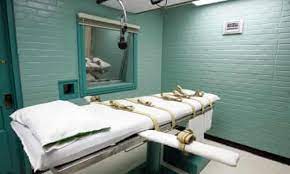
Since its inception, lethal injection has been thought to be the most humane method ever developed. In recent years, it has been challenged as more cases of botched executions come about. The botched executions of Clayton Lockett and Angel Diaz are recent well-known cases in the law community. Clayton Derrell Locket was executed in April 2014 in Oklahoma, when his execution by lethal injection went horribly wrong. At 38, he died of a heart attack after the lethal injection protocol failed. Witnesses recalled seeing him tense up and flinch multiple times throughout the execution [5]. It was reported that his veins had collapsed, and the staff had to use a vein in his groin area to administer the rest of the dose and complete the execution behind closed blinds in the death chamber.
Angel Diaz was executed in Florida in 2006 by lethal injection, when his execution was botched due to the needle missing the vein and injecting the execution cocktail into his soft tissue. He was awake for most of the execution and experienced chemical burns around the injection site, causing him to take more than a half hour to die while he remained in apparent pain [6]. Diaz’s skin turned black and peeled off at the burn sites. These “painful” deaths have brought the efficacy of lethal injection into question, like the cases discussed prior. Many alternative methods of execution are gaining momentum in states like Utah, Oklahoma, and Tennessee. In Tennessee, some offenders have actually been able to request another method like electrocution. Nicholas Sutton, like four other inmates before him, chose to die by electrocution in 2018 [7]. These men chose this method because of the “extreme discomfort” that could be caused by lethal injection drugs. Apparently, these inmates understand that there is a chance of regaining consciousness and that pharmaceutical companies are making it much more difficult to obtain the necessary drugs (usually midazolam, vecuronium bromide, and potassium chloride).
There have been multiple attempts to replace lethal injection with nitrogen hypoxia, a gas method where all oxygen is depleted in an enclosed chamber and replaced with nitrogen gas. This causes the offender to simply lose consciousness and die of oxygen deprivation. Bucklew v. Precythe proved that this method is not widely practiced and tested, and therefore cannot be approved as an appropriate method. Factually, many people use this method in unassisted or assisted suicides. Further research needs to be conducted to determine the efficacy of this method.
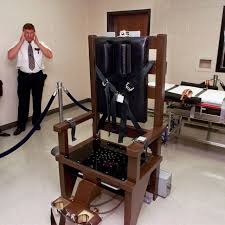
How does this tie into trauma? Humans like to feel in control of every aspect of their lives, even death if possible. Hearing horror stories from other inmates about what awaits them while on death row can lead to serious psychological issues like paranoia, major depression, anxiety, and other disorders. Feeling out of control of it all only exacerbates the issue at hand. This can make the end of the offender’s life rather unbearable and can even make them physically ill. I think a reasonable approach would be to develop a feasible program that would allow for the offender to pick his or her own method of execution. They should be able to protest lethal injection if they so choose. Though the Supreme Court ruled in constitutional and that a painless death is not guaranteed, I believe that in the 21st century, we should reassess the potential for comfortability in capital punishment and weigh the humanity of the suffering that occurs.
I used to be in favor of not “caring” about the efficacy of the death penalty, because I believed that every person who was put to death deserved to die painfully. Ever since I lost a close friend to a violent death, I have changed my stance on that. I do not believe that anyone should die painfully or violently. Obviously it seems senseless to care about whether or not someone who is sentenced to die will experience trauma or emotional distress in their final years, months, weeks, and days, and it seems a bit late to be concerned about it because it will not cause any more violence by that offender. This is not entirely true, because offenders are highly likely to lash out at other inmates and get violent if they are provoked by trauma and paranoia. Additionally, the prisons that death row offenders are placed in are unusually tough environments, which by themselves can attribute to unwanted psychological damage. We discussed in class that trauma is causal to violence, wherein offenders are much more likely to commit a crime or get violent if they have experienced trauma, as a way of coping and expressing their frustrations. Psychological care should be more emphasized in prisons, particularly on death row. Therapists and counseling should be offered more frequently and consistently for these inmates who are approaching the end of their sentence.
Sources:
[1] Amber Widgery, Karen McInnes. States and Capital Punishment, National Conference of State Legislatures, 24 Mar. 2020, www.ncsl.org/research/civil-and-criminal-justice/death-penalty.aspx.
[2] Baze v. Rees, 553 U.S. 35 (2008).
[3] Glossip v. Gross, No. 14-7955, 576 U.S. (2015).
[4] Bucklew v. Precythe, No. 17-8151, 587 U.S. (2019)
[5] Oklahoma Dept. of Corrections. “Clayton Derrell Lockett.” Clark Prosecutor, 30 Apr. 2014, www.clarkprosecutor.org/html/death/US/lockett1379.htm.
[6] Aguayo, Terry. “Florida Death Row Inmate Dies Only After Second Chemical Dose.” The New York Times, The New York Times, 15 Dec. 2006, www.nytimes.com/2006/12/15/us/15death.html.
[7] Rojas, Rick. “Why This Inmate Chose the Electric Chair Over Lethal Injection.” The New York Times, The New York Times, 19 Feb. 2020, www.nytimes.com/2020/02/19/us/electric-chair-tennessee.html?auth=login-google.
[8] “Ronnie Lee Gardner.” Utah Department of Corrections, Clark Prosecutor, 18 June 2010, www.clarkprosecutor.org/html/death/US/gardner1217.htm.
Bartol, C. R., & Bartol, A. M. (2021). Criminal behavior: a psychological approach. 12th Edition. Boston: Pearson.
Rousseau, D. (2021). Study Guide. Forensic Behavior Analysis. Boston University.
The Impact of Mass Shootings on Survivors
Since August 1966, a total of 1,312 people have been killed in 187 mass shootings in the United States (Berkowitz & Alcantara, 2021). Those murdered came from nearly every race, age, religion, and socioeconomic background. However, thousands more have been injured - both physically and psychologically. Research suggests that most survivors of mass shootings show resilience, but others experience ongoing mental health problems, including post-traumatic stress, depression, anxiety, and substance abuse (Novotney, 2018). Psychologists have identified three phases of response experienced by survivors and witnesses and offer up strategies for immediate and long-term interventions. Public health, behavioral health, and emergency management professionals can use this evidence to improve their disaster behavioral preparedness plans and recovery from mass violence.
Bartol and Bartol (2021) define mass murder as “the killing [of] four or more persons at a single location with no cooling-off period between murders.” Although relatively rare, mass murders have increased in the United States over the past three decades, a reality commonly attributed to the widespread availability of guns. Following mass shootings, survivors or witnesses may go through phases where certain emotions, behaviors, and other reactions are relatively standard. According to SAMHSA (2017), these three stages of shock and healing are:
- Acute phase - characterized by denial, shock, and disbelief
- Intermediate phase - characterized by fear, anger, anxiety, transient panic, retaliatory attacks, difficulty paying attention at work or school, depressed feelings, and disturbed sleep
- Long-term phase - characterized by coming to terms with realities with alternating periods of adjustment and relapse
In the acute phase, it is most helpful to provide survivors with resources, information, debriefing, and social support. Connection over isolation has been supported by research as extremely beneficial immediately following mass shootings (Novotney, 2018). During the intermediate phase, psychologists can train the community about the importance of trauma-informed care in order to help survivors rebuild a sense of control as well as improving physical, psychological, and emotional health. If untreated by the long-term phase, behavioral health reactions (flashbacks, anxiety, self-medicating) can become mental health or substance abuse disorders that require more specialized care.
When determining which mass shooting survivors and witnesses will need long-term help, researchers point to their proximity to the incident. A meta-analysis examining post-traumatic stress symptoms discovered that those who were most directly exposed to the shooting (physically injured, saw someone else get shot, lost a friend or loved one), as well as those who perceived that their own lives were in danger, are at much greater risk for long-term mental health consequences than survivors who may have been hiding or farther from the shooting (Novotney, 2018). Prior trauma exposure and pre-existing mental health symptoms also predispose vulnerable survivors to post-traumatic stress.
Survivors’ long-term health and wellness are dependent on having strong social support systems - there is an innate human need to feel connected to their communities in the aftermath of a mass shooting. Memorial events, such as candlelight vigils, play an important role in community recovery. Continued education in schools, faith-based organizations, and recreation centers help survivors learn skills to manage their distress and enhance social connections. As Novotney (2018) so eloquently phrased it, “bringing people together to promote connections and collective healing after a tragedy is often what strengthens families and communities the most.” Survivors and witnesses of mass shootings need to know they are not alone in their pain and suffering, and that social support is crucial to coming to terms with the tragic event and reconstructing their lives.
References:
Bartol, C., & Bartol, A. (2021). Criminal behavior: A psychological approach (12th ed.). Boston, MA: Pearson.
Berkowitz, B., & Alcantara, C. (2021, April 20). The terrible numbers that grow with each mass shooting. The Washington Post. Retrieved from https://www.washingtonpost.com
Novotney, A. (2018, September). What happens to the survivors? Monitor on Psychology, 49(8). http://www.apa.org/monitor/2018/09/survivors
SAMHSA. (2017, September). Disaster technical assistance center supplemental research bulletin: Mass violence and behavioral health. Retrieved from https://www.samhsa.gov/sites/default/files/dtac/srb-mass-violence-behavioral-health.pdf
Blog Post
Suicide is the leading cause of death among incarcerated individuals in the United States (Katsman and Jeglic 2020). This is nine times the rate of non-incarcerated adults. Some of the risk factors and explanatory mechanisms for this accumulation of maltreatment in childhood, feelings of hopelessness, and history of untreated depressive symptoms that lead to increased rates of impulsivity (Carli et. al. 2010; Wanklyn et. al. 2012; Ruch et. al. 2019; Katsman and Jeglic 2020). In a study of 1,118 incarcerated men Katsman and Jeglic (2020) found that 18% had attempted suicide at least once, and of those 51% had attempted suicide two or more times. An additional 16% had reported suicidal thoughts that they did not act upon. Additionally, they found that younger, white, divorced men were the group with the highest self-reported propensity toward suicide. Additionally, they find that those who grew up in the foster system were significantly more likely to attempt or consider suicide than those who did not. Similarly, those who reported having experience sexual abuse in childhood and those who grew up with at least one adult in the home abusing drugs or alcohol were also more likely to consider or attempt suicide. In another study, Carlie et. al. (2010) find that of their sample of 1265 male incarcerated individuals 42% report suicidal thoughts, with 13% attempting at least on time and 17% having a history of self-harm or mutilation. These men reported a history of substance use and scored higher on scales of aggression. They did not find impulsivity to be a factor.
This relates to research on juvenile offenders. Juvenile offenders who consider or attempt suicide while in custody are more likely to report physical and sexual abuse in the home, a parent or guardian who abused drugs and alcohol, and experienced a history of neglect and maltreatment (Wankyln et. al. 2012; Ruch et. al. 2019). In the case of juvenile offenders, the explanatory mechanism is related to a history of neglect and maltreatment that leads to depressive symptoms that go untreated or undiagnosed which leads to the development of low impulse control. This, when combined with incarceration, leads to feelings of hopelessness and suicidal thoughts and attempts (Wankyln 2012).
Tsopelas (2020) argues that the lack of privacy, overly rigid disciplinary tactics in prison, the constant fear of violence, and the guilt and hopelessness all lead to mental health crisis during incarceration that the prison and jail systems are unable and unwilling to focus on. From this we can see suicide prevention as an ethical issue to address in prisons.
Suicide is a major issue that is overlooked in the criminal justice literature. If suicide is the leading cause of death in the prison system, why does it get so little attention? I was interested in research this topic some because during my classes in this program, I have noticed the ethical issues of what care prisoners are entitled to come up many times. We have an attitude in this society that if someone has committed a crime, they should endure the consequences. Yet, if we treat their lives as not being important, that seems to lead to a situation where incarcerated individuals will be more likely to keep committing crimes because of hopeless and lack of other options. I think this is an issue that needs much more attention.
Cari. V. et.al. (2010). “The role of impulsivity in self-mutilators, suicide ideators and suicide attempters—A study of 1265 male incarcerated individuals.” Journal of Affective Disorders, 123(1): 116-122. https://doi.org/10.1016/j.jad.2010.02.119
Katman, K. and E. Jelgic. (2020). “An analysis of self-reported suicide attempts and ideation in a national sample of incarcerated individuals convicted of sexual crimes.” Journal of Sexual Aggression, 26(2): 212-231. https://doi.org/10.1080/13552600.2019.1611959
Tsopelas, C. (2020). “Moral Obligation to Acknowledge and Prevent Suicide in Life Sentence Incarcerated Inmates.” European Psychiatry, 33(21). https://doi.org/10.1016/j.eurpsy.2016.01.1662
Ruch, D. et al. (2019). “Characteristics and Precipitating Circumstances of Suicide Among Incarcerated Youth.” Journal of the American Academy of Child & Adolescent Psychiatry, 58(5): 514-524. https://doi.org/10.1016/j.jaac.2018.07.911
Wanklyn, S. et. al. (2012),” Cumulative Childhood Maltreatment and Depression Among Incarcerated Youth: Impulsivity and Hopelessness as Potential Intervening Variables.” Child Maltreatment, 17(4): 306-317.