CJ 725 Forensic Behavior Analysis Blog
Risk Assessment-Forensic Behavior Analysis
Risk assessment can be determined by forensic psychologists within the prison system to justify whether or not a prisoner is at risk for committing more crime when they are released from prison. A risk assessor is there to prevent criminals from getting out of prison if they still have a key factor in their mind that would make them want to commit crime. There are many different kinds of risk assessment, one of them that stands out is "threat assessment". When looking at how individuals came about committing crime and becoming criminals, there are different social and environmental factors which can take place to cause these outbursts as criminals. There is also the term "dangerousness". Dangerousness is the thought of how dangerous an offender might be when they are re-integrated to the community (Bartol & Bartol, 2020). Risk assessment also includes the understanding of family life, peer interactions, household environment, and individual mental health states. By examining all of these environmental factors as well as different risks that correspond to the environmental factors, researchers will be able to come up with conclusions about how individuals develop criminal tendencies and how they might develop mental health, whether it be genetic or learned from family or peers. "Risk assessment suggests that clinicians and researchers are more proficient at assessing the probability that a given individual—or group of individuals—will engage in harmful behavior than they are at out rightly predicting that someone is dangerous or will be violent" (Bartol & Bartol, 2020).
According to Dr. Rousseau, “Outcomes of forensic assessments can be used to determine criminal responsibility, culpability, capacity to stand trial, and risk of re-offense. Forensic assessment can inform not only court procedures and outcomes, but also placement and treatment planning” (Rousseau, 2023). “In addition to general psychological-testing tools, there are tools that are designed specifically for forensic assessment and the assessment of risk of criminal behavior. Forensic risk-assessment strategies are commonly integrated into a psychological-testing protocol when one is dealing with a client involved in the criminal justice system” (Rousseau, 2023). There is a benefit to having risk assessment within the prison system to make sure that the prisoners who need treatment the most get it. As mentioned above, the program helps place individuals in treatment programs and place them in certain prisons that would benefit them in the long run.
According to the American Psychological Association, “They can give an informed opinion of whether a suspect knew right from wrong at the time of a crime and even whether a minor is being truthful in recounting an unlawful act. Some forensic psychologists work in the area of threat assessment, an emerging science predicting who may be at risk for committing a violent act” (APA, 2014). Understanding the roles of forensic psychologists within the criminal justice system is important because it will help individuals like researchers who are outside of the criminal justice system understand what their mission is and how it is beneficial for everyone that criminals are diagnosed and get the help they need if they are living under a mentally unstable life. Threat assessment is another program which pinpoints the problem and makes sure that it is resolved before the reintegration process is started. After they do their time whether it be at a prison or in a mental institution getting the treatment they need, then the forensic psychologist makes sure that the offender is able to get back into society or if he or she will be a risk to society when they are released. This kind of goes hand in hand with veterans, after coming back from overseas and fighting wars, the forensic psychologists can determine whether or not they need treatment to get them used to the way society is run and make sure they are ready to return to society at the best they can be without having a relapse of fear or anger from their overseas battle (APA, 2014).
The question of owing morale to different branches has come about when talking about forensic psychologists. After they do their time whether it be at a prison or in a mental institution getting the treatment they need, then the forensic psychologist makes sure that the offender is able to get back into society or if he or she will be a risk to society when they are released. This kind of goes hand in hand with veterans, after coming back from overseas and fighting wars, the forensic psychologists can determine whether or not they need treatment to get them used to the way society is run and make sure they are ready to return to society at the best they can be without having a relapse of fear or anger from their overseas battle (APA, 2014).
Overall, by having a specialized unit in the prison system for forensic psychologists to work is a good idea when thinking about the risk assessment and threat assessment models. By having these forensic psychologists work daily to improve this program and find treatment for the criminals incarcerated, this will benefit the overall threat to the community if the criminal gets out of prison. There are specialized units within Law Enforcement Agencies which work directly with the community for community engagement and to make sure that everything is ok in peoples minds and at their homes. For example: a Problem Oriented Policing Unit is formed to follow up with victims of domestic violence. They follow up with them to make sure that everything is ok within the household and their life overall. If there is the slightest of problems, then the officers will find different treatment or counseling programs they could attend to put them back on their feet and get them motivated to move past the incident that occurred in the past.
References:
American Psychological Association. (n.d.). Forensic and public service psychology. American Psychological Association.
Bartol, C. R., & Bartol, A. M. (2020). Criminal Behavior: A Psychological Approach (12th ed.). Pearson Education (US)
Rousseau, D. (n.d.). Assessment In Forensic Psychology. Onlinecampus.bu.edu.
Sexual Offenses & Treatment
When I first started working in the criminal justice system in Montana, I was convinced that I would never be able to work with offenders who have committed sexual offenses. I thought that I knew too many people who had been assaulted and had too many personal experiences and that it would be incredibly difficult for me to be able to work with those types of offenders and remain unbiased. While it is not an easy population to work with due to the varying types of offenses (some of which are incredibly difficulty to learn about), for the most part they are also some of the easiest due to the fact that most of the time they are going through some of the most intense treatment and because they usually are not treated very well at other facilities, so they tend to follow the rules a little more strictly. This is not to say that every type of sexual offender is like this, but I would say that the majority that I have worked with are.
Something that I find really interesting about sexual offenses is the amount of different things that an individual can do to end up with the label of “sex offender.” Anything from streaking at a football game or urinating in public to assaulting multiple people can get you the same label. While I agree that there should be consequences for all of these actions, I do not believe that someone who streaks at a football game should be treated the same as someone who has assaulted multiple people. In my eyes, those crimes are not the same and I think that treating them the same could do more harm than good. Research has shown that when you mix high risk offenders with low risk offenders, the low risk offenders increase their risk instead of high risk offenders lowering their risk. This applies across the board for all types of offenders. A lot of cases that I work with in Montana are statutory cases, meaning that the offender assaulted someone who was either below the age of consent (16 in Montana) or the offender was 18 at the time and the survivor was younger than that. Statutory cases are difficult because the circumstances vary, so even within those types of situations there is an incredible amount of difference from one crime to another. Currently, treatment includes groups sessions as well as individual sessions with an LCSW or similarly licensed counselor. There are workbooks and various assignments that offenders work through, but they are all covering the same material regardless of what their specific crime is. Implementing a blanket form of treatment for anyone isn't usually the best course of action, but especially with such differences in crimes, in my mind there is no way that each person is getting their needs met and their problem areas addressed.
I am in no way advocating for there to be no treatment or consequences for sexual offenses, I am instead advocating for there to be more treatment options and that we do a better job of considering the circumstances for the offense before just assigning blanket treatment. I understand that that takes more time as well as requires more staffing to accommodate more types of treatment, but I ultimately think that it would be beneficial to have a system more tailored to specific offenses and that allows for higher risk offenders to be separated from the lower risk ones.
Veterans with PTSD more likely to have justice-system involvement than those without.
The criminal justice system refers to governmental on nongovernmental bodies that have a primary purpose of managing the accused individuals and criminals' convicts. The criminal justice system involves police officers, court, and correction officers. Every person is equal before the law in any country. However, some groups in society have some advantages over others, such that they will have more of the justice system involved than others. For example, veterans or military members, like any other person, are eligible to face the law if they get into criminal activities. It is assumed that veterans with post-traumatic stress disorder are more likely to have the justice system involved than those without PTSD (Smith, 2018). This essay explains why veterans with post-traumatic stress disorder are more likely to have the justice system involved than those without PTSD.
Veterans often involve themselves in severe encounters and fatal scenes, which can contribute to post-traumatic stress disorder development. PSTD is a mental disorder that may significantly affect veterans' psychological well-being, resulting in their involvement in criminal activities. Veterans with PSTD are more likely to have the justice system involved than those without PSTD because the former have a higher prevalence of committing crimes or getting involved in criminal-related activities due to impaired cognitive functions. Most of the time, veterans may have a PSTD. Still, it is undiagnosed such that whenever they get involved in criminal activities, the justice system will handle them just as other everyday people do without looking into the causative factor that made them involved in the criminal activity.
Post-traumatic stress disorder is a critical factor that raises veterans' risk of criminal justice involvement. Most veterans who, at one point in their life, participated in combat encounters and involvement in the traumatizing event play a significant role in their criminal behavior. For instance, most veterans are more likely to respond with anger and brutality during a combat encounter. Such responses later may contribute to a person getting into a criminal offense, which requires the justice system's involvement. According to the general strain theory, the risk of involving oneself in criminal activity is higher in someone who has experienced a traumatizing or scary event and has reported adverse effects such as anger or irritability. The veteran, in this case, becomes a perfect candidate because of their involvement in traumatic activities hence displaying criminal behaviors (Camins, 2019). According to various studies done on the association of veterans with post-traumatic disorder and involvement in the criminal justice system, it was found that veterans with PSTD who have at least once shown anger or irritability have a higher probability of being arrested as compared to those without post-traumatic stress disorder, anger outburst, and irritability.
Most of the veterans get themselves engaged in criminal activities due to PTSD that is undiagnosed. Most of the time, veterans who get convicted and incarcerated without being assessed for post-traumatic stress disorder end up worsening their condition due to the situation and circumstances they are exposed to while in jails and prisons. Even though the criminal justice system usually conducts mental health assessment and screening, screening for Post-traumatic stress disorder is not a universal requirement in prisons and jails; hence high chances of missing out on veterans convicted of crimes while having PSTD and this, in turn, affects their recovery because they will not have an opportunity to access better treatment.
One study on the relationship between combat exposure, crime, and veteran with PSTD revealed no association between combat exposure and crimes committed by veterans. However, the studies found that the prevalence of criminal justice involvement was sixty-one percent (61%) higher among veterans with post-traumatic stress disorder than veterans without any mental disorder (Finlay et al., 2019). Individuals of the male gender were more involved as compared to the females. Post-traumatic stress disorder was found to have a close connection with violent offenses. Examples of violent offenses the veterans with PTSD involved include sexual assault on others, physical assault, and robbery with violence. In connecting PSTD and violence, it was found that most veterans with post-traumatic stress disorder were guilty of committing violent crimes such as physical and sexual assaulting their victims.
In summation, veterans with post-traumatic stress disorder have a higher prevalence of involvement with the criminal justice system than those without PTSD. Therefore, it is of the essence to install effective measures in the health care facilities and criminal justice system, such as screening for PSTD to help veterans with PSTD. Most veterans with PSTD convicted of various crimes in the criminal justice system end up worsening their condition due to the harsh environment in jails and prisons. The adequate screening will enable the identification of post-traumatic stress disorder clients. Even if convicted in the criminal justice system, they will be in a better position to receive special attention and treatment. Adequate screening of veterans before convicting them will help provide better treatment, reducing the link of PSTD veterans to the criminal justice system.
References
Camins, J. S. (2019). Predicting Justice Contact in Veterans with PTSD: The Incremental Validity of Specific Risk Factors (Doctoral dissertation). https://shsu-ir.tdl.org/handle/20.500.11875/2854.
Finlay, A. K., Owens, M. D., Taylor, E., Nash, A., Capdarest-Arrest, N., Rosenthal, J., & Timko, C. (2019). A scoping review of military veterans involved in the criminal justice system and their health and healthcare. Health & Justice, 7(1), 1-18. https://healthandjusticejournal.biomedcentral.com/articles/10.1186/s40352-019-0086-9/
Smith, B. A. (2018, July). Impact of veteran status and timing of PTSD diagnosis on criminal justice outcomes. In Healthcare (Vol. 6, No. 3, p. 80). MDPI. https://www.mdpi.com/315046.
Mental Health of Cops
Officer safety is by far the most important aspect of a cop's job description, but what happens when the officer becomes a danger to themselves. The concept of ignore and override is a dinosaur, prehistoric way of thinking. "The Law Enforcement Mental Health and Wellness Act of 2017 (LEMHWA) was signed into law in January 2018, recognizing that law enforcement agencies need and deserve support in their ongoing efforts to protect the mental health and well-being of their employees. Good mental and psychological health is just as essential as good physical health for law enforcement officers to be effective in keeping our country and our communities safe from crime and violence"(US Department of Justice, n.d.).
Cops and military need to learn that it is ok to talk about what is bothering you. Whether it is to a significant other, friend, coworker, counselor or priest; talk to someone. According to bluehelp.org, there have been 100 reported cases of officer suicides this year, with 179 last year and 186 in 2020(Blue H.E.L.P, 2022). Suicide should be hunted like any other cop killer.
References
Blue H.E.L.P. (2022, March 4). The Numbers. Retrieved August 16, 2022, from https://bluehelp.org/the-numbers/
US Department of Justice. (n.d.). Law Enforcement Mental Health and Wellness (LEMHWA) Program Resources | COPS OFFICE. Retrieved August 16, 2022, from https://cops.usdoj.gov/lemhwaresources
Systems-Induced Trauma
System-Induced Trauma is a relatively newly-coined term within the mental health field. It can be defined simply as “exposure to traumatic systems,” or as “situations in which organized systems create trauma, including those designed to mitigate trauma” (Stewart, 2021; Lucero and West, 2017). These systems can include the criminal legal system, foster care system, school system, shelter systems, and the healthcare system. System trauma can be caused by: having police show up to an incident with the fear of being murdered, being forcibly removed from your home, the stress of not reporting to work or school, testifying or being present in court as a victim or a witness and repeating the facts of the a crime and being challenged on the validity, the isolation, neglect, and mental and physical harm that can occur in correction facilities and foster care placements, living with complete strangers, having multiple placements, potential for physical and sexual abuse, the neglect, dismissal, and misdiagnoses by the professionals meant to care for you, consistent suspensions and expulsions with little alternatives to finishing school, and being forced to comply with medication management. Navigating multiple systems throughout a lifetime can compound the impacts of this type of trauma.
If you are a uniformed person that arrives at incidents, a case manager that decides the safety and well-being of children, or clinicians working with high-need clients, I challenge you to consider the fears and anxieties of the people you’re serving. I also challenge you to not be afraid to ask the family, the client, the person in crisis what they need at that moment. Reflect on how your decisions as the professional will impact the client and their families. Trauma-informed care is a term used in many fields and the goals are to recognize when the effects of trauma are showing up for clients and how to mitigate causing any more harm. Trauma-informed care will look different within the different realms of community support and helping professions. However, the goal for all of us should be to not cause any more harm.
Lucero, K., & West, K. (2017, December 20). Moving Towards a Trauma‐Responsive Practice in Treatment Court Teams. San Diego; California Courts The Judicial Branch of California.
Steward, N. (2021, January 29). What is system-induced trauma? Continued Social Work. Retrieved August 17, 2022, from https://www.continued.com/social-work/ask-the-experts/what-is-system-induced-trauma-84
Trauma: The Event and the Aftermath
Cady Balde
August 15, 2022
Trauma
Trauma is defined as a significant emotional response to an event or series of events that induces stress. Depending on the event, trauma is comprised of three main categories: acute, chronic, or complex. Acute trauma is the result of a single incident, such as witnessing a shooting. Chronic trauma is categorized as continuous or prolonged, like domestic violence. Complex trauma is the combination of multiple events which is commonly associated with child maltreatment. Trauma is individualized; therefore, it affects every person differently—even in the aftermath. Some individuals who’ve experienced a traumatic event can exhibit psychological symptoms such as denial or emotional avoidance. Helpful aids such as cognitive behavioral therapy (CBT) can help regulate emotional responses. However, others can experience more severe side effects like withdrawing from others, suicidal thoughts, or developing post-traumatic stress disorder (PTSD) and substance abuse disorder.
PTSD
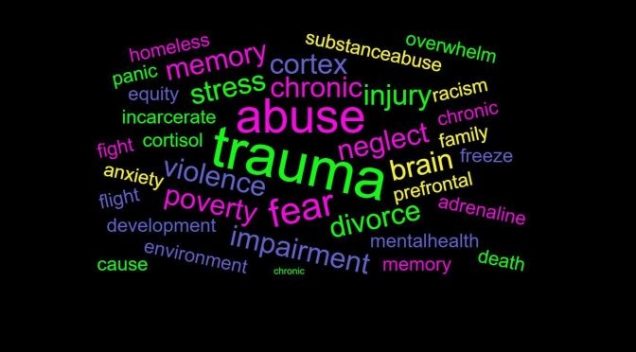
The Mayo Clinic defines PTSD as a “mental health condition that's triggered by a terrifying event — either experiencing it or witnessing it. Symptoms may include flashbacks, nightmares, and severe anxiety, as well as uncontrollable thoughts about the event” (Mayo Clinic, 2018). A study revealed that nearly “one-third of people exposed to trauma develop PTSD. Men report higher incidences of trauma, but women are more likely to develop PTSD” (Mcmahon, 2018). A sad dichotomy for those suffering from PTSD is the destructive pathway to substance abuse. Those suffering from PTSD often resort to drugs or alcohol to gain control, self-medicate, and ultimately cope. Psychology professor, Matthew Tull, revealed that 46% of individuals suffering from PTSD will also struggle with alcohol or drug use disorders (Arrow Passage Recovery, 2021). Situations like these, where an individual is seemingly stuck in a never-ending cycle of trauma, can render them helpless and leave friends and loved ones confused.
Recovery

A government program that offers a lending hand to such individuals is Washington, D.C.’s MyRecoveryDC initiative. MyRecoveryDC collaborates with certified peers who have completed their own recovery process with District-based residents who are just starting their recovery journey. This program aims to break down stigmas surrounding PTSD and the subset of related issues that follow, such as drug and alcohol abuse disorders. MyRecoveryDC serves as the initial hard conversation for someone struggling with addiction to someone struggling. Michelle, a certified DC Peer Counselor, shared her long-time struggle with alcohol abuse, stating, "None of us can do this by ourselves." If we could, then we probably would have. But that’s not how it works "(D.C. Department of Behavioral Health, 2021). Support is a vital component of overcoming traumatic events and disorders that they accompany.
References
Arrow Passage Recovery. (2021, April 29). Complex PTSD and Addiction | How is C-PTSD Different? | Arrow Passage. Arrow Passage Recovery Center. Retrieved August 15, 2022, from https://www.arrowpassage.com/complex-ptsd-and-addiction/
D.C. Department of Behavioral Health. (2021, June 3). DC Health Launches MyRecoveryDC to Raise Awareness of Addiction Treatment Services, Share Inspirational Stories of DC Residents in Recovery. DOH. Retrieved July 17, 2022, from https://dchealth.dc.gov/release/dc-health-launches-myrecoverydc-raise-awareness-addiction-treatment-services-share
Mayo Clinic. (2018, July 6). Post-traumatic stress disorder (PTSD) - Symptoms and causes. Retrieved August 15, 2022, from https://www.mayoclinic.org/diseases-conditions/post-traumatic-stress-disorder/symptoms-causes/syc-20355967
Mcmahon, D. (2018, December 17). When Trauma Slips into Addiction. The Imprint. Retrieved August 15, 2022, from https://imprintnews.org/child-trauma-2/when-trauma-slips-into-addiction/32462#:~:text=Trauma%20increases%20the%20risk%20of,to%20cope%20with%20traumatic%20events.
Internet Crimes Against Children
With the internet becoming more ingrained in our daily lives, it is easy to ignore the dangers that come with it. Child pornography has become more prevelant on the internet due to the ease of distribution and the ease of production. Combating these individuals is a difficult task that takes coordination and cooperation over many law enforcement agencies and parents. Over the years, different organizations have been created for this purpose. One organization that has been well established is the Internet Crimes Against Children Task Force Program which was created in 1998. The goal of this program is to educate state and local law enforcement agencies on how to respond to these threats against children over the internet, as well as how to educate parents on the dangers. There are 61 task forces across the country that coordinate efforts which have trained over 675,700 members, reviewed over 844,600 complaints, and arrested over 89,400 individuals due to the received complaints (ICAC).
Society has accepted these risks for the benefits that they gain from the internet and have learned ways to protect themselves against these online predators. However, young children are using the internet more often and are a very vulnerable population. Young children are being used for pornography or are being solicited for sexual acts by grown men. Children often see the good in people and do not automatically distrust strangers. It can be difficult for a young, innocent child to imagine that a grown man would masquerade as a young child or that they would lie about their intentions. It is our duty to protect our children from these predators by ensuring that they are safe online.
The DOJ released a report for protecting children, listing six key guidelines to follow to ensure their safety. Parents can talk with their children about these guidelines, tell them why it is important to follow them, and to talk with their parents about anything that makes them feel uncomfortable. The guidelines are to:
-Discuss Internet safety with children
-Set limits about who they are allowed to communicate with
-Set limits about the type of device they can use and what applications they can use
-Use technology to protect them (set parameters online or check on what they are viewing)
-Pay attention to warning signs (mood changes)
-Report suspected abuse to authorities
(USAO-Michigan, 2020)
USAO-Michigan. (2020). U.S. Attorney’s Office Releases Tips for Protecting Children From Online Predators During COVID-19. https://www.justice.gov/usao-wdmi/pr/2020_0505_Protecting_Children
ICAC. Internet Crimes Against Children Task Force Program. https://www.icactaskforce.org
Inmate Trauma- How can it be Helped?
Across the United States, there are numerous federal, state, and county prisons. These institutions house individuals who are fulfilling a sentence due to a committed crime. However, it is rare that a person- once in the system, will be a one-time offender as the criminal justice system views high rates of habitual offenders. A large part of that could be due to the prison system itself and methods geared towards rehabilitation. Half, if not more, of the individuals entering prison or jail, are diagnosed with post-traumatic stress disorder (Widra, 2020). Once in the system, the trauma does not cease but only will continue. Attending court, receiving a sentence, and transitioning to a new type of life can all be traumatic factors in a person’s life. To that point, mental health diagnoses are high amongst those in the criminal justice system. Within the facilities, women have higher rates of abuse than men. That can take the form of physical abuse, sexual abuse, substance abuse, and more (Rousseau, 2022). Rates of depression and anxiety are seen at high rates between the sexes (Bartol & Bartol, 2021). In 2005, there were 26,396 reported incidents of inmate-on-inmate assaults (Widra, 2020). In 2016, 255 people across state and federal prisons committed suicide, while 333 individuals completed suicide in county jails (Widra, 2020).
The statistics above demonstrate that there is a mental health crisis in the United States prison system. Multiple offenders experience trauma beginning in childhood, and that cycle continues into adulthood. Post-Traumatic Stress Disorder (PTSD) can include anger outbursts, flashbacks, nightmares, sleeplessness, negative thoughts about oneself, and more (Post-traumatic stress disorder). The Trauma-Informed Theory is most helpful to assist the criminal justice system with rehabilitation. The Trauma-Informed Theory helps to recognize triggers and past traumas while learning how to move forward. The theory also teaches management and coping skills for symptoms while reducing stressors (Rousseau, 2022). Focusing on trauma can help dissipate current violence and help prevent future assaults. More than not, people who have experienced trauma are more likely to find themselves in that situation again if not intervened. I believe a focus on PTSD and trauma symptoms would further allow offenders to mend and integrate within an institution and everyday life following.
Bartol, C. R., & Bartol, A. M. (2021). Chapter 6. Criminal behavior: A psychological approach. Pearson.
Rousseau, D. (2022) Module 4: Implementing psychology in the criminal justice system. Boston University. Blackboard.
U.S. Department of Health and Human Services. (n.d.). Post-traumatic stress disorder. National Institute of Mental Health. Retrieved from https://www.nimh.nih.gov/health/topics/post-traumatic-stress-disorder-ptsd
Widra, E. (2020). No escape: The trauma of witnessing violence in prison. Prison Policy Initiative. Retrieved from https://www.prisonpolicy.org/blog/2020/12/02/witnessing-prison violence/#:~:text=Even%20before%20entering%20a%20prison,of%20the%20general%20male%20population.
Defining Trauma and Stress Related Disorders in connection to Criminal Behavior
Defining Trauma and Stress-Related Disorders in connection to criminal behavior
Trauma and stress-related disorders are conditions or problems that often manifest as a result of experiencing an event or series of events that cause a significant psychological, physiological, or spiritual impact on the individual. These include posttraumatic stress disorder (PTSD) and other trauma related disorders such as Acute Stress Disorder (ASD). These disorders can show up in various criminal behaviors including violent acts such as rape, murder and assault. At various times it is said that prison inmates are being impacted by ‘life-shattering events’ such as rape, domestic violence, and war. They can also be coping responses to such experiences. Ardino (2016) argues that, as a result of these experiences, individuals can develop physical, psychological or spiritual trauma symptoms that make them more susceptible to external influences causing their behaviors to change and increase their chances of committing delinquent acts against others.
Studies show that a majority of individuals who have experienced trauma and/or stress related disorders will become involved in some sort of criminal behavior (Ardino, 2016). Inmates also demonstrate post traumatic responses when they are treated unfairly or without dignity. This could be in explicit and subtle ways, such as isolation or humiliation, that may or may not be related to the original trauma that caused their criminal behavior. Inmates with PTSD symptoms may be more likely to act violently out of fear, anger or resentment than the general public.
References
Ardino, V. (2016). Offending behavior: The role of trauma and PTSD. European Journal of
Psychotraumatology, 3(1), 18968.
Psychopathy and Multiple Murderers: Surviving trauma? Or letting trauma survive?
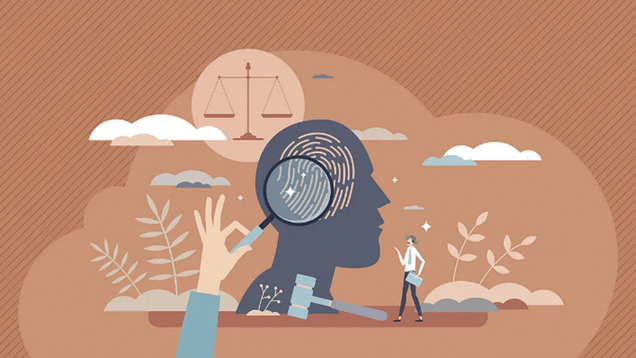
When we think of the trauma of psychopaths and multiple murderers we often default to thinking of their victims. In reality, the psychopath and/or multiple murderer was created through trauma, bringing trauma into this discourse long before their eventual victims existed. The psychopath/multiple murderer is a victim as well, just in a different way.
Does this justify their behavior in any way and make it easier for anyone affected? Absolutely not.
A psychopath and multiple murderer undoubtedly leave a trail of trauma behind for their victims and their loved ones/community, and no less attention or validation should be given to the victims. But a challenging point of view is to also consider how the offender was the victim before they committed a criminal act. The offender acts because of the trauma they have experienced, and then through their actions creating a different type of trauma for someone else.
The issues the offender faces are not justifications or defenses for their acts, but instead explanations for their behavior. It is important to identify the causes for a behavior to understand how to prevent it from reoccurring and to provide effective interventions. The intersection of trauma, the criminal justice system, and psychopathy are heavily intertwined when psychopaths and/or multiple murderers commit criminal acts that call for punishment and rehabilitation or ongoing treatment.
We will focus on a few case studies, albeit extreme ones, but prime examples of what a multiple murderer’s and/or psychopath’s background generally can look like and how the magnitude of someone’s life experience can influence their behavior. The main case study, the life story of Jeffrey Dahmer, mirrors other similar notable murderers, such as Charles Manson and Aileen Wuornos. One thing they all had in common was their experience of chronic childhood neglect and/or abuse. How can we expect someone to know how to care for themselves or others appropriately if they were cared for improperly their whole life, or just never cared for at all?

When they were not fighting, Dahmer’s father was preoccupied with his chemistry studies, while his mother was consumed by her hypochondria and depression, which entailed suicide attempts, hospitalizations, and symptoms in the home, such as not touching Dahmer at all. His parents were focused on anything other than Dahmer it seems, especially after his younger brother was born, when even more attention was displaced from him. This trend followed him throughout his lifetime when his parents finalized their divorce and his family moved out of the house, leaving him behind (Janos, 2021) and also when his parents took no action after he was sexually abused by a neighborhood boy (Higgs, 2021, pp. 10-11). In the midst of all these factors building up, Dahmer is also learning how to experiment with dead animals from his chemist father (Editors, 2021) while constantly trying to navigate his overwhelming sexual feelings. This translates later in life when he felt sexual stimulation in opening up his victims and experimenting on them. He would kill his victims not out of rage, but so they were not able to abandon him (Strubel, 2007) (Dickinson, 1992); he was able to accomplish this with the skills he learned from his father and what he witnessed through his parents’ behaviors (Bartol & Bartol, 2021, pp. 45, 49, 58, 83, 145, & 147). The neglect from his parents compounded by his lack of friends influenced by his poor social skills, his learned interests, and his family’s frequent moving did him no favors developmentally and heavily contributed to his behavior and crimes.
In all fairness, there is no known cure or treatment for multiple murderers and/or psychopathy and there is very little research into physiological and genetic causes for them. This leaves us to only consider developmental and learning/situational factors, while guessing how any biological factors have impacted these offenders. In analyzing one case biologically to give some perspective, Dahmer had a hernia surgery at four years old where his affect changed for the worse afterward (Editors, 2021) and his mother had a reportedly difficult pregnancy with him (Casey, et al.). He was exposed to heavy amounts of psychiatric and hormonal medication in the womb as well (Dickinson, 1992) which could influence antisocial behavior and behavioral issues along with socioemotional problems, diminished cognitive development, and emotional dysregulation (Bartol & Bartol, 2021, p. 48) .We are unsure how these biological factors influenced him specifically, but the point is that they could have in some capacity. From self-reporting, Dahmer disclosed that he had an uncontrollable libido (Janos 2021) (Higgs, 2021, p. 14), which is biological, but since he did not receive treatment for it or education on it, it can also be considered a learning factor. The same goes for his alcoholism; from the age of fourteen he drank heavily daily through his adolescence and young adulthood (Editors, 2021), which could have resulted in brain changes directly impacting his brain functioning (Hawes, et al., 2015, pp. 1-2) (Bartol & Bartol, 2021, p. 26) (Less, et al., 2020, p. 4). Although it is a learning factor, it could have turned into a biological factor too if it altered his anatomy. We will never know, since he was cremated and there was no research ever done on his body, pre or postmortem (Sullivan, 2018).
To compare Dahmer’s case to other similar offenders who murdered multiple times, Manson and Wuornos also experienced developmental trauma. Wuornos’ story from the get-go sets her up for failure. After her father died by suicide in jail after being convicted of child molestation, her mother abandoned her. Wuornos’ alcoholic grandparents abused her physically and sexually in addition to the sexual relations she had with her brother. She was eventually forced out of her home and rendered homeless in her teenage years, when she also gave birth to a son who she did not raise. To survive Wuornos worked as a prostitute most of her life and eventually killed multiple men that she met while prostituting and hitch hiking (Shelton, 2021). It can be deduced that Wuornos’ adult behavior is a result of many types of traumas she endured throughout her lifetime and a lack of any significant attachment from that trauma.
Similarly to Wuornos, Manson never met his father and his mother abandoned him for long periods of time in his childhood. She struggled with alcoholism, criminal behavior, and maintaining relationships; at one point she was incarcerated in his youth and he stayed with other family during that time who doled out humiliating punishments to him. Manson started engaging in socially inappropriate and criminal behavior from a young age when he had no oversight and was in and out of reformatory schools, one of which he was raped at. After that he was caught sexually assaulting others multiple times and continued engaging in criminal behavior, escalating the severity and frequency of the behavior over time until he is caught facilitating murders through a cult where he coerced others to carry out crimes for him, just like he did in school where he would influence his peers to act out. He also had poor intellectual functioning as a result of hardly any education. Yet he was able to use drugs to coerce others and feed into his delusions and worsen the symptoms of his mental illnesses (Charlesmanson.com). At this point we can see a pattern between all three murderers and how their childhood was riddled with lack of attachment, affection, education, appropriate social skills, survival needs, and support. Just as we cannot expect a flower to grow or flourish without being cared for with proper nutrients and conditions, we can not expect the same for humans either.
Without invalidating victims’ trauma, it is crucial that we also consider the trauma of the offending. Without understanding the factors for why someone behaves in the way that they do, there is no way to fix the problem. While there is no research to fully answer the origins of psychopathy, it is imperative that we acknowledge how life experiences affect us. In these cases, every offender experienced chronic and severe abuse and/or neglect. They were not equipped with the proper tools to self-care or to care for others. In their own ways they were stunted developmentally mentally, socially, and emotionally (and in some cases intellectually). It is invaluable to recognize how behavior can be created and learned, so providing treatment and guidance at young ages for children who are identified as trauma affected is a good step in working toward preventing psychopathy and other personality disorders. Dahmer expressed that he experienced compulsions and could not control his actions. Bartol & Bartol (2021) explain how self-regulation and neuroplasticity can work in conjunction to promote executive functioning (pp. 71-72). Even if it is simple self-care like identifying positive, healthy, appropriate hobbies while providing survival needs and emotional nourishment. If in Dahmer’s, Manson’s, and Wuornos’ lifetime they were given opportunities to understand how to take care of themselves and how to appropriately regulate their emotions, mental state, and physical state, their fate and the fate of their victims could be very different.
References
Bartol, C.R. & Bartol, A.M. (2021). Criminal behavior: A psychological approach (12th Ed.). Pearson Education, Inc.
Casey, V., Clagett, L., Allen, B., Williams, L., Duff, T., Guthrie, J., Hanger, C., Glinisty, J., Harrigan, K., Hoeflinger, A. J., Logan, M., McGlothlin, J., Sebastian, S., Michlik, K., Ray, R., Records, M., Simpson, H., Smith, S., Bratton, A., … Tinsley, K. (n.d.). Jeffrey Dahmer. Department of Psychology Radford University. http://maamodt.asp.radford.edu/Psyc%20405/serial%20killers/Dahmer,%20Jeff.htm
CharlesManson.com. (2020). Retrieved August 15, 2022, from charlesmanson.com
Dickinson, C. (1992, August 27). The inner life of a psycho killer. The Chicago Reader. chicahttps://chicagoreader.com/news-politics/the-inner-life-of-a-psycho-killer/goreader
Editors. (2021, August 13). Jeffrey Dahmer biography. Biography.com. https://www.biography.com/crime-figure/jeffrey-dahmer
Elawtalk.(2022). Forensic psychology vs. criminal psychology: What’s the difference? [Photograph]. https://elawtalk.com/forensic-psychology-vs-criminal-psychology/
Hawes, S. W., Crane, C. A., Henderson, C. E., Mulvey, E. P., Schubert, C. A., & Pardini, D. A. (2015). Codevelopment of psychopathic features and alcohol use during emerging adulthood: Disaggregating between- and within-person change. Journal of abnormal psychology, 124(3), 729–739. https://doi.org/10.1037/abn0000075
Higgs, T. (2021, December). Jeffrey Dahmer: Psychopathy and neglect. All Regis University Theses. https://epublications.regis.edu/cgi/viewcontent.cgi?article=1240&context=theses
Janos, A. (2021, August 17). Jeffrey Dahmer’s childhood: A pail of animal bones was his toy rattle. A&E TV. https://www.aetv.com/real-crime/jeffrey-dahmer-childhood-serial-killer-cannibal-bones
Less, B., Meredith, L.R., Kirkland, A. E., Bryant, B. E., & Squeglia, L.M. (2020, May 01). Effect of alcohol use on the adolescent behavior and brain. Pharmacol Biochem Behav., 192, 172906. doi:10.1016/j.pbb.2020.172906
Matthieu. (2022). Iceberg with its visible and underwater or submerged parts floating in the ocean. 3D rendering illustration [Photograph]. Adobe Stock. https://stock.adobe.com/sk/search/images?k=underwater+iceberg&asset_id=369564134
Shelton, J. (2021, September 23). Haunting stories from Aileen Wuornos’s traumatic childhood. Ranker. https://www.ranker.com/list/aileen-wuornos-childhood-facts/jacob-shelton
Strubel, A. (2007, December 10). Jeffrey Dahmer: His complicated, comorbid psychopathologies and treatment implications. The New School Psychology Bulletin, 5(1). http://www.nspb.net/index.php/nspb/article/view/24
Sullivan, C. (2018, July 13). Jeffrey Dahmer biography: The cannibal killer. Biographics.org. https://biographics.org/jeffrey-dahmer-biography-the-cannibal-killer/
Walden University. (2022). Forensic Psychology at a glance [Photograph]. https://www.waldenu.edu/programs/psychology/resource/forensic-psychology-at-a-glance