Media
Explore our lab’s featured research, media coverage, and outreach activities.
Easy Read: Co-Research Mental Health Survey
This easy-read summary highlights key findings from a survey focused on stress, anxiety, and coping strategies among adults with Down syndrome. The study used a co-research approach, including team members with Down syndrome in the research process.
Down syndrome versus dementia
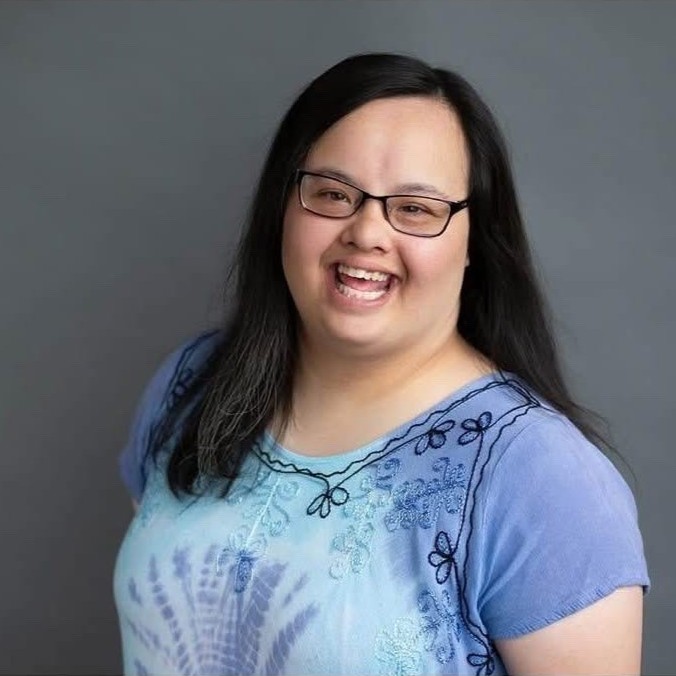
Sherman James Diverse & Inclusive Award 2025

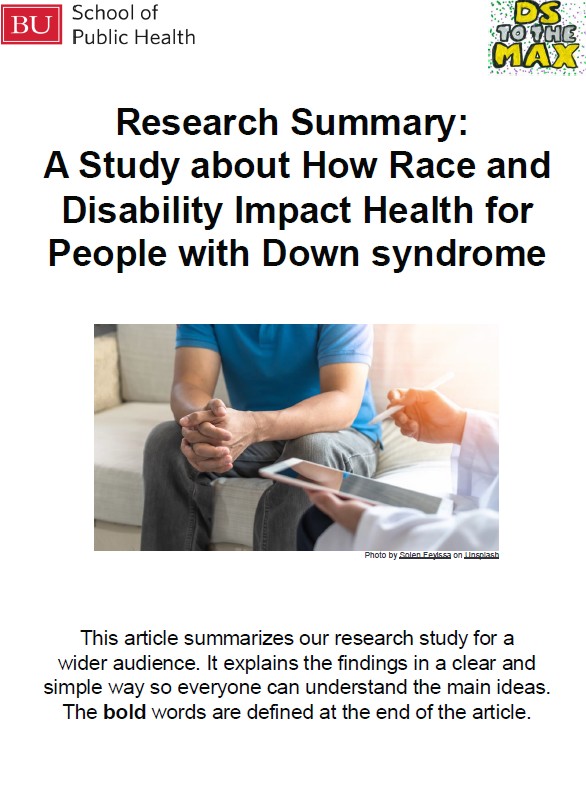
Easy Read: A study about how race and disability impact health for people with Down syndrome
By Salina Tewolde, Ashley Scott, Alianna Higgins, et al.
This article looks at how racism and disability combine to affect the health of people of color with Down syndrome, showing that many face higher rates of hospital stays and other barriers to good healthcare.
Easy Read: A Population Study of Alzheimer’s Dementia in Down Syndrome
By Eric Rubenstein, Salina Tewolde, Amy Michals, et al.
This study shows that Alzheimer’s disease is very common among adults with Down syndrome, often starting in their 50s, and calls for better understanding and care for this community.

Redefining Inclusion: Co-Researchers with Down Syndrome Set their Own Research Agenda
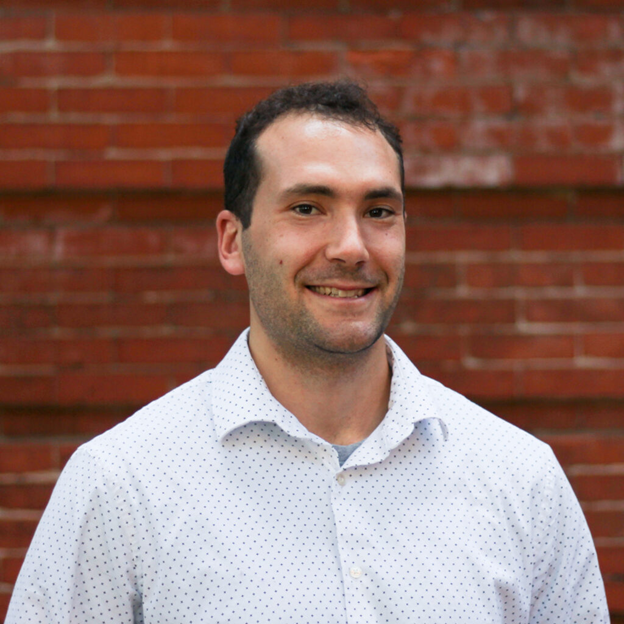
Welcome our new summer 2024 intern, Dan O’Donnell!

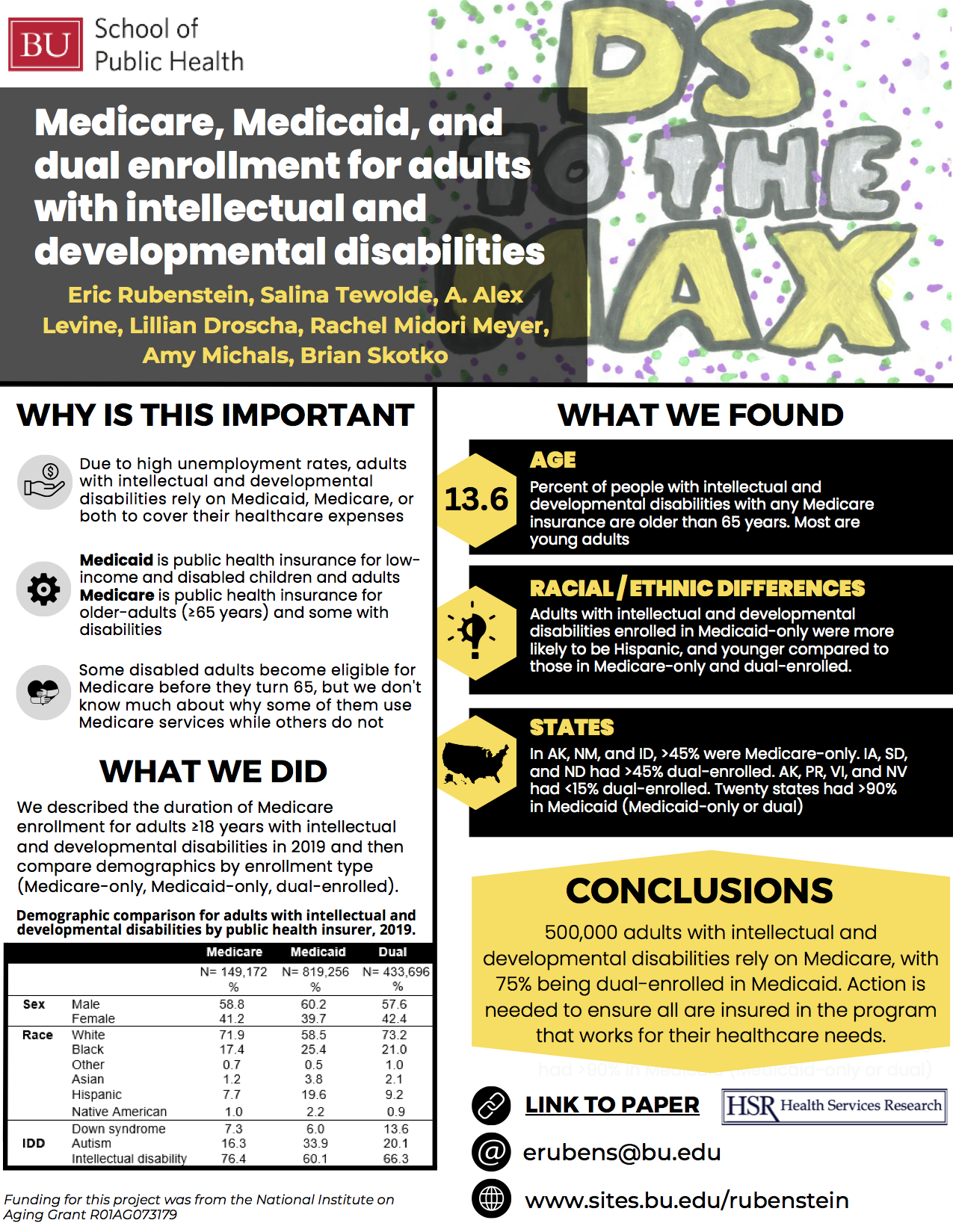
Medicare, Medicaid, and dual enrollment for adults with intellectual and developmental disabilities
By Eric Rubenstein, Salina Tewolde, A. Alex Levine, et al.
This poster looks at how adults with intellectual and developmental disabilities, including Down syndrome and autism, use Medicare and Medicaid, showing big differences by age, race, and state, and calling for fairer access to the care people need.
Easy Read: A study about Medicare, Medicaid, and dual enrollment for adults with intellectual and developmental disabilities
By Eric Rubenstein, Salina Tewolde, A. Alex Levine, et al.
This study looks at how adults with intellectual and developmental disabilities, including Down syndrome and autism, use Medicare and Medicaid, showing big differences by age, race, and state, and calling for fairer access to the care people need.

Medicaid Is a Vital Lifeline for Adults with Down Syndrome
DS-TO-THE-MAX Grant Year 2
This newsletter provides an overview of the discoveries, publications, and activities supported by Year 2 funding under the DS-TO-THE-MAX grant.

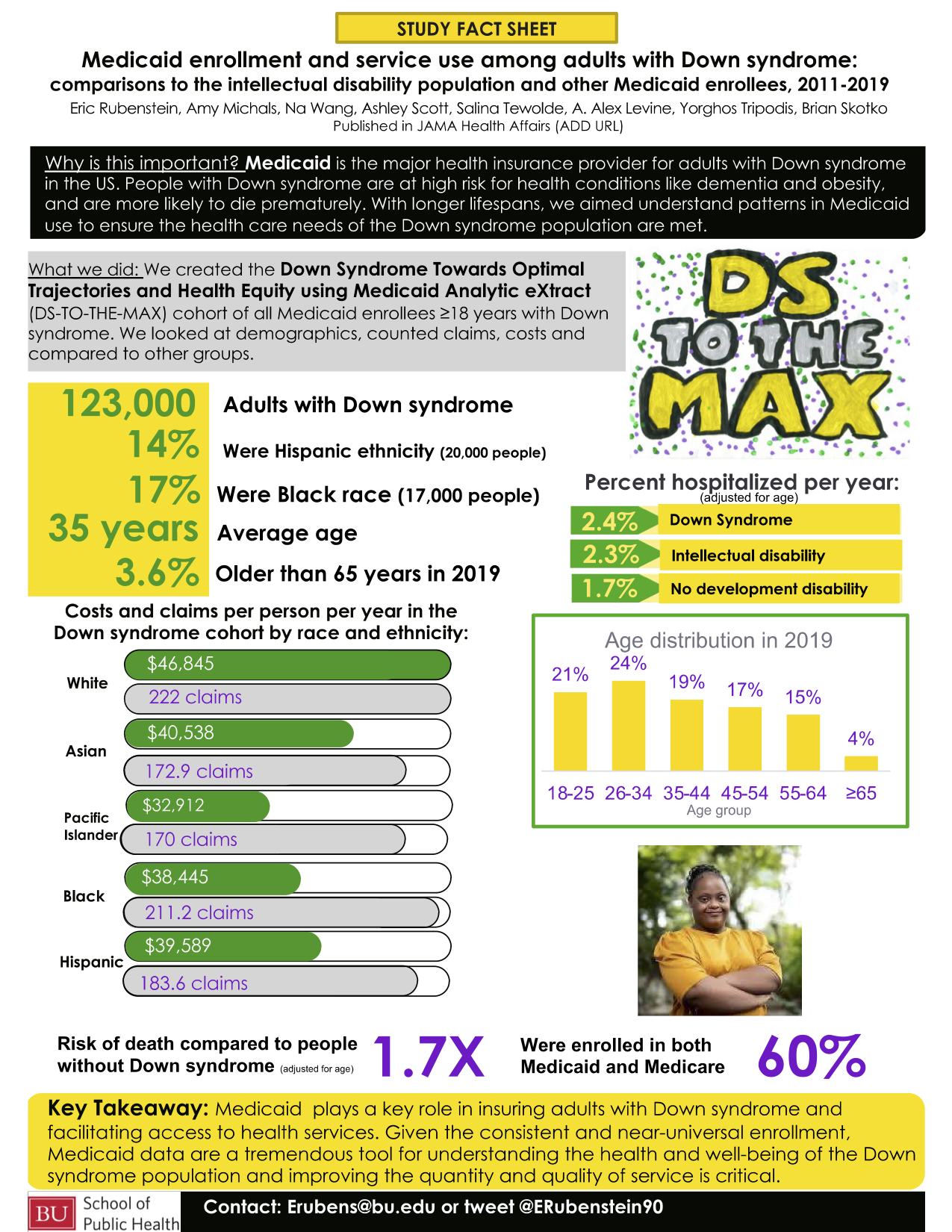
Medicaid Enrollment and Service Use Among Adults With Down Syndrome
By Eric Rubenstein, et al.
This poster shows that adults with Down syndrome rely on Medicaid for long-term healthcare coverage and use more medical services than other groups with intellectual or developmental disabilities, highlighting how essential Medicaid is for meeting their health needs.
Co-Research Blog

Welcome to our research blog! We are a diverse team of individuals, some with Down syndrome and some without, who have come together to learn about the health of people with Down syndrome. Over the past year, we have worked together, shared our experiences, and collaborated on a research project focusing on mental health. Through this blog, we aim to share our journey and experiences of being on a research team. Thank you for joining us on this exciting research adventure! If you have any questions, email us at ds2max@bu.edu!
More
Special Olympics Athletes Lead Research on Disability Health in BUSPH training program
If We Knew Then Podcast: 119. Walking The Walk, Breaking Down Stereotypes – with Dr. Eric Rubenstein and Kaethe Sigelko

If We Knew Then Podcast: 110. The Future of Research and the Hope on the Horizon with Eric Rubenstein
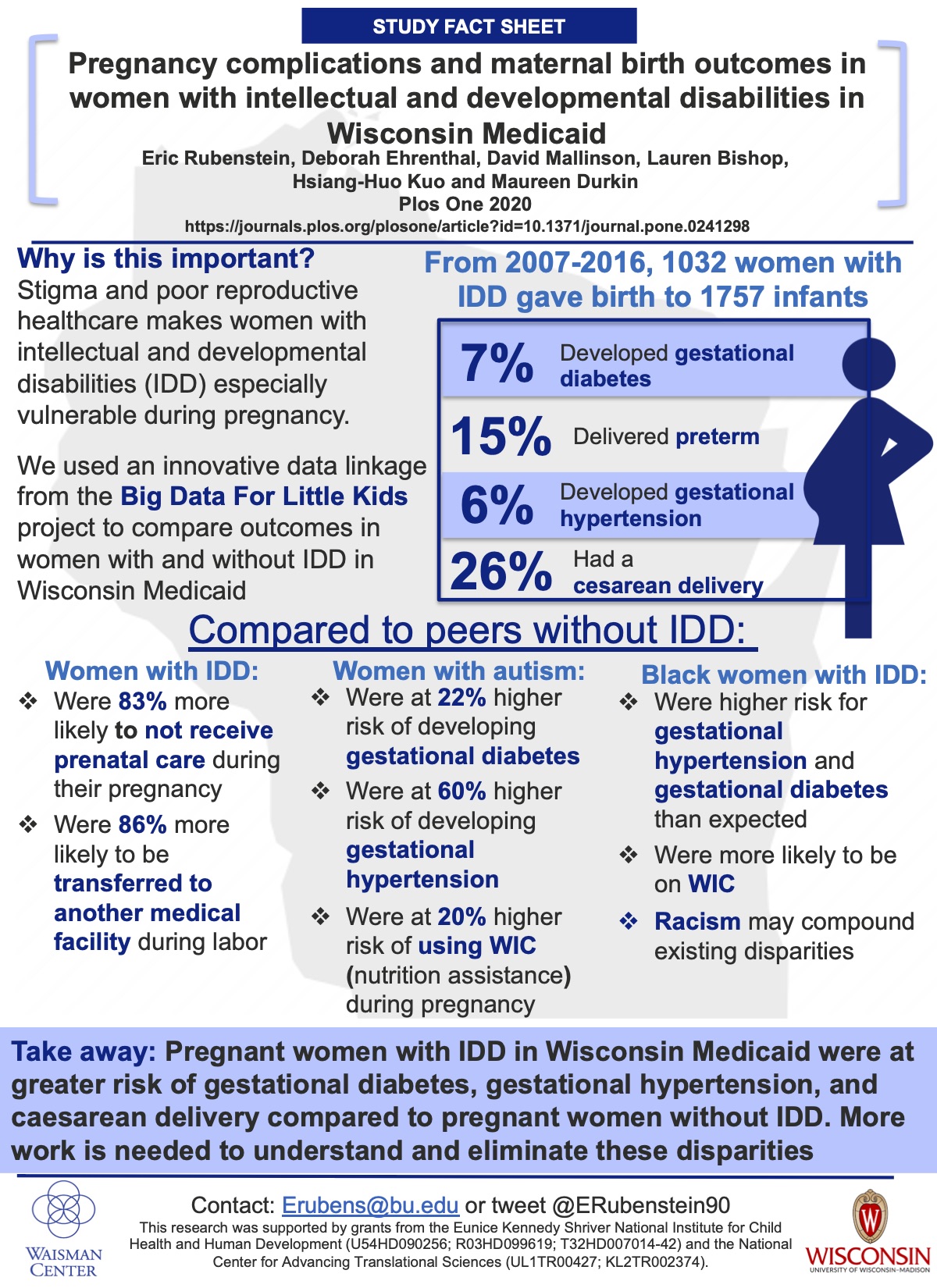
Reproductive and pregnancy health care for women with intellectual and developmental disabilities: A scoping review
By Eric Rubenstein et al.
This review found that women with intellectual and developmental disabilities often receive less reproductive and pregnancy care and education, highlighting the need for more inclusive and equitable healthcare.

The intersection of disability and homelessness in Massachusetts public schools in 2018-2019
By Eric Rubenstein et al.
This study found that students with disabilities in Massachusetts public schools were more likely to experience homelessness than their peers, showing the need for stronger support and resources for these vulnerable children and families.

Less seen less heard podcast: Learning from the disability community
Birth outcomes for infants born to mothers with intellectual and developmental disabilities
By Eric Rubenstein, et al.
This poster found that babies born to mothers with intellectual and developmental disabilities were more likely to be born early, small, or experience serious health problems, underscoring the need for better support and care during pregnancy and after birth.