Home
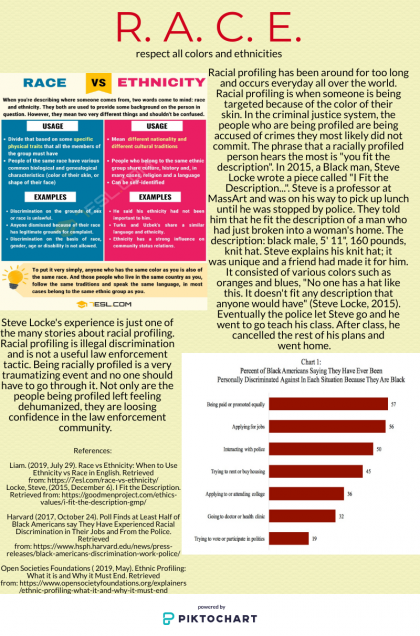
Racial Profiling
Comfort Dogs in Court: Healing Victims or Jeopardizing the Right to a Fair Trial?
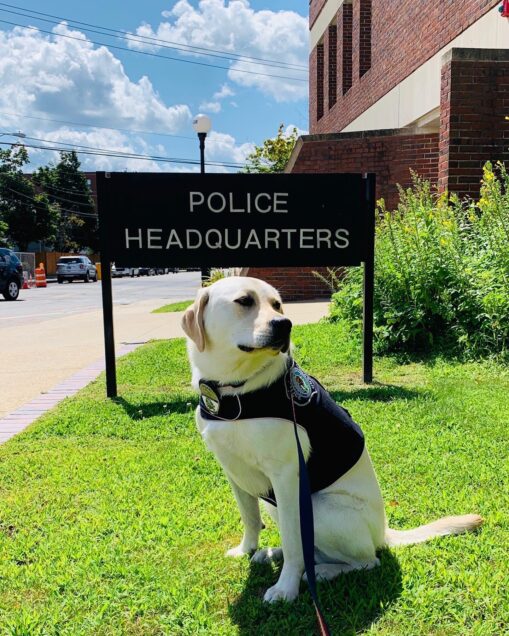 My city in New Hampshire made headlines this year for being the first police force in the state to adopt a comfort dog. In April, Liberty the yellow lab officially joined the Concord Police Department to help victims of trauma at court hearings, crime scenes, and car accidents. While Liberty has become something of a local celebrity in Concord, receiving lots of love and excitement during her visits to local schools, senior centers, and city events, most notably she recently visited the statehouse to help the Concord Police push for a bill in the state legislature. HB513--appropriately referred to as “Liberty’s Bill”--would make it legal for therapy and comfort animals like Liberty to sit alongside victims while they give testimony in court. Unfortunately, despite Liberty’s charming guest appearance, the bill became partisan and was ultimately ruled “inexpedient to legislate” which effectively killed the legislation and prevented it from being voted on ("NH BH513").
A retired local pediatrician speaking in favor of the bill argued that comfort and therapy dogs like Liberty can “mitigate [a] child’s stress allowing the child to provide more accurate and credible testimony,” (Underwood, 2019). However, the use of comfort animals in court environments has become a topic of fervent debate in recent years. Currently, 26 states have programs that allow therapy dogs in courtrooms, but in many cases where legal teams have requested the use of comfort or therapy animals during testimony on the witness stand, particularly on behalf of children, opposing counsel have frequently argued that the use of these animals undermines the right to a fair trial as they have the potential to “evoke empathy in the minds of the jurors and distract from opposing evidence,” (Holder, 2013).
 In a 2013 study published in the Houston Law Review, Casey Holder finds that despite objections to the practice, the benefits to using comfort and therapy dogs in court far outweigh the drawbacks. She finds that in particularly traumatic cases “the testimony of victims and witnesses is often crucial to the successful prosecution of a criminal case,” and that “dogs reduce the likelihood that children will be retraumatized during trial [and] allow children to more comfortably testify in the courtroom.” She argues that “courts consistently conclude that the benefit of a clear and coherent testimony outweighs any potential prejudicial effect of a comfort item on the defendant’s right to a fair trial” and urges all states to allow and promote this practice (Holder, 2013).
Victims of traumatic and violent crimes often suffer severe psychological distress and face a significant struggle during trials and court proceedings to testify and relive the events in question. Bartol & Bartol detail the difficulties of coming forward for survivors of child sexual victimization in particular--one of the areas where animals like Liberty could prove to be particularly helpful and effective--citing that “one in five survivors never disclosed childhood sexual abuse, and approximately 60 percent delayed disclosure for over five years after the first episode” (Bartol & Bartol). In many cases, therapy dogs have enabled victims to open up about their trauma while helping them to reduce feelings of fear and anxiety, and better cope with the “severe emotional and psychological stress” of testifying in a courtroom (Holder, 2013).
Whether or not Liberty will one day get to do her job in a courtroom remains unforeseen. Given the significant academic research and evidence of the benefits of therapy animals for victims of trauma, this matter poses an important question for our criminal justice system moving forward--do we value the psychological safety and comfort of victims or the constitutional right to a fair trial more highly?
References:
Bartol, Curt. Criminal Behavior (p. 384). Pearson Education. Kindle Edition.
Holder, Casey. (2013). All dogs go to court: The impact of court facility dogs as comfort for child witnesses on a defendant's right to a fair trial. Houston Law Review, 50(4), 1187.
New Hampshire HB513: 2019: Regular Session. (n.d.). Retrieved December 5, 2019, from https://legiscan.com/NH/bill/HB513/2019.
Underwood, K. (2019, January 29). NH Police Department to Receive Comfort Dog. Retrieved December 5, 2019, from https://www.nbcboston.com/news/local/Concord-Police-Department-New-Hampshire-Gets-Comfort-Dog-505046172.html.
Human Trafficking
For my blog post I picked something that hit really close to home for me. A few weeks ago a female was apprehended after being indicted in a human trafficking drug ring that has been going on since 2016. The reason this hits really close to home is because in the past several months there have been a handful of unsuccessful attempts to abduct women from local grocery stores. One of those was my mother’s boss. The woman who was apprehended had actually worked with me just a few weeks prior to being caught. I even trained her.
We have discussed crimes such as rape and sexual predators. This young woman whose was apprehended was a victim of human trafficking in the past. She even spoke on the Health Panel at the 9th Annual Human Trafficking Awareness day, to tell her story and help lead the fight against human trafficking. Her charges range from charged with one count each of engaging in a pattern of corrupt activity, trafficking in persons for commercial sex acts, compelling prostitution, promoting prostitution and kidnapping.
In module five on looking at offenders it ask you what image comes to mind when you think of the typical sex offender” (Rousseau, 2019). The image I had in my head was definitely not one of the females that I had previously worked with. Biological, psychological , and social factors play a big role. In this case (which is in the early stages) psychological factors play a huge role. The trauma she had suffered before no doubt contributed; social factors could play a big role as well. The areas she grew up in before moving down to this area in Ohio played a big role because of the individuals she was previously involved with.
I am attaching a link to one of the articles. https://www.dispatch.com/news/20191119/seven-indicted-in-suspected-human-trafficking-ring
References
Rousseau, D. (November 2019). Lesson 5.2 Sexual Offenses and Treatment.
Animal Assisted Therapy for Trauma

I have always been interested in animals and therapeutic effects they can have for humans. Animal assisted therapies are often used in cases of mental health services for patient trauma, and there are also many instances in which we see animals as a therapeutic mechanism for those who have engaged in criminogenic behavior.
It is no surprise that animal-assisted therapies can be incredibly helpful in cases of trauma. Puppies Behind Bars (PBB) is a New York program “committed to mitigating and increasing the awareness of PTSD” (Robinson, 2019). PBB incorporates prison inmates to raise the service dogs, and then uses the service dogs to help veterans and first responders with PTSD. It consists of a 14 day long process, called “team training”, that incorporates the inmates, dogs, and first responders and veterans. (Robinson, 2019) After learning everything we have in this course, it is evident that this social support that is developed in this program is beneficial to the inmates and veterans and first responders alike, as social support is incredibly important in therapy and rehabilitation of any kind. The founder of this program, Gloria Sotga, explains that she has “seen that dogs bring out the best in people, regardless of their circumstances, and by working together with a common goal...the divisions between people on the “outside” versus people on the “inside” begin to blur” (quoted in Robinson, 2019). In addition to social supports and working toward a common goal, Animal-assisted therapy has been shown to lower blood pressure as well (Robinson, 2019), and this can occur from something as simple as watching fish in an aquarium. A 2015 systematic review by O’Haire, Guerin, and Kirkham found that in those who have experienced trauma, including those with PTSD, animal assisted therapy, showed reduced depression, reduced PTSD symptomology, and reduced anxiety. These therapies consisted mainly of dogs, but horses and other farm animals were also examined (O’Haire et. al, 2015). Activities in these animal assisted therapies can include anything from incorporating dogs into clinic-based therapy sessions, and an interesting factor was that “the effects of dogs were generally enhanced by telling a therapeutic story about the dog, which may be attributed to giving the dog a role and integrated purpose in the therapy session, rather than being a mere entity in the room” (O’Haire et. al, 2015, p. 5). In my personal opinion, I think that this speaks to the social aspect of trauma, as even though these therapy animals are in fact animals, it is important to develop connection and understanding between beings in order to alleviate existing trauma.
Another example of animal-assisted therapy for trauma that is relevant to this course in particular is using animal-assisted therapy within the prison system. An article from Dell and Poole (2015) discusses how “therapy dogs can assist in supporting individuals with mental health, addiction, and trauma concerns” (p. 1). They discuss how in Canada, a St. John Ambulance therapy dog volunteer program was used to take a trauma-based approach to therapies for inmates in a Saskatoon psychiatric facility, which was comprised of about 200 inmates and 350 staff (Dell & Poole, 2015). The therapy dog would visit prisoners for around 30 minutes, and the prisoners were chosen based on their complex mental health needs, which included “self-harm, childhood trauma, mental illness, substance abuse, and posttraumatic stress disorder” (Dell & Poole, 2015). They explain that physical touch, a basic human need, is accomplished by therapy animals, and that often those who have experienced trauma may associate physical touch with such trauma. For example, Bartol & Bartol (2017) stated that 92% of juvenile female offenders have “been subjected to some form of emotional, physical, and/or sexual abuse in or outside the home” (Bartol & Bartol, 2017, p. 149). Therefore, using animals “can satisfy the...need for physical contact and touch without the fear of the complications that accompany contact with human beings” (Dell & Poole, 2015, p. 7). Animals also allow for interacting and bonding, healing, and provide judgement free interaction that often may not occur, as inmates, especially those with addiction, can often be met with stigma and judgement (Dell & Poole, 2015). We have discussed almost every week how stigma and judgement can affect everything from seeking treatment to relapse, as well as advocacy for the development of services and policy changes.
Animal assisted therapy can be helpful in a variety of instances for those who have experienced trauma in their lifetime. It has been shown to reduce PTSD symptomology, as well as depression and anxiety, in recipients. It can also be used in the prison system in order to help rehabilitate those inmates that have experienced various traumas within their lifetime. This can be especially helpful with juvenile, female inmates, as they are highly likely to have experienced some form of trauma or abuse. Animals are able to make connections that people may not, and provide a judgement-free experience that may not be possible in human to human interaction. Animals can also provide a less traumatic means of physical touch, which is a common need for humans that can often be affected by prior abuse. With the use of dogs, horses, and other animals, a more trauma-friendly means of therapy may be possible for those who are in need of rehabilitation.
References
Bartol, C. R., & Bartol, A. M. (2017). Criminal behavior: A psychological approach. Boston:
Pearson.
Dell, A. & Poole, N. (2015). Taking a PAWS to reflect on how the work of a therapy dog supports
a trauma-informed approach to prisoner health. J Forensic Nurs, 11(3), p. 167–173.
https://dx.doi.org/10.1097/JFN.0000000000000074.
Robinson, B. (4 November 2019). Mental health is going to the dogs: how pet therapy helps
wounded vets and first responders. Retrieved from
https://www.forbes.com/sites/bryanrobinson/2019/11/04/mental-health-is-going-to-the-do
gs-how-pet-therapy-helps-wounded-vets-and-first-responders/#6e5e61577fed.
O'Haire, M. E., Guérin, N. A., & Kirkham, A. C. (2015). Animal-assisted intervention for trauma:
a systematic literature review. Frontiers in psychology, 6.
https://dx.doi.org/10.3389/fpsyg.2015.01121.
Is Mental Illness an Excuse for Poor Behavior?
Is mental illness an excuse for poor behavior? I came across this podcast episode and thought I would write my blog about this. Mental illness is more prevalent than it ever has been in our country. After listening to this podcast, I wanted to conduct a little research of my own, so I asked some of my friends, family, and co-workers the same question: Is mental illness an excuse for poor behavior? A frequent answer I got was “Lately I see it as trying to justify actions”. I found this pretty interesting. I actually see this as being somewhat true as well. I am not sure of everyone else’s opinion, but I think the media tries blaming mental illness before anything is factually true. A shooting happens and within minutes headlines on media outlets are “suspect was mentally ill”. To me this is taking away from the fact that the shooter did something horrendous. Yes, mental illness is a huge issue, but the context needs to be monitored on how the word is used. It is not a way to justify actions. In the podcast the podcasters use the example of a mentally ill driver has a seizure while driving crashing into another vehicle. Does the person suffering from the seizure have to pay for the damages? In the podcast, the girl says yes, and the male podcaster seems taken back like the answer should have been no. This is exactly why some might think mental illness is being used as an excuse for poor behavior. This by no means is me trying to be mean, but isn’t it the person with mental illness responsibility to make sure they are taking their medications and going to their doctors? The person who was just stopped at a red light should not be responsible for the damages to his car, am I right? We need to focus on health and responsibility when talking about mental health. Mental health is not something we can use to justify poor behavior. The person with mental illness needs to take responsibility. Avoiding responsibility will just make poor behavior become normal because they can get away with more if this is the case.
https://psychcentral.com/blog/ep-20-is-mental-illness-an-excuse-for-poor-behavior/
Ryan
The Crimes of Ted Bundy and Jack the Ripper: An Enigmatic Juxtaposition?
Delving into the dark catacombs of the human condition lends itself to the exploration of some of the most abominable crimes. Since the late 1880s, modern society began to grapple with the empirical construct of serial murder, demanding attention and insight in explaining its etiology in the criminological framework. A rudimentary understanding of serial killers has inexorably gained momentum and social significance because their attendant crimes both perplex and fascinate those in their periphery. Such illuminating examples constitute the heinous crimes of Jack the Ripper and Ted Bundy, who predated on multiple women and left a trail of horror behind. One may ask: Are there similarities in some of the underlying causes and manifestations of their crimes? Such a juxtaposition raises the specter of whether their crimes share commonalities involving the designation of a sex crime.
Attention to the predatory violence inflicted on the hapless victims of the Ripper and Bundy reflects an insatiable desire to engage in sexualized violence, perhaps stemming from immense feelings of emasculation, giving rise to a eunuch. In describing a sex crime, Caputi (1982) emphasizes a sexualized violence associated with the crime, whereby the target of the attack, the motivation, and the manner of violence are collectively relegated into the realm of “sexual,” within the cultural fabric. Thus, an ideology emerges to reveal a sex crime, conferring realistic and metaphoric significance (Caputi). In a quest for attention and infamy, Jack the Ripper sought women in the slums of London, leaving their morbid bodies on display, eviscerated and mutilated. Similarly, Ted Bundy would lure women into his deadly lair, killing them with no compunction, and dumping their bodies in remote areas to be scattered by ferocious animals. Told anew, these tragedies invoke a ritual, reflecting the perpetuation of entrenched cultural values. In this vein, the murderous ritual functions to align with the cultural universals of male dominance and patriarchy, should they be challenged.
Conceivably, this ritual allows those who manifest sexual violence to enact their dominance over women, and thus, dichotomizing the sexes into the structure of predator and prey (Caputi, 1982). This chasm, serving often as a linchpin for gender inequality, undergirds the rationalizations of a sex crime. Against this backdrop, it is instructive to understand the psychological underpinnings of the sex crimes committed by Bundy and the Ripper. In analyzing them, common themes emerge. Much blame is imputed to their mothers for their criminality, and their murderous arc represents a holy war against women and their inherent sexuality (Caputi). Jack the Ripper was adept in removing the genitalia of his victims, suggesting an animosity toward women, particularly, his mother (Caputi). Indeed, research into the crimes of Bundy and the Ripper do suggest that they had cultivated an ambivalence toward their mother (Caputi). Most likely, their childhoods were mired in psychological and physical abuse by their mothers according to the findings of Caputi in the course of her research on sex crimes.
Juxtaposing the sex crimes of Bundy and the Ripper carries the stamp of male dominance, seeking to denounce and punish feminine values in the context of a ritual, serving as a justifiable representation of embedded social values. They were purportedly raised by domineering mothers, having inflicted ambivalence and pain, which would be concomitantly avenged against. As such, killing women evinced a catharsis to countervail their painful and traumatic memories of their childhood. Having overidentified with their mothers, or the feminine sex, evoked a fundamental antagonism toward their sense of masculinity. By committing violent crimes, their status of a eunuch was neutralized through the symbolic warfare against women. For all the credible rationalizations and explanations of these serial murderers, their personas remain a formidable mystery.
Caputi, J. E. (1982). The age of sex crime (Order No. 8227475). Available from ProQuest Dissertations & Theses Global. (303210815).
Psychopath Blog
This blog post is my personal horrific fascination with psychopathy. Psychopaths are ‘social predators who charm and manipulate’. Psychopaths that people think of are usually horrific serial killers and murderers- but there are psychopaths that adjust well to normal life and usually are very successful. We had discussed psychopaths in class and some famous ones from media. Psychopaths are of higher intelligence, not usually violent and are calloused/lacking with emotion. These people are interesting because this illness is not like other mental illnesses. Psychopaths are born with a dysfunction in their brain. They can be born a psychopath or have the traits for it that can be expressed after some environmental factors take place during life. They are known for their lack of empathy and per this class, I have learned that it is in part due to a lack of fear as well as other neuro dysfunctions. Psychopaths don't predict pain ie getting shocked by static electric a person with a normal fear factor would have anticipation for the pain they knew was going to happen, a psychopath would not. My question to explore about psychopaths is if they don’t have emotions, do they ever feel truly happy?
A different approach to Trauma: A Consideration for Police Officers
Many psychologists do not envision that they will encounter trauma in their practices, but most individuals in Western society will experience at least one potentially traumatic event during their lifetimes (Hall, Alas, Crespi-Hunt, & Khatchadourian, 2014). The two main types of potentially traumatic events (PTEs) experienced by police officers are harm/threat to self or witnessing harm/threat to another individual (Chopko, Palmieri, & Adams, 2018). Responses to PTEs vary, and affect individuals across cognitive, spiritual, emotional, and physical domains of functioning (Bonnano, 2008). Negative responses to PTEs have been observed and recorded for quite some time; depression, anxiety, substance abuse, personality disorders, and posttraumatic stress disorder are among the most common reactions (Hall, Alas, Crespi-Hunt, & Khatchadourian, 2014). The repeated management of potentially traumatic crime and disaster incidents involving assault, injury, or death place police officers at elevated risk of acquiring trauma-induced adjustment and mental health disorders with potentially considerable implications for their welfare and job performance (Arnetz, Nevedal, Lumley, Backman, & Lublin, 2009). In addition to the negative psychological effects of PTEs, there are physical social and cultural effects that may occur depending on the frequency, intensity, and timing of the trauma (Papazoglou, 2013).
Although there is a plethora of literature on the negative outcomes of PTEs generally and in police officers specifically, less is known about other trajectories, namely resilience and posttraumatic growth (Westphal & Bonanno, 2007). Regarding resilience, or helping individuals get back to their baseline level of functioning (Hall, Alas, Crespi-Hunt, & Khatchadourian, 2014), attention has been given to officers’ stress management strategies. Officers use both adaptive methods of managing occupational stressors (e.g., talk therapy) and maladaptive emotion management coping methods (e.g., suppression of thoughts and feelings) (Patterson, Chung, & Swan, 2014). Often police officers develop their own subculture due to the specific and challenging demands of their work and less frequently verbalize their experiences to mental health clinicians (Andersen & Papazoglou, 2014). Notwithstanding, efforts to promote resilience and stress management in officers have been implemented by clinicians for years and can lead to improvements in fieldwork (Patterson, Chung, & Swan, 2014).
In contrast to the larger literature on stress management and police officers, there is limited knowledge of the potential for growth and how clinicians can promote it in police officers. Posttraumatic growth (PTG) has been defined as action-focused growth in response to a traumatic event (Westphal & Bonanno, 2007; Tedeschi & Calhoun, 1996). Hall, Alas, Crespi-Hunt, and Khatchadourian (2014) described how PTG positively affects levels of distress, well-being, and many other variables related to mental health. Although it has been widely studied with veterans and the terminally ill, only limited studies were located on PTG in police officers. For example, Chopoko, Palmieri, and Adams (2018) found that PTG in police officers was more associated with events involving a threat to self than events involving a threat to another person. In order to effectively treat law enforcement officers, clinicians need more guidance from the research literature on promoting the psychological response of PTG.
Intervention Strategies for Occupational Stress and Burnout
In the text, Inside the Criminal Justice Organization: An Anthology for Practitioners, O’Brien discusses how “occupational stress occurs when an employee’s work environment, such as the nature of job demands or physical or social situations, result in reactions that are detrimental to the person’s well-being (physical or mental health).” O’Brien goes on to discuss how elements of a work environment creates stressors (e.g. relationships or work schedules), these stressors can then cause a reaction such as, strain or anxiety (Mastrorilli, 2018). For example, in the field of criminal justice, officers face stressful situations and traumatic events such as, shootings and witnessing death, these occurrences could then create stressors. In addition to these elements, work-related stress can also “affect the well-being of the organization, in the form of heightened use of sick leave, absenteeism, turnover, and effects on productivity” (Mastrorilli, 2018). Moreover, in order to improve the overall well-being of an employee, it is important to address and implement strategies that can help alleviate these strains or stressors.
In addition to occupational stress is burnout. According Dr. Mastrorilli, burnout is caused by chronic stress and signs of individual burnout include “extreme cynicism and detachment; physical and mental exhaustion, and severe irritability.” Moreover, there are six causes of burnout, which includes too much workload and value mismatch, also not enough control, reward, community, and fairness (Mastrorilli, 2019). For example, in the field of criminal justice, correctional officers can become physically and mentally exhausted from experiencing too much workload that is excessive and demanding. Regarding occupational stress and burnout, these occurrences can have devastating effects on employees and even organizations. Therefore, it is important that administrators and leaders in the criminal justice field be proactive and aware of these occurrences.
As previously mentioned, criminal justice agents who work in the field face traumatic events, which could trigger certain responses and can have harmful effects. Some of these effects can include reliving the event or post-traumatic stress disorder (PTSD). According to Newsweek article, “in a survey of Washington State Department of Corrections employees, nearly 20 percent of participants expressed symptoms indicative of PTSD, the same rate as veterans of the Iraq and Afghanistan wars and higher than that of police officers.” Another study in California found that “ten percent of prison guards have contemplated suicide, three times higher than the U.S. population, facing the same exposure to violence that incites PTSD” (Andrews, 2018). As criminal justice officers are exposed to workplace trauma and is a necessary part of their job, it may be impossible to fully alleviate this mental health issue. However, leaders of an agency can make things possible by being proactive and prepare for strategies that can buffer against this stress-related disorder.
Within a criminal justice department is it important to implement a program that integrates intervention services. These services can be established in two phases. The first phase can provide a one-time incident-specific intervention that handles the effects of “overwhelming trauma on otherwise normal, well-functioning personnel” (Miller, 2014). The second phase of the process incorporates individuals who have reoccurring incidences of PTSD, which calls for a more extensive individual approach (Miller, 2014). Regarding these services, it is important that leaders of an agency consider the timing of the intervention. Specifically, in primary intervention, providing coping skills within the program can be an effective tool. Research suggests that “when people are given specific preparation for viewing traumatic scenes, they are better able to cope” (Mastrorilli, 2018). This research proposes that “people who are mentally prepared for stress fare better than those who are unprepared” (Mastrorilli, 2018). For example, this strategy can be incorporated at the beginning stages of training for officers. Therefore, this is a beneficial tool because it can target officers who are not yet at risk and allow them to learn specific coping mechanisms that can prepare them for a traumatic event.
Another program that should be implemented into criminal justice departments is critical incident stress debriefing (CISD). According to Miller, “CISD is a structured intervention designed to promote the emotional processing of traumatic events through the ventilation and normalization of reactions, as well as preparation for possible future experiences.” This specific model is based off a number of criteria in which the support staff will assess the employees and establish proper debriefing services, this criteria includes, “many individuals within a group appear to be distressed after a call; the signs of stress appear to be quite severe; personnel demonstrate significant behavioral changes; personnel make significant errors on calls occurring after the critical incident; personnel request help; the event is unusual or extraordinary” (Miller, 2014). These debriefings usually consist of mental health professionals and takes place within 24-72 hours after the incident has occurred (Miller, 2014). This is particularly beneficial for criminal justice departments, it allows officers to receive one-on-one attention and provides a response to their specific needs. Therefore, implementing these programs and addressing this mental health issue becomes not only beneficial to the officers, in hopes to increase their well-being, but it can also benefit the overall operations within an agency.
References
Andrew, S. (2018). Prison employees face same rates of PTSD as war veterans, new research claims. Newsweek. Retrieved from https://www.newsweek.com/prison-workers-face-high-rates-ptsd-study-says-1024273
Mastrorilli, M. (2018). Inside the Criminal Justice Organization: An Anthology for Practitioners. Cognella Academic Publishing.
Mastrorilli, M. (2019). Lecture Modules 4 -5. Boston University.
Miller, L. (2014). Law enforcement traumatic stress: Clinical syndromes and intervention strategies. The American Academy of Experts in Traumatic Stress. Retrieved from http://www.aaets.org/article87.htm
My Experiences with Self-Care and the Power of Dogs
Criminal justice jobs are stressful for a number of reasons. Law enforcement personnel have to work long hours, often closer to eighty hours than to forty, and in many places, they have to experience violence and extreme trauma on a daily basis. Not only do police officers frequently get put in highly stressful situations, but they often have to help people who have suffered extreme trauma. What many people do not realize is that it is possible to get PTSD second-hand, from dealing with people who have experienced trauma first-hand. “‘Vicarious trauma is the transformation that occurs within the therapist (or other trauma worker) as a result of empathic engagement with the clients’ trauma experiences’ (Perlman and Mac Ian, 1995)” (Rousseau D., 2019. Module 1.) While this quote is referring primarily to therapists, police officers also experience vicarious trauma because of their interactions with severely traumatized individuals or through looking at media, such as photos or videos, of traumatic incidents including rape, murder, suicide, and other violent deaths. All of this means that law enforcement personnel are usually under a tremendous amount of stress, and not surprisingly the rates of PTSD in Law Enforcement are between 7% and 15% (U.S. Department of Veterans Affairs, 2018), which is significantly higher than the national average, and suicides rates among law enforcement are roughly four times the national average (National Alliance on Mental Illness, 2019). In order for police officers and other emergency services personnel to continue to do their jobs year after year, while being both under stress and exposed to other people’s stress they need to have effective ways to let off steam and relax. Self-care techniques are almost never completely sufficient to eliminate issues such as PTSD, but these techniques can help alleviate daily stress, and can help prevent a buildup of stress that could cause more serious health issues. These techniques can also help those who are suffering from PTSD, as long as they are combined with visits to a specialist who can help with the aspects of PTSD that cannot be effectively self-treated.
Over the years both in school and in various jobs I have had to learn to deal with being in stressful and sometimes frustrating situations. Throughout this time, I have found that working with and being around dogs has made me calmer, more relaxed, and overall less stressed. Growing up I had dogs and I found that when I would get stressed out, if I just played with my dogs, I would feel better. Because of my own experiences I decided to find out if any police departments were using dogs for stress relief and therapy purposes, instead of just the usual tracking and drug sniffing K9 uses. It turns out that in the past two years a few police and fire departments around the United States have started to use therapy dogs to help their employees cope with stress and PTSD. According to the departments who are starting this initiative their hope is to reduce stress, anxiety, and police officer deaths by suicide. One reason why this idea might not very common yet is the high cost of a trained therapy dog.
According to Bolton Fire Chief, Jeff Legendre, his department has to raise $8,000 in order to get a therapy dog (Miller, B., 2019). Compared to other expenses that police and fire departments face this cost might not be astronomical, but these types of organizations rarely have extra money, and therefore, they are not inclined to shell out $8,000 for something that might or might not help their departments. I suspect that as more departments get therapy dogs, and the successes of this become more known, then more departments will raise the necessary funds to have their own dog. Other departments, such as Fayetteville North Carolina, have found cheaper ways of obtaining department therapy dogs (McCleary, N., 2017). The Fayetteville Police Department officially acquired a certified therapy dog in January of 2017 by having the dog be owned by one of the department’s employees. One of the Fayetteville Police Department forensic firearm examiners, Jaimie Minns, decided to get their personal dog, Rebel, trained as a therapy dog. Minns then went to her Police Chief and suggested that Rebel become an official member of the department, because she had seen that other departments in the state had started to get therapy dogs. The Fayetteville Police Chief went along with this idea and thus the department acquired a therapy dog for free (McCleary, N., 2017).
I doubt that every single police and fire department needs to have their own therapy dog. That being said, I think that if this idea takes off enough that most police officers and firefighters have access to a therapy dog, even if it works for another department, there is a significant chance that suicide rates among first responders will go down. Therapy dogs have been successful in hospitals and helping soldiers with PTSD, so why not use them to help police officers and firefighters, ideally before they actually get to the point of having Post-Traumatic-Stress-Disorder? I am sure that therapy dogs will not eliminate PTSD or suicide among first responders, but if the dogs can at least reduce the number of first responders who commit suicide each year, then that will be a huge success in my book.
References
Rousseau D. (2019). Module 1. Introduction to Trauma. Lecture, BU Blackboard Learn
Rousseau D. (2019). Module 6. Trauma and the Criminal Justice System. Lecture, BU Blackboard Learn
U.S. Department of Veterans Affairs. (2018, September 25). National Center for PTSD. Retrieved April 29, 2019, from https://www.ptsd.va.gov/professional/treat/care/toolkits/police/managingStrategiesPolice.asp
National Alliance on Mental Illness. (2019). NAMI. Retrieved April 29, 2019, from https://www.nami.org/find-support/law-enforcement-officers
McCleary, N. (2017, January 27). Therapy dog helps Fayetteville police deal with stress, anxiety. Retrieved May 02, 2019, from https://www.fayobserver.com/048ceda3-354f-5aaf-97a4-8dca37302f5d.html
Miller, B. (2019, May 02). Could bringing back the fire station dog help first responders cope with stress? Retrieved May 02, 2019, from https://www.boston25news.com/news/could-bringing-back-the-fire-station-dog-help-first-responders-cope-with-stress-/945759107