Home
Trauma and Genocide – Thoughts after reading Night
I have read Night several times and found that each time I read it, different things stuck with me. I had never read it while looking through the lens of trauma. So, this time, a particular quote stood out to me early in the novel, that colored the way I read the rest of the narrative. "The ghetto was ruled by neither German nor Jew; it was ruled by delusion" (Wiesel, 2006, p. 12).
Wiesel is careful to detail his thoughts or misconceptions throughout the novel, giving the reader an inside look at the trauma he had experienced. The quote mentioned above really stood out to me because it described one of the most common coping mechanisms or symptoms experienced during the traumatic event. The "delusion" Wiesel notes in the beginning of the novel, describes the way many people disassociate with trauma in order to cope with and survive the experience. I found it helpful to remember the quote throughout my reading in order to tie that idea of dissociation with Wiesel's reaction to events as they unfolded.
In the same chapter, an effort by a police officer to warn the family was unsuccessful. Wiesel seemed to appreciate the officer’s attempt but, as a reader, I wondered why he had not tried to do more. It is similar to the events unfolding at the southern border, where human rights are being violated, thousands are being exposed to traumatic situations, and millions of Americans are silent. Even those that try to voice outrage have been unable to make any meaningful changes.
In this course, we learned that it is necessary to be able to identify trauma early on and try to prevent it; it is not enough to treat the symptoms but must also understand and treat the cause. Why, then, do we sit back in the face of genocide and not seek to address the trauma experienced by those affected? Is it because we too are traumatized by what we see? Do we hide in willful ignorance to avoid secondary trauma or compassion fatigue? These questions have been central to my reading of Night and even more important when reviewing the information about trauma and genocide.
Healthy Mind During Pandemic
The past 6 months have been a roller coaster between the death of Kobe Bryant which impacted me greatly since I grew up watching him. To the start of COVID-19 and being in quarantine for a little over 3 months. Now many would say, how do you keep your mind straight and not lose your mind while working from home all day to then logging into class on the same laptop you were just working on. My answer may vary from yours, it all depends on how you deal with stress. My escape from it is just getting into my car and aimlessly driving around town. Yours might be exercising or reading a book.
There are two components of self care and they are physical and mental. The Mayo Clinic Health System provides tips in how to practice physical healthy," eating healthy, sleep 7-8 hours a night, stretch, spend time outside." But the one that take more strength and determination in my opinion is mental health. They Mayo Clinic recommends "set and maintain a routine at home, focus on things you can control, maintain social connections with your loved ones" The one that sticks out the most is focusing on the things you can control. Many people love to be in control of their lives but a lot of what happens is out of our hands and it is important to not get lost in trying to figure out why things happen but instead learning how to control the things that are able to be tamed.
But I think it is important to highlight the importance the individuals who have been on the front lines during this pandemic who have experienced immense amounts of stress with little time to deal with it. According to the American Psychiatric Nurses Association a way to manage stress is to exercise self-compassion "almost everyone impacted by an emergency will experience psychological distress"... "It is easy to play up the importance of self-care to our patients while downplaying it to ourselves...give yourself permission to schedule even a few moments for self-care each day." This reminds of what Van Der Kolk states in The Body Keeps the Score "When chronically stressed, tension builds up within the body." ( pg.266) which is why nurses and people who work in public health should definitely not feel guilty for wanting some alone time to keep a healthy mind.
References:
Managing Stress & Self-Care During COVID-19: Information for Nurses. (n.d.). Retrieved June 22, 2020, from https://www.apna.org/m/pages.cfm?pageID=6685
Self-care tips during the COVID-19 pandemic. (n.d.). Retrieved June 22, 2020, from https://www.mayoclinichealthsystem.org/hometown-health/speaking-of-health/self-care-tips-during-the-covid-19-pandemic
Self-Care and Trauma
Many people do not realize the importance of self-care as it relates to trauma. van der Kolk states that, “Nobody can ‘treat’ a war, or abuse, rape, molestation, or any other horrendous event, for that matter; what has happened cannot be undone, but what can be dealt with are the imprints of the trauma on the body, mind, and soul” (2015, p. 205).
The effects that trauma has on our bodies can be mentally, emotionally and physically debilitating. It can cause a crushing sensation in your chest that you may label as anxiety or depression; a fear of losing control; always being on alert for danger or rejection; self-loathing; nightmares and flashbacks; a fog that keeps you from staying on task and from fully engaging in what you are doing; being unable to fully open your heart to another human being (van der Kolk, 2015, p. 205).
Trauma affects our entire being and affects how we relate and connect to others. When one suffers the effects of trauma, it is imperative to deal with the imprints it has left on our bodies, minds and souls to live a happy and healthy life.
Van der Kolk stated that, “the fundamental issue in resolving traumatic stress is to restore the proper balance between the rational and emotional brains, so that you can feel in charge of how you responds and how you conduct your life” (2015, p. 207). There are many methods one can use to deal with the effects of trauma.
Cognitive Behavioral Therapy (CBT) relies on the idea “that when patients are repeatedly exposed to the stimulus without bad things actually happening, they gradually will become less upset; the bad memories will have become associated with ’corrective’ information of being safe (van der Kolk, 2015, p. 222-223). It was originally used to treat phobias but has often been used to treat PTSD.
Van der Kolk explains that, “we may think we can control our grief, our terror, or our shame by remaining silent, but naming offers the possibility of a different kind of control” (2015, p. 234). Communication with one’s self is key to awareness. This communication can be writing, art, talking, music or dancing. Talking with yourself and sharing it with others makes one feel like a member of society again. Once a person begins to share, they are able to open themselves up to loved ones and begin to mend and strengthen those relationships as well.
Eye movement desensitization and reprocessing (EMDR) is yet another effective method to deal with trauma. In EMDR, one goes back to the trauma and brings to mind the images of it, the sounds and thoughts that went along with it. Then, they follow the therapist’s finger as it is moved slowly back and forth about twelve inches from the right eye, stopping every few minutes to take a deep breath and pay attention to what is on their mind; and repeating the process numerous times (van der Kolk, 2015, p. 251).
“One of the ways the memory of helplessness is stored is as muscle tension or feelings of disintegration in the affected body areas: head, back and limbs in accident victims, vagina and rectum in victims of sexual abuse” (van der Kolk, 2015, p. 267). Yoga is an especially effective method to combat the muscle tension and feelings of disintegration. Yoga is a series of movements that is posture-based. It is also a form of meditation to relax and reconnect with oneself. It allows the parasympathetic nervous system work in tandem with the sympathetic nervous system to balance the body.
Trauma can be stressful, but it doesn’t have to stay that way. The first step to recovery is realizing there is trauma that needs to be dealt with and the want to deal with it. As van der Kolk notes, “silence about trauma also leads to death – the death of the soul (2015, p.234)."
Van der Kolk, B. A. (2015). The Body Keeps the Score: Brain, Mind, and Body in the Healing of Trauma. New York: Penguin Books.
Modernization or Traumatic
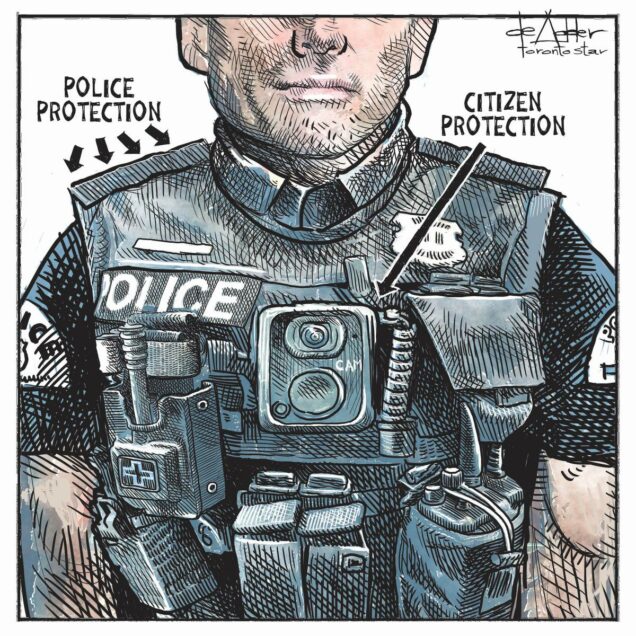
The image of the modern police officer has evolved over the years into a more modern and tactical appearance. The days of the thick wool or cotton long sleeve shirts, pants, and ties, garrison style hats, a leather duty belt with only a firearm and one set of handcuffs are a thing of the past. The look that many citizens in the United States have come accustom to over the years has been replaced with a more militaristic and practical approach to policing. This new image might be more realistic to the daily duties of law enforcement and appealing to the officer wearing the uniform, but how is it perceived by the public? Richard Johnson (2001) states police uniforms have a profound psychological impact on the public, and slight alterations to what the public is accustom to, may change the public’s perception of the police (Johnson, R., 2001, P27). A uniform change that is more comfortable, compatible, and reduces stress upon the officers who must don them, could inadvertently be displacing that stress onto the citizens they serve. Will society be able to adapt to this style of police uniform or will it create a greater divide among law enforcement and the community? The physical and mental health benefits of this modernized uniform could be a step in the right direction, taking care of those who care for us.
The traditional wool class A style uniforms that was previously predominately worn by law enforcement has become impractical for modernized policing. Today’s police are expected and or required to carry a greater number of tools on their person in preparation for every possible outcome. A firearm, extra magazines, hand cuffs, a flashlight, pepper spray, taser, baton, radio, body cameras, and tourniquets are a part of today’s standard policing attire. “Some police leaders dislike the tactical appearance of the loadbearing vests while others applaud their efficiency and potential for increasing comfort while decreasing injuries due to back strain” (Stockton, 2016, P.24). The demand for added equipment has caused greater amounts of weight to be placed on officer’s duty belts resulting in injuries. External carrier uniform vests take that added weight off of the officer’s duty belt and distributes it on the vest. This weight reduction from the duty belt has been a relief for officer’s who suffer from back related injury or pain. Having worn both styles of uniforms myself, I can attest to the added comfort and versatility that these external carriers provide. The change to the external carrier style uniform vests has provided an improvement in the health and wellbeing of officers particularly when stuck in the uniform for long hours. Police officers and some administrators are in favor of the modernization of the police uniform, but does public perception take precedent to the officer wellbeing?
If the modern uniform appears too militaristic in the eyes of the public, what consequences will result? Police agency around the country have focused great efforts in developing positive relationship building strategies within their communities. How does a police agency portray the added benefits both physical and mental these uniforms provide for their officer’s? How do police agencies help mitigate the added stress and fears of militarization of the police that these new styles of uniform create? With the current tensions building between police and citizens across the country, could the implementation of these new militaristic style uniforms have contributed to the unraveling relationships between the police and the communities they serve?
Michael Carrasquillo
Reference:
Johnson, R. (2001). The Psychological Influence of The Police Uniform. FBI Law Enforcement Bulletin. 27-32.
Stockton, D. (2016). What Every Police Leader Should Know About Body Armor. Tactical Response; Vol. 14. 22-25.
Yoga as Trauma Treatment for Children
Though difficult to know exactly how many cases of child abuse and neglect there are every year in the United States, about 3 million reports are made to Child Protective Services that represent 5 million children. Even those high numbers are thought to be underestimates because when adults are asked about childhood abuse or neglect, 30% report physical abuse in childhood, 20% report sexual abuse in childhood, and 15% reports some type of psychological abuse (Trauma & Dissociation in Children, 2007). And these numbers just continue to go up. In 2018, 4.3 million cases were reported to CPS effecting 7.8 million children (U.S. Department of Health & Human Services, Administration for Children and Families, Administration on Children, Youth and Families, Children’s Bureau, 2018). Either more abuse is occurring to children (along with more under-reporting) or there is no drastic increase at all, yet more of those children who did not report are reporting or CPS is being afforded more resources to handle more intake. I would like to think it is the ladder answer, but we will never truly know. Child abuse and trauma can be hard to detect and/or prove and is grossly under-reported. As Dr. Van der Kolk said, “We know that child abuse and neglect is the single largest public health issue facing our nation, the most expensive and devastating (Trauma & Dissociation in Children, 2007).
If this problem has been and still is this extensive, why is there not more diligent coverage on it in the media to raise awareness to the masses and a more extensive push for programs and procedures within daycare, schools, and the medical field? There are most certainly some great advocates and programs in place nation-wide, like the CDC and what they support on a yearly basis. The CDC works extensively to promote communities, practitioners, and teachers continued knowledge on the topic and supports prevention of adverse childhood experiences (ACEs) across the nation. They facilitate many states in collecting ACE-specific data that aids in future resource targeting and facilitate releasing evidence-based strategies for the consumption and use by local health departments, schools, and communities (CDC, 2019).
Seeing that childhood trauma and abuse does not seem to be decreasing and the under-reporting is still prevalent, I think it is dyer that this nation put into place more efforts to detecting and the treatment of trauma and abuse with children. A treatment and potential stimulation for more disclosures of trauma or abuse is yoga. It may sound rather silly at first but when one reads up on the positive outcomes of yoga on adults and children who have experienced extensive trauma either as an adult or as far back as childhood, it is hard to find a reason not to support the idea. There is limited empirical data on the positive effects yoga has on traumatized children, but one great example was the study conducted on children in Haiti who survived an earthquake and were ultimately left orphaned. Many of these children lost one or two parents and experienced hunger and violence. They were given yoga for 8 weeks, consisting of breathing techniques, postures, and meditation, with positive results: the children who received yoga saw reductions in trauma-related symptoms (Culver & Whetten & Boyd & O’Donnell, 2015).
Yoga is a program that typically consists of a combination of breath practices, stretches or postures, and meditation. Bessel Van der Kolk who wrote the book The Body Keeps the Score: Brain, Mind, and Body in the Healing of Trauma was a huge advocate for yoga as a treatment for trauma. He treated many, many patients who he had participate in routine yoga – specifically focusing on breath and postures to become more in tune with themselves– and many of these patients, as a result of yoga, were able to come to terms with what traumatized them and the realization that they were not at fault. He also conducted actual studies on the physiological affects yoga had on trauma patients. He found that yoga significantly improved arousal problems in PTSD patients and drastically improved their relationships to their own bodies (2015). This is huge in the realm of trauma because being able to recognize how and why you react to certain triggers allows you to begin the healing process and control how you react moving forward. Since trauma effects one’s entire nervous system, it is critical for treatment to engage the entire organism, body, mind, and brain, which yoga can do (Van der Kolk, 2015).
Yoga is something that could be implemented in daycare and schools at a relatively low cost. The potential results that teaching yoga to children could accomplish would be well worth any of the resources it took to mandate it. Now, there would most likely be a minimum age requirement since incredibly young children would not have the attention span to participate. Through more thorough research that could be addressed. The Haiti study mentioned herein started with a 7-year age group, so that could be a starting point. I just see the opportunity for this small step to bring children more in tune with their bodies and minds and therefore could lead to them to reporting more often then what we are seeing now.
References:
(2007). Trauma & Dissociation in Children [Video file]. Cavalcade Productions. Retrieved May 31, 2020, from Kanopy.
Centers for Disease Control and Prevention. (2019). Identifying, Preventing, and Treating Childhood Trauma. Retrieved from https://www.cdc.gov/washington/testimony/2019/t20190711.htm.
Kathryn A. Culver, Kathryn Whetten, David L. Boyd, and Karen O'Donnell.The Journal of Alternative and Complementary Medicine.Sep 2015.539-545.http://doi.org.ezproxy.bu.edu/10.1089/acm.2015.0017
U.S. Department of Health & Human Services, Administration for Children and Families, Administration on Children, Youth and Families, Children’s Bureau. (2020). Child Maltreatment 2018. Available from https://www.acf.hhs.gov/cb/research-data-technology /statistics-research/child-maltreatment.
Van der Kolk, B., (2015). The Body Keeps the Score, Brain, Mind, and Body in the Healing of Trauma. Penguin Books.
Environmental Stress and PTSD for Women Police
There is a topic that was briefly mentioned in module 6 in the article on Routine Work Environment Stress and PTSD symptoms that is of great interest to me and something that I have personally struggled with as a female police officer and has caused me a great deal of stress. Most of you know by now that I am the only female officer in my department of approximately twenty-five sworn officers. I did not think of being the only female officer as an issue when I was hired as I have always been able to get along with all types of people at work. Maguen, et al. states “Among police officers, there is evidence that women and ethnic minorities report more negative social interactions and discrimination (i.e., criticism, bias, sexual harassment) within the context of the work environment” (Maguen, et al., 2009). This is something that I would have not agreed with prior to working in policing or even in my first year on the job. This developed over a period of time and was a direct result of excelling in police work, passing the Sergeant’s exam and taking on additional roles and responsibilities. Before I had successes in my role as a patrol officer, I was well-liked and got along with my peers and was included in stuff both on and off the job. The more success I had professionally, the less support I got from my peers. This treatment has taken a toll on me as I have always been able to get along with people. Some days, I do not want to go to work and it gets me down.
Thomson et al., examined a 3-factor model of sources of perceived stress in female officers, and found that interpersonal work environment stressors (i.e., lack of support from colleagues, gender discrimination, sexual harassment, interpersonal conflict, and lack of confidentiality (Thomason et al., 2006). This contributed to the largest percentage of variance in reported stress; organizational and operational stress also contributed to overall levels of stress among female officers (Maguen et al., 2009). Luckily, I have not been subjected to any sexual harassment on the job and I do not think that would happen given our strict standards. I think it is pathetic that the stressors of the job for me are more internal than external, even given the political climate in policing right now.
“A critical incident involves any situation or event faced by police officers that causes a distressing, dramatic or profound change or disruption in their physical (physiological) or psychological functioning” (Rousseau, 2020). This can be something seemingly minor to some officers or to some it can be something that causes a huge disruption to their daily life. In the study by Maguen, et al., the “goal was to better understand the relationship between work environment and PTSD symptoms after 1 year of police service. We hypothesized that among all included model variables, routine work environment stress would have the strongest relationship with PTSD symptoms and also serve as a mediator between several risk factors (i.e., life threatening critical incident exposure, negative life events outside police service, and prior trauma) and PTSD symptoms” (Maguen, et al., 2009). At this rate, I see myself being predisposed to having a harder time overcoming critical incidents on the job and being at-risk for PTSD over my male counterparts who have the support of each other. I hope this is not always the case with my agency.
I do think that one of the ways to overcome this negative outlook is in fact to recruit more female officers to my agency. It is one of my long-term goals to recruit women to my department. I feel that this is going to be a hard sell in the near future. I am the 5th female officer to ever work in my agency. Two of those five never went full-time and stayed as reserve officers and left eventually. The other two left on bad terms with my agency. This looks like a grim situation and I have made it my mission to be open with my chief about the issues I have endured on the job as a female officer. “Policewomen are an occupational subgroup who experience stress differently from male officers” (Thompson et al., 2006). My chief is progressive, understands female police officers deal with stress differently, and is supportive. If promoted, I would be the first female Sergeant in my agency’s history. I think this may also help attract female candidates to apply to my department to have a female command staff member so they could see that there is growth for females in my agency.
Maguen, Shira, Metzler, Thomas, McCaslin, Shannon, Inslicht, Sabra, Henn-Haase, Clare,
Neylan, Thomas, et al. (2009). Routine Work Environment Stress and PTSD Symptoms
in Police Officers. Journal of Nervous & Mental Disease, 197, 754-760. https://doi.org/10.1097/NMD.0b013e3181b975f8
Rousseau, D. (2020). Module 6: Trauma and the Criminal Justice System, from
https://onlinecampus.bu.edu/ultra/courses/_65989_1/cl/outline
Thompson BM, Kirk A, Brown D (2006) Sources of stress in policewomen: A three-factor
model. Int J Stress Management. 13:309-328. https://psycnet.apa.org/record/2006-10511-004?doi=1
The Horror of the Holocaust
While the Holocaust may be decades in the past, the trauma and pain it brought about are still very real even today. Back in 2018 I got to travel to Israel through a spring break program at my university. As part of this trip we visited many historical and religious sites across the country, but by far the most memorable was the Holocaust museum. Our tour guide, an Israeli Jew walked us to the gates of the museum, but declined to go with us. For him the museum was a reminder of the family members he had lost during the Holocaust, and was too painful.
One of the parts of that museum that will forever be engrained into my mind is the memorial to the children lost during the Holocaust. You enter a dark tunnel, with soft somber music echoing throughout. There are hundreds of mirrors set to reflect the light of a single candle millions of times around you. Each reflection of the candle represented the life of a child whos flame was extinguished far too soon during the genocide. Many of us including myself left the tunnel in tears. The atrocities committed during the Holocaust were unspeakable, millions of innocent people killed for their beliefs.
The trauma inflicted by the Nazis continued even after their reign of power came to and end. After the war there were countless children who had lost their families or experienced trauma. As we learned in unit 2 adverse childhood experiences can lead to problems later in life such as depression and other health issues (Rosseau 2020). The number of children who experienced trauma throughout the holocaust and had such issues later in life is incalculable. Wiesel writes about being herded into railroad cars, threatened with death, starved and dehydrated being sent off to camps. Some families were separated, and would never see each-other again (Night 2006). These types of experiences would severely traumatize anyone. Even after the terror stopped, the damage was still continuing. In studies conducted on Holocaust survivors years later 45-55% were found to be suffering from PTSD, and many ranked the Holocaust as the most significant stressor in their lives even decades later (Barak 2000). While the genocide may have ended decades ago, its effects are still felt today. Trauma never really goes away, as the memories will always be there.
References:
Barak, Y., & Szor, H. (2000). Lifelong posttraumatic stress disorder: evidence from aging Holocaust survivors. Dialogues in clinical neuroscience, 2(1), 57–62.
Rousseau, D. (2020). Module 2. Retrieved from https://onlinecampus.bu.edu/bbcswebdav/pid-7783368-dt-content-rid-37966231_1/courses/20sum1metcj720so1/course/module2/allpages.htm
Wiesel, E., & Wiesel, M. (2006). Night. New York, NY: Hill and Wang.
A Double Pandemic: Covid-19 and Domestic Violence
A Double Pandemic: Covid-19 and Domestic Violence
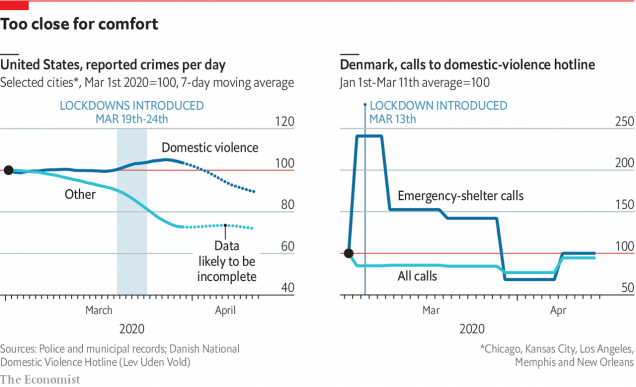
COVID-19 has impacted the world greatly with strict restrictions on stay at home orders, especially throughout the United States. While the shelter in place has been shown to help decrease the number in cases for the coronavirus, domestic violence cases seem to be on the rise. In a home with domestic violence, it is crucial for the victim to be away from the home as much as possible to avoid any altercations with the perpetrator. “Many victims find themselves isolated in violent homes, without access to resources or friend and family networks” (ICISF 2020). The heightened increase in domestic violence could be for several reasons. For the victims, now that shelter in place has been enacted, there is a higher chance for them to not be able to seek the help and resources that they need. “One out of three women in the world experience physical or sexual violence in their lifetime, according to the World Health Organization, making it the most widespread but among the least reported human rights abuses” (Godin, 2020).
During these lockdown restrictions, victims are more exposed to abuse in their households. These are stressful times and the known financial circumstances especially, can cause a lot of tension. More often than not, perpetrators take out their anger and stress on the victims. In France has indicated a 30 % increase in domestic violence reports, Brazil estimates domestic violence reports have jumped 40–50 %, and Italy has also indicated reports of domestic violence are on the rise (Campbell 2020). It is crucial, now more than ever, that welfare checks are being done.
References
Bettinger-Lopez, C. (2020, May 13). A Double Pandemic: Domestic Violence in the Age of COVID-19. Retrieved June 22, 2020, from https://www.cfr.org/in-brief/double-pandemic-domestic-violence-age-covid-19
Campbell A. M. (2020). An increasing risk of family violence during the Covid-19 pandemic: Strengthening community collaborations to save lives. Forensic Science International: Reports, 2, 100089. https://doi.org/10.1016/j.fsir.2020.100089
Godin, M. (2020, March 18). How Coronavirus Is Affecting Victims of Domestic Violence. Retrieved June 19, 2020, from https://time.com/5803887/coronavirus-domestic-violence-victims/
Cultural Competence in Corrections
After reading the article "Trauma of the incarceration Experience" (DeVeaux, M., 2013). I felt compelled to look further into the importance of understanding the value of cultural competence in corrections. In today's world where we see blue lines versus black lives corrections seems to be just on the edge. I feel that it is important to be proactive in understanding where law enforcement seems to be veering. It seems that the root of DeVeaux's trauma stems from a lack of competence which is probably the case for most situations.
Not only would cultural competence improve the likelihood of traumatic experience but it would also help in maintaining control of an institutionalized setting. According to the national center for cultural competence there needs to be at least five elements in place to understand this concept. They are:
- Valuing diversity (shapes earnestness and respect)
- Having the capacity for cultural self-assessment (reveals being open-minded and flexibility)
- Being conscious of the dynamics inherent when cultures interact (situational awareness)
- Having institutionalized culture knowledge (fosters experience, builds bridges)
- Having developed adaptations to service delivery reflecting an understanding of cultural diversity (reduces challenges, obstacles and barriers of communications)
I find that these elements all make sense. In order to truly grasp a concept you must genuinely understand the importance of it. So to understand and value the idea of diversity and embrace it a person is more likely to follow through. It also makes sense to have an understanding of our selves, to know that what we do does not define the norm for others. Everyone is different and brings different things to the table. Knowing what we do and do not bring is essential in being able to truly understand our own culture and to understand what we should learn about others. These two concepts spoke to me the most as the other three concepts are practices that corrections officers should engage in anyway.
Overall I feel it would be easy to fall into the deeply rooted belief system of authority is key in the jail. However it is not the true answer. I have seen for myself the difference between flexing unnecessary muscles and being genuine. If other guards including myself were to work on and further explore the importance of cultural awareness and competence we may see better outcomes across the board which would make institutionalization an easier system.
References:
DeVeaux, M. (2013). The Trauma of the Incarceration Experience. Harvard Civil Rights-Civil Liberties Law Review, 48. 2013
ToersBijns, C. (2014, December 8). Cultural Competence. Retrieved June 22, 2020, from http://www.corrections.com/news/article/38224-cultural-competence
Trauma Associated with Female Imprisonment
Within the United States more than 200,00 women are imprisoned, most of which are for non-violent crimes. As opposed to their male counterparts, female incarceration generally exists due to illegal actions associated with petty crime either stemming from drug use, or a need to provide for their children. The United States has the highest number of incarcerated women worldwide and much of this is a result of trauma related experiences within their lives prior to incarceration.
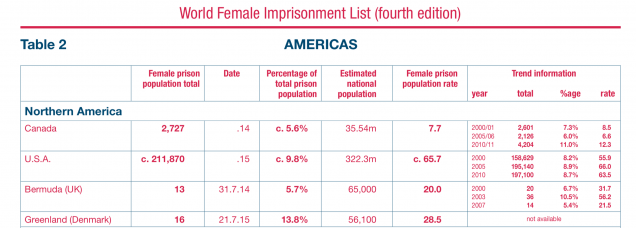
Unfortunately our prison system is based on a male model and doesn’t take into consideration the sensitive nature of women who have been traumatized. Many women have experienced long term physical or sexual abuse and therefore are further subjected within the prison system. “Imprisonment itself can have serious mental health effects, particularly for women with children and a history of victimization. The prison experience is not an isolated encounter. Rather, it may serve to exacerbate women's trauma while, equally, the trauma may exacerbate the prison experience for women.” (Moloney, Bergh, Moller) Trauma and prison are many times intertwined as women enter incarceration with a multitude of past trauma and do not receive trauma related care within the system, which not only exacerbates their difficulties but leads to repeat offenses. Oftentimes women are held for longer periods of time within their local jails as female offenders generally have less income than males and are unable to post bail or seek the legal representation they may need. The notable income disparity between men and women within the criminal justice system further exemplifies the need for gender specific approaches.
Youth offenders also make up a large population of those within the prison system, if these young women are not assisted with their healing they are likely to reoffend and spend many years of their lives within the criminal justice system. “A gender-responsive approach comprehensively addresses the unique and specific needs of girls, creates an environment that reflects the realities of girls’ lives, and acknowledges their unique developmental experiences and pathways to problem behaviors. “ (Harris, Fitton) Programs that help promote healing, self esteem, financial independence, and control over ones own body can help women both young and old develop tools to heal and move forward with better coping mechanisms.

We as a society need to take into consideration the role that trauma plays in incarceration rates. If we hope to make the public safer, we must implement ways to help the incarcerated process and attempt to recover from their trauma. Simply locking a woman up for prostitution or drug use, doesn’t confront the underlying issues as to why they are involved in illegal activity. We need a more comprehensive analysis of the data associated with women who are incarcerated, the way in which they are held Prison vs. Local Jail, the reasons for their crimes, and how they are being treated within the system. Women inmates have different needs than their male counterparts and our criminal justice system needs to implement more gender responsive approaches to help women combat their trauma while incarcerated.
Sources:
R. Walmsley, (2006) World female imprisonment list. International Centre for Prison Studies, London. Sourced From: http://fileserver.idpc.net/library/world_female_prison_4th_edn_v4_web.pdf
K.P. Moloney,B.J. van den Bergh,L.F. Moller (2009) Women in prison: The central issues of gender characteristics and trauma history. Published by Elsevier.
Danielle Arlanda Harris, PhD 1, (2010) Yoga Therapy in Practice The Art of Yoga Project: A Gender-Responsive Yoga and Creative Arts Curriculum for Girls in the California Juvenile Justice System Published in: INTERNATIONAL JOURNAL OF YOGA THERAPY