Home
Blog Post – Child Trauma
A traumatic experience is a terrifying, perilous, or violent event that represents a risk to a child's life. Seeing a traumatic event that undermines the life or physical security of a friend or family member can likewise be traumatic. This is especially significant for small kids as their feeling of wellbeing relies upon the apparent security of their connection figures.
Traumatic experiences can start strong emotions and aversive physical responses that can continue long after the event. Children may feel dread, defenselessness, or fear, just as physiological responses, for example, heart palpitations, vomiting, or loss of bowel control and incontinence. Children who experience a failure to shield themselves or who lacked safeguarding from others to be shielded from the outcomes of the traumatic experience may likewise feel overpowered by the physical and emotional reactions.
Despite the fact that parents make a continuous effort to protect children, dangerous and traumatic events despite everything still can occur. This risk can emerge outside of the family, (for example, a cataclysmic event, car crash, school shooting, or even internet bullying) or from inside the family. (for example, abusive behavior at home, physical or sexual maltreatment, or the sudden passing of a friend or family member.)
In spite of the fact that people frequently make statements like, "He was so young when that occurred. He won't even remember it as he grows up," childhood trauma can have a deep-rooted impact in their life even long after the event is over. And keeping in mind that children are resilient, it does not mean they are made of stone. It's critical to perceive when your child may require proficient assistance with managing a trauma. Early intervention could prevent your child from encountering the continuous impacts of the trauma growing up and even in adulthood.
I myself have an interesting relationship with childhood trauma. Just over 20 years ago, my dad, manifested his passion for mountaineering chasing peaks, along with Marcus Tobía and part of the Proyecto Cumbre team (some of the biggest names and teams of mountaineering in Venezuela). My mom did the same from motherhood, with three small children and a fourth who was on the way (me).
So, pregnant with me, she received that first alarm signal. My dad was undergoing medical examinations, in preparation like every professional mountaineer does before an expedition. And just beginning the stress test the alarmed doctor asked him to stop: "You're going to die here! You have the highest blood pressure!" He said. Now I wasn’t born yet so I don’t know exactly what the doctor said but for the purpose of storytelling, I will tell it as my mother told it while I was growing up.
After this encounter with the doctor, my father got a bunch of tests to figure out what was wrong but the answer was worst than he could imagine. He needed a new kidney. This is when my whole family was forced to climb a whole mountain with cero preparation and no warning (a metaphorical one obviously) He had just started his own company with every penny he had saved up since college, had three children and one on the way. It seemed like the worst possible time for him to get sick but life doesn’t really care about convenience does it?
Only months after his diagnosis and weeks after I was born we got a burst of luck, and we crowned the first peak: My dad’s uncle expresses his willingness to help by donating one of his kidneys, and the transplant is done, and it is a complete success. But this is just the start (but you knew that since this couldn’t be my traumatic experience if it was over when I was a month old).
The path to follow since then has not been easy, but he faces a backpack loaded with the most valuable for those who suffer from a disease like this. Hope. His uncle gave him hope. But my dad has to take immunosuppressants for life. And if for just three days he stops taking the medicine, it turns out that his body would begin to reject the new organ, and you immediately return to zero, or to the base as mountaineers call their point of departure.
Now I can’t say I remember this but I do believe it shaped my relationship with my family for many years. The first 3 years after a transplant getting sick is a no-go. It is hard having school-age children that have school-age friends who are basically germ and snot producing machines. My mom had to make a choice and that meant my three siblings basically lived with our cousins those first three years, spending months at a time away from home. The worst part is that my dad was taking a cocktail of medications that are not only tough on your body but have serious side effects, one of which was irritability. Every time my siblings came home my dad would go into a screaming fit and get aggressively angry that they were being noisy and hyperactive.
I was three the first time my dad screamed at me that I recall (though I suspect there were many others before this one since having a child who doesn’t even sleep through the night and cries all day must be incredibly tough without those pesky side effects.) I was being homeschooled at this point because preschool is worst than a school for germs and sickness, I was outside with my mom learning my ABCs and there was a dog being walked near us.
My dad walked outside and screamed at me for not singing the song correctly and the dog got spooked, it jumped at me and bit my face, I had to get facial reconstruction surgery every year until I was 9 to make sure my face was not deformed. It made my dad so guilty he stopped interacting with me altogether. Wouldn’t come to school events, or kiss me goodnight, or even acknowledge I was home when I got home from school. My siblings had formed such a strong bond being in different houses all together they didn’t really acknowledge me either and so I started to feel lonely and sad. My mom loved me but she was so busy with my dad and keeping us alive that she didn’t have time to make me feel like I belonged in my own family.
I started to become anxious and had a lot of self-doubt. Why didn’t my own family want me? What is so horribly wrong with me that my dad won’t even talk to me? I harmed my friendships, my grades until it got to a point where I just thought I was a burden. I didn’t want to be a part of my family anymore. One night my mom talked to me about going to boarding school and I completely broke down. “You care about me so little that you just want to ship me off and never see me again?” she was confused because she thought this was an opportunity for me to learn new languages and see new cultures like my cousins had done. She never thought id remember my dad’s transplant or that I would be so traumatized by events that transgressed when I was barely a toddler but thankfully she got me help.
She took me to a psychologist who helped me understand my pain and to get through it. I owe everything I am today to having a mom who understood that I needed help. Some people are not so lucky. This is why it is so important to know the signs and get children the help they need, because thinking they won’t remember or that they won’t be affected for being so young is unfortunately not the case.
Domestic Violence Amid COVID-19
I created an infographic to bring awareness to the sudden surges of domestic violence cases around the world, and more specifically the United States, due to the COVID-19 pandemic.
Sources:
Abuse Defined. (n.d.). Retrieved from https://www.thehotline.org/is-this-abuse/abuse-defined/
Bremner, J. (2020, April 1). U.S. Alcohol Sales Increase 55 Percent in One Week Amid Coronavirus Pandemic. Retrieved from https://www.newsweek.com/us-alcohol-sales-increase-55-percent-one-week-amid-coronavirus-pandemic-1495510
Bucchino, R. (2020, April 13). Domestic violence cases surge amid stay-at-home orders. Retrieved from https://thehill.com/homenews/news/492506-domestic-violence-cases-surge-amid-stay-at-home-orders
Gavin, K. (2020, March 11). Flattening the Curve for COVID-19: What Does It Mean and How Can You Help? Retrieved from https://healthblog.uofmhealth.org/wellness-prevention/flattening-curve-for-covid-19-what-does-it-mean-and-how-can-you-help
Geller, A. (2020, March 23). In global fight vs. virus, over 1.5 billion told: Stay home. Retrieved from https://apnews.com/d1ddda5b644a9cdd6b844a196377b88e
Godin, M. (2020, March 18). How Coronavirus Is Affecting Victims of Domestic Violence. Retrieved from https://time.com/5803887/coronavirus-domestic-violence-victims/
NCADV: National Coalition Against Domestic Violence. (n.d.). Retrieved from https://ncadv.org/statistics?gclid=EAIaIQobChMI7-qsnOry6AIVxp6zCh0Z8gC6EAAYAyAAEgJ4dvD_BwE
Neuman, S. (2020, April 6). Global Lockdowns Resulting In 'Horrifying Surge' In Domestic Violence, U.N. Warns. Retrieved from https://www.npr.org/sections/coronavirus-live-updates/2020/04/06/827908402/global-lockdowns-resulting-in-horrifying-surge-in-domestic-violence-u-n-warns
Secon, H. (2020, April 7). About 95% of Americans have been ordered to stay at home. This map shows which cities and states are under lockdown. Retrieved from https://www.businessinsider.com/us-map-stay-at-home-orders-lockdowns-2020-3
Taub, A. (2020, April 6). A New Covid-19 Crisis: Domestic Abuse Rises Worldwide. Retrieved from https://www.nytimes.com/2020/04/06/world/coronavirus-domestic-violence.html
Advocating For The Visual Arts In Prison

(Boumedda, 2018)
I remember walking by a particular kiosk in the Cancun airport last spring while waiting for a flight back to the U.S. and thinking, “how could something so beautiful be created in such a horrible and traumatic place?” I learned that this was one of 11 boutiques across Mexico called Prison Art, an art training foundation established in 2012 by Jorge Cueto, a formerly incarcerated artist who found healing through creative expression. Jorge’s goal was to create a training program for incarcerated individuals that offered skills necessary for jobs in the fashion industry and visual arts upon reentry, and to promote their work (Cueto, 2020). He also works to teach and employ both incarcerated and formerly incarcerated individuals in the foundation, which focuses on custom-designed leather products, to assist with rehabilitation while incarcerated, and reintegration into their communities.
This was my first, first-hand experience with prison art, a recreational, therapeutic, and rehabilitative activity with a rich history and base of empirical literature. The earliest known organized form of an art-based activity while imprisoned (albeit it was theater) was that of Cervantes in the 1600’s, and the first documented arts program in American corrections was in the Elmira Reformatory in New York in 1870 (Gardner et al., 2014). The state of California has always been at the forefront of advocating for art programs in prisons; as early as in the 1940’s in San Quentin State Prison individuals were given the opportunity. In 1977, the first federally-funded program, known as Project Culture by the American Correctional Association, was created to provide adults in state prisons with higher-quality activities and opportunities for growth, hoping to reduce behavioral disturbances at facilities (Colorado College, 2016). Large-scale art programs sponsored and administered by facilities themselves are a more recent development in corrections (Gardner, 2014).
Why should we promote exposure to the visual arts in prisons and carceral settings?
The American criminal justice system is based on a punitive, rather than rehabilitative view of human behavior, resulting in over 2 million people behind bars. Each year, more than 600,000 people are released from state and federal prisons, and more than two-thirds are rearrested within 3 years of their release (ASPE, 2019). That is a significant number of individuals returning to families, communities, and society who need to reintegrate, often with significant barriers in securing housing and employment. As a way to provide cognitive, emotional, and practical skills, improve quality of life, and reduce recidivism, among other benefits, providing visual arts activities can be viewed as a form of tertiary prevention or treatment in carceral settings (Bartol & Bartol, 2016, p. 166). Activities such as painting, drawing, ceramics, sculpture, design, and printmaking, among others, constitute visual arts. Although art is frequently not viewed as a necessity or a priority compared to more traditional forms of education or therapy, I would argue that the benefits are clear and worthy of resource allocation.
 Photo from New York Times, 2019
Prison art as a recreational, therapeutic, and rehabilitative activity.
Carceral settings can be traumatizing, re-traumatizing, and intensify preexisting mental health conditions, a setting in which serious mental illness and experiences with trauma are highly prevalent. Art therapy is a structured program typically directed by a particular person with skill in an artistic medium, and is trained to address certain psychological needs of participants (Colorado College, 2016). While this is not the only method of delivery for prison art, art therapy, particularly that which addresses trauma, grief, transition, etc. in those in prison is viewed as the most therapeutic. Art can also be recreational and rehabilitative, where individuals are freely creating in leisure time without necessary supervised direction (Gussak, 2007).
Dr. David Gussak, Ph.D., Professor and Chairman of the Florida State University Department of Art Education is a leading researcher in the field of forensic art therapy. He conducted various studies in prisons measuring the effectiveness of art therapy in decreasing depressive and other symptomatology. (Gussak, 2007). One study found that after 8 sessions of art therapy in a prison, participants had significantly decreased depression, improved overall mood, regulated sleeping patterns, and socialized more with peers. Participants were also more compliant with staff and facility rules and taking medications (Gussak, 2007).
Professor Larry Brewster is an expert in public policy, administration, and management, and he studied and evaluated the California Arts-in-Corrections program for 30 years. His 2014 study of the 12-week arts program in 5 state prisons revealed a reduction in disciplinary reports, greater participation in academic and vocational programs, and increased self-confidence, emotional control, time management, and social competence (Brewster, 2014).
Summary of benefits from empirical studies and national prison art programs.
- Increases and improves:
- Overall mood and wellbeing
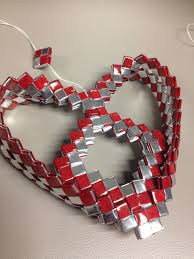
- Locus of control and emotional stability From Blogspot by Scott Taylor
- Socialization and competence
- Problem solving
- Time management
- Self-discipline and self-examination
- Creativity
- Self-satisfaction, self esteem, and confidence
- Collaboration
- Accountability
- Hope
- Status, respect, and friendship
- Technical skills that can be applied to a career
- Helps to establish or reestablish identity above that of an incarcerated person
- Promotes non-verbal communication
- Disclosing feelings in a prison environment can be dangerous and/or threatening
- Reduces recidivism and enables successful reentry
- Decreases the number of disciplinary reports
- Form of self-care in a traumatic environment
- Yields feelings of accomplishment and success
- Instill confidence and motivation in pursuing other activities including academics
- Reaffirms that humans are capable of change, empathy, and improvement
- Enhances ability to use leisure time constructively
- Uniquely able to reach inner feelings as an opportunity for reflection
- Provides an “escape” from prison life
- Permits self expression in a prosocial manner
- Decreases symptoms of depression, anxiety, and PTSD
How can we improve access to visual arts for those in carceral settings? It seems as though the benefits may certainly outweigh the costs.
References:
ASPE, Office of the Assistant Secretary for Planning and Evaluation. (2019). “Incarceration and Reentry.” U.S. Department of Health and Human Services. Accessed April 18, 2020 at: https://aspe.hhs.gov/incarceration-reentry
Bartol, C.R., & Bartol, A.M. (2016). Criminal Behavior: A Psychological Approach (11th ed.). Boston, MA: Pearson.
Boumedda, S. (October 2, 2018). “Empowering Indigenous Women In Prison.” The Link. Accessed April 18, 2020 at: https://thelinknewspaper.ca/article/empowering-indigenous-women-in-prison
Brewster, L. (2014). The impact of prison arts programs on inmate attitudes and behavior: A quantitative evaluation. Justice Policy Journal, 11(2), 1-28.
Colorado College History Department. (2016). “Past, Present, Prison- Art Therapy.” Colorado College. Accessed April 18, 2020 at: https://sites.coloradocollege.edu/hip/art-therapy/
Cueto, J. (February 25, 2020). “The Prison Art Project- About Us.” Prison Art. Accessed April 18, 2020 at: https://www.prisonart.com.mx/about-us/
Gardner, A., Hager, L., & Hillman, G. (May, 2014). “Prison Arts Resource Project: An Annotated Bibliography.” Arts.gov. Accessed April 18, 2020 at: https://www.arts.gov/sites/default/files/Research-Art-Works-Oregon-rev.pdf
Gussak, D. (2007). The effectiveness of art therapy in reducing depression in prison populations. International Journal of Offender Therapy and Comparative Criminology, 51(4), 444-460. Doi: 10.1177/0306624X06294137
Sobek, J. (March 3, 2020). “Beginnings.” The Justice Arts Coalition. Accessed April 18, 2020 at: https://thejusticeartscoalition.org/blog-2/page/2/
Burnout
Professional burnout is a state of emotional, physical, and mental exhaustion caused by excessive and prolonged stress. Burnout can occur when an individual feels overwhelmed, emotionally drained, and unable to meet constant demands. Prolonged stress can cause an individual to lose the interest and motivation that led you to take on a certain role in the first place. Burnout is a serious concern among those working in the criminal justice and social services field. When burnout occurs, it reduces productivity, drains energy, and can leave a person feeling resentful and hopeless.
Burnout not only effects an individual work life but can spill over to include home life, social life, and other personal areas. It can change a person’s body and make them more vulnerable to illness, colds, and the flu.
How to know if you are on the road to burnout?
- Everyday is a bad day
- Caring about your work or home life seems like a total waste of energy
- You’re exhausted all the time
- You feel like nothing you do makes a difference or is appreciated
- Most of your day is spent on tasks you find either dull or overwhelming
Having a bad day or feeling overloaded, even unappreciated, doesn’t necessarily mean an individual is burned out or on the road to burnout. However, meeting all these symptoms is a good indicator to reach out and get additional support.
Burnout occurs over a long period of time and can easily creep up. Knowing the signs and symptoms can help an individual address burn out symptoms and red flags sooner. For example, trying to reduce overall stress.
Psychical signs and symptoms of burnout?
- Feeling tired and drained most of the time
- Lowered immunity, frequent illness
- Frequent headaches or muscle pain
- Change in appetite and sleep habits
Emotional signs of burnout
- Sense of failure and self-doubt
- Feeling helpless, trapped, defeated
- Detachment, feeling alone
- Loss of motivation
- Increasingly cynical and negative outlook
Behavioral sign
- withdrawing from responsibilities
- isolating yourself from others
- procrastinating
- using food, drugs, or alcohol to cope
Understanding the early signs and symptoms of burnout can help an individual reduce their overall stress by addressing these concerns through counseling, self-care, or other services. Working in high stress fields everyday can be hard and burnout occurs frequently. Its important for professionals to understand the risks and try to address any early symptoms as soon as possible.
Burnout Prevention and Treatment. (2019, November 7). Retrieved December 12, 2019, from https://www.helpguide.org/articles/stress/burnout-prevention-and-recovery.htm.
The Ted Bundy Tapes
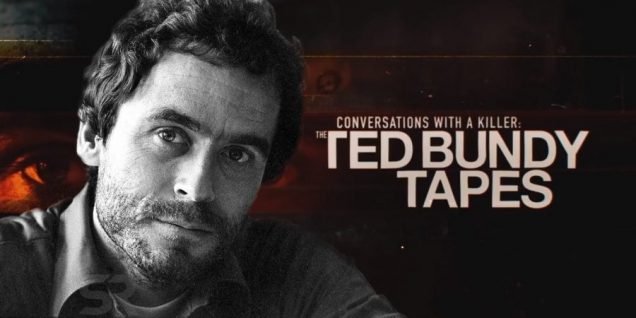 True crime and forensics had never really been my cup of tea before taking this class. Ever since, I feel like I have a weird obsession with learning more about the minds of serial killers and their motives, and what kind of people they are. Mind you, I have boundaries for learning more. The documentaries and dramatizations I watch have to be about those who are either dead or in jail for the rest of their lives. I don't like unsolved cases or knowing about murderers who were never caught because I have too much anxiety for that, as I'm sure most of us do when we find out there could be a serial killer sitting right next to us. Anyway, I've been particularly drawn to the famous ones; Aileen Wuornos, John Wayne Gacy, Jeffery Dahmer, and of course Ted Bundy. I watched the "Conversations with a Killer: The Ted Bundy Tapes" on Netflix, and here's what I learned.
I think everyone was a little perplexed by Bundy because of his demeanor and how he presented himself to the media. His trial was the first to be publicly televised which was huge, and his background was like no other, coming from law school and thinking he was his best defender. He was found guilty and given the death penalty so clearly, he wasn't a very good defender, but at least he tried. I watched this docuseries after learning about psychopaths and typical behaviors they exhibited and I could've seen him coming a mile away. He was a psychology major after all, and I think he knew exactly what he was doing. He was extremely manipulative, he knew his audience always, he was condescending, and narcissistic. I can go on and on about these character traits he exhibited throughout the trial and on the confession tapes. Towards the end of his life, he was diagnosed with manic bipolar disorder, which may have contributed to some of these exhibits of odd, antisocial personality characteristics. Either way, it doesn't change the fact that he was a serial killer, and never showed remorse for the things he did even up until the day he died.
Though I can analyze Bundy and point out key characteristics that may explain why he committed the heinous crimes he did, I cannot understand it. Sure, I can understand bipolar disorder or major depression, because that can be scientifically explained with chemical imbalances. But using that for a reason as to why you'd murder 30 innocent young women doesn't do it for me. I cannot understand that.
I hate to say this about any human being but I'm glad he is no longer with us and no longer out there causing destruction in the lives of so many. He was a sociopath, a psychopath, and a serial killer, and none of his victims deserved to be hurt by him. I hope they are at peace, and I'm glad the judicial system did not let him off easy for his crimes.
The Criminalization of Mental Illness
https://create.piktochart.com/output/43096522-criminalization-of-mental-illness
Use the above link to access the Infographic I created on the criminalization of mental illness. We have taken steps back as a society, locking up individuals who need help simply because we either do not understand how to help them or there is lack of funding for the aid. Our jails and prisons have become modern day asylums, a holding cell for individuals with mental illness where they decompensate at significant rates under the guise of rehabilitation. The lack of community resources, funding, and accessible treatment has been a disservice that has gone on far too long. Steven Liefman, a Miami Judge, stated, ‘We have failed people with mental illness miserably. We have seen homelessness increase, seen shootings of people with mental illness increase, wasted critical tax dollars and have made mental illness a crime in this country.. This is a shameful American tragedy and it is one that must be reversed’ (2019). These powerful words hold the conviction that change is essential. Individuals with mental illness comprise a vulnerable population that should be protected, not shamed and punished.
LIVING SAFELY WITHOUT VIOLENCE IS A NEW GENDER RESPONSIVE GROUP INTERVENTION FOR WOMEN
Females involved in the criminal justice system come with a unique set of other needs. In assessing this, there has been edits and additions created within the types of programing available for these women. More recently there has been a group created as an intensive program specifically for women who are involved in the CJ system that engage in violent behavior. It is a gender responsive program that address the needs and real-life issues of women under community supervision. The program is based on cognitive behavior theory and research from evidence-based treatment models: Relational Theory, Trauma Informed, Motivational Interviewing, Cognitive Behavior Intervention. Each female who comes through the AIC, Alternative In the Community, are screened to assess for the need to participate in this group. The group meets twice a week for 2 hours each session and runs consecutively for 20 sessions. It is a closed group after the 3rd session. The main intention is to assist identified high risk women with a history of violence, emotional dysregulation and history of conflict in relationships. It is done over a period of time utilizing 6 different modules that touch upon the following areas:
-
- Module 1: Understanding Violence focuses on defining safety, defining violence, exploring causes and motivation for using violence.
-
- Module 2: Building Healthy Relationships: focuses on defining the qualities of a healthy relationship, exploring the warning signs of an unhealthy relationship, identifying the consequences of an unhealthy relationship, identifying and addressing the barriers to leaving an unhealthy relationship.
- Module 3: Recognize and Regulate: focuses on building awareness of body sensations, feelings, thoughts and the connection with behavior. Participants also learn to recognize external triggers and label emotions as well as rate emotional intensity. Participants learn a variety of mindfulness strategies to achieve regulation as well as learn a variety of calming strategies.
- Module 4 Resolve: Participants explore and practice using a four-step model to clarify problems and generate options.
- Module 5 Reach Out: focuses on exploring boundaries, power and balance in relationships. Participants learn to express wants and needs respectfully and practice strategies to deal with conflict while developing social awareness through social action initiatives.
- Module 6 Review: session focusses on reviewing and practicing strategies to enhance the Living Safely Plan as well as celebrate achievements and successes.
The following tool is utilized to screen the women that are referred:
LIVING SAFELY WITHOUT VIOLENCE ELIGIBILITY CRITERIA
The following criteria should be followed when determining placement into Living Safely Without Violence.
- Administer the ANGER/HOSTILITY SCREEN: Anger/Hostility Screen questions must be asked directly of the client in an interview format.
If the client answers ‘Yes’ to 4 or more questions in the Anger/Hostility Screen, that would indicate the client may be an appropriate referral to Living Safely Without Violence versus Moving On. In addition to administering the Anger/Hostility Screen, the following should also be considered when determining which intervention is most appropriate.
- LSWV Eligibility Criteria :
- Moderate to High Risk females on a standardized risk/need assessment (WRNA, LSI-R, DVSI-R).
- Females with a history of violent behavior
- Females with emotional dysregulation
- Females with a history of conflict in relationships
- Client’s alcohol/drug and mental health issues are not interrupting daily functioning. (Clients with severe substance abuse or mental health issues should attend alternative interventions prior to or concurrently with LSWV).
- Cognitive abilities – client must be able to perform and understand at a 6th grade level
- Information received from the referral source and information reported from the client. Ex. criminal history, past experiences.
- All cases should be reviewed on a case by case situation. Example: If a client answers ‘Yes’ to 3 questions (vs. 4) on the Anger/Hostility Screen but other pertinent information is received from the referral source, then she can be enrolled in the LSWV group.
ANGER/HOSTILITY SCREEN
|
|
ANGER/HOSTILITY SCALE | No | Yes |
| 1 | Would you describe yourself as having a strong temper? | (0) | (1) |
| 2 | Do you have trouble controlling your temper when you get upset? | (0) | (1) |
| 3 | Were you angry or upset when you committed the present offense? | (0) | (1) |
| 4 | Within the past 3 years, have you ever hit/hurt anyone, including family members, when you were upset (exclude self-defense)? | (0) | (1) |
| 5 | Have these events ever resulted in involvement with child and family services or law enforcement? | (0) | (1) |
| 6 | Have any of these experiences occurred within the past 6 months (exclude self-defense)? | (0) | (1) |
| 7 | Within the past 6 months have you had any times when you think you got too aggressive
when something made you angry? |
(0) | (1) |
Profiling
 Profiling has been an interest of mine for a long time. The section that was on profiling listed various checklists and qualities that were associated with each category. Many people do not realize that profiling has only been around for about forty years, starting in the mid-1970s. The 1970s saw an increase in serial crimes across the US, so John E. Douglas and his partner Robert Ressler set out across the country to interview incarcerated serial killers such as Charles Manson and Edmund Kemper. Both FBI agents felt that through these comprehensive interviews, they would gain a better understanding of the motives that drove these men to commit their violent acts. They hoped to create a centralized database for serial offenders in the nation that would have a precise breakdown of crime scene information and shared with other authorities in different states.
After all the information came together, the Violent Criminal Apprehension Program was formed but not official until 1984. By using ViCAP, the authorities can look for an unknown subject and compare case details to open or closed cases to find any patterns that might exist. Although Howard Teten and Jack Kirsh made strides within the FBI as profilers, the ViCAP helped them create a branch in the agency referred to as the National Center for the Analysis of Violent Crime (NCAVC). Authorities in the US or Canada can submit a request to NCAVC, which has a connection to the ViCAP. The application will go to NCAVC to analyze a sequence of unsolved murders, suspicious cases, or unidentified bodies. While this analysis is going on, the ViCAP computer software runs through various scenarios a human profiler would think of reflecting any particular behavior. Douglas provided us a faster way to profile criminals nationwide. As the serial killer “whisper,” Douglas was able to dive into the minds of serial killers that led to trailblazing accomplishments at the present day.
The skill and ability of criminal profilers is the background to several books, television shows, and films like Silence of the Lambs. Mindhunter's debut on Netflix a couple of years ago highlights the early struggles of the FBI to comprehend and profile serial killers. Mindhunters is created from the writings of best-selling author Mark Olshaker and legendary FBI profilers John Douglas.
What exactly is criminal profiling or psychological profiling as it is sometimes called?
Profiling, or criminal investigative analysis, as the FBI calls it, involves the investigation of a crime with the hope of identifying the responsible party, that is, an unknown perpetrator, based on crime scene analysis, forensic psychology, and behavioral science (201712). The APA mentions that criminal profiling combines law enforcement and forensic psychology but with somewhat new parameters and definitions. The experts in criminal profiling might not always agree on things like basic terminology. Still, they all have a common goal of examining evidence taken from the crime scene, and statements provided by victims to cultivate a narrative for an unknown offender.
During the inquiry stage, numerous things are determined, such as if crimes are linked, predicting the personality and lifestyle characteristics of the unknown perpetrator; moreover, the possibility of the perpetrator escalating their crimes. When investigators are ready to make an arrest, profilers foresee where to look for an unknown serial criminal as well as pinpoint the information that should be in a warrant to make the criminal react. When a criminal is finally apprehended, the criminal profilers act as subject matter experts in court linking the crimes and forensic evidence to the alleged perpetrator of the series of crimes.
Jack the Ripper case is known as the first application of criminal profiling and the methods of autopsy reports and crime scene evidence. In the fall of 1888, London physicians George Phillips and Thomas Bond made well-versed guesses about Jack the Ripper’s personality and behavioral characteristics. Dr. Bond’s report determined that “all five murders no doubt were committed by the same had… the women must have been lying down when murdered, and in every case, the throat was cut first.” Furthermore, he went on to say that Jack the Ripper had no medical training even though the killer had a particular way of cutting and mutilating his victims.
Dr. Bond’s report was in direct opposition to what the authorities had concluded about Jack the Ripper. They believed that the perpetrator had some medical training due to the method of how the internal organs were removed. Dr. Bond’s report went against the majority because of the gaping wounds that were inflicted on the victims but did not demonstrate medical training. Dr. Bond describes the murders as erratic and a man of isolated means. Unfortunately, we will never know the truth because the crimes committed by Jack the Ripper remain unsolved.
https://www.criminaljusticeprograms.com/articles/the-history-of-criminal-profiling/
https://www.psychologytoday.com/us/blog/wicked-deeds/201712/criminal-profiling-the-original-mind-hunters
Substance Abuse and the Criminal Mind

The criminal mind has many different factors that play into the creation of each individual. The same goes for how drugs and alcohol affect each person differently. To me, it seems as though certain drugs or alcohol, cause different types of criminal activity. Our lecture notes show that heroin addiction tends to have a correlation with money-producing crimes such as robberies, burglaries, shoplifting, and larceny. I can definitely understand why heroin tends to contribute to these types of crimes because heroin is one of the most addictive drugs, so most addicts need to steal to help feed their habit if they do not have it readily available to them. Our notes also point out that research shows GHB, Ketamine, and Rohypnol are linked to sexually related crimes and OxyContin is linked to pharmacy robberies, thefts, and health-care fraud. In an article by Maia Szalavita, it states "brain imaging studies of violent criminals are difficult to interpret because the most persistent among them — those who are responsible for a disproportionate amount of all crime — are not only violent but also overwhelmingly addicted to alcohol and other drugs...A new study aimed to tease out the differences by comparing four groups of volunteers: violent offenders who were addicted to drugs; the rare violent offenders who were not; nonviolent people with alcohol or other drug problems; and those who were neither violent nor addicted" (Szalavita, 2). The results of the study show that these brain scans suggest that drug misuse is correlated with reduced brain volume in areas of the cortex that are involved with self-control. In other words, these subjects showed less control and were weaker in areas such as violence, aggression, desire, craving, pleasure and motivation.
It has been proven that criminogenic drug users often recidivate back into the system. Once they get out, it is usually in their nature to go back to drugs because of learned behavioral patterns. Now some people may ask, why should society even bother treating these “hopeless” causes or addicts if they will only be cycling back into the system? Unfortunately, many people think this way because they don’t understand an addict, their disease, and what struggles they go through every day. It is actually very important to try and find people in the system and people who have just recently been let out of the system, a way to get treatment and help for their addictions because it actually ends up saving the state money in the long run. In an article by David Deitch, he states that “along with the cost of tracking illicit sales activity, a tremendous burden rests on the taxpayer for the dollars to build and maintain prisons. This becomes exceedingly poignant as prisons are increasingly used as a way of responding to this problem. As the costs of investigating, prosecuting and incarcerating addicts mount, the highest cost comes from recidivism” (392).
Drug culture in this country does seem to have a strong correlation to criminal behavior. Now, obviously not all criminals are drug or alcohol abusers; but from the readings, it does seem to have some correlation to criminal behavior. Our text states that, “in 2004, nearly a third of state and a quarter of federal prisoners committed their offenses under the influence of drugs” (pg. 473). Of course, every case is different, but I find it very interesting that researchers are exploring more and more the link between alcohol/substance abuse and the correlation to crime.
The article by David Deitch states, “So, the question may be, which comes first, crime or drug use? The answer is both. Many recent studies and interviews with offenders suggest that in approximately two-thirds of clients, criminal behavior precedes the onset of drug taking. This is particularly true when disruptive behavior with elements of violence has been observed in early childhood. In the remaining one third of these offenders, the drug taking came first. Many studies indicate that in 50% of youth, criminal behavior comes first, in 25% of youth the onset of drug taking precedes the first criminal act, and in the remaining 25%, substance use and criminal behavior started simultaneously” (394). It is interesting to say whether the drugs come first or the crime, but depending on the circumstances it can be both. The article goes on to state that there is an intimate connection between crime and drug use. There is definitely a relationship between high rates of recidivism and substance abuse criminals as was stated earlier.
One of the more interesting statements our textbook mentions is, "the belief that alcohol is a major cause of crime appears to be deeply embedded in American society" (Bartol, 496). We as a society I believe tend to forget that alcohol can be just as addictive or harmful as any other drug. Our lecture notes state that according to research, alcohol tends to be associated with violent crimes. It also shows that at least 40% of convicted murders being held in jail had alcohol play a factor in their crime (which was homicide), and about 3 million violent crimes occur each year where alcohol was perceived to have played apart. The acts of rape, assault, robbery, or aggravated/simple assaults are mostly likely to be committed by a criminal under the influence of alcohol. Alcohol alters a person’s mind much like any other drug, which is why alcohol tends to influence the way people act. Some people tend to act differently from how they normally would because of the consumption of alcohol; and depending on a person’s cognitive factors, they may act out violently.
References:
Deitch, David. Ph.D. (The Relationship Between Crime and Drugs: What We Have Learned in Recent Decades. Retrieved from: https://www.cnsproductions.com/pdf/Deitch.pdf
Szalavitz, Maia. (June 11, 2011) The Criminal Mind: How Drugs and Violence May Affect the Brain. Retreived from: http://healthland.time.com/2011/06/10/the-criminal-mind-how-drugs-and-violence-may-affect-the-brain/
Image is also from this article.
Bartol, C and Bartol A (2017) Criminal Behavior: A Psychological Approach, 11 Edition, Pearson Press.
Rousseau, D. (2019). Forensic Behavioral Analysis: Online Module 2. Boston University. Retrieved from: https://onlinecampus.bu.edu/bbcswebdav/courses/19fallmetcj725_o2/course/w6/metcj725_ALL_W6.html
The Second Assault
Rape and sexual assault are some of the most under-reported crimes in the United States. It is estimated that one in three women and one in six men living in the US experience some form of sexual violence in their lifetime, yet only 37% of these crimes are reported to the police (https://www.nsvrc.org). Due the sensitive, personal, and humiliating nature of sexual assault, it is understandable that victims of these crimes would feel reluctant to come forward, and the current system does not make this process any easier. In fact, victims that do end up reporting their crimes describe their experience with the reporting process as a "second assault," this time at the hands of the police and medical professionals.
Victims that do come forward often experience victim blaming; victim blaming occurs when the victim is wrongfully held accountable for the crime(s) committed against them. When interacting with police or medical professionals, victims may be asked what they were wearing when they were assaulted, if they were under the influence, if they are sure that they didn't want it to happen, and other similar questions that imply that the victim is at fault. This line of questioning can be incredibly traumatizing for the victim and promote self-blame. Coupled with the intense interrogations and derogatory remarks from police officers, victims are also subject to a 'rape kit exam,' an invasive 4-6 hour long medical examination needed to collect evidence for the criminal investigation. Throughout this examination, the victim is asked a series of questions about the attack and is essentially re-victimized.
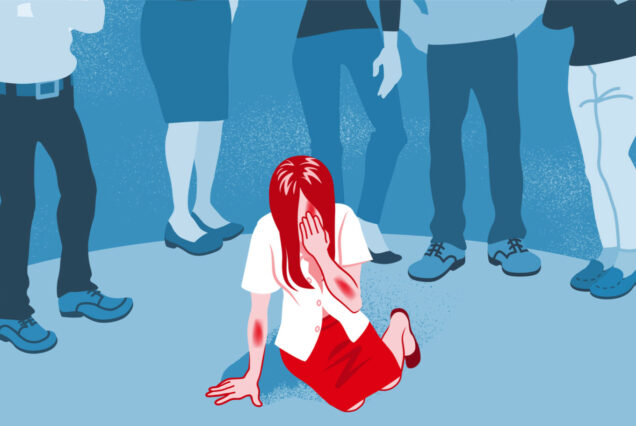
Whether or not victims choose to report their crimes, they are subject to the victim-blaming culture that exists within the US. With the rise of the #MeToo movement, more and more people are coming forward and exposing the hidden epidemic of sexual assault and rape within the US. But as this movement gained momentum, more and more examples of victim blaming came along as well. Both within society and law enforcement agencies, it is common to hear things like "well, she was wearing X, Y, and Z, so she should have known this was going to happen" or "maybe this wouldn't have happened if she wasn't drunk." Statements like these sow the seeds of self-blame within the victims and have debilitating psychological consequences. Of those who have experienced sexual assault within their lifetime, "81% of women and 35% of men report significant short- or long-term impacts such as Post-Traumatic Stress Disorder (PTSD)" (https://www.nsvrc.org), and the constant re-victimization and victim blaming only exacerbate these issues.
It is estimated that "the lifetime cost of rape per victim is $122,461" (https://www.nsvrc.org). This hefty price tag may quantify the medical and therapeutic expenses that come along with being a victim of sexual assault, however, the price of a victim's life can never be quantified. Rape and sexual assault and severely traumatic events that change a victim's whole outlook on life. The devastating psychological impact could effect all other aspects of a victims life and the trauma is something that they will live with forever.
To fix this broken system and encourage more victims to come forward, we would need a complete overhaul. At an institutional level, law enforcement and medical professionals should receive proper training on how to handle victims of sexual assault and incorporate trauma-informed interviewing methods. At a societal level, much more effort needs to be put in to alter society's perception of rape victims. With time and proper media exposure, society's views may change, but for now, it is important for people to remember that anyone can be victimized and people are not be able to always control what happens to them. By propagating these views throughout society, it will allow for people to be both more compassionate to those who are suffering and self-compassionate if they are victimized in the future (Schroeder, 2016).
References
Get Statistics. (2019). Retrieved December 8, 2019, from https://www.nsvrc.org/node/4737.
Schroeder, M. O. (2016). The Psychological Impact of Victim-Blaming – and How to Stop It. Retrieved December 8, 2019, from https://health.usnews.com/wellness/articles/2016-04-19/the-psychological-impact-of-victim-blaming-and-how-to-stop-it.
Vagianos, A. (2017, October 25). Why These Women Are Tackling The 'Second Assault' Of Reporting Sexual Violence. Retrieved December 8, 2019, from https://www.huffpost.com/entry/why-these-women-are-tackling-the-second-assault-of-reporting-sexual-violence_n_59ef76fae4b0bf1f88363c04.
What is a Rape Kit and a Rape Kit Exam? (n.d.). Retrieved December 8, 2019, from http://www.endthebacklog.org/information-survivors-dna-and-rape-kit-evidence/what-rape-kit-and-rape-kit-exam.