Home
Female Juvenile: A Special Group of Individuals
Female youth are a special group of individuals with special needs. The author of "Private Pain and Public Behavior", Robin A. Robinson, proposes that a closer look into how a female delinquent defines their action will reveal a different type trauma that should be addressed. She proposes the current juvenile justice system functions under the mentality that juvenile offenders need to be controlled and reformed while females warrant a different response, especially by the court. Robinson (2000) argues that "girls had gained the offender label based on unlawful actions, effectively relegating to lesser important other experiences and moments" (p.79). During her research, Robison found their behavior to be a dominant theme of the effects of physical and sexual abuse. Many were abused by close family members of whom they trusted. "Girls faced with such personal and family characteristics may act in ways that hurt mostly themselves, such as sexually acting out, drug and alcohol use and other potential self-destructive actions including suicide attempts, running away, truancy and law breaking (p.78). This special group of females require services aimed at building them up in opposed to policy that further labels the youth causing them to feel helpless and alone as if no one cares.
The majority of girls from Robinsons' study were not comfortable with telling people about the abuse. They felt a sense of guilt and shame, often blaming themselves for the actions of others. Robinson associates this with a struggle of one of two kinds of powerlessness, true powerlessness and intermediate powerlessness. "True powerlessness, including behavioral manifestations over which the girl has no control or ability to change and intermediate powerlessness which exist in temporary situations that the girl can change once she escapes the abusive situation or makes a decision to act in some way that makes sense to her given her life circumstances" (p.82). With limited choices, the only action that gave them a sense of relief were those that were no appropriate for female minors. Once caught in the system, they are further labeled in a way that places the blame solely on the individual, therefore becoming a losing situation.
When addressing female delinquency, I think it is in the best interest of the juvenile to try to better understand what causes female youth to engage in deviant behavior. Robinson (2000), suggest "the secrecy of abuse feeds the effects of the abuse, encouraging self-stigmatization" (p.91). Such experiences that cause trauma early on warrants access to a specialist trained in the area of female sexual abuse or, at the least female delinquency as it is such a unique phenomenon that requires special attention.
Reference
Robinson, R. "Private Pain and Public Behaviors: Sexual Abuse and Delinquent Girls". Juvenile Delinquency: A Justice Perspective, 4th Ed, 2000, pp. 77-94.
Trauma, Mental Health, and Female Offenders
The approach to mental health care of offenders has, in recent times, been recognized as defective for the fact that the mental health needs of males and females differ yet are addressed using a model based off of studies and research conducted using men as the sample population. This is an issue in need of addressing as female juvenile offenders have higher rates of mental illness than male juvenile offenders, they are more likely to suffer from “internalizing” mental disorders such as depression and anxiety while males have higher rates of “externalizing” disorders like ADHD and conduct disorder.
Even offenses are indicative of this difference: delinquency studies show that delinquent acts committed by girls are usually less chronic and serious, minor offenses being predominant among them such as running away from home, but they are a major component of girls’ delinquency and it has been shown that girls who are chronic runaways have significant levels of sexual and physical victimization documented suggesting that their offense behavior, while not appearing serious, is a symptom of victimization at home which in turn makes them vulnerable to subsequent victimization and involvement in further offenses such as prostitution, survival sex, and substance abuse (Zahn et al 2010; Cauffman 2008). Given that girls account for the majority arrests for running away (59%) and for prostitution and commercialized vice, this is an important component that needs to be addressed and may well be ignored in the current model of addressing mental health and trauma (69%) (Cauffman 2008). This is well supported by a Canadian report from the Task Force on Federally Sentenced Women which stated that approximately 60-90% of federally sentenced women had been physically abused and 50-60% had been sexually abused.
With the fact that the majority of research into treatment is based on male offenders who comprise the majority of the criminal population as the first hurdle, the second is the lack of trust towards the criminal justice system. With juveniles held in state-owned or operated facilities reporting double the rates of staff sexual misconduct compared to those held in locally or privately operated facilities, the reason for this can be understandable. While females are more likely to be forced into sexual activity by a fellow inmate, those who were victimized by staff more often than not reported multiple incidents – 1 in 5 reported 11 incidents. Obviously whether female only facilities or co-ed facilities, both have problems that need to be addressed so that mental health and trauma issues are not compounded by fellow inmates and staff.
The third and final hurdle that needs to be addressed is the focus of the medical model in forensic psychology on mental illness over trauma. This means that the focus of psychology is on assessing, diagnosing, and treating major mental illness and substance use disorders with a mandate of providing treatment and community management services as well as supporting the reintegration of offenders back into the community and risk assessment along with risk management. This results in greater emphasis being placed on managing the symptoms and risk over understanding the trauma that may have caused their substance abuse and addressing it (Rossiter 2012).
As can be seen, women in the criminal justice system face three hurdles when it comes to properly addressing their mental health and traumas:
- Most research is done using a male sample resulting in policy and program targeted towards the treatment of males
- Correctional facilities can compound trauma through further victimization by both staff and fellow inmates, decreasing trust and cooperation necessary for effective treatment
- The medical model for forensic psychiatry approaches trauma in offenders as secondary to treatment of mental health and substance use disorders, focusing on symptom rather than root cause
Before trauma can be properly addressed, and even during, these three hurdles need to be accounted for to achieve a favorable result in treating both mental health disorders, substance use disorders, and the underlying trauma.
References
Cauffman, E. (2008). Understanding the Female Offender. The Future of Children, 18(2), 119-142. Retrieved from http://www.futureofchildren.org/futureofchildren/publications/docs/18_02_FullJournal.p df
Rossiter, K. R. (2012). Victimization, Trauma, and Mental Health: Women's Recovery at the Interface of the Criminal Justice and Mental Health Systems (Unpublished doctoral dissertation, 2012). Simon Fraser University. Retrieved from http://summit.sfu.ca/item/12490
Zahn, M. A., Agnew, R., Fishbein, D., Miller, S., Winn, D., Dakoff, G., . . . Chesney-Lind, M. (2010). Girls Study Group: Understanding and Responding to Girl's Delinquency: Causes and Correlates of Girl's Delinquency. PsycEXTRA Dataset. Retrieved from https://www.ncjrs.gov/pdffiles1/ojjdp/226358.pdf
Active shooter and School Shooter Situations
With a rise in active shooter and school shooter situations something should be done in the schools. Though a lot of the kids who are the individuals who shoot up the schools or shoot up a business do suffer from some sort of mental illness. I am not saying that we should not limit them the purchase of guns. We should have better training for the people who sale guns to be able to pick up on signs of someone who is psychologically not stable. What if the sale of the gun happens who should be held liable? If the purchaser commits a criminal act or shoots up the school and has a known diagnosis of a mental illness should the seller of the gun be held to some sort of punishment. Again I am not saying that people with any mental illness should not own a gun. I am saying the ones with a server mental illness or having suicidal thoughts, or thoughts of mass shootings should not be able to purchase guns. Now what about teachers. Teachers should be offered more training to pick up on signs of kids who are thinking about shooting up the school or even suicide. This is because teachers are focused on just teaching and some times forget that the students are human as well. They should be able to do more about bullying and make all the kids feel safe at school. In todays society bullying is hardly ever face to face but taken into the internet where it last forever. When a individual goes and shoots up a school it is often planned out not just random. They show signs of it before the actual event happens. Teachers and parents are at the forefront of noticing the signs. Another type of training teachers should have is how to eliminate the threat in order to limit the amount of deaths and injuries in the school. Either how to properly block doors and windows, how to put the kids in safe places, how to eliminate the threat should be taught to teachers. Now should teachers carry guns in schools? With proper training and if they are responsible enough some should. Now should every teacher carry no. Though every teacher should be trained how to eliminate a threat in case of a active shooter situation. Also a majority of schools when they are allowed funds for remodeled should look at the best possibilities for in a event of a shooter how they can protect them selves the best. In the end if someone with a mental illness want to go and shoot up a business or a school and they are denied a gun sale they will find a gun somewhere else. There should be better diagnosis and better training on picking up the precursors before a attack happens. What are other things we can do to be better prepared for events like this? Why do we only start to change things after a event happens? Why can we not be ahead of the events when they happen? These are just a few questions I pose. I believe strongly in the second amendment but I do think that some people should not own guns for their safety and societies safety.
James Badrak
The role of trauma in a relationship between the psychopath and the victim
The environment in which a child is raised play a big role in the creation of a psychopath as well as the victim. According to research, there is always a disconnection or some form of abuse or neglect from parents in the childhood of a psychopath as well as victims of psychopaths who are most likely to be an empath. ‘Primary psychopathic traits in men related to controlling mothers and avoidant attachment’ (Blanchard & Lyons, 2016).
What attracts the psychopath to the empath is the sweet, kind and full of life and willingness to give qualities of an empath in which none of these traits exist in a psychopath.
The psychopath’s way of dealing with their childhood trauma is to suck the life from others because they themselves feel hollow inside. On the reverse, empaths seek out to give love in order to feel worthy of being loved back, and again this traces back to their childhood.
In the book ‘Snakes in Suits-When Psychopaths go to work’ by Robert Hare, Hare mentions the technique in which psychopaths use to manipulate their victims in Chapter 3 and 4.
Hare and Babiak describe the three-phase process of the psychopath in their game of manipulation in which they do it in a very natural and instinctively manner, making them the best liar of all. Psychopaths are addicted to draining energy out of their victims to feel good about themselves, however, the worst of all victims are the spouse or those in a relationship with the psychopath.
Phase 1: The psychopaths would scout for the perfect victim in which they would test their targets for their vulnerability and weaknesses, such as telling a sad story about their lives and observe the target’s response. If the target sympathizes with them, they will continue to evaluation process until they’ve chosen that this is the right target for now.
Phase 2: Once the target has become a potential victim, the psychopath begins to earn their trust through a constant feeding of ‘carefully crafted messages, while constantly using feedback from them to build and maintain control.’ (Anderson, 2006) But in a romantic relationship, the psychopath would use the technique of ‘love-bombing’ as well as earning trust from the potential victim.
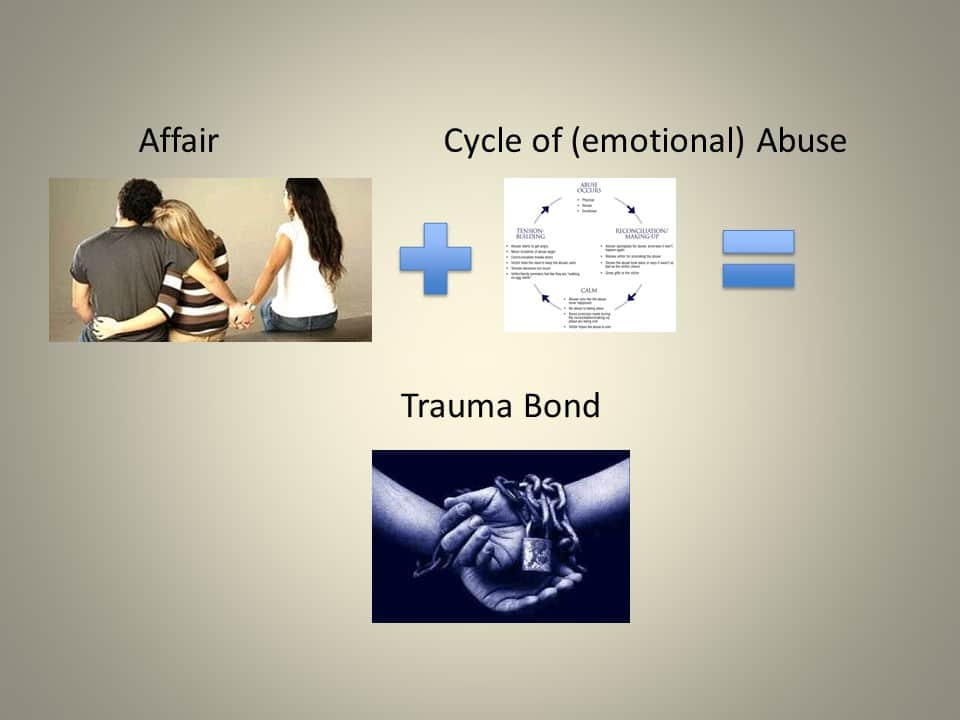
Third Phase: This is called ‘the discarding phase’, it is when the psychopath is bored and done with the victim. But as psycopaths are addicted to a constant feed of self-worth and grandiousity, they make sure that they can always go back to their victims so they use a technique called ‘trauma-bond’. Similar to Stockholm Syndrome, a state in which the captive developes a bond with the captivator as a survival strategy during their captivity, the victim in a relationship with a psychopath develops a trauma-bond manipulated by the psychopath. This is achieved by giving attention and love to the victim for a period of days and then disapppear, and when they return they would have an excuse that they use with all their victims (usually vaugue and avoids answering the question in a highly skilled way) or otherwise they would ‘gas-light’ the victim into believe it is the victim’s fault that caused them to disappear. This is a cycle, and the psychopath would gradually increase the amount of days they neglect the victim, making the victim confused, feeling worthless and blaming themselves and awaits the return. In the meantime, the psychopath is already looking around for a new target and once they have found a target that could replace the current, they would just discard the current victim with no explanations.
So how does the victim who have just been discarded from a psychopath cope? It is a very painful and difficult process that requires time for them to really heal and not to jump into a new relationship which can possibly be with either a narcisssist, a psychopath or a sociopath.
Some of the ways in which the victims can heal are;
- Giving self-love as this is very important in the recovery. It is necessary for the victim to feel worthy by themselves without the need for justification from others and especially from the psychopath.
- No contact with the psychopath, if possible change phone number and block the person from all the social network platforms.
- Find hobbies and making new and healthy relationships with others, such as joining support group.
If you are interested in this subject here are some of the books and video links I recommend:
- https://www.youtube.com/watch?v=I3EAh7-bXjk (Jenna Stauffer and Sandra L. Brown on Psychopathy and Pathological Love Relationships)
- ''Snakes in Suits' : When Psychopaths Go To Work', Robert D. Hare & Paul Babiak ( Book, also available as audio book)
References:
- Anderson, D. (2006, june 18). How psychopaths manipulate their victims. Retrieved from lovefraud.com: https://lovefraud.com/how-psychopaths-manipulate-their-victims/
- Bartol, C. &. (2016). Criminal Behavior 'A Psychological Approach' (11th ed.). (11th ed.). Boston: Pearson
- Blanchard, A., & Lyons, M. (2016, Jan). Sex differences between primary and secondary psychopathy, parental bonding, and attachment style. PsycARTICLE, 10 (1), 56-63. Google Scholar.
The Heroin Epidemic
Heroin is a drug that has affected the lives of millions of people. The individuals themselves, who develop a dependence for this drug, greatly suffer from using it. It is important to remember, it is not only the users themselves who suffer; their friends, families, and loved ones also suffer the costs and pain associated with this addiction.
In 2015 Time Magazine published an article, which focused on the heroin problem in the United States. The complete title of the article was Heroin Problem in the U.S. Reaches Epidemic levels. This article recognizes that the heroin issue is no longer simply a problem; it has developed into a national epidemic. This article was eye opening and the author Alexandra Sifferlin provided insight into this issue. In the article Sifferlin (2015) stated, “In 2013 an estimated 517,000 people reported that they had used heroin in the last year or had a heroin-related dependence, a 150% increase from 2007” (p. 1). This statistic in and of itself is staggering and it demonstrates that heroin has no boundary or specific victim. A 150% growth in such a short period of time is unprecedented and is a cause for concern.
Massachusetts has seen a drastic increase in overdose deaths and opioid related violence and victimization in recent years. This epidemic has become so severe that in addition to ambulance providers, police officers are also carrying and administering nasal naloxone (narcan). It is no longer uncommon to respond to an address where the same person has overdosed multiple times in one day; it truly is sad. Heroin use has led to innocent children stepping on needles during baseball games, men and women overdosing in public forums, and first responders risking infection to provide care for victims. This is an epidemic that needs to be addressed.
Massachusetts recently introduced an unconventional approach to solving this epidemic. Dr. Jessie Gaeta, who works at Boston Health care for the Homeless Program, introduced a concept in 2016 that involves creating safe spaces for heroin addicts to use drugs. Dr. Gaeta’s office is located at the intersection of Massachusetts Avenue and Albany Street, in downtown Boston. This area is heavily populated with homeless men and women and most, if not all of them, participate in drug use on the very sidewalks they grew up walking down. This area of Boston is so congested with drug use it is nicknamed the methadone mile. In an article published by CBS News titled “Safe Space” for heroin addicts sparks hope, controversy the author, Kenneth Craig provides insight into this method of substance abuse treatment.
The concept of safe spaces for drug use is extremely controversial. Many believe clinics such as this enable drug users to continue their harmful habits. The purpose of the safe space developed by Dr. Gaeta is to allow drug users to progress through their period of being high, while being monitored by medical professionals. In the article Dr. Gaeta is quoted by Kenneth Craig (2016) as saying, “If things are in a bad way, and you're going to overdose, at least we have everything at our fingertips to reverse that” (p. 1). The purpose of the clinic is to provide immediate treatment to an addict if they overdose during a cycle of abusing narcotics. This program and what it has to offer has gained the support of many politicians. The annual cost of this clinic will be approximately $200,000 per year; public support has already began to flow in.
The question now on the mind of most is, is this a viable solution to addressing the heroin epidemic in the United States and more specifically, the Boston area? To answer that I would like to speak about a case that originated in the Boston suburb of Arlington, Ma. In an article published by CBS News titled The high cost of heroin addiction the authors Jonathan Blakely and Demarco Morgan provide insight on this issue. Blakely and Morgan chronicled the journey of Jason Amaral. In the article Jason spoke about how he had a desire to change his life because he one day wants a family and a job. Jason truly wanted to defeat his addiction and he subsequently entered a Recovery Center of America (RCA). Blakely and Morgan (2016) stated “The program at RCA usually costs $25,000, but his friend Mike Duggan partnered with the Arlington, Massachusetts Police Department to get him into RCA on scholarship” (p. 1). A $25,000 bill for rehabilitation is a large-scale cost, especially since the Time magazine article notes that most heroin addicts have an income of less than $20,000 per year. To make matters worse Blakely and Morgan (2016) note that, “In Massachusetts, it takes an average of 19 days before an addict can actually start a rehab program. Sometimes, it can take up to 10 weeks” (p. 1). As recently as two weeks ago I was speaking to a licensed mental health clinician and this person informed me that the average stay in a rehabilitation facility for addiction is twenty (20) days. Twenty days in not sufficient, especially when a person is working to defeat their heroin addiction.
In their article Blakely and Morgan (2016) note that, “About 50,000 people go to detox each year in Massachusetts, but there are only 3,000 public beds for next-step treatment” (p. 1). Despite receiving 94 million dollars in funding, designated for drug rehabilitation, there are still an insufficient amount of resources; 45 states received this funding. Despite these shortcomings Jason accomplished the first phase of rehab; how Jason progressed from there is unknown to me.
The question now becomes, are we enabling heroin addicts to continue their addiction by making safe spaces for drug use, or should we be investing federal grant money and public support money into treatment facilities? There are far less beds, facilities, and resources than there are patients in Massachusetts. In her lecture notes Dr. Danielle Rousseau (2017) notes,
In 2010, nearly 8 million individuals age 12 or older needed to be treated for illicit drug use…only about 1.5 million of these individuals actually received treatment at a facility designated for illicit drug use… according to CASA Columbia, 65 percent of inmates in 2010 met the criteria for substance abuse or addiction…those who suffer from addiction and committed crimes relating to drugs or alcohol made up 85 percent of the nation's prison population (p. 10).
These statistics exemplify how drug use not only leads to addiction and despair but it also leads to crime. By creating a safe space for heroin addicts I believe we may still be enabling crimes to be committed, which are associated with drug abuse. Addicts will still need to obtain heroin prior to entering the treatment facility and that may sustain crime statistics related to robberies and breaking and entering cases. Drug related arrests may also stay at the levels they are currently at, or increase.
I want this epidemic to be resolved as quickly and efficiently as possible. I have old friends who have overdosed multiple times and I know too many people who have passed away from this addiction. Biological factors and social learning both factor into addiction. By investing money and funding in research and treatment I believe those suffering from addiction will be better served. Sentencing a heroin addict to prison or sending them to a rehabilitation facility that is not constructed with their best interests in mind is doing a disservice to the person who is addicted. Through public support and political influence we as a society can better the lives of those suffering from addiction. I truly hope that Dr. Gaeta’s approach is successful if it is implemented in Massachusetts. As of now I do not believe that any centers have been established; last I heard the government wanted more studies to confirm the pros and cons of this method of treatment. As recently as this June multiple health care agencies are still promoting this method of treatment. If this method of treatment is recognized and proceeds forward I truly hope it assists those in need. However, if it does not prove to be successful I believe we need to better serve those addicted by establishing sufficient facilities. Hospitals and emergency rooms are overcrowded and treatment facilities do not have an ample amount of resources to serve patients. By creating facilities with beds equal to the amount of patients they will see during intake and allowing the patients to stay for a sufficient amount of time we may see an increase in successful rehabilitation.
Just today the Boston Globe published an article that is titled Mayor wants 4 more clinicians to help keep mentally ill out of jail. Mayor Martin Walsh recently devoted over $234,000 dollars to funding that will place four additional licensed mental health clinicians in various districts around the City of Boston. These mental health clinicians work with officers during calls for service involving people who are mentally ill or suffering from substance abuse. The team, which is known as the Boston Emergency Service team (BEST) team has assisted in countless cases across the city. Whether they have responded to district stations or actual scenes the BEST team has a successful track record to say the least. The four new clinicians will strengthen this already successful unit. This additional funding also demonstrates the City of Boston’s commitment to addressing and servicing those affected by mental health and substance abuse issues. Mayor Walsh also wants to open up additional clinics for those who do not have a home. It will be interesting to see the results of this plan in the future.
Works Cited:
Blakely, J. Demarco, M. (2016). The high cost of heroin addiction. CBS Evening News. Retrieved from: http://www.cbsnews.com/news/the-high-cost-of-heroin-addiction-jasons-journey/
Craig, K. (2016). “Safe space” for heroin addicts sparks hope, controversy. CBS News. Retrieved from: http://www.cbsnews.com/news/boston-safe-space-for-heroin-addicts-hope-controversy/
Rousseau, D. (2017). Module One Lecture Notes. Personal Collection of D. Rousseau, Boston University: Metropolitan College, Boston, Ma
Sifferlin, A. (2015). Heroin use in U.S. reaches Epidemic Levels. Time Magazine. Retrieved from: http://time.com/3946904/heroin-epidemic/
Burnout and Secondary Trauma among Professionals Working with Children who are Victims of Abuse
A question I want to explore is how a work environment can be structured to minimize the risks of burnout and secondary trauma for professionals who work with children who have been abused. Professionals who are working with child victims of abuse are especially susceptible to secondary trauma and burnout (Salloum, 2015). Secondary trauma is when symptoms that are nearly identical to PTSD are experienced by professionals who are working closely with survivors of trauma (Severson, 2013). One common and false myth about secondary trauma is that it can occur from witnessing an event like a terrorist attack on the news. When incidents similar to this are referred to as ‘secondary trauma’ by some individuals it can de-legitimize the very real symptoms that many forensic psychologists, and others working in the criminal justice field face. Secondary trauma for these professionals is often overlooked and my hope is to propose ideas that could prioritize mental health and aid in preventing the effects of burnout and vicarious trauma among professionals.
An interesting fact that I discovered while researching secondary trauma among professionals who work with survivors of trauma is that the levels of stress, vicarious trauma, and burnout are disputed because various studies have provided completely different results. Some results say that secondary trauma occurs frequently for forensic psychologists who work with sex offenders, or abused children, while others report a positive experience for the same jobs (Franklin, 2013). Future research questions could ask whether secondary trauma and burnout correspond with more than the traumatic events alone, and if the broader work environment and self-care approaches leave a significant impact. Specifically, I want to ask whether burnout is an end result of long time exposure to secondary trauma or if secondary trauma is more common among forensic psychologists who are already experiencing burnout. One limitation to this question is that burnout and secondary trauma are only recently researched topics in criminal justice careers and it might be difficult to differentiate the two since they often occur simultaneously.
Research has indicated that negative experiences from a job may be related to the organization and administration, rather than the aspects of the job that deal with victims or dangerous situations (Perron, 2006). One quote that I want to share comes from a study of the effects of secondary trauma on parole officers for sex offenders:
“The officers consistently indicated that they felt little departmental support in general, “And ugh, dealing with all of that [sex offenders] . . . . the department says they have help for us, but they really do not.” Some officers described negative experiences with departmental supports.”
- Parole Officers’ Experiences of the Symptoms of Secondary Trauma in the Supervision of Sex Offenders, Margaret Severson and Carrie Pettus-Davis
This quote may indicate evidence for the ideas expressed by (Perron, 2006) that burnout and secondary trauma may be preventable by actions taken by the departments and broader workplace.
Many professionals who work with trauma change careers to work in a lower stress environment. Staff turnover rate is especially high for those working with children who are victims of abuse (Salloum, 2015). If there were resources available for approaches to self-care in the workplace, there could also be more experienced and happy professionals helping to keep our communities safer. Some possible solutions to self-care that could prevent burnout could include physical activities, training sessions, group sessions to discuss feelings of secondary trauma and burnout, and empathetic supervisors who are willing to listen to and provide support for professionals working with victims of trauma. One frequent example is free group yoga classes, which is common in law firms, which is another example of a high stress job that can quickly lead to burnout. While suggestions such as group yoga classes and training sessions might be helpful and beneficial, there are also limitations to these approaches when it comes to funding.
An improved understanding of the mental health needs of professionals working with children who are survivors of trauma and an increased emphasis on approaches to self-care in the workplace will benefit more than just the individuals performing this work. This deeper understanding and improvement in approached to secondary trauma and burnout will make professionals better equipped for their difficult jobs, which means they will have better outcomes and will leave a lasting positive impact on the broader community as a result.
References:
Perron, B., & Hiltz, B. (2006). Burnout and Secondary Trauma Among Forensic Interviewers of Abused Children. Child & Adolescent Social Work Journal, 23(2), 216-234.
Salloum, Kondrat, Johnco, & Olson. (2015). The role of self-care on compassion satisfaction, burnout and secondary trauma among child welfare workers. Children and Youth Services Review, 49, 54-61.
Severson, M., & Pettus-Davis, C. (2013). Parole Officers’ Experiences of the Symptoms of Secondary Trauma in the Supervision of Sex Offenders. International Journal of Offender Therapy and Comparative Criminology, 57(1), 5-24.
Trauma-Informed Criminal Justice Professionals
Within our criminal justice system, many individuals both victims and perpetrators have experienced some degree of trauma in their lives. Research reveals that both men and women report a history of traumatic experience prior to an incarceration. Furthermore, incarceration itself if viewed by some as a traumatic experience for the men, women, and juveniles who are incarcerated for breaking society's laws. With this being the case, there has been a recent push for criminal justice professionals to understand the effects of trauma, its signs and symptoms, and how to provide support, rehabilitation, and closure to an individual who has experienced trauma in their life. Being 'trauma-informed' is one way that criminal justice professionals aim to help those who have been impacted by trauma or traumatic events throughout their life.
When criminal justice professionals are trauma-informed, they learn how to interact with individuals who have experienced trauma while being able to protect themselves from danger/harm that the individual who has experienced trauma may try to inflict as a defense mechanism. Criminal justice professionals are then able to better deal with at-risk populations and recognize what trauma looks like. For example, some types of trauma include:
- Sexual Abuse
- Physical Abuse
- Witnessing a Natural Disaster
- Serving in Combat or Being a Victim of Way
- Repeated Abuse as a Child
- Witnessing a Brutal Shooting
All of the above noted stressors that lead to trauma can impact how an individual views the world and molds their intent, trust, and relationships with others as well as criminal justice professionals. If our criminal justice system becomes more trauma-informed, we may be better equipped to address the needs to an individual who has experienced trauma and understand the root of their behaviors, criminal and noncriminal.
Toward Creating a Trauma-Informed Criminal Justice System. (2012, June 06). Retrieved June 19, 2017, from https://www.prainc.com/creating-a-trauma-informed-criminal-justice-system/
Self Care
Self-care particularly in the wake of trauma is extremely important. Individuals working in the criminal justice field can experience stress, burnout, and fatigue. Compassion fatigue, which is also referred to as secondary traumatic stress or vicarious traumatization, is common among this group as well. Compassion fatigue is the traumatization that results from individuals who work closely with traumatized individuals on a regular basis. The effects of compassion fatigue can be detrimental to an individual on many levels. According to the International Journal of Emergency Mental Health and Human Resilience, “CF can lead to burn out, which is associated with serious mental health conditions such as PTSD and depression as well as failure to perform as expected on the job.”
Due to the fact that the nature of jobs in this field result in stress, trauma, and fatigue, it is important to focus on taking care of one’s self on a regular basis. There are many different approaches to self-care, and different individuals may respond better to different types of approaches. These can include physical activity, yoga, cooking, eating healthy, going to church, playing with a puppy, etc.
One approach that I touched briefly on in my personalized approaches to self-care discussion post is laughter. While this may seem miniscule, the effects of laughter are great. Laughter can decrease stress hormones such as cortisol and increase the production of dopamine. There are many ways to experience laughter, such as going to a comedy show, reading a funny book, or engaging with friends who induce laughter. As I discussed in reference to my own approach, I like to read books written by comedians. While they may be somewhat “trashy” and definitely not the most intellectually challenging, they are great for provoking laughter and reducing stress.
References:
Andersen, J. P., & Papazoglou, K. (n.d.). Compassion Fatigue and Compassion Satisfaction among Police Officers: An Understudied Topic. Retrieved from https://www.omicsonline.com/open-access/compassion-fatigue-and-compassion-satisfaction-among-police-officers-an-understudied-topic-1522-4821-1000259.php?aid=61170
Babbel, S. (2012, July 04). Compassion Fatigue. Retrieved from https://www.psychologytoday.com/blog/somatic-psychology/201207/compassion-fatigue
Heid, M. (2014, November 19). Laughing: You Asked Does Laughter Have Real Health Benefits? Retrieved from http://time.com/3592134/laughing-health-benefits/
Stress Management. (n.d.). Retrieved from https://www.helpguide.org/articles/stress/stress-management.htm
Yoga for Trauma
As we spoke about trauma and recovery during the semester, I couldn't help but become curious about the link between healing trauma and yoga. I told myself the best way to understand would be to attend a class. In Ottawa, the Anxiety and Trauma Clinic offers what they call: "Empowering Yoga for Trauma Survivors". Walking into the class I did not know what to expect, but I was greeted with respect and kindness. I never could have guessed what happened next. I left feeling 10 pounds lighter, like a new person even though I didn’t consider myself in a situation of trauma. The extent to which yoga allows your mind to clear and focus on the bigger picture could do tremendous healing for individuals who need it.
According to their website, the Ottawa Anxiety and Trauma Clinic (N.A) believes the following to be the benefits of empowering yoga:
- Develop proactive stress management skills so symptoms don't progress to PTSD.
- Become more present by drawing attention to the breath and body sensations, thus shifting attention from past trauma.
- Build a sense of self-empowerment and self-control.
- Develop a flexible mindset that can rise to meet daily challenges & return to a calm, relaxed state.
- Decrease hyper-vigilance & hypersensitivity to noise, crowds, movement, and visually stimulating environments by increasing present moment body & breath awareness.
- Improve quality of sleep & energy level to support meeting your daily needs and goals.
When taught by professionally trained instructors, yoga can be an extremely empowering tool that can help with many people who go through traumatic events. It can also help criminal justice professionals to deal with the harder aspects of their jobs. What is interesting is it doesn’t limit itself to helping individuals who live with trauma, but also helps individuals manage traumatic events before they occur. In my opinion, being able to respond properly to traumatic events will allow an individual to better serve the community and better serve himself/herself.
It is also important to understand that not all yoga classes can have the same benefits. I believe therefore I was skeptical in the beginning. After all, how could yoga enable individuals to better deal with traumatic events. It is not the yoga itself that empowers, but the method it is taught. I believe the most important thing to get people interested in empowering yoga for trauma is by making them understand that it is not simply a yoga class, it is much more than that. I like to look at it as therapy in disguise which removes the stigma associated with being in therapy. For example, while therapy is essential for law enforcement to deal with hard situations very little people turn to it because it is often considered to be for the weak. It is much harder for individuals that are asked to be tough every day to then ask for help when something bugs them inside. For law enforcement, co-workers may stigmatize the individual who goes to a therapist every week. These types of yoga classes allow individuals to alleviate the stigma associated with therapy and allow the individual to get the help he needs.
In my opinion, these types of therapy should be used more often when treating trauma related problems as well as a preventative method for individuals who are more likely to experience trauma.
References:
The Ottawa Anxiety and Trauma Clinic (N.A.) Empowering Yoga for Trauma Survivors. Retrieved from : http://www.traumaclinic.ca/empowering-yoga-for-trauma-survivors/.
Exercise & the importance of struggle
Over the course of my entire life, I have experienced struggle. From my very early days in grade school, where math and reading came difficult to me, to playing sports and understanding the hard work that was necessary to succeed and be great. I went from resource room math and English, to honors and AP courses my senior year of high school, and I owe a great deal of that success and perseverance to understanding that struggle builds character. I relished in beating the odds and accomplishing small feats of success. My early days of failure and let downs taught me that failing was not the end; that life would most certainly go on. I was not afraid to fail and take chances and this practice was supported by my mother, who I owe a great deal to for not holding me back or getting me an aide. Parts of my family have been decimated by drug abuse and I've lost several people close to me to the scourge that is drug abuse. The trauma of their losses affected me but because of early struggle I have been able to heal and learn to live with those ugly tragedies. Physical struggle to me, is just as important as mental struggle, and intense exercise does not only relieve stress but it can change brain chemistry. And part of my ability to cope with some of the harsher things ive gone though in my life comes down to those principals of struggle, whether it be lifting weights, or football or track or wrestling, the physical struggle and hard work that was necessary to advance and get better teaches lessons that can be applied to life and that includes trauma. This concept of struggle I think applies to this course because too many times it seems people are willing to just jump on the next drug to help them feel better or blame others for how they're feeling, when sometimes it may just take a lifestyle change to start healing. We cannot run from pain, and we cannot block it out with a pill, part of living is feeling, and though it may hurt, and make us scared, running away is never an option.