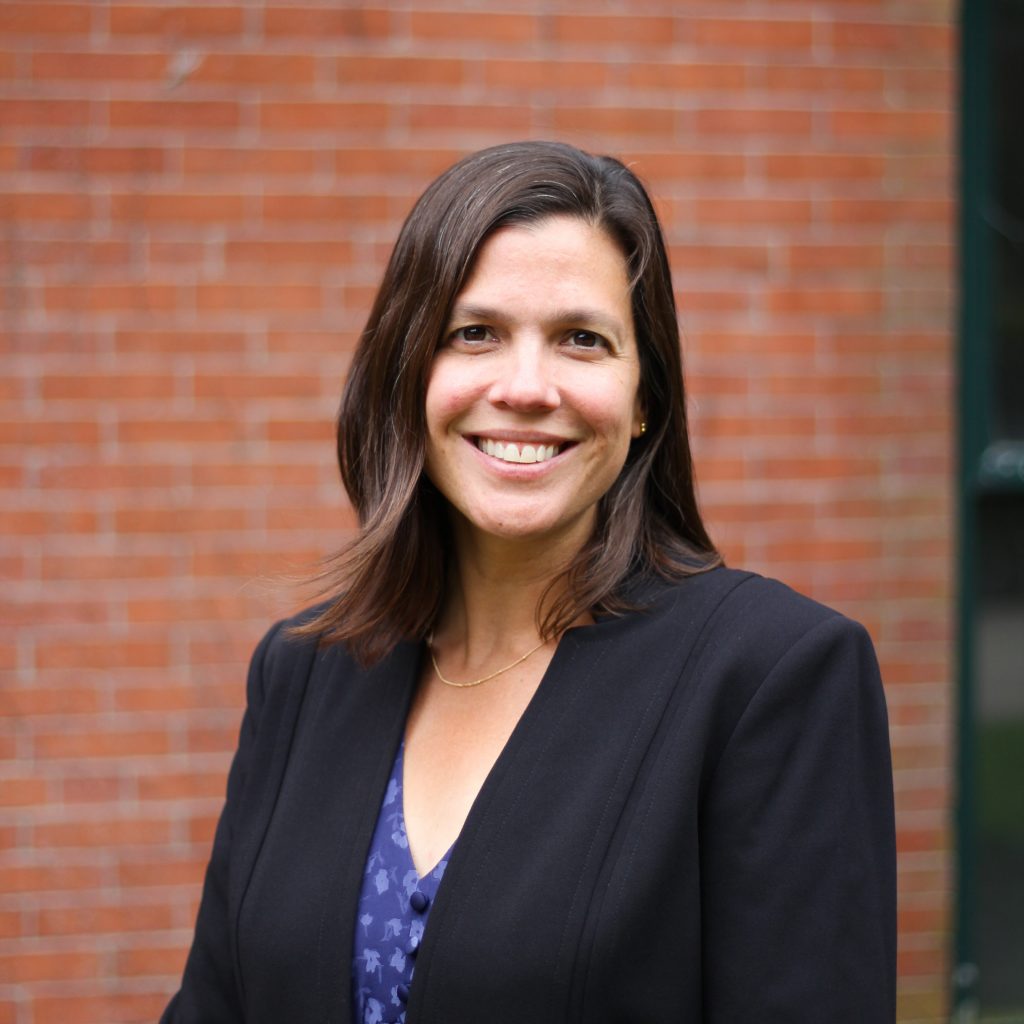
Affiliate Spotlight: Rachel Sayko Adams, PhD, MPH
Each newsletter we feature a CTMH affiliate to learn a bit more about their work. This month we speak with Dr. Rachel Sayko Adams, Research Associate Professor in Health Law, Policy & Management. Click to listen to the audio interview:

In the interview, Dr. Adams describes her path from a BU MPH student to a substance use researcher, explaining how she came to focus on health disparities in access to care and long-term outcomes at the intersection of traumatic brain injury (TBI), mental health, and addiction in both military and civilian populations.
She outlines how she and her colleagues developed the model, “the perfect storm” which describes a cascade of vulnerabilities for people with TBI elevating risk for opioid overdose and suicide. Dr. Adams’s team recently received a second INROADS (Intersecting Research on Opioid Misuse, Addiction, and Disability Services) grant from the National Institute on Alcohol Abuse and Alcoholism:
“Now, we’re really thinking about the broad community of people with disabilities, including people with TBI… and if they’re experiencing alcohol-related problems in the same manner and scope as people without disabilities… We’re really trying to discover if there are disparities in care for people with disabilities with alcohol problems… We are partnering with people with lived experience. We think that this is an area where, unfortunately, there’s been not much research done to focus on these specific needs, and we’re really excited to continue to do this work.”
Transcript:
(The audio transcript of this interview has been edited for clarity)
Claire Dillenbeck: Welcome to the Affiliate Spotlight with the Center for Trauma and Mental Health. I’m Claire Dillenbeck, and today I’m talking to Dr. Rachel Sayko Adams, Research Associate Professor with the Health Law, Policy, and Management Department at BUSPH. Welcome, Rachel.
Rachel Sayko Adams: Thanks for having me, Claire.
Claire Dillenbeck: Can you start by telling us a little bit about yourself and how you arrived at public health and mental health?
Rachel Sayko Adams: One of the first things I want to share is that I’m an alum of the BU School of Public Health MPH program. I did my MPH here, graduating in 2008, in Health Policy and Management. Then I went on to get a PhD focusing on behavioral health services, and I trained as a substance use researcher, and learned a lot about addiction. A lot of my work focuses on big populations using healthcare claims and trying to understand what happens to people and how the care that they receive and the treatment that they receive relates to their long-term health outcomes. I’m very focused on addiction and mental health and how that relates to trauma.
Claire Dillenbeck: Excellent. That is great to hear, especially as a BU MPH student myself!
01:30
Claire Dillenbeck: A lot of your current research focuses on military members, veterans, and people with disabilities. How has working with these groups shaped how you think about trauma and recovery?
Rachel Sayko Adams: Yes, so that’s how I’ll make the initial connection from addiction to trauma. I think there’s a lot of connections; for people who experience addiction, there’s a higher risk of having a trauma prior to addiction, but also, addiction increases your risk for experiencing different types of traumatic events.
The way I came to learn about this connection was when I was doing my PhD; it was around the time of intense deployments associated with the Afghanistan and Iraq conflicts that were happening. I was asked to join a research project focusing on the impacts of deployment for military families. I was studying to be an addiction researcher, and I started learning about military culture more. Having been someone who doesn’t come from a military family, at least my immediate family, I didn’t know a lot about it. I started to learn specifically about the predominant culture of heavy alcohol use that happens in military environments. I was thinking about that in relation to all these deployments and military members coming back.
At the same time, I also was paying attention to what they were calling the new signature injury of those conflicts, which was traumatic brain injury, or blast-related head injuries, that were happening during these deployments. I started meeting TBI researchers and learning a lot about it. I started to think, what’s going to happen with these military members who have these head injuries, and then come back from deployment? They resume their alcohol use that they were engaging in prior to deployment. It’s very common to binge-drink in the military, multiple times a month, and how is that going to impact their overall well-being?
I ended up doing a dissertation really digging into the association between experiencing a military-related traumatic brain injury or head injury in relation to future at-risk drinking behaviors and consequences of drinking. I found that people with a history of deployment-related TBI were at risk for engaging in more frequent binge drinking when they got back, so it was increasing the risk of that behavior and risk of higher, negative consequences from that drinking behavior.
That work really set me on a path of continuing to do work in the traumatic brain injury or concussion space. Thinking a lot about different types of addiction following TBI, and I continue to do that work with both military members and veterans, as well as with civilian populations.
04:43
Claire Dillenbeck: It’s very interesting. One part of this work is that you’ve developed a model, the Perfect Storm, regarding how people with a history of traumatic brain injury are at risk for opioid use and the devastating consequences of addiction. Can you tell us a little bit about The Perfect Storm?
Rachel Sayko Adams: I think all of you are familiar and have heard that in the United States, we had a very severe overdose and opioid crisis. Around 2018, my colleagues and I received a grant to look at how the disability community was impacted by this opioid or overdose epidemic, because they had been really, not been paid attention to as much in that work. Through that work, we ended up doing more investigations specifically about individuals with a history of traumatic brain injury.
We put together a lot of information from different literature and studies that people were doing, and we came up with a model that suggested that people with a history of TBI, first in Phase 1, are more susceptible to receiving prescription opioids, and that has to do with the fact that they’re much more likely to have pain following head injury. Chronic pain is a very common consequence of TBI, or concussion, and during the opioid crisis, pain was really a driver of receiving opioids in our country as a prescription, at least in the early years. Then people with TBI are also more likely to have mental health consequences and psychiatric problems, which sometimes do lead to opioid receipt as well.
In the second phase of that Perfect Storm model is that we suggested that once individuals with TBI receive prescription opioids or start using opioids, they’re more likely to advance to using opioids long-term or to developing opioid use disorder or experiencing opioid misuse than people without TBI. A lot of our research studies since then, and others in the field, have provided evidence to support that phase as well. There’re now studies that have been done with civilian populations, with college students with concussion history, and with military members that demonstrate that individuals with TBI who start using opioids are more likely to advance to problematic opioid use.
In the third phase of the model, we hypothesize that if individuals with TBI develop opioid use disorder(addiction)that they might face greater barriers accessing substance use disorder treatment, or they might receive worse quality care when in that treatment. At the time, we developed this model around 2018-2019, there wasn’t a lot of research actually looking at that specific piece of the model. There weren’t a lot of studies looking at substance use treatment to see if people with TBI had the same experience, the same access, or quality care. But since then, there have been several studies, and what we have seen through the work we’ve done with colleagues and some other researchers is that people with TBI, who have opioid use disorder are less likely to receive medications for opioid use disorder, such as buprenorphine or methadone. They’re less likely to start using those evidence-based medications. Other studies have also shown that they are also less likely to continue on them for a certain period of time, which is really an indication of quality care.
My colleagues and I have done a lot of thinking about this, and just, the implications for substance use treatment providers, about understanding the population of people in their practice who have history of TBI or concussion, and how they may need to provide more accommodations or more tailored care to acknowledge the potential cognitive deficits that these individuals may have, or, increase targeted care to make treatment more appealing, more accessible, and more effective for these individuals.
There’s a last piece of that model is that we acknowledge that both developing opioid use disorder, or having opioid use disorder, but not getting quality substance use disorder treatment increases risk for really devastating outcomes, like overdose, or as well as death by suicide. These are very critical, critically important issues for the field.
Claire Dillenbeck: As you’re talking, I’m thinking from my clinical experience, and it just feels so important to understand how all these things are coming together to affect these folks.
10:12
Claire Dillenbeck: From your work, what are you excited about or feel hopeful about in terms of research directions in trauma and mental health?
Rachel Sayko Adams: My colleague Sharon Reef, at Brandeis, as well as my colleagues I have here at BU School of Public Health, have a grant funded by the National Institute on Alcohol Abuse and Alcoholism that we call INROADS, which stands for Intersecting Research on Opioid Misuse, Addiction, and Disability Services. This is the second INROADS grant we received. The first one was focused on opioids, and that’s where a lot of this work came that supported the development of the Perfect Storm model. Now, we’re also really thinking about the broad community of people with disabilities, including people with TBI, as well as people with other types of disabilities and if they’re experiencing alcohol-related problems in the same manner and scope as people without disabilities, if they have the same access to appropriate substance use disorder treatment, if they do develop problems with alcohol, and if they receive the same quality care. We’re really trying to discover if there are disparities in care for people with disabilities with alcohol problems.
We’re very excited about that work. We are partnering with people with lived experience. We think that this is an area where, unfortunately, there’s been not much research done to focus on these specific needs, and we’re really excited to continue to do this work.
12:02
Claire Dillenbeck: Great. Thank you so much for taking the time to speak with us today, and I’m looking forward to hearing what comes out of that work in the future.
Rachel Sayko Adams: My pleasure. Thanks, Claire.