News
GUDL Awards Third Pilot Partnership Seed Grant Between Boston University and Lowell Community Organizations

"We are grateful to the Initiative on Cities’ Gentrification and Urban Displacement Lab (GUDL) for supporting this partnership and for fostering innovative collaborations that bridge academic research and community practice in pursuit of more inclusive development."
— Yeşim Sungu-Eryilmaz
The Boston University Initiative on Cities Gentrification & Urban Displacement Lab (GUDL) is proud to announce the third recipient of our pilot partnership seed grant program. This award supports a collaboration between Lowell Alliance, the Merrimack Valley Project, and Yeşim Sungu-Eryilmaz, Assistant Professor and Director of the Boston University Metropolitan College City Planning & Urban Affairs Program. The partnership reflects GUDL’s commitment to facilitating new cross-sector collaborations for innovative anti-displacement policy and practice.
Beginning this summer, the three collaborators will work together to explore potential community impacts of the Lowell Innovation Network Corridor (LINC) project, a proposed 15-acre mixed-use development and public-private partnership between the University of Massachusetts, Lowell, and the City of Lowell. Lowell Alliance and Merrimack Valley Project, as community organizations deeply embedded in Lowell, will connect with community stakeholders, including the Northern Middlesex Council of Governments (NMCOG), the Coalition for a Better Acre, the City of Lowell’s Department of Planning and Development, UMass Lowell, and developers affiliated with LINC for this project partnership. Leveraging Professor Sungu-Eryilmaz’s expertise on community benefits and impact evaluations, a graduate student will work to produce a report that can be adapted for advocacy and action, including briefs, flyers, fact sheets, training materials, slide decks, and setup at community forums. Professor Sungu-Eryilmaz believes the research partnership with Lowell community organizations will secure opportunities for Lowell residents to participate and take action in the planning process: "We are excited to partner with the Lowell Alliance and the Merrimack Valley Project on this important effort to help ensure that the opportunities presented by the LINC project in Lowell benefit existing residents, include community voices, and help prevent displacement."
Lowell Alliance looks forward to collaborating with Professor Sungu-Eryilmaz and Boston University in yielding new opportunities to allow community members to shape their vision for Lowell:
"Lowell Alliance is energized by the opportunity to continue bringing together key housing- and community-focused stakeholders for such an important collaboration. As an organization centered on connecting families and neighborhoods to the resources and information they need to thrive, we believe this project will create opportunities for community members to fulfill their own vision for their community. Safe, affordable, stable housing is such an integral part of that vision, and we are excited to work with the Merrimack Valley Project and Assistant Professor Yeşim Sungu-Eryilmaz on this Pilot program."
The research collaboration between BU and these organizations will yield a comprehensive, community-facing report that can guide actionable strategies to ensure community members' voices are meaningfully heard in the planning process on issues such as housing and rent affordability, displacement, and accountability.
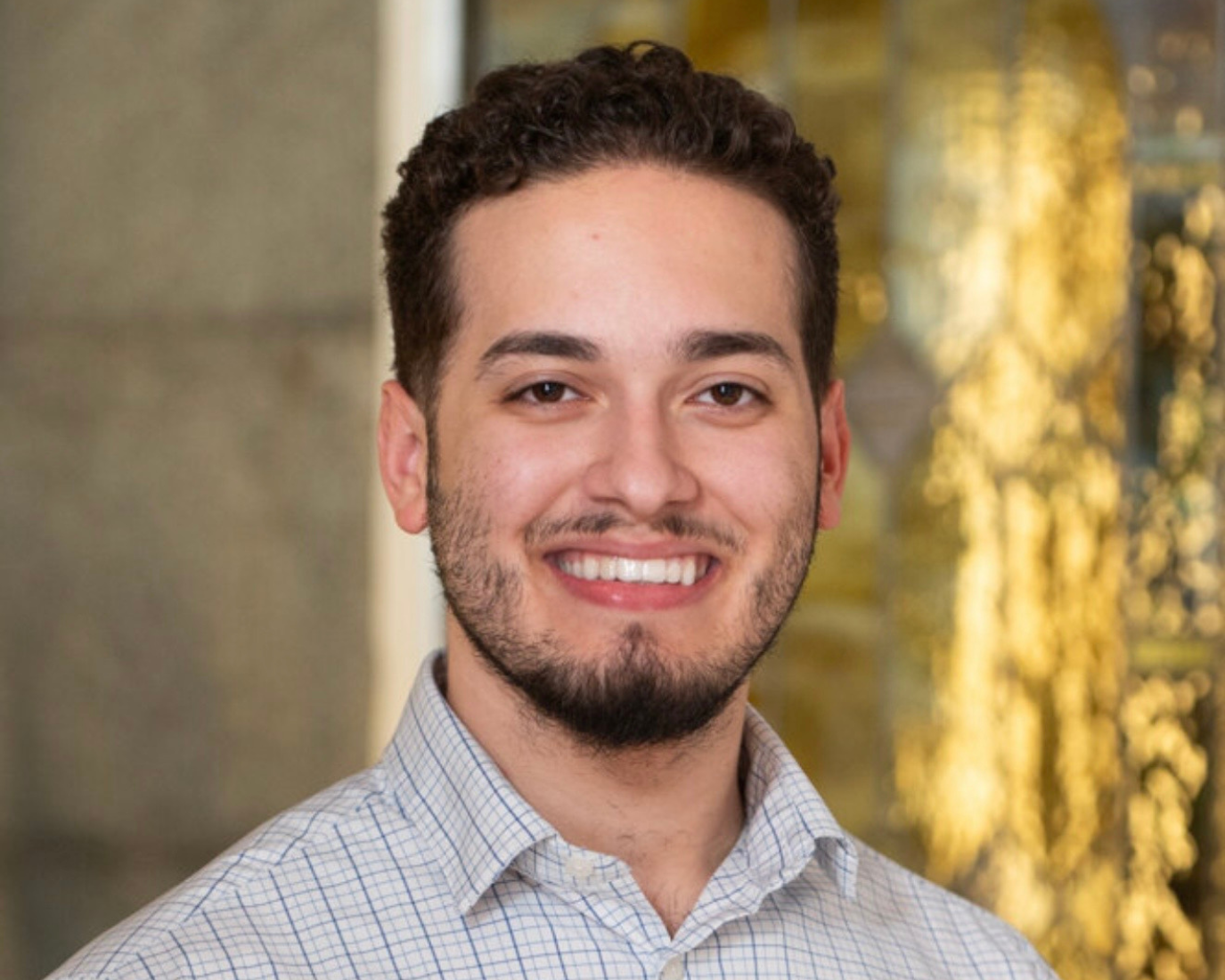
"At the Merrimack Valley Project, we believe those closest to these problems must be the co-architects of their futures and control the destinies of their communities. This partnership creates an opportunity to bring together rigorous research and our grassroots organizing so that working families and renters have a decisive voice in shaping Lowell's future. We're incredibly excited to work alongside the Lowell Alliance, Boston University, and other community stakeholders to ensure the future of housing development remains truly affordable and protects our communities from displacement."
— Julio Mejia, Executive Director of Merrimack Valley Project
GUDL Awards Second Pilot Partnership Seed Grant to Tufts University and the City of Boston Mayor’s Office of Housing

"I am grateful to the Initiative on Cities Gentrification & Urban Displacement Lab for fostering and supporting new collaborations between researchers and city agencies. I am thrilled to work with the Office of Housing in their efforts to create more affordable housing and prevent displacement."
— Shomon Shamsuddin
The Boston University Initiative on Cities Gentrification & Urban Displacement Lab (GUDL) is proud to announce the second recipient of our pilot partnership seed grant: a collaboration between the City of Boston Mayor’s Office of Housing (MOH) and Shomon Shamsuddin, Associate Professor in the Department of Urban and Environmental Policy and Planning (UEP) at Tufts University. The award furthers GUDL’s goal of fostering new, cross-sector collaborations to advance innovative anti-displacement policy and practice.
MOH and Shomon Shamsuddin will work together to conduct a quantitative analysis of the City’s Acquisition Opportunity Program (AOP), which supports and enables responsible, community-driven investors and developers — such as Community Development Corporations (CDCs) and Community Land Trusts (CLTs) — to acquire naturally occurring affordable rental housing, stabilizing existing tenancies and adding in perpetuity affordability restrictions. The partnership between MOH and Tufts UEP was formed through GUDL’s matchmaking efforts after finding mutual interest in evaluating the impact of housing affordability strategies in Boston. The study will compare participating AOP properties with adjacent non-participating properties to assess the program's impacts on resident stability and well-being, using indicators such as evictions, 311 requests, 911 calls, crime reports, income changes, and building-level data.
Findings from this project will help the City evaluate and refine the AOP and to offer lessons to other city agencies and municipalities seeking to advance evidence-informed anti-displacement strategies.
Adam Goldstein, Associate Director of the City of Boston Mayor’s Office of Housing, is enthusiastic that the collaboration will provide MOH with the insights to improve the AOP and other housing programs that Boston is working on: "It is a privilege to partner with skilled researchers like Professor Shamsuddin to deeply analyze the impact of the City's premier anti-displacement tools. The Mayor's Office of Housing is excited about this collaboration; the research generated by the Gentrification & Urban Displacement Lab will directly strengthen our work in supporting Boston residents struggling with housing instability and displacement."
Gentrification & Urban Displacement Lab (GUDL) Awards First Community-Centered Collaborative Pilot Partnership Seed Grant
[BOSTON, MA] May 19, 2026 — The Boston University Initiative on Cities Gentrification & Urban Displacement Lab (GUDL) is proud to announce the recipients of our first pilot partnership seed grant between the City of Cambridge Redevelopment Authority (CRA), City of Cambridge Economic Opportunity and Development Division (EODD), and the Small Business Anti-Displacement Network (SBAN). The pilot partnership award is part of GUDL’s aim to foster new, cross-sector collaborations to advance innovative anti-displacement policy and practice.

"SBAN is grateful for this opportunity to collaborate with Cambridge leaders on locally specific small business anti-displacement strategies. We're excited to learn more about how the city is creating affordable retail space, how other cities can do the same, and what additional strategies can complement these efforts."
Following the CRA's request for collaboration, GUDL facilitated a partnership that connects Cambridge’s local expertise with SBAN’s national leadership in small-business anti-displacement strategies. The collaboration is intended to strengthen Cambridge’s efforts to support small businesses while generating lessons and practices that can inform anti-displacement work in other communities.
The CRA and EODD will work with SBAN to host the Cambridge Small Business Talks at the end of 2026. These talks, facilitated by SBAN Director and Associate Professor of Urban Studies and Planning at the University of Maryland, Willow Lung, will include a commercial anti-displacement workshop for Cambridge leaders and members of the City’s primary business associations.
They will also have site visits to the CRA’s Neighborhood Storefronts Project at 1175 Cambridge Street, Central Square, and Porter Square. This program seeks to bridge local knowledge with SBAN’s national expertise in anti-displacement solutions for small businesses. The collaboration also provides opportunities for the City of Cambridge to listen, inform, and support local businesses. Pardis Saffari, Director of Economic Opportunity and Development at the City of Cambridge, looks forward to the new partnership benefiting Cambridge businesses:
“The City of Cambridge is proud to partner with the Cambridge Redevelopment Authority in securing support from the BU GUDL program. This grant strengthens our shared commitment to preventing small business displacement and preserving the diversity, creativity, and cultural vibrancy that define our commercial districts. Cambridge’s small businesses are essential to the fabric of our community, and this collaboration allows us to expand the resources, stability, and long‑term opportunities they need to thrive.”
Loretta Lees, Director of the Initiative on Cities, looks forward to GUDL’s reach to go beyond academia and unlock new solutions on the ground: “I am so excited by our new initiative, GUDL, and the convergence of our academic work with non-academic bodies and local communities to co-create solutions to, in this inaugural case, commercial displacement.”
About the Gentrification & Urban Displacement Lab (GUDL)
The Gentrification and Urban Displacement Lab (GUDL) at Boston University’s Initiative on Cities brings together researchers, policy-makers, practitioners, and advocates committed to understanding and addressing the forces of gentrification and displacement.
Through cross-sector collaboration, GUDL develops evidence-based strategies and policies to prevent displacement and promote equitable urban development. The Lab convenes diverse partners — from local communities to global networks — to share insights, co-create solutions, and seed-fund projects that combine academic research, grassroots expertise, and policy innovation to deliver measurable impact in cities.
About the Boston University Initiative on Cities
The Initiative on Cities (IOC) at Boston University is an urban research center that serves as an interdisciplinary hub for urbanists, connecting research and practice and leading place-based experiential learning programs for students. We marshal the talents and resources of wide-ranging disciplines across the university and forge ties to cities locally, nationally, and globally – in pursuit of creating more livable and resilient cities.
Gentrification: Ideas to Action – Book Discussion on “The Death and Life of Gentrification” and the Launch of Gentrification & Urban Displacement Lab
When: Wednesday, February 4, 3:00 – 5:00 PM
Where: Rajen Kilachand Center, 610 Commonwealth Avenue, Colloquium Room, Boston, MA 02215
Join the Boston University Initiative on Cities for the launch of the Gentrification & Urban Displacement Lab (GUDL) – a new hub bringing together faculty, students, practitioners, and community partners committed to understanding urban change, culture, and inequality.
At the center of the launch is a discussion of Professor Japonica Brown-Saracino’s important new book, The Death and Life of Gentrification. Brown-Saracino explores how the term “gentrification” has evolved far beyond Ruth Glass’s original meaning – shifting from a description of neighborhood change to a socially charged metaphor for cultural appropriation, upscaling, and the loss of authenticity. Drawing on film, literature, journalism, and art, the book illuminates how gentrification has become a lens through which we understand transformations in everyday life and popular culture. Ultimately, the book asks what gentrification means today and calls us to consider how scholarly debate about gentrification contributed to the term’s new life as a metaphor.
Brown-Saracino will be joined by Karilyn Crockett (MIT), Lawrence Vale (MIT), and Stephanie Ternullo (Harvard) for a conversation on the book and its implications.
Following the discussion, the program will feature lightning talks showcasing recent BU research on gentrification and displacement, and next steps for GUDL.
Register on the IOC Website