CJ 720 Trauma & Crisis Intervention Blog
Why Do Mental Health Issues and Care Make People Shy Away?
Why Do Mental Health Issues and Care Make People Shy Away?
I remember a civilian colleague of mine telling our Chief that she had PTSD, and she said his whole attitude toward her changed. She said it was within short order that she found management treating her differently, and before long, she was being encouraged to go out on retirement. At the time, I pondered why he would be so reactive. This was the softest-spoken person I had ever worked with; she never presented as threatening, unstable, or dangerous. So why would we be so ignorant toward a great colleague? What is it about mental health that makes people so hesitant? It’s not like you can catch PTSD, schizophrenia, or most other DSM-5-TR diagnoses. To be fair, there was a major study in Finland that showed that adolescents who associated with peers with mental illness had a higher risk of developing mental illness, particularly eating disorders and anxiety (Alho et al., 2024). However, if mental health disorders were contagious in the way we think of a contagion, then nearly all practicing therapists would be suffering from a host of conditions.
So, are people afraid of mental health issues because it’s an unknown, we don’t understand it and we are leery of what we don’t understand? Is that, I wondered, why we shy away from mental health care? I initially pursued a consideration of why do people in America shy away from mental health care, but I learned in my research that internationally, even in European countries, people don’t seek care when they need it (Mental Health Million Project, 2021). This entire idea made me wonder why, in this day and age, do we still have so much aversion to seeking help?
Mental Health Million Project conducted a survey of 10 countries, and their findings included:
Over 50% of those with clinical level mental health risks do not seek help. The major reasons are not knowing what kind of help to seek, thinking that it won’t make a difference, and a preference for self-help.
The researchers concluded that stigma was not the only defining issue. Therefore, stigma is not the only issue interfering with criminal justice professionals seeking help. It suggests that even if someone is willing to seek help, they may not know where to start.
Take for example, a colleague who has been exposed to a serious traumatic event at work. If I were to be in a supportive role, and they were willing to seek care, I would still need to help that individual identify a care provider who specializes in trauma treatment. So, I set out to find a therapist in our area who specializes in trauma care. Even in this day of the internet, here is what I found:
A counselor who says she takes contracts from the Veterans Administration. She has a friendly website, speaks about realizing the limited support for law enforcement after her nephew joined the San Jose (California) Police Department. She mentions she isn’t a liberal and is a certified range instructor. Already, my skepticism kicks in, and I am thinking, “she’s trying too hard.”
So the next question is, do I give her contact information to my colleague, do I try to vet her myself first…what the heck? So, in reality, I am stuck, and I am just trying to figure out how to help my colleague. I am not currently in a mental health crisis, I am not facing trauma or worried about my career if I seek help, none of that.
So after going through this exercise, I can see why people don’t know what type of help to seek, and to be skeptical about it working. I became skeptical about the therapist who wants me to believe she can hang with cops. No disrespect to her, I am just being candid about my own bias!
Therefore, we have layers of obstacles when seeking mental health care as a criminal justice professional. There is a hesitancy to admit the need for help, because there is stigma in the general population about mental health, and an added layer of stigma for those in law enforcement and any service field for that matter (i.e., corrections, social work, domestic violence shelters, health care, etc.). If one finds the courage to get past that and decide to seek help, where does one start? Look for a specific type of mental health professional? Then do they take insurance? Or does one go with an Employee Assistance Program referral? Then, does one follow through and call the mental health clinician? Show up and put all of the problems out to a stranger and hope they are able to understand the work and how to help?
I look at this way, we are having the conversations about how to effect change in the industry. How do we destigmatize seeking mental health care? Even on an international level, we have a long way to go. We have come a long way in the past 20 years, but certainly, there is a journey ahead.
By the way, I emailed the therapist who is a gun-toting, cussing, conservative who wants to work with law enforcement. In a brief email, I told her about how important this topic is to me, and that I am seeking to build my professional network as I am interested in pursuing long-term solutions in the industry. My first thought was, is she going to vet me before she even responds? Stay tuned…
References:
Alho, J., Gutvilig, M., Niemi, R., Komulainen, K., Böckerman, P., Webb, R. T., Elovainio, M., & Hakulinen, C. (2024). Transmission of Mental Disorders in Adolescent Peer Networks. JAMA Psychiatry (Chicago, Ill.), 81(9), 882–888. https://doi.org/10.1001/jamapsychiatry.2024.1126
Sapien Labs. (2021). Mental Health has Bigger Challenges Than Stigma. Mental Health Million Project. Retrieved from: https://mentalstateoftheworld.report/wp-content/uploads/2021/05/Rapid-Report-2021-Help-Seeking.pdf
EMDR for Children and Adults with PTSD
Eye movement desensitisation and reprocessing (also known as EMDR) is used in therapeutic approaches to help people face their trauma by using an 8-step treatment plan. During an EMDR session, participants are instructed to complete bilateral stimulation, which is usually saccadic eye movements, which desensitizes the participant and relieves discomfort (Valiente-Gómez et al., 2017). By using EMDR techniques, the participant is able to reprocess their traumatic experiences and work through them. EMDR is beneficial for PTSD in adults, children, and teens due to the ability to work through their trauma in a controlled way. Within EMDR, there are 8 phases that are used during treatment. The 8 stages are history taking, preparation, assessment, desensitisation, installation, body scan, closure, and reevaluation (Rousseau, 2025). These stages are necessary for EMDR therapy because it helps the participant to take back their trauma and work through it.
When discussing the benefits of EMDR across all ages, it is important to understand how it can differ for each age group. Specifically, for children, EMDR can be beneficial because there is no at-home work for them to complete. EMDR is used only in professional sessions and cannot be done at home. This is beneficial for children because they will not feel that they do not want to do it because they have been practising at home, making the effects stronger. Not having the option for homework can influence children to want to do it more in a professional setting because they will not feel pressured to do it at home as well. EMDR is also important for adults because they can work through their past trauma in a new mindset. In one session, a participant noted that they “felt each and every step of it (their traumatic event) now. Now it is like a whole, instead of fragments, so it is more manageable” (van der Kolk, 2014, p.g. 370). By having EMDR, participants are able to relive their trauma in a controlled environment and respond in a different way.
When it comes to EMDR, I find it very compelling because of the ability that it has to help people live through their traumas. EMDR allows people to look at their trauma from a new perspective, allowing them to understand more deeply what happened and hopefully giving them the ability to move forward. Although EMDR has had successful results and has been shown to be effective, it is still debated on if it actually works (Rousseau, 2025). EMDR is a practice that is fairly new in comparison to other forms of treatment options. It has also been found that EMDR has been successful in the treatment of phobias like flight anxiety, but whether or not it's related to PTSD (Valiente-Gómez et al., 2017). This being said, it can be successful in treating phobias that could have been caused by trauma, like if someone survived a plane crash and they have a fear of flying now. In regards to EMDR specifically for children, it has been found to be effective when treating PTSD symptoms (Rodenburg, 2009). The reason why this could be is because children sometimes do not know how to express their emotions in the same manner as adults.
Overall, when it comes to EMDR practices, the treatment itself is still relatively new. Some claim that there are great successes that come from EMDR. It is hard for researchers to determine if it is a reliable practice because you can not really compare it to another therapeutic approach. EMDR can vary in success depending on the individual who is receiving the treatment. For some, it might not be as successful as other therapeutic approaches, but for others, it can be life-changing. Overall, EMDR is an approach that should be studied more deeply, allowing participants to be able to utilize it in the best way possible.
References
Rodenburg, R., Benjamin, A., de Roos, C., Meijer, A. M., & Jan Stams, G. (2009, January 3). Efficacy of EMDR in children: A meta-analysis - sciencedirect. Clinical Psychology Review. https://www.sciencedirect.com/science/article/abs/pii/S0272735809000890
Rousseau, D. (2025). Module 6 Trauma And Criminal Justice System [Lesson 4.3]. Blackboard@BU.
Valiente-Gómez, A., Moreno-Alcázar, A., Treen, D., Cedrón, C., Colom, F., Amann, B. L., & Pérez, V. (2017, September 25). EMDR BEYOND PTSD: A systematic literature review. Frontiers. https://www.frontiersin.org/journals/psychology/articles/10.3389/fpsyg.2017.01668/full
Van Der Kolk, B. A. (2014). The body keeps the score: Brain, mind, and body in the healing of trauma. Amazon Kindle.
Self-care Strategies
Many professionals in high-stress fields regularly encounter the suffering of others, whether through counseling sessions, social work, healthcare, law enforcement, victim services, or crisis response. This vicarious trauma (PTSD-like symptoms from indirect exposure to distressing experiences) can lead to insomnia, irritability, fatigue, and emotional detachment if left unmanaged (Rousseau, 2025). The good news is that personal self-care practices can significantly reduce these effects. Research shows that strategies like mindfulness, journaling, exercise, social support, and setting boundaries build resilience and reduce stress (Kim et al., 2022). Integrating these habits into your daily routine can help maintain mental health despite frequent exposure to intense situations.
Mindfulness Practices
Mindfulness, or focusing attention on the present moment through meditation, breathing exercises, or gentle yoga, is one of the most widely studied coping tools. Studies find that mindfulness-based interventions reliably reduce stress and anxiety across a variety of populations. For example, online mindfulness-based stress reduction programs have been shown to significantly lower perceived stress levels (Zhang et al., 2020). Even short guided meditation sessions or body scans can help improve well-being and interrupt cycles of worry. Mindfulness apps, podcasts, or community classes make it easy to build a regular practice. Taking a few minutes to focus on breathing before or after a stressful task can help “reset” the nervous system.
Reflective Journaling
Writing about experiences is another evidence-backed strategy for processing vicarious stress. A study by Sohal et al. (2022) found that expressive writing, such as honest, personal writing about stressors, can significantly reduce symptoms of PTSD, anxiety, and depression. Even brief sessions of 5–15 minutes a day can help process difficult emotions and create psychological distance from challenging events (Sohal et al., 2022). Journaling might include venting frustrations, noting moments of gratitude, or brainstorming coping strategies. Over time, this practice supports emotional regulation and perspective-taking, reducing the spillover of work stress into personal life.
Physical Activity
Regular physical activity is a proven stress reducer. Research shows that individuals who exercise regularly experience lower rates of depression, anxiety, fatigue, and sleep disturbances (Stults-Kolehmainen & Sinha, 2014). Moderate activity like brisk walking, cycling, or swimming releases endorphins and helps dissipate physical tension. Exercise also supports better sleep, which in turn strengthens stress resilience. One analysis noted that interventions to improve sleep quality (often combined with physical activity advice) led to medium-sized reductions in stress and anxiety (Scott et al., 2021). This suggests that treating sleep and exercise as serious priorities can make a real difference; even short “micro-workouts” or stretching breaks can reset your mood and energy level.
Social Support
Strong social connections are a protective factor against stress-related health problems. Research indicates that strong relationships with friends, family, or peers can buffer the impact of trauma and stress (Ozbay et al., 2007). Ozbay et al. (2007) summarize decades of studies showing that good social bonds enhance resilience to stress and reduce the risk of trauma symptoms like PTSD. Social support doesn’t have to mean large groups, it can be as simple as maintaining regular contact with a friend, participating in a community activity, or scheduling regular calls with family. Even casual social interactions, like lunch with a coworker or chatting with a neighbor, help reinforce a sense of belonging. Professional counseling or peer support programs can provide specialized help for those processing ongoing vicarious trauma.
Setting Boundaries
Finally, setting boundaries is essential. Without clear limits, it’s easy to let work or emotionally demanding responsibilities spill into every area of life. This might mean establishing “off hours” without email, limiting exposure to distressing media outside work, or saying no to extra commitments when already taxed. Scheduling regular downtime and fun activities is just as important as meeting deadlines. Gradual habits such as leaving work at a reasonable hour, going outside to enjoy the sunlight, or limiting time on social media before bed reinforce that life beyond school or work matter too. Researchers emphasize that consistent, intentional self-care (rather than occasional crisis management) is key to preventing burnout (Kim et al., 2022). By treating self-care (and the above strategies) as part of your day to day, you maintain the mental strength needed to succeed in your professional life.
References:
Kim, J., Chesworth, B., Franchino-Olsen, H., & Macy, R. J. (2022). A Scoping Review of Vicarious Trauma Interventions for Service Providers Working With People Who Have Experienced Traumatic Events. Trauma, violence & abuse, 23(5), 1437–1460. https://doi.org/10.1177/1524838021991310
Ozbay, F., Johnson, D. C., Dimoulas, E., Morgan, C. A., Charney, D., & Southwick, S. (2007). Social support and resilience to stress: from neurobiology to clinical practice. Psychiatry (Edgmont (Pa. : Township)), 4(5), 35–40.
Rousseau, D. (2025). Module 1: Introduction to Trauma. Boston University.
Scott, A. J., Webb, T. L., Martyn-St James, M., Rowse, G., & Weich, S. (2021). Improving sleep quality leads to better mental health: A meta-analysis of randomised controlled trials. Sleep medicine reviews, 60, 101556. https://doi.org/10.1016/j.smrv.2021.101556
Sohal, M., Singh, P., Dhillon, B. S., & Gill, H. S. (2022). Efficacy of journaling in the management of mental illness: a systematic review and meta-analysis. Family medicine and community health, 10(1), e001154. https://doi.org/10.1136/fmch-2021-001154
Stults-Kolehmainen, M., & Sinha, R. (2014). The effects of stress on physical activity and exercise. Sports medicine (Auckland, N.Z.), 44(1), 81–121. https://doi.org/10.1007/s40279-013-0090-5
Zhang, Y., Xue, J., & Huang, Y. (2020). A meta-analysis: Internet mindfulness-based interventions for stress management in the general population. Medicine, 99(28), e20493. https://doi.org/10.1097/MD.0000000000020493
Opt-in Versus Opt-out: Mental Health Resources for Police Officers
Police officers encounter trauma on a daily basis at work. Unlike civilians, police officers have to continue to perform their job as first responders until the situation is finished. In a shooting, police officers do not have the option to get in their car and drive away to safety or to call loved ones. They are expected to protect the public and to pursue the threat until it is under control. This opens the door of opportunity to trauma in many ways for police officers. While a police department may provide officers with resources to discuss their acquired trauma and to obtain treatment, there are many barriers that prevent officers from following up on this resource even if they may need it.
Four main barriers reported by police officers to report their trauma on and request treatment are 1) losing their job 2) having their license to carry a firearm taken away 3) reassignment within the department to a less stressful position and 4) ridicule and humiliation (being seen as weak) (Rousseau, 2025).
The number one cause of death in police officers is suicide (Rousseau, 2025). Officers who fail to maintain stable mental health may become a liability as an officer and if that is the case, they may be let go by their department. When an officer reports concerns of mental health and possible PTSD, their license to carry (LTC), and patrol weapon may be confiscated until their mental health returns to stable. Additionally, a department may reassign an officer to a less stressful position while they take care of their mental health and as a result this may be more de-stabilizing and disorienting, and the fear of being reassigned may prevent officers from expressing their struggles. Finally, they can suffer ridicule or humiliation socially and internally. Internally, an officer who seeks out resources and mental health treatment may feel weak when they do not see their coworkers doing the same. They may feel alone and confused about why they need help and their co-workers do not. Socially, a team of officers could ridicule an officer who seeks out help when the whole team is exposed to the same traumas and deems them not traumatizing enough to need help. One person may struggle while the others are fine, and they may be outcast and ridiculed for not being able to handle the work. As a result of this hesitation to obtain help, many officers hide their struggles and this only makes the stress and trauma harder to deal with.
One of the possible contributors to the fears of officers to obtain resources when needed is that the mental health resources a department provides operate on an opt-in basis. For an officer to obtain mental health resources, they would need to admit that they need help to their HR or their supervisor. This alone may be a barrier to entry as they may already fear repercussions for merely wanting to talk to someone. Additionally, an officer may have never been to therapy or received mental health treatment before and this may be too intimidating especially when they are already emotionally vulnerable. An Opt-in model for mental health resources presents a barrier to entry that will prevent officers from obtaining the help they need, further contributing to the reasons they don’t seek out help in the first place.
Switching to an opt-out model for mental health resources could trump barriers to entry and could help provide proactive resources to officers instead of just reactive resources. If the mental health resources were opt-out, and officers had to make an effort to not receive help rather than to receive help, they may be more inclined to reach out.
One workplace that has already tested implementation of this opt-out model is one hospital residency program. Within a hospital, medical students studied for seven months. One group of students was given resources to opt-in to therapy if they wanted it and the other group was scheduled for therapy and could opt-out, or cancel, their session (Guldner Et. al. 2024).. At the end of the study, the data showed that only 6% of residents opted-in to therapy (Guldner Et. al. 2024). However, in the opt-out group 55% of residents kept their appointments and 39% opted-in for additional sessions than was required (Guldner Et. al. 2024).. This study shows that individuals may want therapy and could enjoy the benefits of therapy, but the barrier to entry, even if it is just to call and schedule an appointment, may be a barrier enough to prevent the use of services.
An opt-out system for mental health resources or counselling could be very beneficial and effective for a police department. For example, officers could have mandatory meetings with a mental health professional once a month or bi-weekly for the first two years of employment as a first responder, and then after that have the option to opt-out of services if they want to. This way, the stigma of being in counseling evaporates because everyone has been in it, and officers do not have to worry about asking where the resources are because they are already required to engage with them. Additionally, if an officer recognizes that they may be struggling, the barrier to re-enter into therapy services will be minimized because they already have rapport with the mental health professional working for their department, and they already know what to expect, and can rest-assured that their job, assignment, social standing, and license to carry will not be threatened by reaching out for help.
An opt-out model of mental health resources for police officers has tremendous potential and could be a great tool to improve officer wellness, employee retention, and to mitigate officer liability.
References
Davis, Joseph A. (1998). Providing Critical Incident Stress Debriefing (CISD) to Individuals and Communities. Chapter 4. The American Academy of Experts in Traumatic Stress, Inc. https://nzsar.govt.nz/assets/Downloadable-Files/Critical-Incident-Stress-Debriefing.pdf
Guldner, G., Siegel, J. T., Broadbent, C., Ayutyanont, N., Streletz, D., Popa, A., Fuller, J., & Sisemore, T. (2024). Use of an Opt-Out vs Opt-In Strategy Increases Use of Residency Mental Health Services. Journal of graduate medical education, 16(2), 195–201. https://doi.org/10.4300/JGME-D-23-00460.1
Rousseau, D. (2025). Trauma and Policing. Boston University.
Posttraumatic Growth: Real or Illusory?
Posttraumatic Growth: Real or Illusory
What is Posttraumatic Growth?
The term posttraumatic growth, or PTG, was coined by Tedeschi and Calhoun as "the experience of positive change that occurs as a result of the struggle with highly challenging life crises. It is manifested in a variety of ways, including an increased appreciation for life in general, more meaningful interpersonal relationships, an increased sense of personal strength, changed priorities, and a richer existential and spiritual life." (Rousseau, 2025). Tedeschi and Calhoun (2014) found that survivors gain an increased sense of their capabilities to survive and prevail despite, as well as an added value for the smaller things in life. Some even suggest that PTG may actually be more common than the development of PTSD after a traumatic event.
In a number of studies recounted by Tedeschi and Calhoun (2014) findings indicate that cognitive processing, supportive social environments, and life narrative is all important in the process of achieving PTG. Cognitive processing is beneficial in that it helps survivors reflect and process emotions rather than engaging in constant brooding over their situation (Tedeschi & Calhoun, 2014). Having strong social support is also extremely influential in the process of PTG and naturally this makes sense. Studies found that when people affected by trauma perceive their significant others as not wanting to hear about their difficulties, cognitive processing may be inhibited (Tedeschi & Calhoun, 2014). Lastly, life narrative is important in that the way in which a survivor sees themselves and tells their story can set the stage for fundamental changes in their outlook on the future (Tedeschi & Calhoun, 2014).
It is also important to note that Tedeschi and Calhoun do not dismiss the fact that traumatic events will cause emotional and psychological hurdles in one's life. They suggest that both trauma responses and emotional turmoil can coexist with factors of PTG. Immediately after a traumatic event, an individual will struggle to cope emotionally and mentally, but eventually can progress after time towards developing PTG.
Problems with Posttraumatic Growth
While research on PTG seems promising, other researchers have found that PTG may not actually be that common. Some even indicate that PTG is illusory, a way for survivors to appear as though they are coping better than most or as a defensive mirage to their actual feelings. According to Camille Wortman (2004) in a study done on people who experienced the traumatic death of a loved one, found that "those whose assumptions about the world have been most shattered by the event are far less likely to experience growth than those in the other groups", with 2% of respondents saying they found positive benefits in the result of their situations. Further, Tedeschi and Calhoun claim that strong social environment is a factor to the development of PTG, while Wortman found that literature suggests "in most cases, people do not react positively to others’ attempts to provide a new perspective on what has happened” (Wortman, 2004).
Wortman is not the only scholar concerned with the validity of Tedeschi and Calhoun's claims of the prevalence of PTG. Jayawickreme et al (2021) also find fault with the studies conducted in support of PTG. These researchers start with three errors in the measurement of PTG as a whole. First, many life events are relatively rare and therefore require access to a sufficiently large population to ensure that the sample is large enough to provide statistical power (Jayawickreme et al, 2021). Second, the timing of data collection is complicated by the fact that many life events are not predictable (Jayawickreme et al, 2021). Third, not everyone is equally prone to experience certain life events, such that individual differences may impact both the experience of events and the outcomes of those events (Jayawickreme et al, 2021). The measurement of PTG is often used by a checklist in which Tedeschi and Calhoun created. However, measuring PTG cannot be as simple as a checklist. Individuals experience everything differently, it is almost impossible to know (through the use of checklists) the "weight" that someone gives one event over another in their life. Therefore, having a PTG checklist for experimental purposes, may not actually be valid or reliable in terms of measurement.
Posttraumatic Growth as a Personality Change
Jayawickreme et al instead, challenge these limitations on the studies of PTG by suggesting we look at PTG as a form of positive personality change. Researchers suggest that character strengths can emerge from traumatic events, specifically what they call wisdom-related character aspects which include intellectual humility, open-mindedness to diverse perspectives on an issue, understanding the multiple ways in which situations may unfold, and empathy (Jaywickreme et al, 2021). Thus, promoting a bigger picture view on life, enhancing open mindedness. Where in contrast, it is pointed out that "adopting the habitual immersed reflection on adverse events may lead to re-experiencing the negative emotions evoked by the event and ruminating about the event inhibits character growth" (Jayawickreme, 2021).
Potentially the strongest point made by the idea of PTG as personality change, addresses Tedecshi and Calhoun's assumption that narrative identity is important in developing PTG. Jayawickreme et al (2021) found that the process of narrating and revising stories about key life events over time may facilitate changes in the individual’s self-concept. The narrative reconstruction process may eventually facilitate positive personality change at the level of narrative identity by facilitating greater adjustment and well-being (Jayawickreme, 2021).
A Personal Reflection
The idea of PTG is one that I personally take a liking to because I believe to have experienced it. About six years ago, I experienced an ongoing traumatic period of roughly eight months. During that period of time I was withdrawn, isolated, depressed, and experienced flashbacks. My perception of the world and myself changed and through it all I lacked a support system of people who understood what I was going through. After I removed myself from the situation, I struggled with acceptance of myself and from others who had accepted me prior to the events months before. Ultimately, it changed how I approached my relationship with myself and others.
Four years later, I constantly struggled with self-esteem and maintaining relationships. I was in a tumultuous living situation which exacerbated all those feelings. After I found yet multiple other relationships breaking down in front of me, I decided I was done. I no longer wanted to feel the way I had in the past and I wanted to start living for myself. I started trying new things, making new friends, journaling, and working on myself. I took up weightlifting, went to therapy, and listened to self-help podcasts. I did the hard work and in turn made progress in life. I felt emotionally and mentally stronger, I forgave those who hurt me and forgave myself for what I didn't know when I was going through it all. I felt I had more opportunities and better relationships. Today, I am so much stronger than I thought I would be five years ago and while for me, PTG did not occur within months or even a year after, I still experienced growth.
While the lack of validity and reliability in PTG research as pointed out by Worton and Jayawickreme et al is strong, I believe more research needs to be done all around on both sides of the argument. Most of the longitudinal studies in which Worton and Jayawickreme site as counterpoints to Tedeschi and Calhoun do not go past two years of the traumatic incident, which as I pointed out for me took four years. Additionally, there may not be a great way to collect data on PTG given the fact that trauma in and of itself is very personal and everyone experiences life events differently. However, I believe that if we find the right people, there is more evidence of PTG than skeptics may realize, it may just not be as an immediate effect as thought. Additionally, I can say that for my own journey, a supportive environment did affect my growth as well as changing the narrative in which I told myself. I would view my PTG as a positive change in personality, that eventually rewired my brain in a way that changed how I now approach life. Therefore, I would not be so quick to dismiss the prospect of posttraumatic growth in anyone.
References:
Jayawickreme, E., et al (2021). Post-traumatic growth as positive personality change: Challenges, opportunities, and recommendations. Journal of personality, 89(1), 145–165. https://doi.org/10.1111/jopy.12591
Rousseau, D. (2025). Lesson 1.2: Addressing Trauma. Boston University
Tedeschi, R., & Calhoun, L. (2014). Chapter 30: Clinical Applications of Posttraumatic Growth. In Positive Psychology in Practice: Promoting Human Flourishing in Work, Health, Education, and Everyday Life (2nd ed., Vol. 1, pp. 503–518). essay, John Wiley & Sons.
Wortman, Camille. (2004). Posttraumatic Growth: Progress and Problems. Psychological Inquiry. 15
MDMA as the future of PTSD treatment
For decades, trauma survivors have been told that time heals, that talking about their pain in therapy can be a tool to let go of their pain, or that using medications can dull the symptoms and effects of their suffering. For many living with PTSD, the reality is far more complicated. Traditional treatments like antidepressants, cognitive behavioral therapy, and exposure therapy to their trauma may help some people, but others may continue to struggle with flashbacks, nightmares, anxiety, and disconnection from life. Studies have shown that MDMA, more commonly known as ecstasy or molly, is becoming more useful as a treatment for PTSD. While usually used as a party drug, MDMA is now at the center of multiple scientific studies regarding its effects on PTSD, and the results are eye-opening.
MDMA affects the brain in ways that make trauma therapy more effective, increasing serotonin, dopamine, and oxytocin, which are the chemicals linked to mood, bonding, and feelings of trust. In a therapeutic setting, MDMA can be used to make patients feel safer and more connected to their therapist, and less overwhelmed with the process of revisiting traumatic memories. Unlike traditional talk therapy, which may retraumatize some patients, MDMA-assisted therapy sessions can allow some survivors to re-engage with painful and traumatic memories without feeling fear or shame. This emotional buffer that MDMA gives patients allows them to process their experiences with clarity rather than avoidance.
According to the VA's National Center for PTSD, MDMA-assisted therapy happens in carefully controlled settings, only one to three settings each lasting six to eight hours, and spaced several weeks apart. Patients will lie down and listen to music while being watched by two therapists.
Research regarding MDMA as a successful treatment for PTSD is showing that while using MDMA as a tool for PTSD and trauma treatment, symptoms dropped significantly, with around two-thirds of recipients of MDMA no longer meeting the criteria for PTSD. It has been found that MDMA can also work with depression, disassociation, substance use and abuse histories, and childhood trauma. This type of therapy, while using a typical "party drug," was deemed safe and well tolerated by patients, with no increase in suicidal thoughts or health-related issues.
It is fascinating to think that a generally known "club" drug can be used to help folks with PTSD and trauma, and help them move past these experiences. While MDMA is still considered a Schedule 1 drug, meaning it is illegal for general medical use, its use is allowed in approved medical clinical trials. When used in a clinical setting with a trained therapist over multiple sessions, MDMA may offer a safe yet powerful route to healing that many PTSD sufferers have not had access to or attempted yet.
References:
MDMA-Assisted Therapy for PTSD. Va.gov: Veterans Affairs. (2025, January 15). https://www.ptsd.va.gov/understand_tx/mdma_assisted_therapy.asp
Riaz, K., Suneel, S., Hamza Bin Abdul Malik, M., Kashif, T., Ullah, I., Waris, A., Di Nicola, M., Mazza, M., Sani, G., Martinotti, G., & De Berardis, D. (2023). MDMA-Based Psychotherapy in Treatment-Resistant Post-Traumatic Stress Disorder (PTSD): A Brief Narrative Overview of Current Evidence. Diseases (Basel, Switzerland), 11(4), 159. https://doi.org/10.3390/diseases11040159
Breaking the Cycle: How Schools Can Better Support Trauma-Affected Students
Understanding the hidden connection between childhood trauma, special education, and harmful school disciplinary practices
Imagine a seven-year-old who has witnessed domestic violence at home. At school, loud noises make them freeze, unexpected touch causes them to lash out, and crowded hallways trigger panic responses. Teachers, unaware of the child's trauma history, see defiance and aggression. Eventually, the child is referred for special education services and classified with "emotional disturbance." They're placed in a specialized program where, when their trauma responses are misinterpreted as behavioral problems, they may face physical restraint, potentially re-traumatizing them all over again.
This scenario plays out in schools across America more often than we'd like to admit, creating a cycle of trauma that our educational system inadvertently perpetuates.
My Background and Stake
My professional experience in educational settings has involved implementing restraint-based crisis intervention protocols, including Safety Care and Crisis Prevention Intervention (CPI) training. This firsthand exposure to restrictive practices has informed my understanding of their frequency of use and implementation challenges within educational environments. While developing proficiency in crisis intervention and de-escalation techniques, I have observed that physical restraint interventions often complicate subsequent therapeutic rapport and emotional support with students. The prevalence of these practices in settings where entry-level staff regularly implement physical interventions underscores the critical need for empirical examination of their effects on vulnerable student populations.
The Hidden Crisis in Our Schools
The statistics are sobering. More than two-thirds of children in the United States experience at least one traumatic event by age 16 (National Child Traumatic Stress Network, 2019). Yet when these children enter our classrooms, their trauma often goes unrecognized. Instead of seeing survival responses, educators may see "problem behaviors" that lead to special education referrals, with research showing significant correlations between childhood trauma exposure and special education identification (Perfect et al., 2016).
Once identified for special education, particularly under the "emotional disturbance" category, these students are disproportionately placed in alternative or specialized settings where physical restraint and seclusion are used more frequently (Ryan et al., 2018). During the 2017-18 school year alone, over 100,000 students experienced restraint or seclusion, with 80% of them being students with disabilities despite making up only 13% of the school population (U.S. Department of Education Office for Civil Rights, 2018).
When Help Becomes Harm
Here's where the cycle becomes particularly troubling: the very interventions meant to help these students may be causing additional harm. For a child whose trauma responses include hypervigilance, fear of losing control, or physical aggression as a survival mechanism, being physically restrained can trigger the exact neurological and emotional responses that their brain learned during the original trauma.
Research shows that restraint can exacerbate inappropriate behaviors and create new associations of fear, pain, anger, and trauma (Substance Abuse and Mental Health Services Administration, 2011). In essence, we may be re-traumatizing the children we're trying to help and then wondering why their behaviors aren't improving. Studies have documented this re-traumatization effect, showing that restraint use may worsen the very behavioral presentations that initially led to students' special education identification (Knox & Burkhart, 2014).
A Different Way Forward
There are evidence-based alternatives that can break this cycle. Trauma-informed practices in schools focus on understanding trauma's impact on learning and behavior, rather than simply managing the symptoms (Cole et al., 2013).
Key principles of trauma-informed education include:
- Safety first: Creating physical and emotional safety in all school environments
- Trustworthiness: Building consistent, reliable relationships with clear boundaries
- Choice and collaboration: Giving students appropriate control and involving them in decisions
- Cultural responsiveness: Understanding how trauma intersects with cultural and historical contexts
- Healing and resilience: Focusing on strengths and building coping skills (SAMHSA 2014)
Practical strategies might include:
- Teaching emotional regulation skills instead of relying on punishment
- Creating calm-down spaces where students can self-regulate
- Training staff to recognize trauma responses versus defiance
- Implementing restorative practices that repair relationships
- Providing mental health supports within the school setting (Overstreet & Chafouleas, 2016)
What This Means for Students, Families, and Educators
For students: Trauma-informed approaches can mean the difference between a school experience that heals versus one that harms. When educators understand that a student's aggressive outburst might be a trauma response rather than defiance, they can respond with support rather than punishment.
For families: Understanding this connection can help parents advocate for appropriate services and trauma-informed approaches. It also helps explain why traditional disciplinary methods might not be working for their child.
For educators: Learning about trauma doesn't mean excusing problematic behaviors, but rather understanding their root causes so interventions can be more effective. Many teachers report feeling more confident and successful when they understand trauma's impact on their students.
The Research We Still Need
While we know these connections exist, we need more research to fully understand how trauma, special education identification, and disciplinary practices intersect. Critical questions remain:
- How often are trauma symptoms misidentified as emotional disturbance?
- What specific interventions are most effective for trauma-exposed students in ED programs?
- How can we better train educators to recognize and respond to trauma?
- What policy changes are needed to support trauma-informed practices?
Moving Forward: From Punishment to Healing
Breaking the cycle of trauma in schools requires a fundamental shift in how we think about student behavior. The goal isn't to eliminate accountability or lower expectations, but to create educational environments where trauma-affected students can learn, grow, and thrive. When we get this right, we don't just improve outcomes for individual students, we contribute to breaking intergenerational cycles of trauma that affect entire communities.
As we continue to learn more about trauma's impact on learning and development, one thing is clear: our schools have the power to be places of healing rather than harm. The question is whether we're willing to make the changes necessary to ensure every child, regardless of what they've experienced, has the opportunity to succeed.
References
Cole, S. F., Eisner, A., Gregory, M., & Ristuccia, J. (2013). Helping traumatized children learn: Creating and advocating for trauma-sensitive schools. Massachusetts Advocates for Children.
Knox, M., & Burkhart, K. (2014). A multi-site study of the ACEs pyramid: Sedgwick County's traumatic experiences and their relationship to adult health and social issues. Wichita State University.
National Child Traumatic Stress Network. (2019). Child trauma toolkit for educators. https://www.nctsn.org/resources/child-trauma-toolkit-educators
Overstreet, S., & Chafouleas, S. M. (2016). Trauma-informed schools: Introduction to the special issue. School Mental Health, 8(1), 1-6.
Perfect, M. M., Turley, M. R., Carlson, J. S., Yohanna, J., & Saint Gilles, M. P. (2016). School-related outcomes of traumatic event exposure and traumatic stress symptoms in students: A systematic review of research from 1990 to 2015. School Psychology Review, 45(4), 406-439.
Ryan, J. B., Katsiyannis, A., Counts, J. M., & Shelnut, J. C. (2018). The growing concerns regarding the use of seclusion and restraint in schools. Intervention in School and Clinic, 53(3), 129-138.
Substance Abuse and Mental Health Services Administration. (2011). Trauma-informed care in behavioral services: A treatment improvement protocol. SAMHSA.
Substance Abuse and Mental Health Services Administration. (2014). Trauma-informed care in behavioral services treatment improvement protocol (TIP) series 57. SAMHSA.
U.S. Department of Education Office for Civil Rights. (2018). 2017-18 Civil Rights Data Collection: School climate and safety. U.S. Department of Education.
Paws for Resilience
Nearly every police officer at somepoint in their career has been asked to share the worst, most horrific call they’ve been on. The unfortunate truth is, officers experience far more than just a handful of critical incidents, with an average of 178 for mid-sized police departments (Jaeger, 2023), compared to the general population, which usually encounters two to four critical incidents in their lifetime. Studies have repeatedly shown that police officers have higher rates of Post Traumatic Stress Disorder (PTSD), at two to four times the rate seen in the general population. While the statistics are alarming, they are not meant to frighten, but to remind us that trauma exposure is part of the job, and wellness must be prioritized alongside it (Santre, 2024). In addition to numerous traumatic exposures, extended hours and excessive workload are significant sourcesof job stress that impact police officers’ mental health (Purba & Demou, 2019).
As a police sergeant and Critical Incident Stress Management peer, I have seen firsthand the traumas we face and the long-lasting negative impacts they can leave on both the officer and their families. Addressing the negative stresses in law enforcement agencies requires leaders to think outside the box and go beyond the traditional cultural norms that suggest officers can just handle post-traumatic issues on their own.
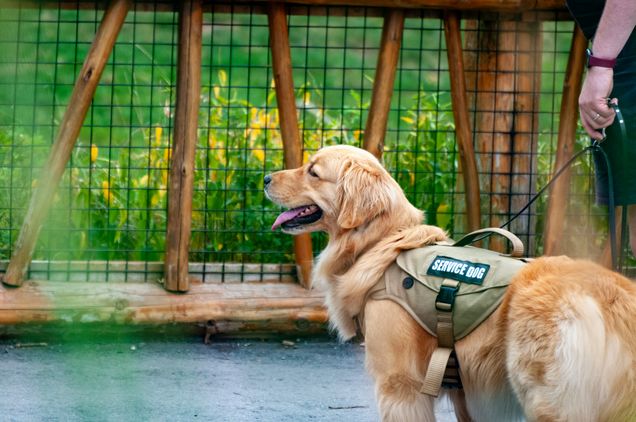
I’m leading the launch of something new for my agency: a facility canine embedded with our Critical Incident Stress Management (CISM) peer team. This isn’t your typical police patrol dog, nor a personal therapy dog, but a professionally trained service dog designed to support people during stressful moments. Organizations like Mutts With A Mission in Virginia Beach, Virginia, have been providing facility dogs to police agencies and courtrooms to “assist multiple people in coping after a traumatic event or overly stressful environment” (Mutts with a Mission, 2019). Moments such as a Critical Incident Stress Debriefing (CISD), roll calls after a bad call, family notifications, and even victim interviews are settings where these dogs can help those in the aftermath of a traumatic event.
Why Bring a Facility Dog to a Police Agency?
There is a substantial amount of research showing that a brief, positive interaction with dogs is linked to lower cortisol levels (a stress biomarker) and higher oxytocin levels (associated with bonding and calming) (Petersson et al., 2017). Combined with organizational peer support and crisis-focused interventions, such as a CISM Team, studies indicate that a more targeted intervention like a CISM team is associated with better outcomes than organizational interventions without a structured team (Anderson et al., 2020).
An agency with an already established peer team can incorporate facility dogs into these teams to serve as a powerful force multiplier. Just like an officer has a utility belt with various tools for different tasks, a facility dog is another versatile tool in the peer team's toolkit.
An Example of a Facility Canine in Practice
A major post-incident debrief took place after the fatal crash where a child lost their life. The room feels heavy, almost thick enough to cut with a knife, filled with anxiety and adrenaline. Attendees are caught between feeling numb and jittery. A facility canine lies beside the handler and acts as a social bridge to those he/she approaches. Even those who are crossed-armed and came in refusing to speak will reach down to scratch an ear. This is often followed by the individual beginning to speak. The facility dog served, for lack of a better term, as a breaching tool so the peer team could enter and work from there.
Expectations
Facility dogs will not fix organizational trauma, but they can open the door for trained peers to make a connection. By pairing this connection and providing evidence-based peer support, like those in the CISM model, we can help shift the culture and become more resilient.
Reference –
Jaeger, S. (2023, July 11). Perspective: The Impact of Life Experiences on Police Officers. FBI: Law Enforcement Bulletin. https://leb.fbi.gov/articles/perspective/perspective-the-impact-of-life-experiences-on-police-officers
Santre, S. (2024). Mental Disorders and Mental Health Promotion in Police Officers. Health Psychology Research, 12(93904). https://doi.org/10.52965/001c.93904
Purba, A., & Demou, E. (2019). The relationship between organisational stressors and mental wellbeing within police officers: A systematic review. BMC Public Health, 19(1). https://bmcpublichealth.biomedcentral.com/articles/10.1186/s12889-019-7609-0
Mutts With A Mission. (2019). Mutts with a Mission. https://www.muttswithamission.org/facility-dogs-1
Petersson, M., Uvnäs-Moberg, K., Nilsson, A., Gustafson, L.-L., Hydbring-Sandberg, E., & Handlin, L. (2017). Oxytocin and Cortisol Levels in Dog Owners and Their Dogs Are Associated with Behavioral Patterns:An Exploratory Study. Frontiers in Psychology, 8. https://doi.org/10.3389/fpsyg.2017.01796
Anderson, G. S., Di Nota, P. M., Groll, D., & Carleton, R. N. (2020). Peer Support and Crisis-Focused Psychological Interventions Designed to Mitigate Post-Traumatic Stress Injuries among Public Safety and Frontline Healthcare Personnel: A Systematic Review. International Journal of Environmental Research and Public Health, 17(20), 7645. https://doi.org/10.3390/ijerph17207645
The Impact of Dogs on Resilience: Facility and Therapy Dog Programs to Enhance Officer Wellness Relationship Between Dogs and Resilience. (n.d.). https://www.theiacp.org/sites/default/files/278439_IACP_TherapyDogs_508c%5B1%5D_0.pdf
The People v. Vicarious Trauma Responses; Can a Prosecutor Cry?
In September of 2024, a defendant was instructed to “please rise” and face the jury foreman. The soft-spoken foreman reiterated a word of monumental gravity six times: “guilty”. One count of Rape in the First Degree, two counts of Criminal Sexual Act in the First Degree and three counts of Incest in the Third Degree stood then, not as before, as proven convictions rather than mere accusations. As a younger felony assistant, I bowed my heard into my arms and laid upon the table, all while the defendant was standing receiving the news of his fate, perhaps standing for the final time as a free man. The older assistant who worked on the trial with me looked at me and uttered, “first time?” as I laid my head on the prosecutor’s table, slumped over, holding back tears.
You know there is an old rumor around the district attorney’s office that if the prosecutor cries during a trial, it results in a mistrial. I have not done the research myself, but I imagine it is true. Witnesses are allowed to cry on the stand, certainly there is no rule regarding the defendant’s tears and acrimony, perhaps not for the defense attorney either. But as a prosecutor, we are made to stand tall. In September of 2024 during that trial, I had trouble keeping my emotions in check. A man raped his own daughter, I thought to myself! That is what we proved at trial and that is what the verdict of the jury cemented. The culmination of months of preparation, including meeting with and consoling a woman we all knew was raped by her own father, hinged on that one word. How could my counterpart—the other attorney on the case—not show any emotion? What tools did he possess that I did not? Does secondary stress not affect him?
It is not an easy task to prepare a rape case for a woman who was raped by her own father. Even worse, what if you know there is a good chance of losing at trial? Rape in New York is tricky business; the law does not necessarily recognize a victim who freezes and does not say NO. No means no, but what about freezing still while it happens? Well, that is what happened in this case, and sickeningly enough, the defendant had a decent case of arguing that the victim consented to having sex with her own father. Secondary trauma is knowing that a convenient quirk in the law could allow a rapist to walk. More to that point, what secondary trauma response would I have—if I have not already—if the defendant were acquitted?
I have seen other victims cry, sometimes into my arms, during meetings. This case, though, will stick with me. Sure, the victim cried during our various preparations, but it was the times she did not cry that were jarring. She would freeze. Perhaps, this was the same freezing that took place while her own father ejaculated in her. That look in her eye while she recalled that traumatic experience still sticks with me, and I am the professional who is supposed to not be bothered by it; in fact, showing too much emotion can cause a mistrial.
As a prosecutor, we are kept up at night by various things, often, they are tragic. In effect, the time I spend outside the job can resemble the “signals of a stress reaction” as elicited by Rousseau (2025). The symptoms of a stress reaction include: anxiety, guilt, grief, denial, and fear (Rousseau, 2025). As a result of handling cases that involve the stark trauma response of others, I find myself having many restless nights. My average bedtime is 1:30 a.m.; I need to wake up at 7:30 a.m. I feel like the job I do is important, but I also have to face the fact that I do not feel well or content. I would say I suffer from confusion, poor attention, poor concentration, and withdrawal, all factors identified by Rousseau (2025) as a stress reaction. I feel like, as prosecutors, our “trauma almost invariably involves not being seen, not being mirrored, and not being taken into account” (Van der Kolk, 2014, p. 97).
I often wonder if the adversarial system of justice is a way to disguise the shared trauma that criminal justice stakeholders face. If I am to act like I won a battle by getting a conviction, perhaps that can mask the depressing realities and facts behind the alleged criminal conduct. Much as a veteran in a war cannot win the war on his own, one prosecutor cannot win the war on crime. Knowing this futility, without distracting ourselves, can cause us to become “withdrawn and detached, even if [we] had functioned well before” (p. 30). Thus, I do think prosecutors are trained to be warriors, based on my experience, for this very reason: we will not work as hard if we realize there is a certain futility to all the hard work we do. Much like a veteran who returns from war and becomes detached, there are certain aspects of criminal law that mirror trauma responses. Instead, when confronted with stressful and traumatic experiences, “the greatest sources of our suffering are the lies we tell ourselves” (p. 31).
As of the writing of this post, another trial victory was secured by this writer. Eerily enough, a similarly soft-spoken jury foreperson recited the words “guilty” three times. Although not an incest/rape case like before, this case involved a child victim. This time, there was no holding my head in my arms on the prosecutor’s table, rather, I felt numb. This is not to say that I did not care, but I did not react. It provided me with a mental crossroads: would I rather feel emotionally invested or would I rather feel numb? By this point, I have felt both; I do not know which is scarier. Much like the original rape trial, this trial also involved weeks of preparation. Do you think it is easy preparing a 10-year-old child for trial testimony; is it easy explaining to the child’s parents that (in Spanish, which this writer learned how to speak) "nada malo va a suceder si ganamos el juicio, podemos pedir la corte por una orden de proteccion." That is, we often have to make assurance to crime victims that we will try to protect them even before we even know if guilty verdict will be reached.
Such experiences make the prosecutor an expert in what this writer calls street therapy. Van der Kolk (2014) notes that other professionals like teachers are “thoroughly schooled in emotional-regulation techniques” (p. 304). Believe you me that prosecutors receive no such training. We learn it as a matter of necessity, on a need-to-know basis. While “the cultures of Japan and the Korean peninsula have spawned martial arts” as a means to combat trauma responses, we have a diploma on a wall and our law license (all of which require much stress to obtain). While “other traditions around the world rely on mindfulness,” we rely on one or two words: “guilty” or “not guilty”. We are tasked with easing the minds and building up the mindfulness of the people we represent, but no one is really there to erect the prosecutor’s mindfulness.
On a similar note, we are responsible for the memories of victims who, as a result of their trauma, might forget critical details. Whereas in the confines of the psychiatrist’s office it may be perfectly fine for a rape survivor to not recall certain details to his or her therapist. On the witness stand, however, if a witness forgets something, it can be used against them, and by extension, against us. This is just the ghost in the machine of the criminal justice system; every defendant has a right to be tried and convicted upon competent evidence. But, as we know from the trauma research, traumatic experiences can render an otherwise competent person into an incompetent one. It is noted “how fickle memory” is on a good day; furthermore, “autobiographical memories are not precise reflections of reality; they are stories we tell to convey our personal take on our experience” (p. 261). As a prosecutor, is it any wonder that the trauma response of our victims are also the trauma responses of our own? We have to own their testimony; we take our victims as we find them. Thankfully, the way humans process traumatic events, like being forcibly raped by one’s own father, help provide veritable testimony as, “the adrenaline we secrete to defend against potential threats helps engrave those incidents into our minds” (p. 262).
A lawyer named Tom, a subject noted in Van der Kolk (2014), seemed to experience the same phenomena as this writer; “maybe the worst of Tom’s symptoms was that he felt emotionally numb” (p. 35). Anyone involved in the daily accrual of vicarious trauma, such as a prosecutor, has had days where he or she “could not really feel anything except for [their] momentary rages and [their] shame” (p. 35). Perhaps, I would prefer to feel emotional as I did during my first trial rather than the second one; “he always felt as though he were floating in space, lacking any sense of purpose or direction” (p. 35). I am proud of the job that I do, and I like to do it well. Good prosecutors, who are abundant in the office I work for, ensure the defendant receives a fair trial. But the vicarious trauma, as shown by the experiences of this writer, show how it can wear one down.
Rousseau, D. (2025). Signs and Signals of a Stress Reaction. Boston University.
Van, K. B. A. (2014). The body keeps the score: Brain, mind, and body in the healing of trauma.
The Effectiveness of Prolonged Exposure Therapy
There are various ways to address the impact of trauma, and no single approach is universally the best option. The effectiveness of a method largely depends on the individual seeking therapy. One particularly effective therapeutic approach is Prolonged Exposure Therapy (PE). This evidence-based behavioral treatment is grounded in the principle that repeated exposure to trauma-related stimuli can help reduce a patient’s distress in response to thoughts, memories, visual reminders, smells, or other triggers associated with their trauma (Rousseau, 2025). The key components of PE include psychoeducation, breathing exercises, gradual real-world practice, and open discussions surrounding the traumatic event itself (Rousseau, 2025).
What I find compelling about this approach is its ability to help individuals confront and process aspects of their trauma that they have actively avoided since the event. By guiding clients through the journey of shifting their mindset from “I can’t” to “I can,” PE encourages them to prove to themselves that they can face their fears, all within a supportive and structured environment provided by a trained therapist (National Center for PTSD, 2025). While the thought of revisiting trauma can be daunting, many individuals find that, with time and practice, it becomes increasingly manageable. The process of recounting one’s experience can facilitate healthier expressions of emotions such as anger, guilt, and sadness. After several months of therapy, many clients report a significant decrease in their emotional distress, allowing them to talk about their trauma with less overwhelm (National Center for PTSD, 2025).
I can relate to this therapeutic approach and can attest to its effectiveness in my own life. Initially, I was hesitant to continue discussing my trauma with my therapist, but by breaking it down into smaller steps, I found it easier to engage with the memories and feelings associated with my experience. It’s crucial to understand, however, that while this type of therapy can be transformative, it does not erase the trauma itself. Instead, it enables individuals to manage their experiences in a way that allows them to reclaim their lives. PE is suitable for both men and women, does not require medication, and has demonstrated significant improvements in symptoms, with some individuals no longer meeting the criteria for PTSD after completing the therapy (National Center for PTSD, 2025).
Prolonged Exposure Therapy is firmly backed by research, illustrating its efficacy across various studies. However, it’s also essential to recognize that PE may not be suitable for everyone; for some individuals, confronting traumatic memories can exacerbate their symptoms rather than alleviate them (Rousseau, 2025). Throughout the therapy process, clients routinely provide feedback on their distress levels, which have consistently shown a reduction. Tuerk’s research (2015) emphasizes the value of making this process meaningful for each participant by incorporating objective physiological assessments delivered through wireless technology and mobile applications. By visually tracking physiological responses over time, therapists can demonstrate to clients how their discomfort diminishes with consistent treatment. This evidence often provides positive reinforcement and reinforces the therapeutic benefits of PE.
References:
National Center for PTSD. (2025). Prolonged Exposure. U.S. Department of Veterans Affairs. https://www.ptsd.va.gov/appvid/video/index.asp
Rousseau, D. (2025). Exposure Therapy. Boston University.
Tuerk, Peter. (2015). Return from Chaos: Treating PTSD. TEDxCharleston. https://www.youtube.com/watch?v=ORs3-tRokGU&t=3s