Heat, Health, Risk & Resilience
Heat is the leading cause of weather-related deaths and the number of people exposed to extreme heat is expected to continue to grow in the coming decades. Our collective research aims to quantify the impacts of heat on health now and in the future, understand which individuals or communities are at greatest risk, help the public understand these risks, and work with key partners outside of academia to minimize heat illness in the future.
Basic and Applied Research
Health Equity in the Wake of Continued Climate Change
 Led by Professors Gregory Wellenius and Lucy Hutyra, this Focused Research Program (FRP) aims to foster and reinforce collaboration across BU, seed innovative new research, and accelerate the pace of research and translation in climate and health.
MesoAmerican Nephropathy Occupational Exposures (MANOS)

Led by Professors Madeleine Scammell and Jessica Leibler, MANOS is a longitudinal study of heat and other environmental risk factors for kidney injury and disease among workers from diverse industries in El Salvador and Nicaragua.
Jovenes-Nica
 Led by Professors Jessica Leibler and Madeleine Scammell, the Jovenes-Nica Study considers heat and other environmental risk factors for kidney health in adolescents in Nicaragua.
Environmental Forecasting: From Computational Tools to Scientific Insight FRP
Professors Kayoko Shioda, David Hamer, and Gregory Wellenius are helping improve forecasting of visceral leishmaniasis (VL) in Brazil from a “One Health” perspective that accounts for environmental and climatic drivers of disease incidence.
How Can We Better Manage the Urban Heat with (Re)Development Choices?
Lucy Hutyra gives a lightning talk about her team’s urban heat research at BU’s Research on Tap event.
Key Papers
-
- Rethinking heat in thousands of school classrooms through continuous monitoring and novel exposure metrics. with Pilar Botana Martinez, Priam Dinesh Vyas, Yirong Yuan, Patricia Fabian. Indoor Environments. September 2025
- The effects of residential air conditioning and social vulnerability on heat-related hospitalizations in California. by Yasmin Romitti, Ian Sue Wing, Keith Spangler, Gregory Wellenius. Environment International. August 2025
- A Case‐Crossover Study of Extreme Heat and Psychiatric Emergency Encounters Among Vulnerable Pregnant People with Flannery Black-Ingersoll, Stephanie Grady, Kate Burrows, Patricia Fabian, Samantha Parker, Amruta Nori-Sarma, Mary Willis. Paediatric and Perinatal Epidemiology. July 2025
- Integrated tree canopy expansion and cool roofs can optimize air temperature and heat exposure reductions in Boston with Ian Smith, Dan Li, Gregory Wellenius, Lucy Hutyra. Communications Earth & Environment. July 2025
- A US heat disaster? Intersection of social vulnerability and temperature extremes exacerbated by mid-century climate change and population shifts. by Zach Popp, Ian Sue Wing, Kevin Lane, Gregory Wellenius. Environmental Research: Health. March 2025
- Exposure to Ambient Heat and Risk of Spontaneous Abortion: A Case-Crossover Study with Amelia Wesselink, Emma Gause, Keith Spangler, Kirwa Kipruto, Mary Willis, Gregory Wellenius, Lauren Wise. Epidemiology. November 2024
- Daily heat and mortality among people experiencing homelessness in 2 urban US counties, 2015-2022 with Zihan Lin, Emma Weinberger, Amruta Nori-Sarma, Melissa Chinchilla, Gregory Wellenius, Jonathan Jay. American journal of epidemiology. November 2024
- Population Aging and Heat Exposure in the 21st Century: Which U.S. Regions Are at Greatest Risk and Why? with Deborah Carr, Ian Sue Wing. Gerontologist. March 2024
- Impact of heatwaves on all-cause mortality in India: A comprehensive multi-city study. with Amruta Nori-Sarma, Kevin Lane, Gregory Wellenius. Environment International. February 2024
- Heat stress and heat strain among outdoor workers in El Salvador and Nicaragua. with Zoe Petropoulos, Sinead Keogh, Demaris López-Pilarte, Juan José Amador Velázquez, Magaly Rosario Amador Sánchez, Alexa Gruener, Jessica Leibler, Iris Delgado, Michael McClean, Daniel Brooks, Madeleine Scammell. Journal of Exposure Science & Environmental Epidemiology. July 2023
- Association Between the 2021 Heat Wave in Portland, Oregon, and Seattle, Washington, and Emergency Department Visits. with Amruta Nori-Sarma, Chad Milando, Gregory Wellenius. JAMA. December 2022
Connecting Research and Practice
A key priority for our collective research is to help drive changes in policy and practice. Our faculty frequently partner with government agencies, NGOs, and community based organizations to ensure that research is relevant to community needs, timely, and actionable.
Fostering Collaborations: A Symposium to Advance Equitable Heat Health Actions

In June 2025, MAPC and the Center for Climate and Health hosted a regional symposium, which aimed to foster constructive dialogue with the focus on bridging the gap between heat health research and practice. Read coverage of the event from SPH News and from the Baystate Banner and access materials from the event here.
The CATCH Heat Project

Led by Professor Patricia Fabian, the Community Adaptations To City Heat (CATCH) project seeks to make visible the health impacts of extreme heat in frontline communities in Boston, Phoenix, and New Orleans.
C-HEAT

Led by Professors Madeleine Scammell and Patricia Fabian, and in partnership with GreenRoots, the Chelsea & East Boston Heat (C-HEAT) study is a collaborative research project which aims to study health concerns related to extreme heat conditions in these two communities.
Communicating Risk
We seek to provide the public with information that is relevant, accessible, and supported by the best available science.
Lower-Mystic Cool Communications
This project with MAPC sets out to define strategies for effectively communicating with vulnerable populations before, during, and after extreme heat events.
Where Will Extreme Heat Hit Hardest by 2050?
Current projections predict the US will be much hotter by mid-century. This interactive data story shows changes in heat index days (which combines temperature and humidity) in the 100 largest U.S. cities by 2050 under three global emissions scenarios. Read more about the Hariri Focused Research Program here.
Mapping Heat Risk with Chicago Tribune
Led by Professor Kevin Lane, this collaboration with the Chicago Tribune helped readers visualize the distribution of heat health risk across Chicago neighborhoods.
Key Faculty
-

Jonathan Buonocore
Assistant Professor, Environmental Health
-

Patricia Fabian
Associate Professor, Environmental Health
-

Lucy Hutyra
Distinguished Professor and Chair, Earth and Environment
-

Kevin Lane
Center Chief Data Officer snd Associate Professor, Environmental Health
-

Jessica Leibler
Associate Professor, Environmental Health
-

Jonathan Levy
Chair and Professor, Environmental Health
-

Dan Li
Associate Professor, Earth and Environment
-

Madeleine Scammell
Associate Professor, Environmental Health
-

Keith Spangler
Clinical Assistant Professor, Health Sciences
-

Ian Sue Wing
Professor, Earth & Environment
-
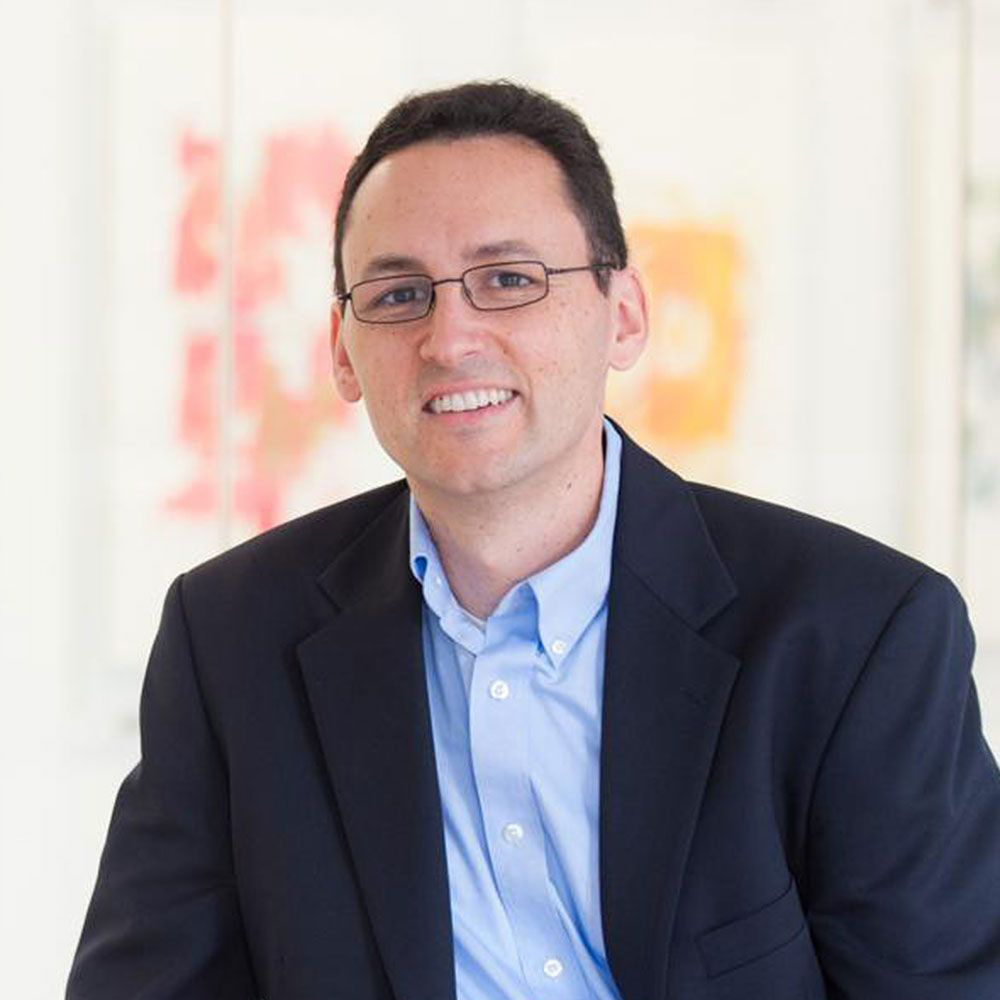
Gregory Wellenius
Director of the Center for Climate and Health, Professor of Environmental Health
-

Amelia Wesselink
Research Assistant Professor, Epidemiology
-

Mary Willis
Assistant Professor, Epidemiology