ASI: Japan
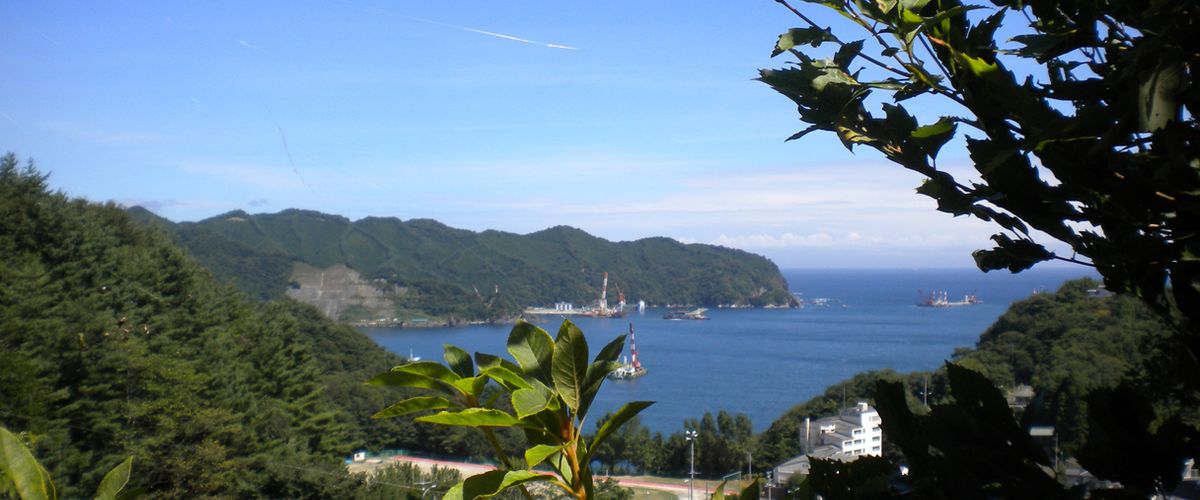
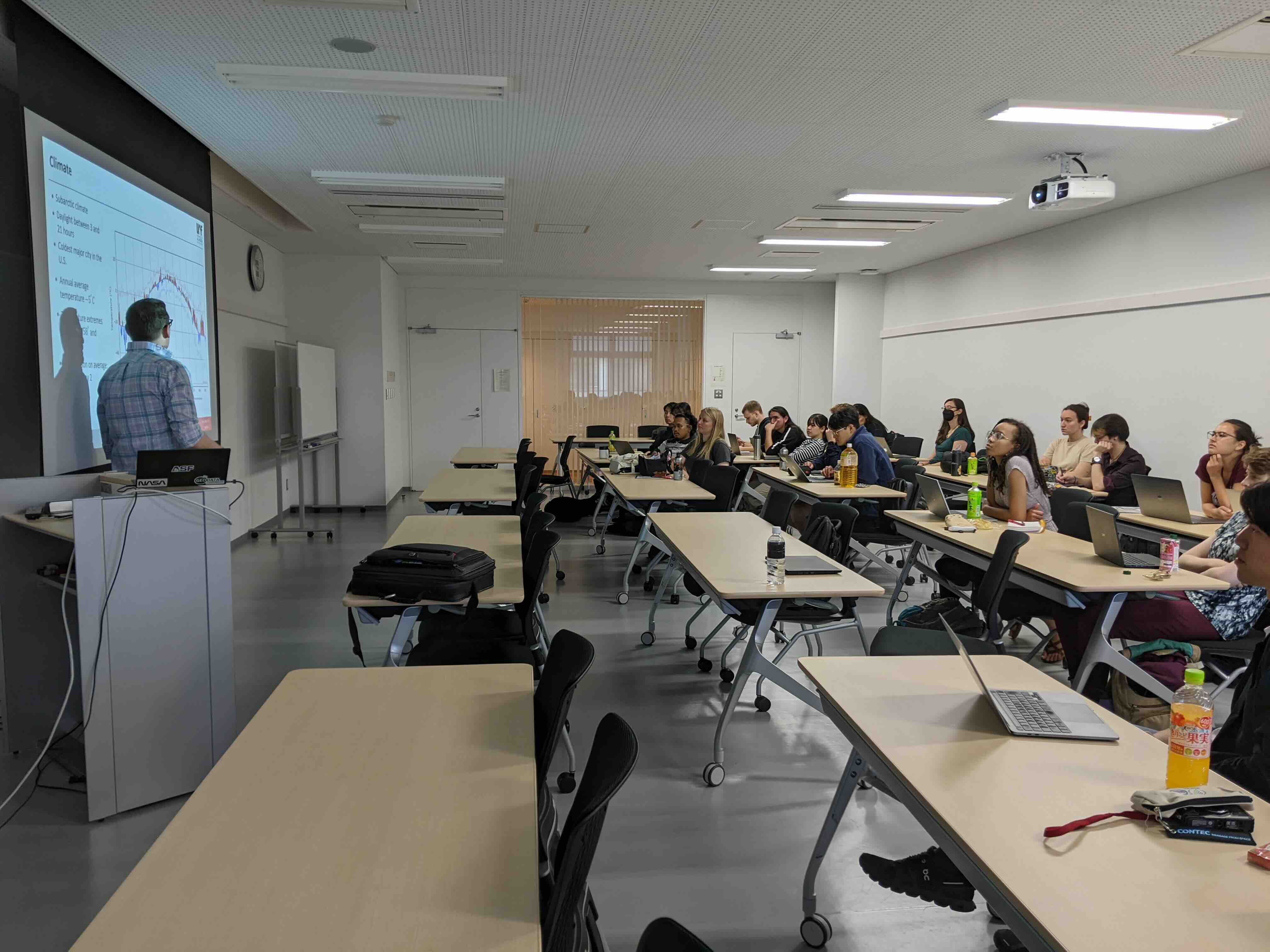
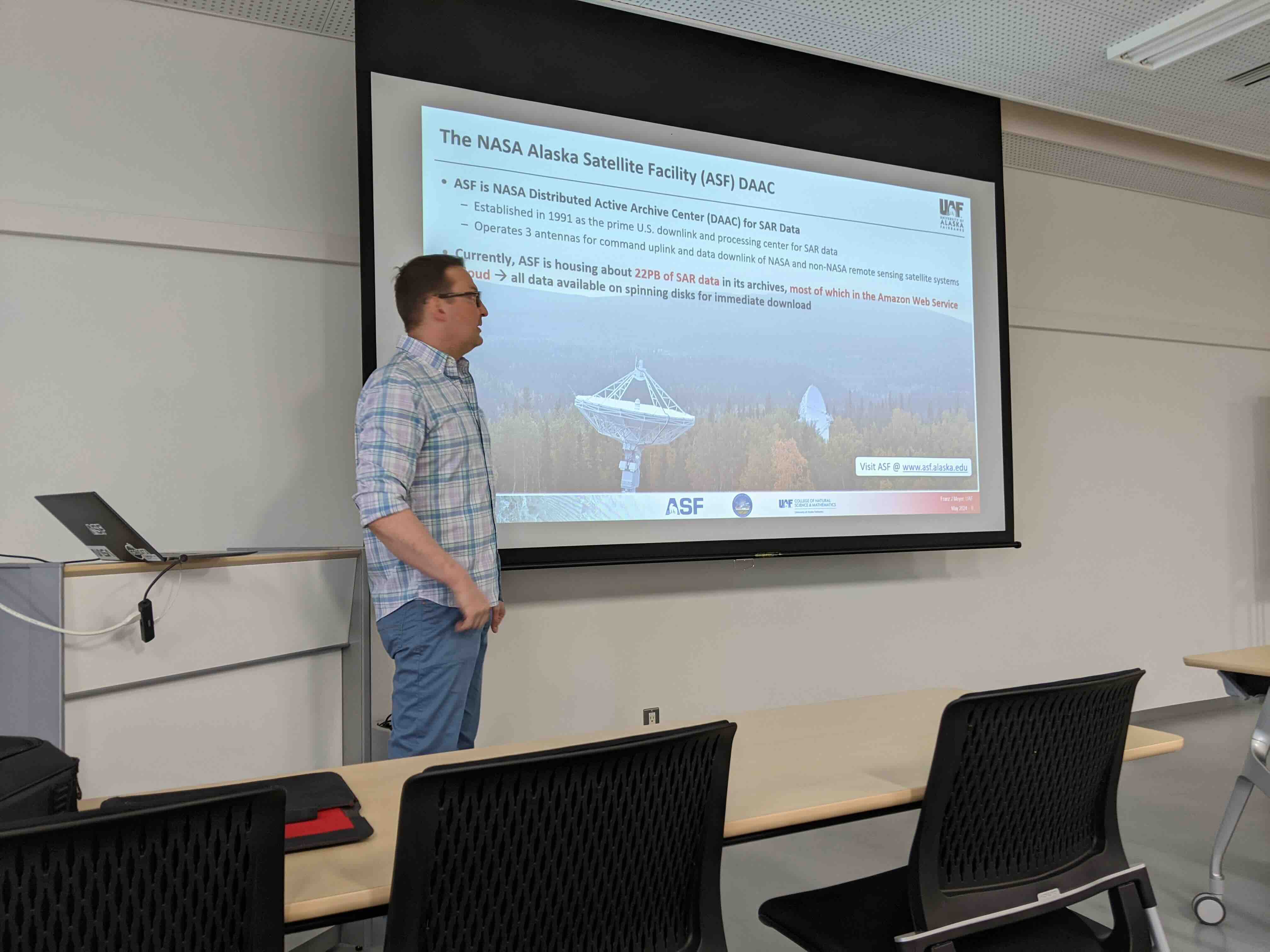
The second ASI Program in Advanced Studies of Coastal Zone Hazards was held in:
- Tohoku University, Sendai, Japan
The trip was from the 20th May to 1st June 2024

U.S. graduate students enrolled in MS or PhD programs in earth, disaster, data and social sciences as applied to coastal zone hazards and resilience participated in this program.
Publication Outcomes:
Andrew Chio, Russell Bent, Kaarthik Sundar, Nalini Venkatasubramanian (2025). SEQUIN: A Network Science and Physics-based Approach to Identify Sequential N-k Attacks in Electric Power Grids. ACM/IEEE ICCPS 2025.
Andrew Chio, Russell Bent, Kaarthik Sundar, Nalini Venkatasubramanian (2025). Demo Abstract: SEQUIN: A Network Science and Physics-based Approach to Identify Sequential N-k Attacks in Electric Power Grids. ACM/IEEE ICCPS 2025.
Blogs/Websites from Participants:
NSF ASI Japan – created by Maddy Lucas
Quotes from Participants:
Question: What are the main highlights you remember from your trip?
Answers:
“One of the main highlights was visiting the JAXA Space Station in Tsukuba and seeing the day-to-day duties of the operators! I had only visited NASA facilities until attending the ASI Program where I had my first experience at an international space facility.” – Dana Myers
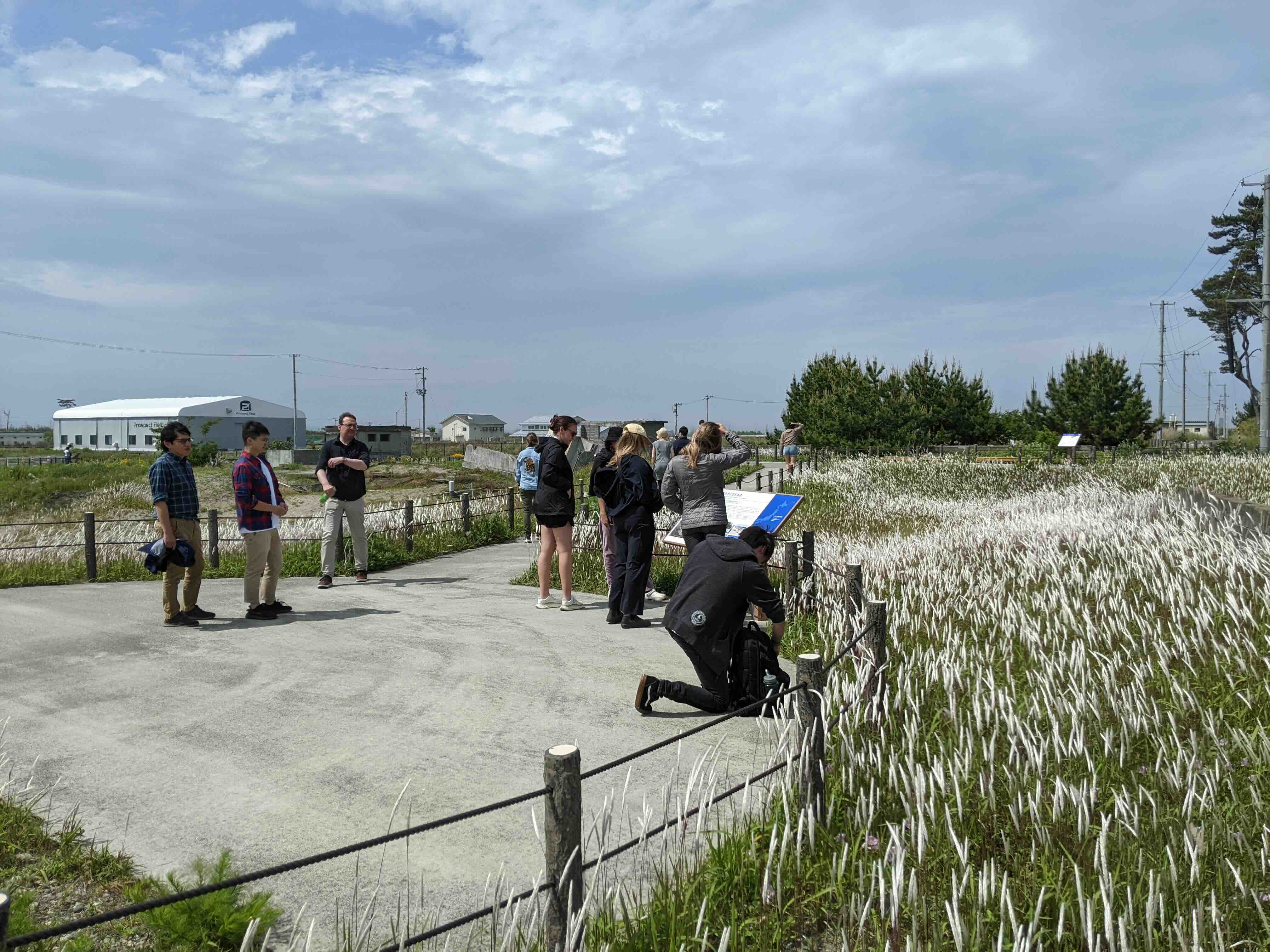
“Learning about how the Sendai area has changed their approach to hazard planning since the 2011 Tohoku earthquake, trip to visit JAXA, discussions on IRIDeS” – Anna Pearson
“The main highlights of my trip were the field trip to the elementary school that was directly impacted by the Tohoku Earthquake, visiting the JAXA Space Center, and exploring Sendai with my new friends/colleague after the classroom lectures” – Jasmine Bekkaye
Question: Did the ASI program influence your career trajectory/area of study?
Answers:
“The ASI program has influenced my career trajectory in seeking future career paths that are focused on the development and production of products to aid in awareness, adaptation, and mitigation of natural disasters and hazards in general.” – Alexander Nguyen
“Yes. I currently work with another participant from my ASI year to deliver outreach and education along the Pacific Northwest coastline, focusing on tsunami science and coastal hazard resilience. This work directly addresses the needs of coastal communities and reflects the values and knowledge I gained through the ASI program.” – René Castillo
“I think this, and another NSF program I completed in 2024, helped me solidify the type of work I want to focus on. At Texas A&M I was a part of a geotechnical engineering group with a strong focus on laboratory experiments and transportation geotechnics. After the ASI program I realized that I wanted my work to revolve more around remote sensing and computational modeling of coastal processes than geotechnical engineering. That led me to move to Syracuse University where I can now focus my work on data-based methods to identify hazardous shoals in coastal inlets across the US.” – Clay Caldwell
Question: Did you create any long lasting connections from your trip?
Answers:
“I formed long lasting relationships with many of the other participants, and I continue to stay in touch with several of them. I also built meaningful connections with the instructors and mentors, and I see potential for these relationships to develop into future collaborations. The close-knit environment of the ASI program created a network of colleagues that I feel comfortable reaching out to as my career progresses.” – Claire Divola






International Partnerships