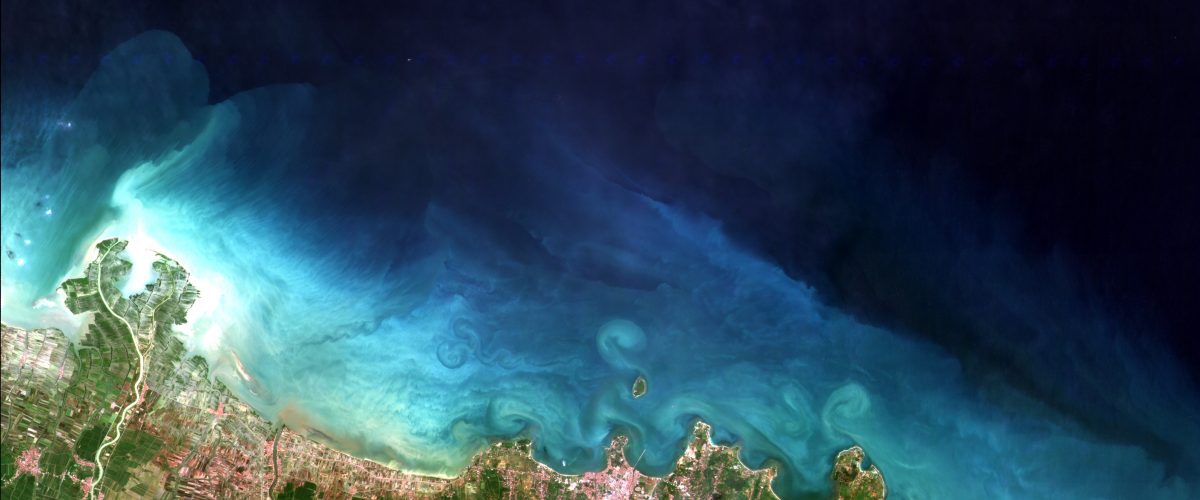
ASI: Indonesia
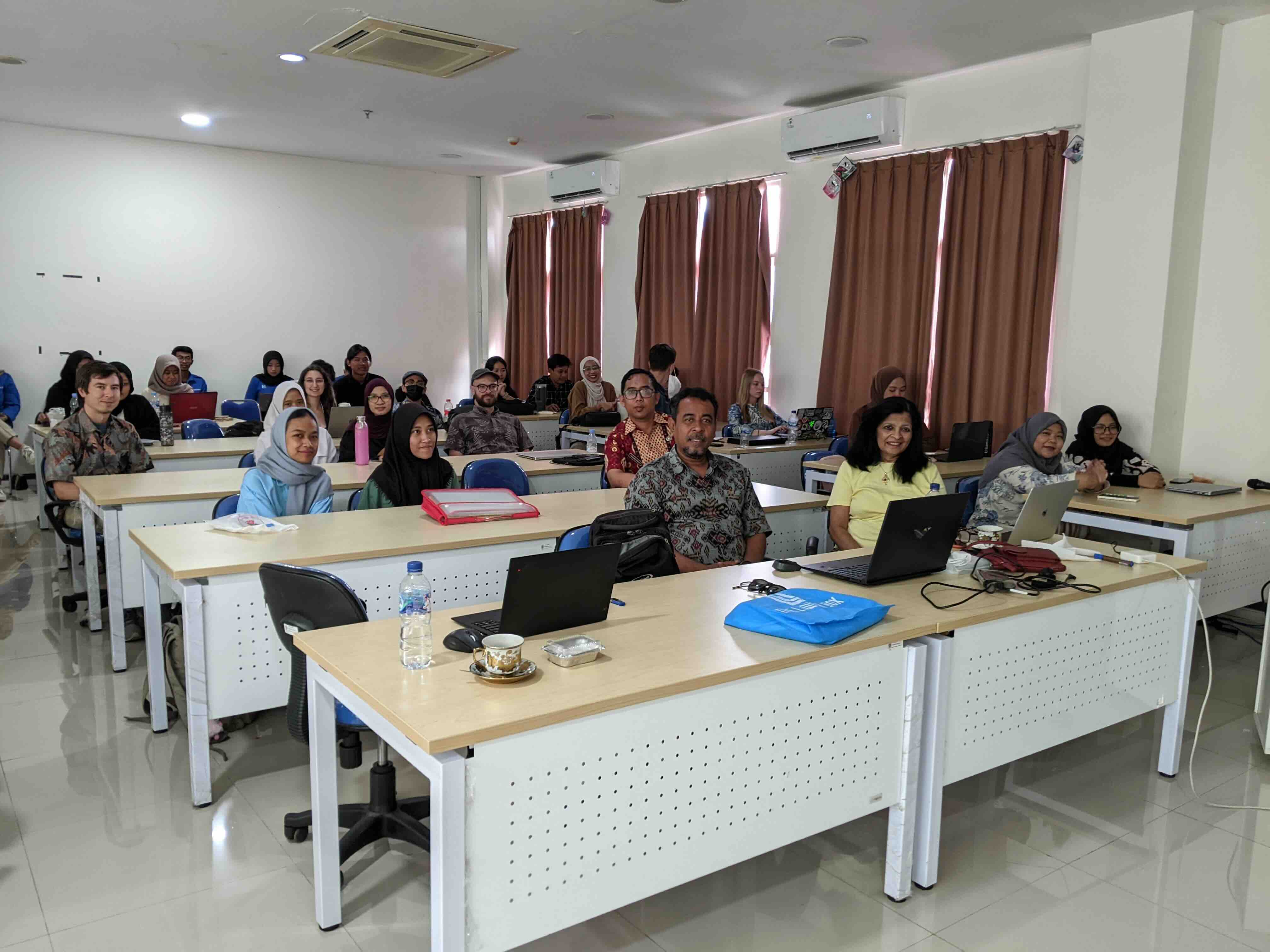
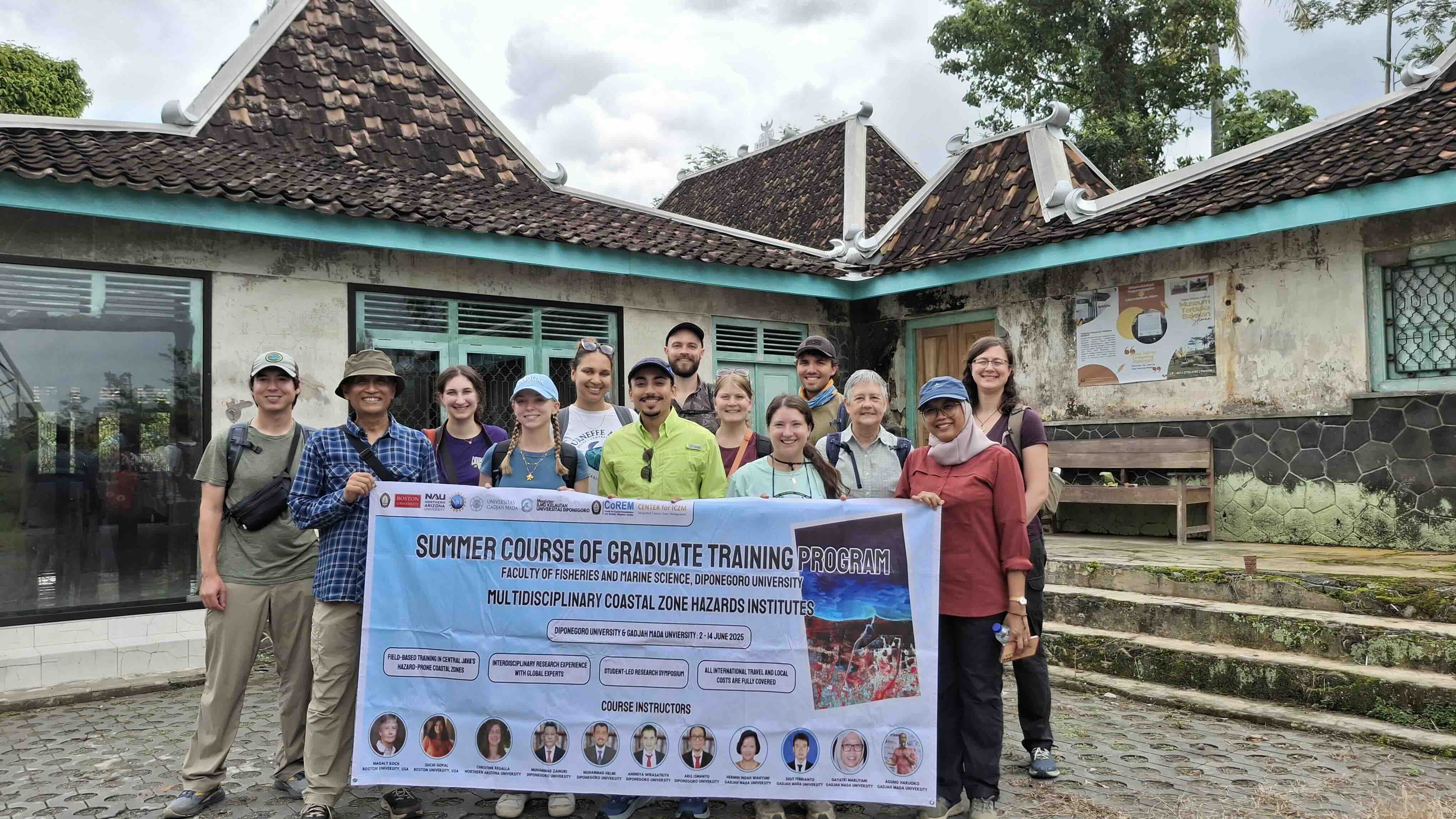
The third ASI Program in Advanced Studies of Coastal Zone Hazards was held in:
- Diponegoro University, Semarang
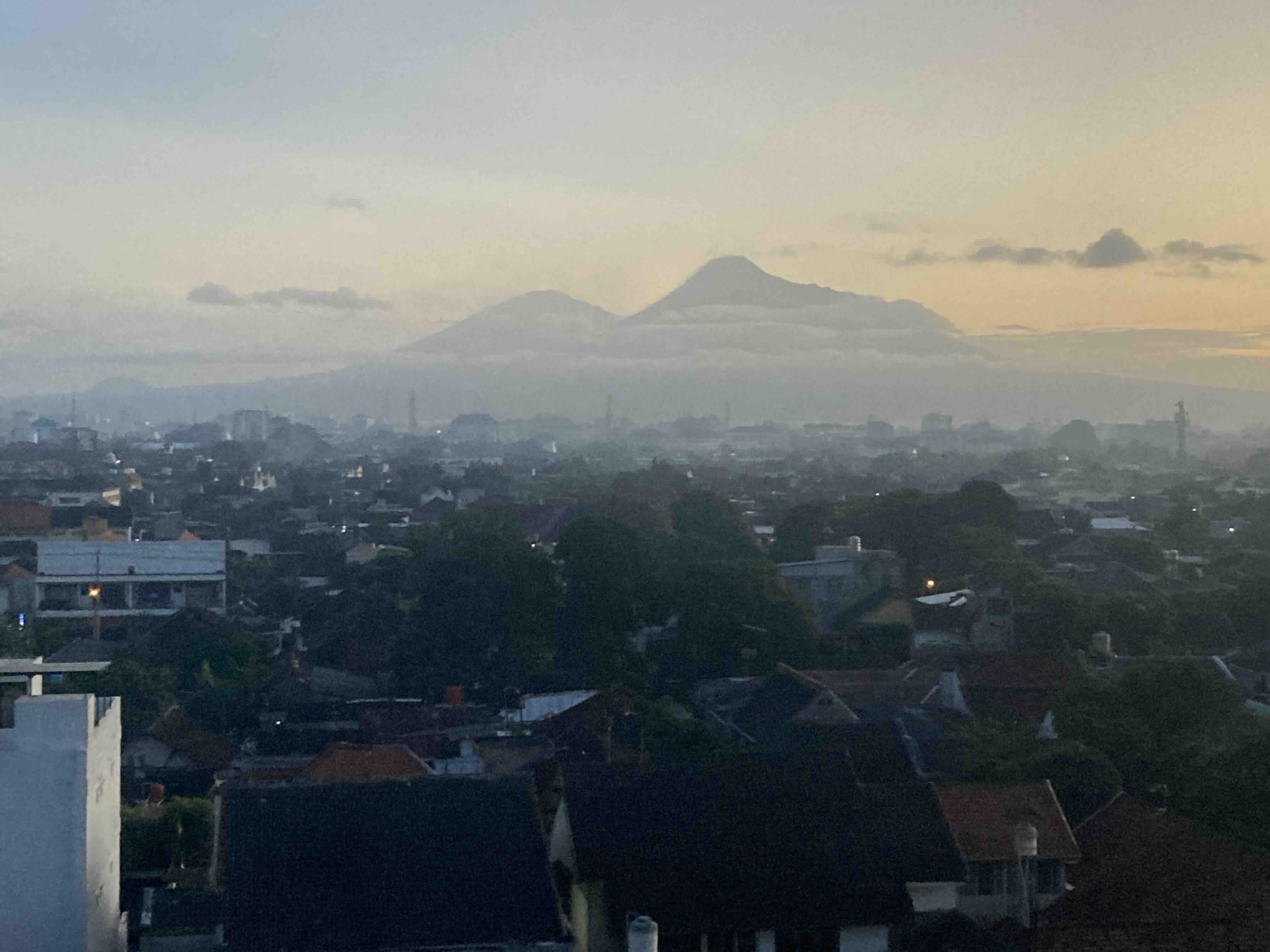
- Gadjah Mada University, Yogyakarta, Indonesia
The trip was from the 2nd to 14th of June 2025.

U.S. graduate students enrolled in MS or PhD programs in earth, disaster, data and social sciences as applied to coastal zone hazards and resilience participated in this program.
Publication Outcomes:
AGU 2025: OS51E-0456 Global Coastal Hazard Perspectives: Insights from the 2025 Advanced Studies Institute Graduate Training Program on Multidisciplinary Coastal Zone Hazards in Java, Indonesia:
Magaly Koch1, Luke Joseph Gezovich2, Matthew Weathers3, Hannah Henry4, Julia Grossman5, Thomas Thelen6, Tyler Lynn7, Stephanie McNamara8, Shalom Entner9, Catherine Hauser9, Eduardo Gonzalez-Lugo10, Sucharita Gopal11, Christine Regalla12, Anindya Wirasatriya13, Muhammad Helmi13, Aris Ismanto13, Muhammad Fakhri Khairillah Almunawir13, Muhammad Shulhan14, Muhamad Nur Al Fajrin14, Sunelsya Surya14, Hermin Indah Wahyuni15, Agung Harijoko16 and Gayatri Marliyani16, (1)Boston University, Earth & Environment, Boston, MA, United States, (2)Colorado School of Mines, Geology and Geological Engineering, Golden, CO, United States, (3)Carnegie Mellon University, Civil and Environmental Engineering, Pittsburgh, PA, United States, (4)University of North Carolina at Chapel Hill, Department of Earth, Marine, and Environmental Science, Chapel Hill, United States, (5)University of Washington Seattle, Earth and Space Sciences, Seattle, WA, United States, (6)North Carolina State University, Civil, Construction, and Environmental Engineering, Raleigh, United States, (7)University of Georgia, Department of Geography, Athens, United States, (8)University of Colorado at Boulder, Physics, Boulder, United States, (9)Boston University, Biology, Boston, United States, (10)University of Puerto Rico‐Mayagüez, Geology, Mayagüez, United States, (11)Boston University, Earth & Environment, Boston, United States, (12)Northern Arizona University, School of Earth and Sustainability, Flagstaff, United States, (13)Diponegoro University, Oceanography, Semarang, Indonesia, (14)Diponegoro University, Marine Science, Semarang, Indonesia, (15)Gadjah Mada University, Communication Science, Yogyakarta, Indonesia, (16)Gadjah Mada University, Geological Engineering, Yogyakarta, Indonesia
Blogs from Participants:
Living with Coastal Change: Lessons from Indonesia – written by Hannah Henry
Quotes from Participants:
Question: What are the main highlights you remember from your trip?
Answers:
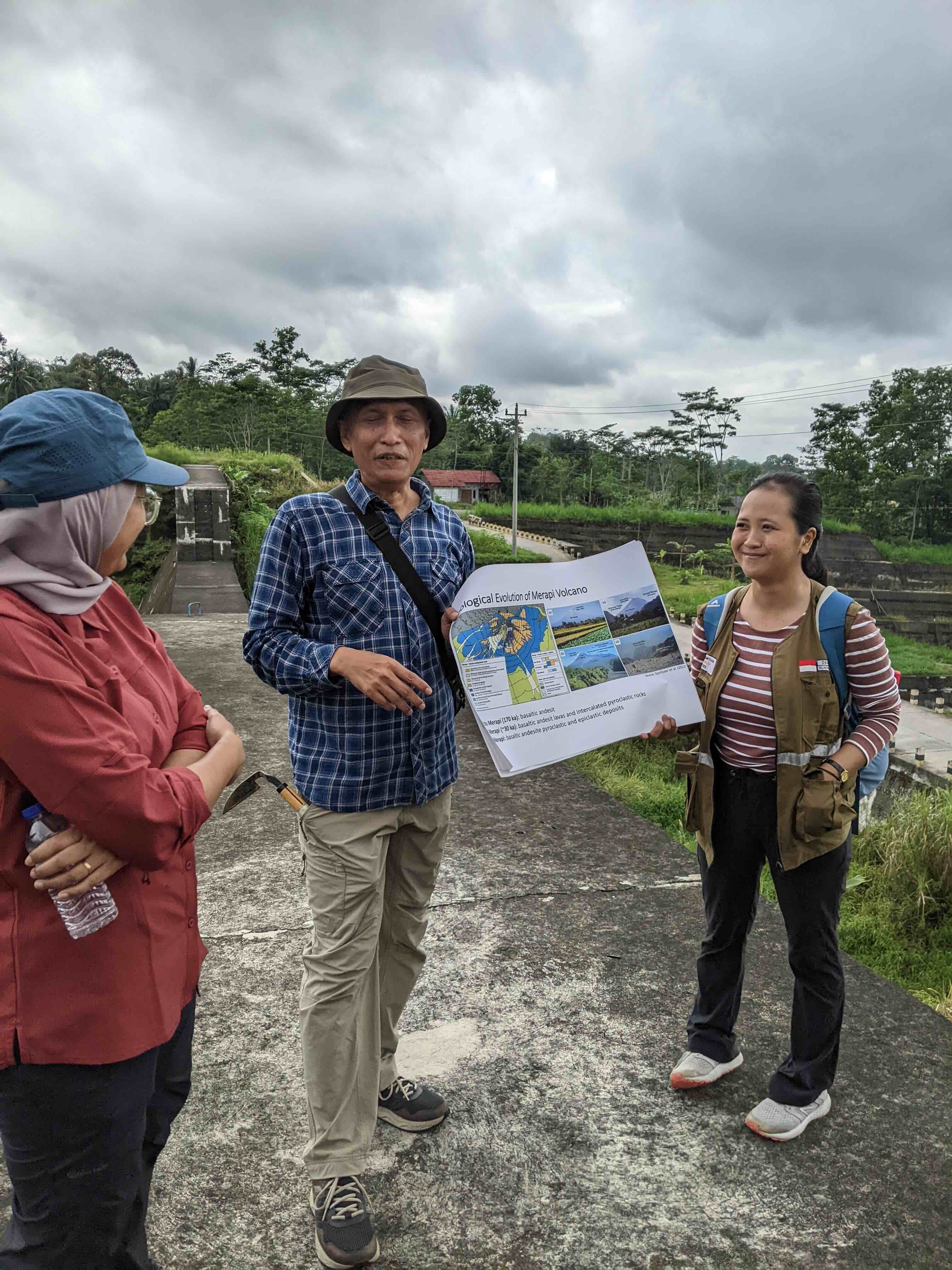
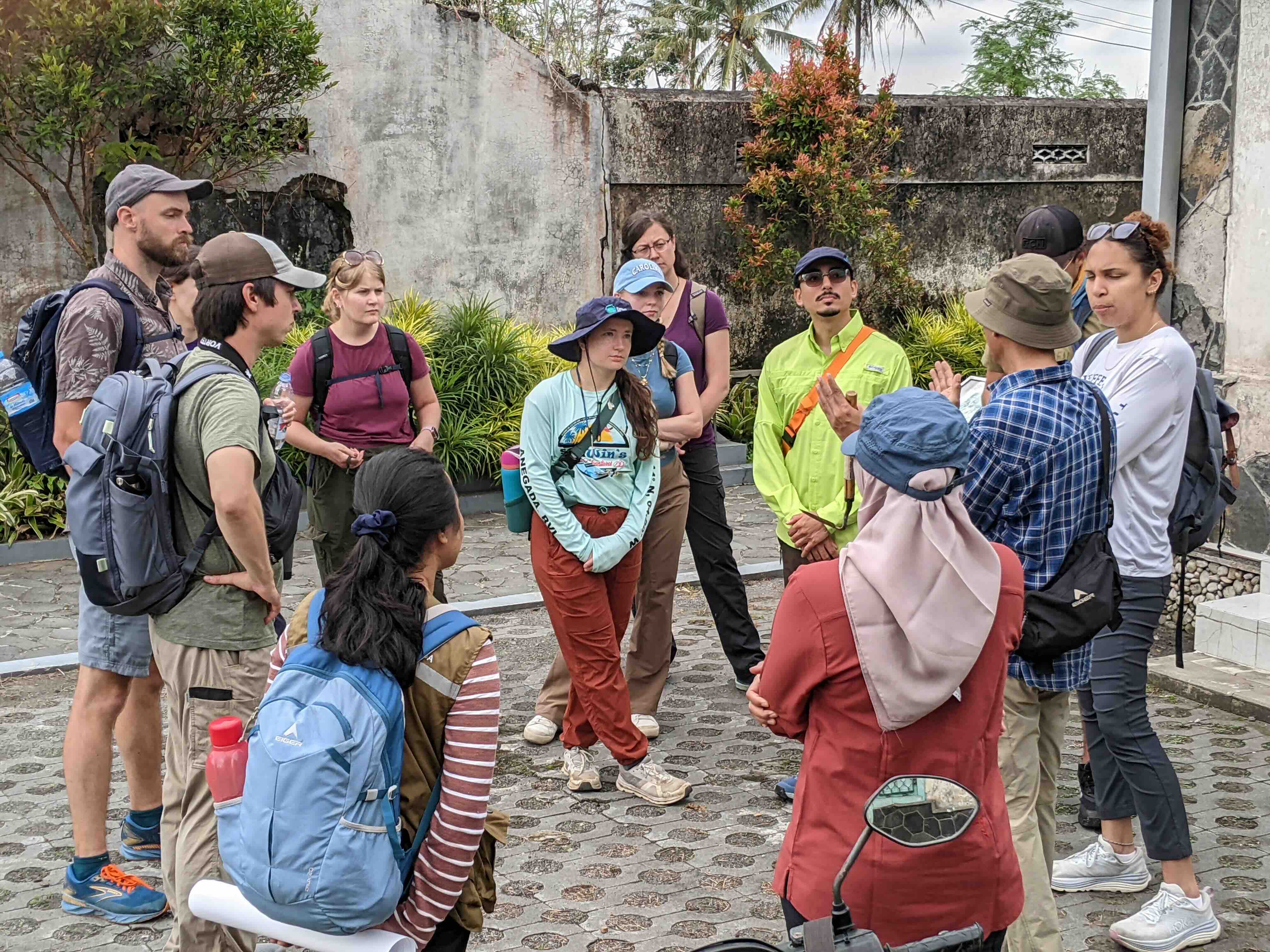
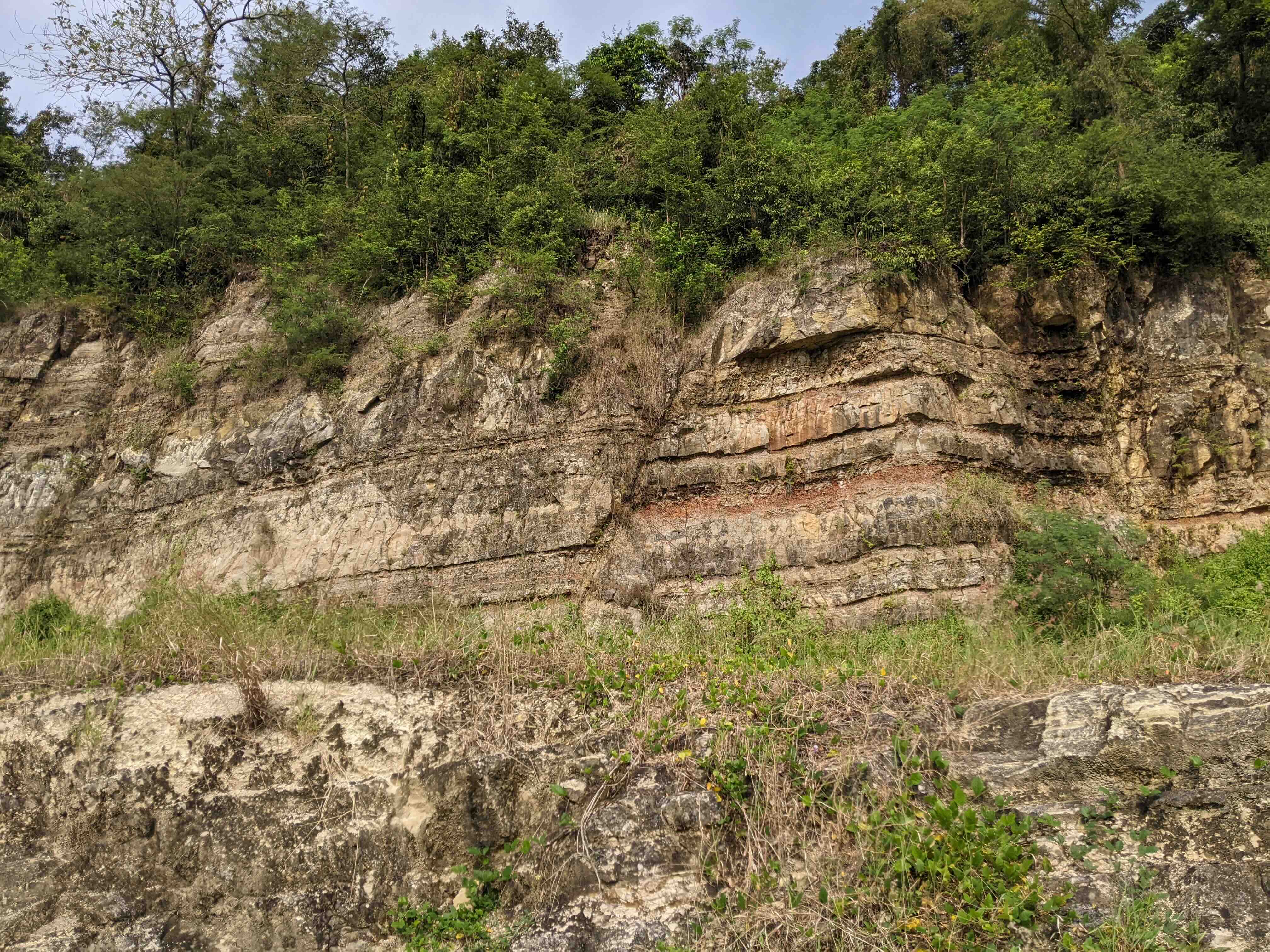
“One of my highlights was learning about the geology of new region! With local professors and experts, we had the privilege of going out into the field and observing the unique and defining geological features of Indonesia.
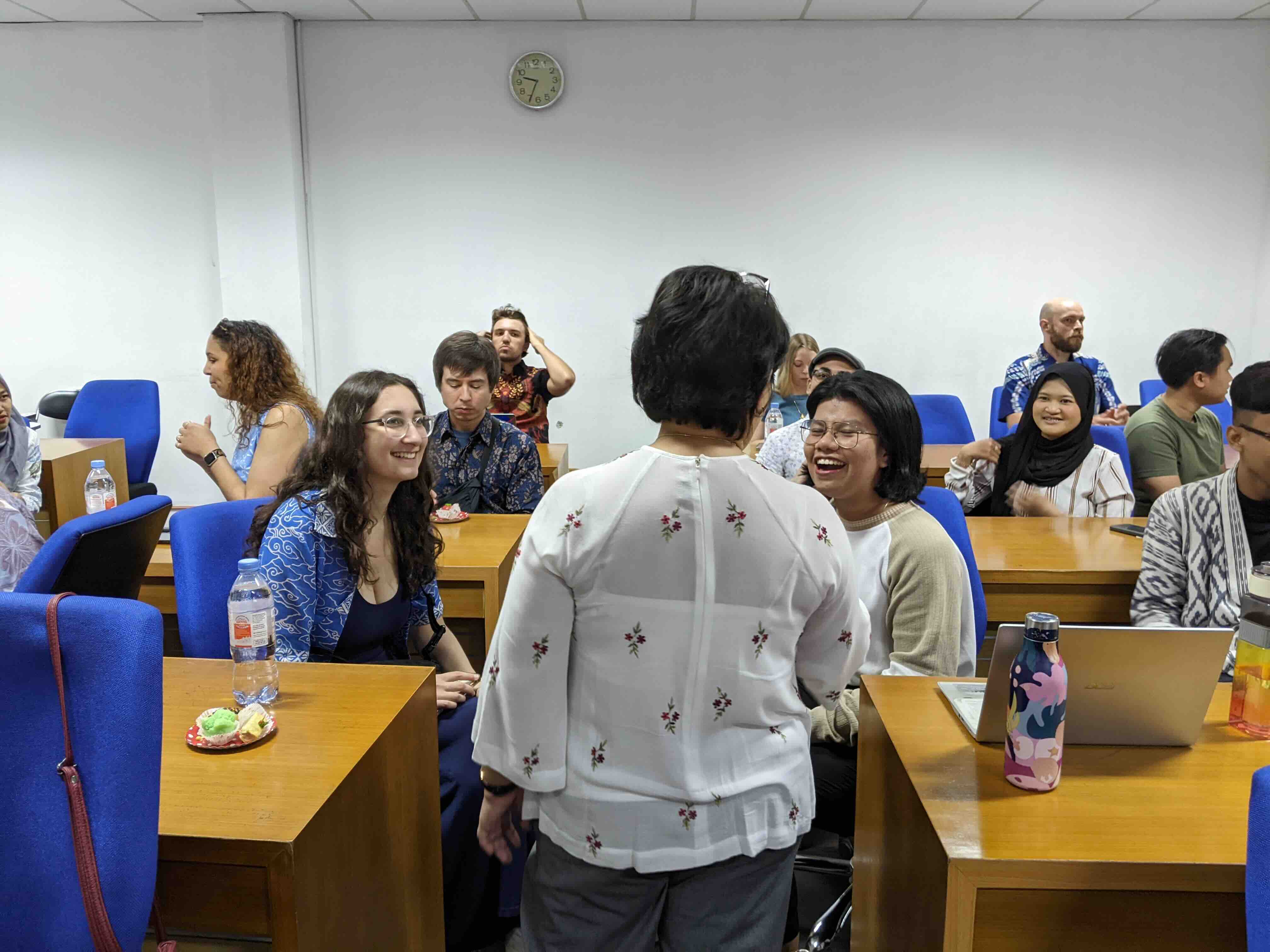
Also, I loved meeting so many graduate students studying unique yet interrelated aspects of the coastal system and finding connections between our work. Who knew that local corals record the history of large earthquakes in Indonesia?!” – Julia Grossman
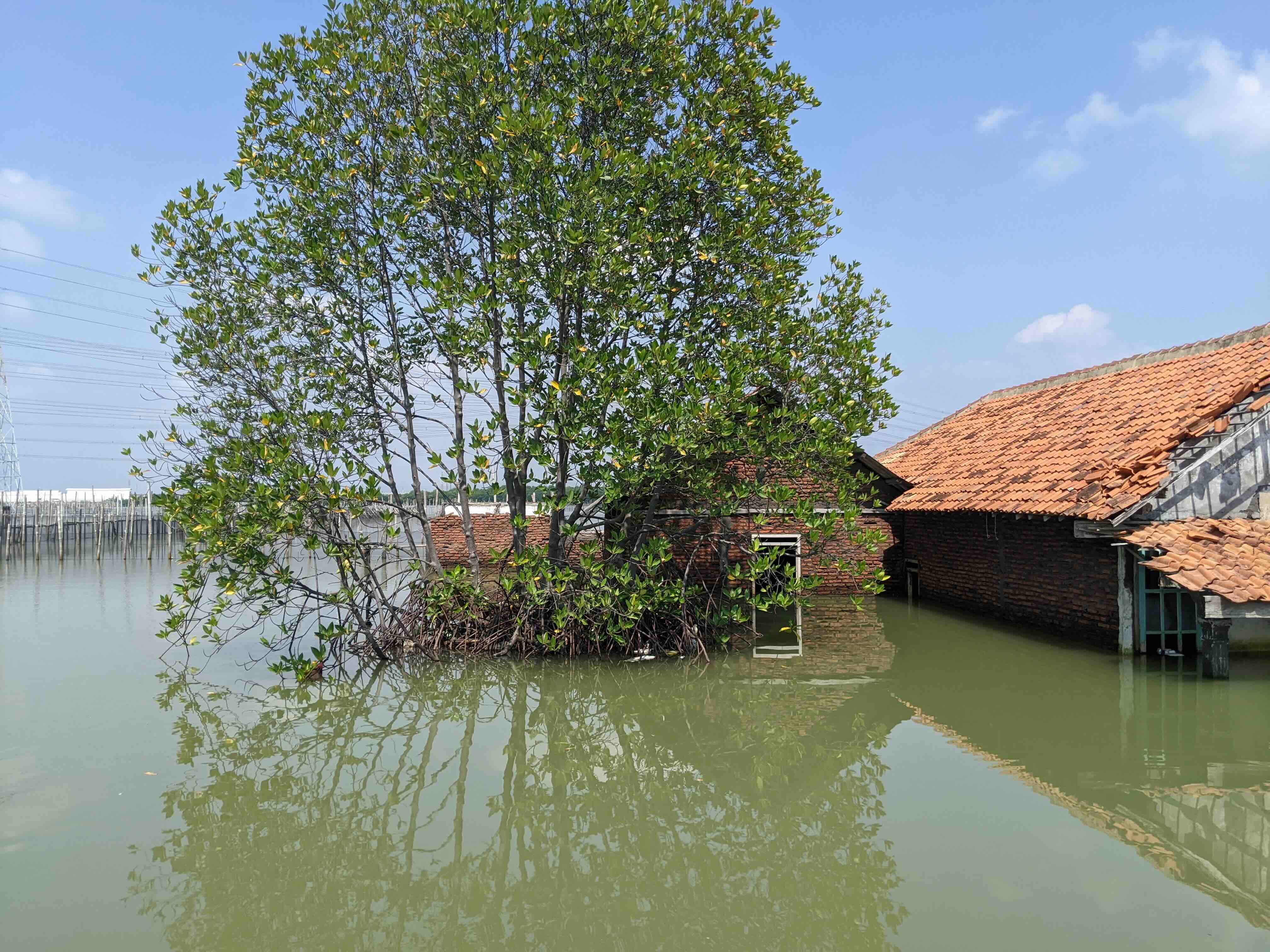
“Working alongside international peers from diverse disciplines, visiting Javanese coastal communities facing flooding and erosion firsthand, learning from Indonesian scientists and coastal managers about local adaptation approaches, and observing how culture, infrastructure, and environment interact in hazard response. Field visits to coastal villages experiencing land subsidence and tidal flooding, and collaborative discussions about community-based adaptation strategies, were especially impactful.” – Hannah Henry
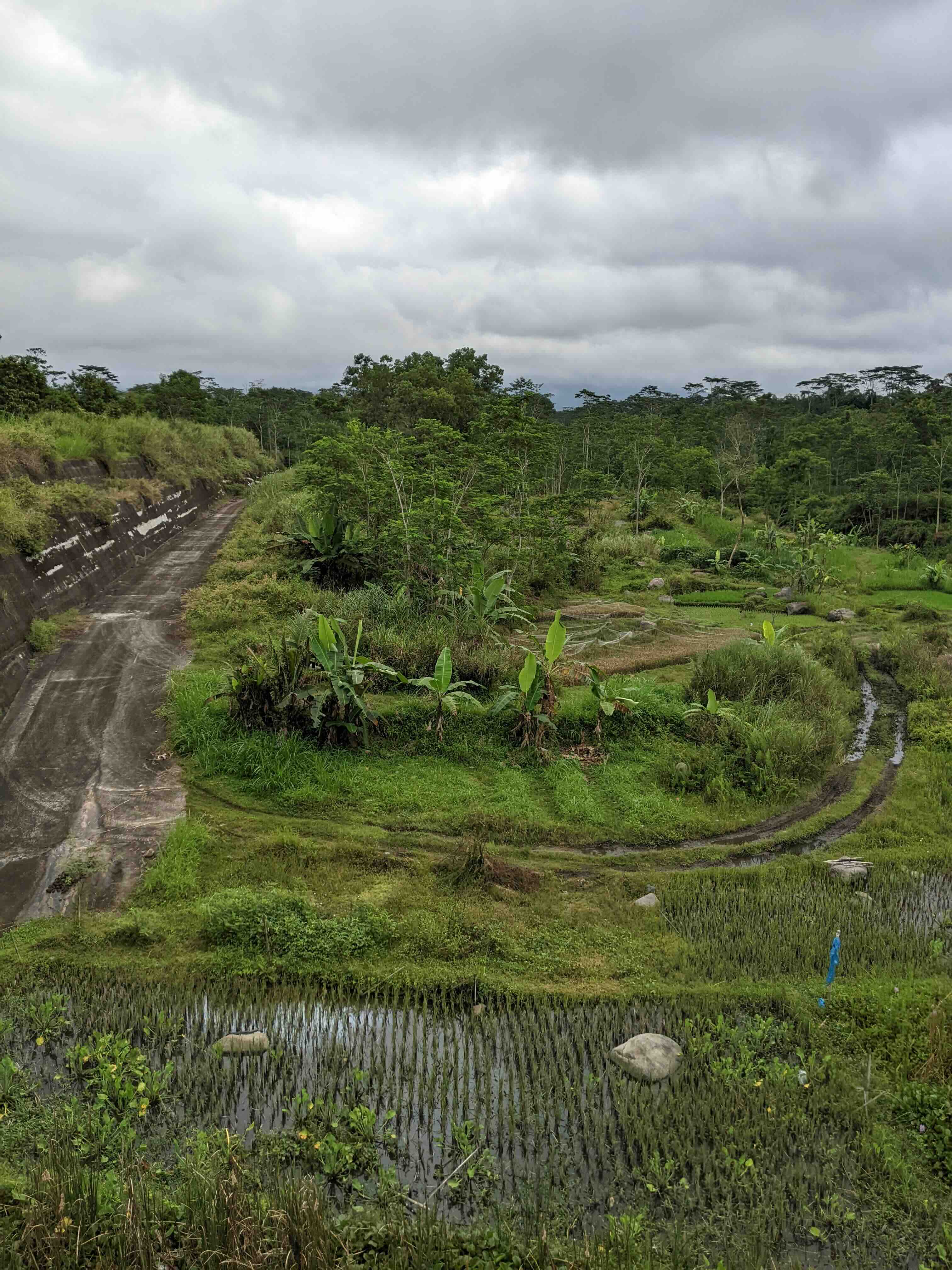
“Connecting with other students (American and Indonesian), field trips (the town that was destroyed by a Merapi explosion, Merapi “observatory”, Yogyakarta, the sinking town at the coast where houses are being built on top of old houses).” – Stephanie McNamara
“I really enjoyed bonding with everyone in my cohort and traveling to all of the field sites. Seeing many of the coastal issues that local communities were facing, and discussing those issues with local residents, was incredibly valuable for shaping my own perspective on the hazards that many coastal communities are facing.” – Tyler Lynn
“This trip was the first time I really learned about coastal hazards as a whole. It was so interesting to get to learn about volcanic activity and land subsidence from the field and from peers and international experts! My favorite memory was when we went to a beach and were told to look around and identify the coastal geomorphology. The people focused on land hazards looked to the land behind the beach and I looked to the ocean to provide the marine ecology prospective. Together we saw all the perspectives and now I will always look at geomorphology on the land and under the water!” – Cat Hauser
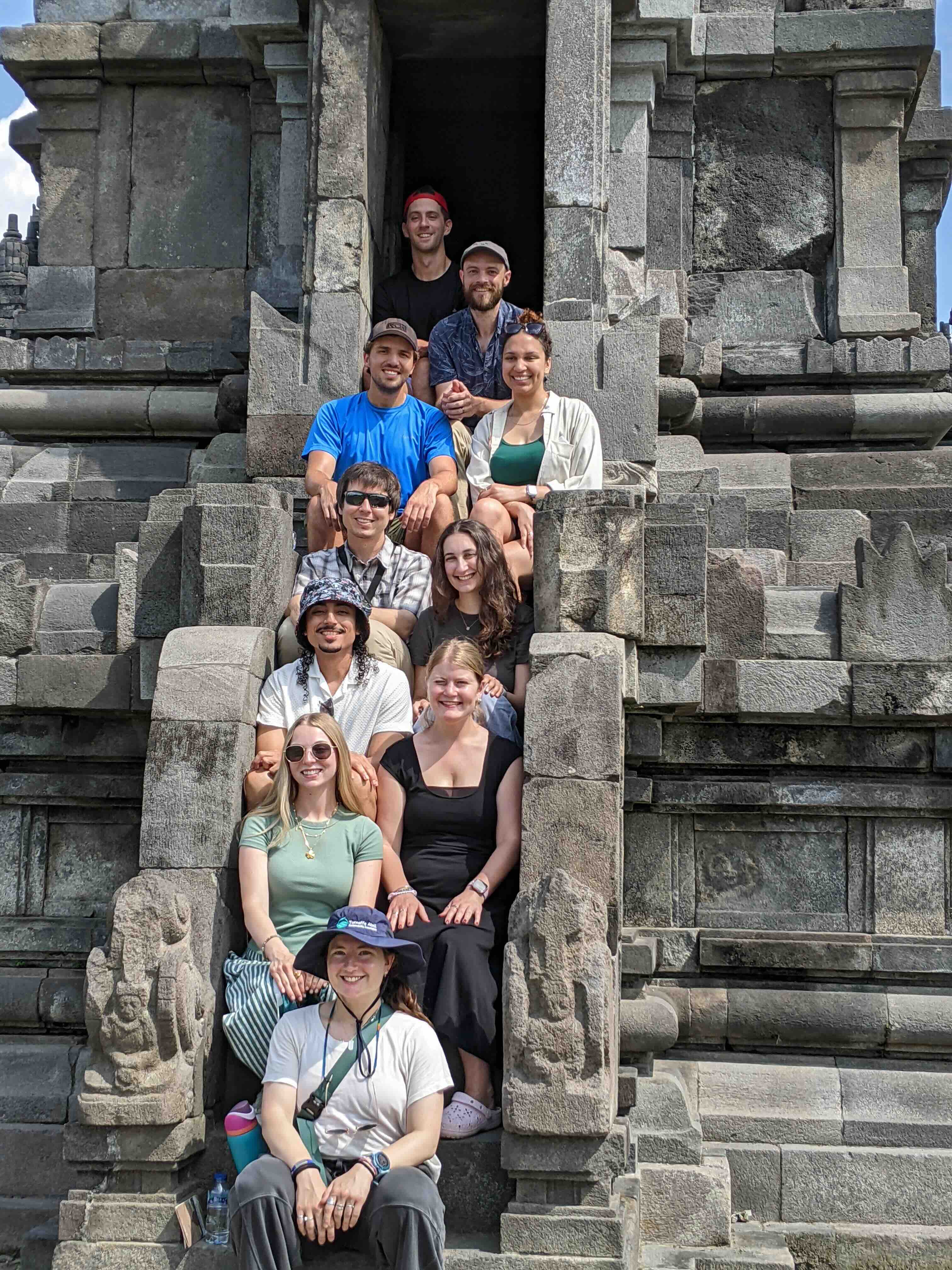
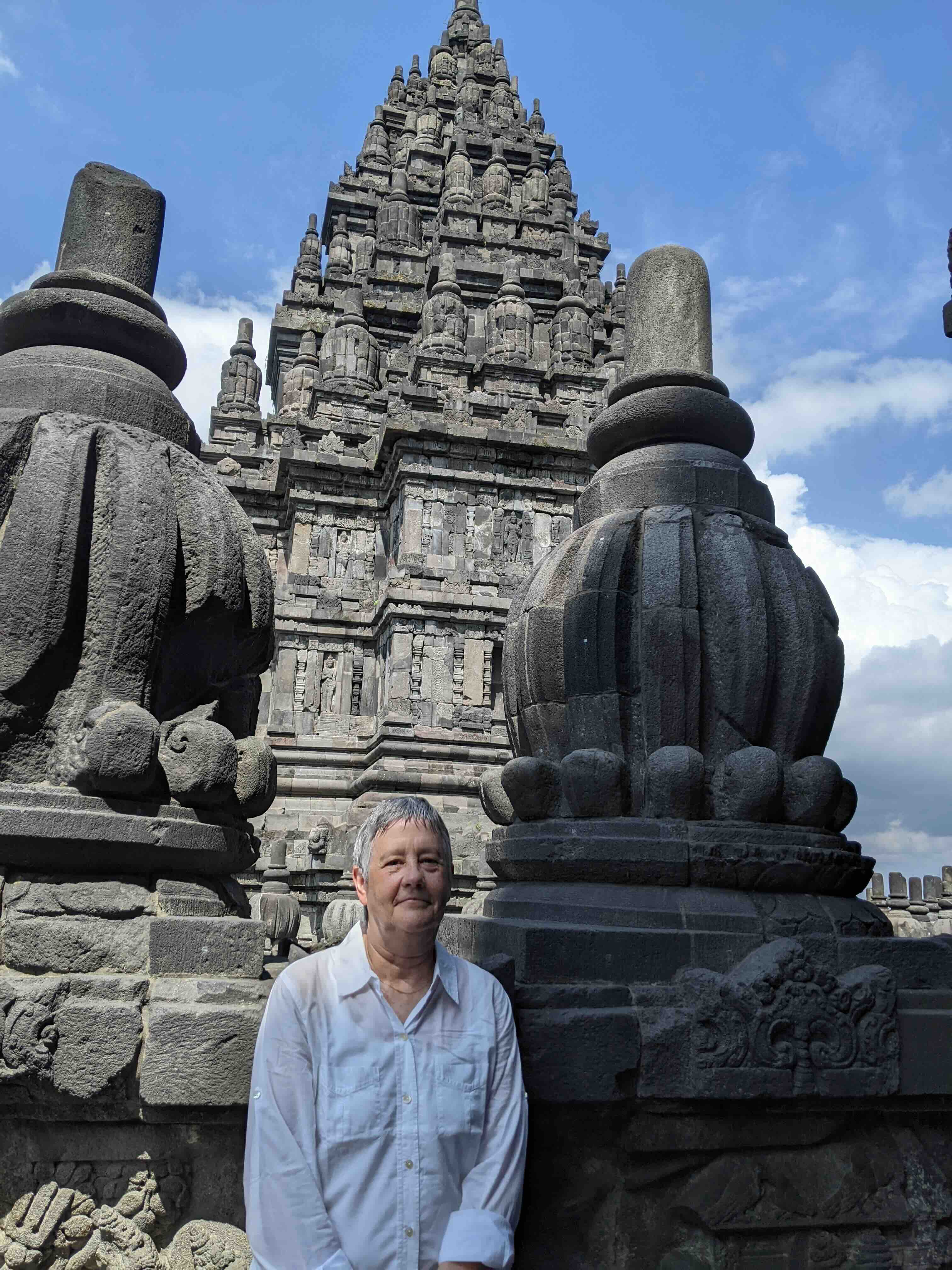
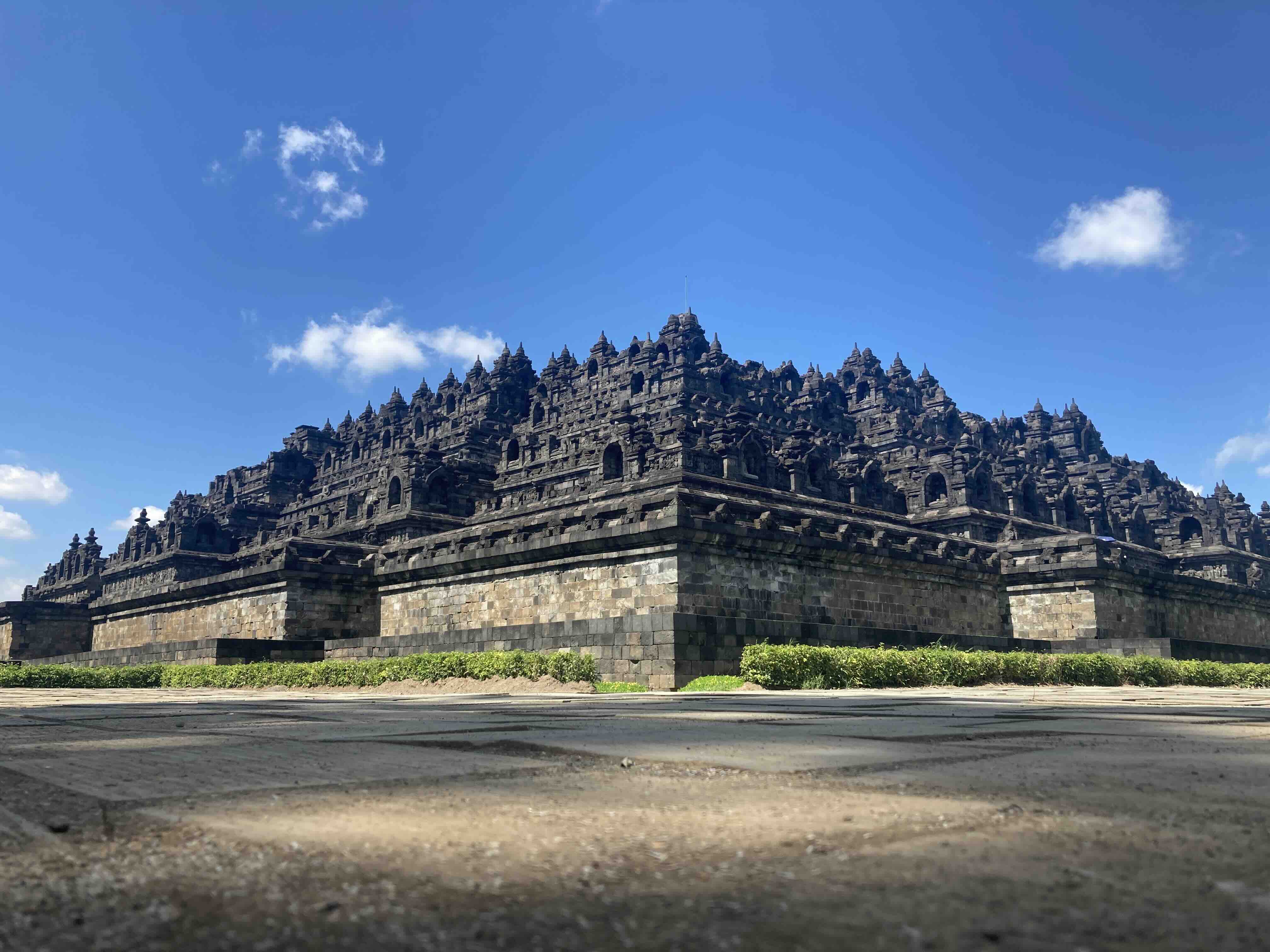
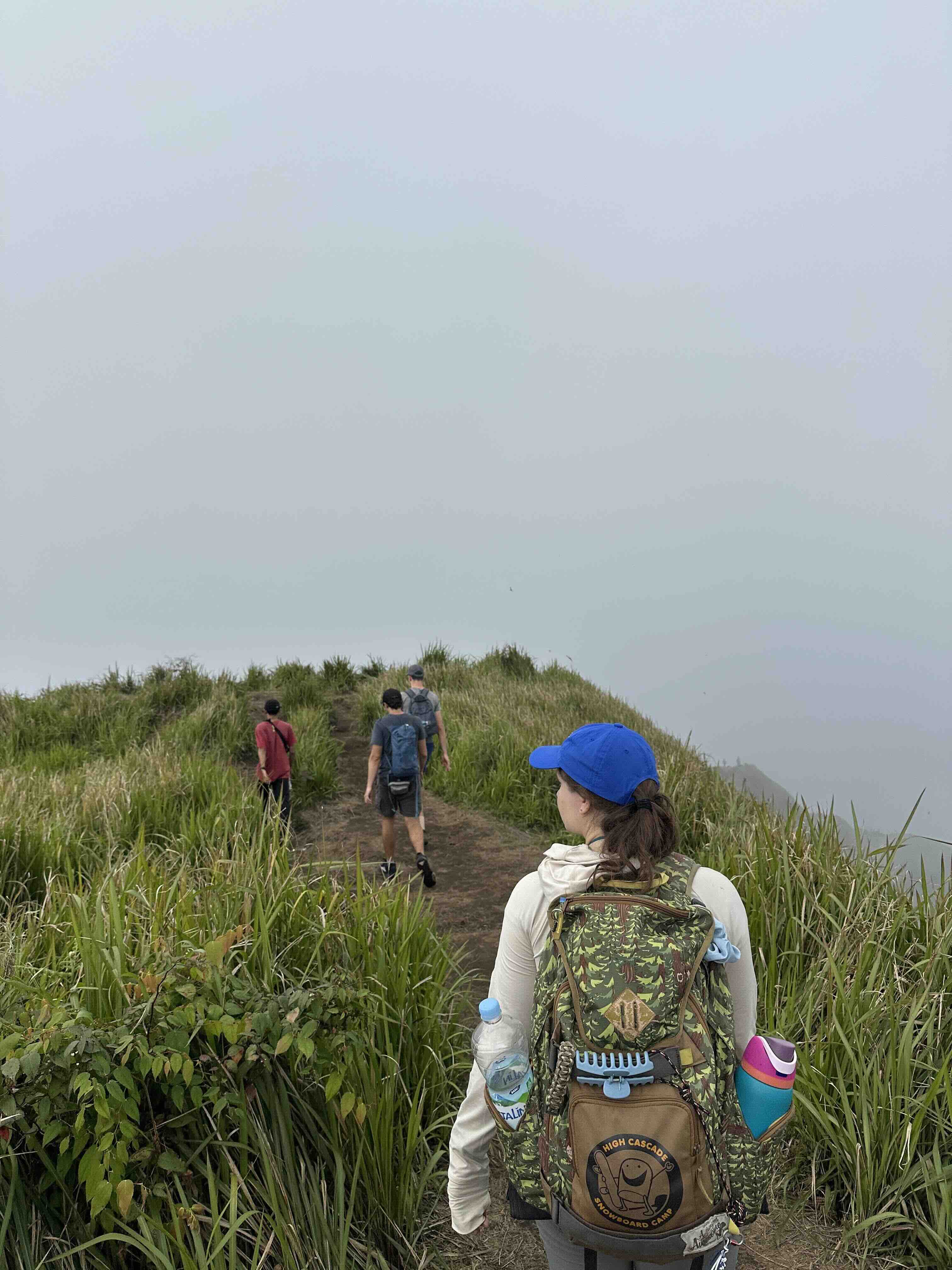
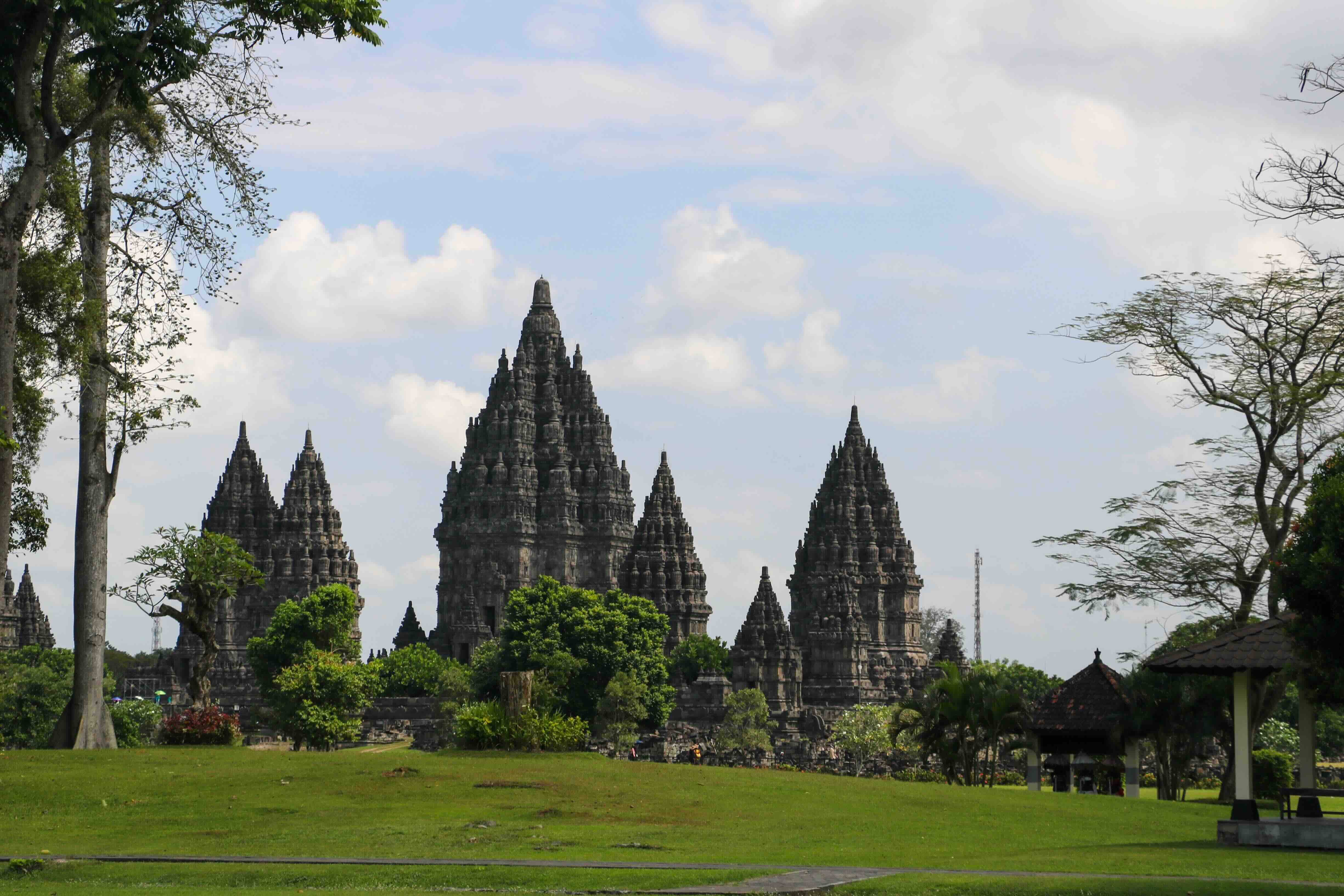
“Spending time with the local professors and students, particularly hiking a volcano with several of the students. Visiting areas of northern Java, near Demak, where land subsidence rates are one foot per year. Visiting Borobudur Temple and Prambanan Temple. Eating street food and wandering around cities. And more than anything else, just spending time with the rest of the cohort.” – Matthew Weathers
Question: Did the ASI program influence your career trajectory/area of study?
Answers:
“Yes, my participation in the ASI program influenced my career trajectory and future research. It encouraged me to pursue new opportunities in remote sensing and international collaboration, including a workshop in planetary photogrammetry and related advanced remote sensing techniques. I also earned a research award with SZ4D to study subduction-zone–related natural hazards using remote sensing data to examine morphological changes in the Maipo River in central Chile. The program further motivated me to develop postdoctoral research proposals focused on fluvial and coastal natural hazards.” – Luke Gezovich
“Building on the program’s experience, I am currently applying for an international research internship focused on disaster resilience and flood risk in South Korea through the IRES program at Texas A&M University at Galveston and the University of Puerto Rico at Mayagüez. This opportunity feels like a direct continuation of what ASI inspired in me, by using geoscience, data, and field-based approaches to understand hazards and contribute to solutions that can reduce risk.” – Eduardo L. Gonzalez-Lugo
Question: Did you create any long lasting connections from your trip?
Answers:
“Yes! I follow many of the Indonesian students on Instagram where we chat sometimes and I talk to like half of my cohort at least every couple of months.” – Shalom Entner
“Yes, several of my cohort members tuned in for my PhD defense” – Thomas Thelen











International Partnerships
 |
 |
 |
 |
 |
 |