Research Team

Dr. Martha Werler, DSc, MPH is the Co-PI of the CHSTRONG-KIDS study and a Professor of Epidemiology at Boston University School of Public Health. She is a perinatal epidemiologist who has been conducting studies of congenital anomalies for over 35 years. Her NIH- and CDC-supported research focuses on the impact of pregnancy exposures on birth outcomes, including congenital malformations, fetal growth, and neurodevelopment. She has studied medication use in pregnancy, including analgesic, anti-inflammatory, anti-emetic, anti-depressant, and anti-epileptic drugs. Her recent work explores prescription opioid use and treatments for opioid use disorder among pregnant women. She has published over 200 papers and book chapters, served as President of the Society for Epidemiology Research (2018-2021), been recognized for her mentorship of doctoral students by the Society for Pediatric and Perinatal Epidemiologic Research, been honored for her research on congenital anomalies by the Teratology Society Fraser Award and the National Birth Defect Prevention Network Oakley Award; and served on numerous NIH advisory and review boards. Dr. Werler is an Assistant Editor for the Pediatric and Perinatal Epidemiology journal. Dr. Werler directed the BU Reproductive, Perinatal, and Pediatric Epidemiology training program for pre-doctoral candidates in Epidemiology and served as the Director of the Boston University PhD program in Epidemiology. In addition to her research, Dr. Werler teaches epidemiology methods to both masters and doctoral students. She received her Master’s of Public Health from The University of Michigan and her Doctor of Science degree from Boston University.

Eric Rubenstein, PhD, ScM is the Co-PI of the CHSTRONG-KIDS study and is an Assistant Professor of Epidemiology at the Boston University School of Public Health. He received his PhD from the University of North Carolina Gillings Schools of Public Health and his ScM from the Johns Hopkins Bloomberg School of Public Health. His work is focused on improving the lives of disabled people. He uses big data methods and community-based participatory research models to bridge the gap from statistics to lived experiences.
Dr. Rubenstein’s work covers issues that impact health and well-being across the life course of people with disabilities. He is currently the PI of a National Institute for Child Health and Human Development study of pregnancy in women with intellectual and developmental disability and the PI of a National Institute for Aging study on health outcomes for adults with Down syndrome. He has previously worked with the CDC on public health research focused on autism spectrum disorder.

Mahsa Yazdy, PhD, MPH is a Co-Investigator of the CHSTRONG-KIDS study and is an Adjunct Associate Professor of Epidemiology at the Boston University School of Public Health. She is also the Director of the Division for Surveillance, Research, and Promotion of Perinatal Health at the Massachusetts Department of Public Health. Dr. Yazdy has over 18 years of experience in perinatal epidemiology, with a focus on congenital anomalies. She has served as Executive Committee member, President, Board Vice-Chair, and Chair of the Operations Committee of the National Birth Defects Prevention Network; she also serves on Committees and Workgroups of the Society for Birth Defects Research and Preventions and the Society of Epidemiologic Research. Dr. Yazdy received her MPH in Epidemiology from the Rollins School of Public Health at Emory University and received a PhD in Epidemiology from the Boston University School of Public Health.
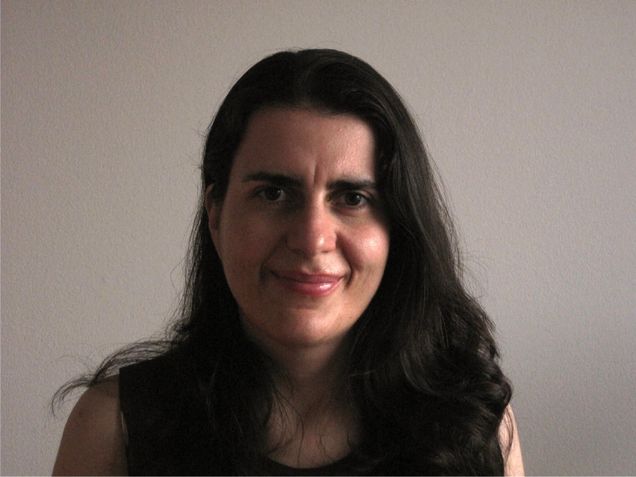
Eirini Nestoridi, MD is a Co-Investigator of the CHSTRONG-KIDS study and is the Associate Director of the Division for Surveillance, Research, and Promotion of Perinatal Health at the Massachusetts Department of Public Health. She also serves as the CO-PI of two CDC-funded studies. Dr. Nestoridi is the co-chair of the Surveillance Data Committee of the National Birth Defects Prevention Network, the co-chair of the Council of State and Territorial Epidemiologists Neonatal Abstinence Syndrome Surveillance Workgroup, and a member of the Board of Directors of the New England Regional Genetics Group. She received an MD degree summa cum laude from Athens Medical School, National and Kapodistriaan University of Athen, in Greece. Her clinical research work focuses on pediatric diseases.
The Division for Surveillance, Research, and Promotion of Perinatal Health at the Massachusetts Department of Public Health houses the Massachusetts Birth Defects Monitoring Program (MBDMP) and the Massachusetts Center for Birth Defects Research and Prevention. The MBDMP supports birth defects monitoring and research and sharing information aimed at preventing birth defects. MBDMP collects information on all newly diagnosed cases of birth defects among Massachusetts residents to detect the prevalence of birth defects, track trends, investigate potential causes, plan appropriate interventions, and ensure services and appropriate care for children with special health needs.