Pedal to the Metal
Now, entering the 2025–2026 academic year, Terrier Motorsport is doubling down on both growth and execution. TM-01 is being finalized to run at full capacity while design work has already begun on TM-02, aimed at improving performance, efficiency, and reliability. New members are actively contributing through hands-on projects, and the team continues to expand its sponsorship base and public presence through outreach, workshops, and a redesigned website. With nearly a decade of history behind it, Terrier Motorsport is stronger than ever — prepared to take its first fully electric, Formula-style race car onto the track.

Turning Point
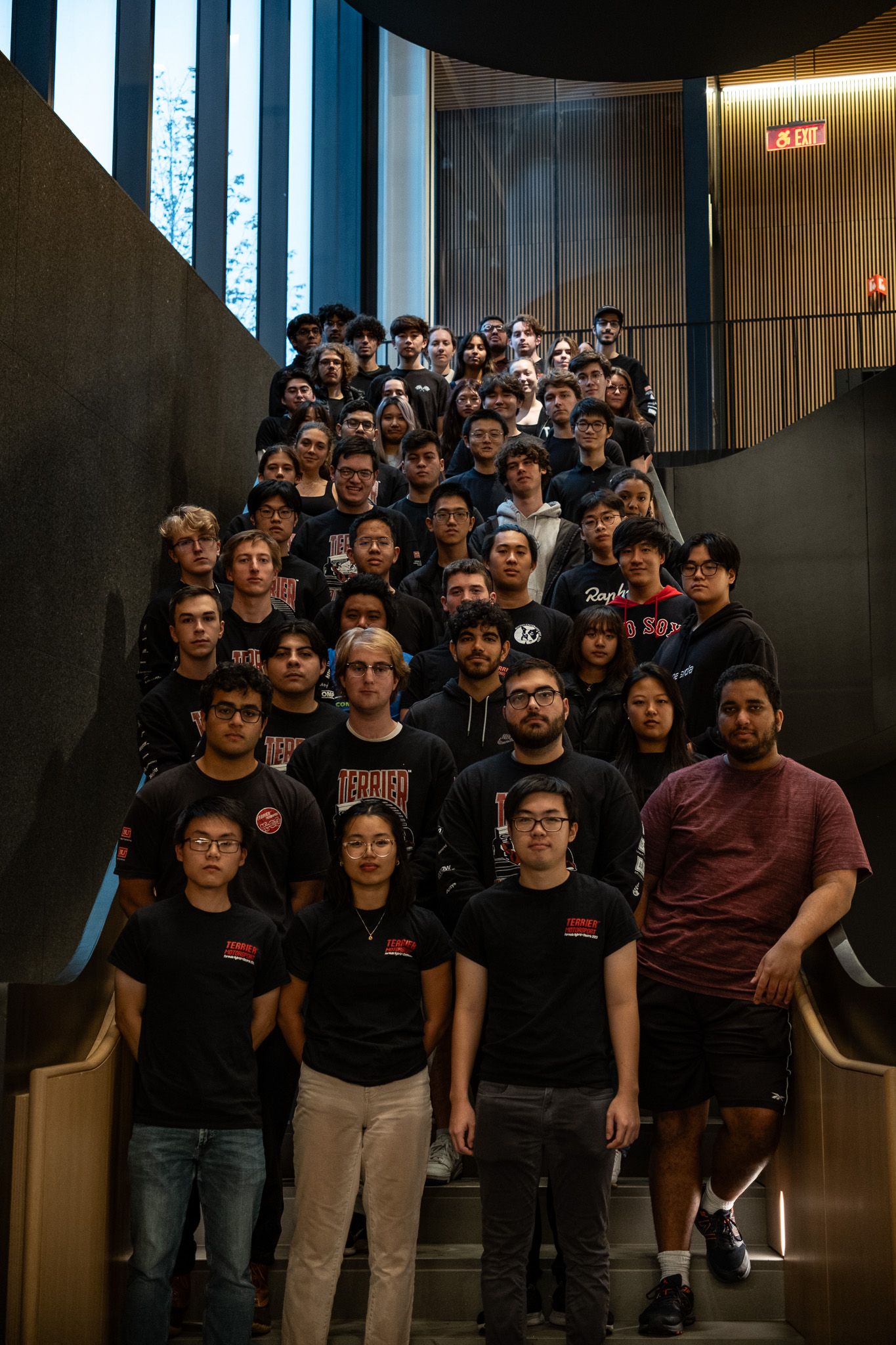
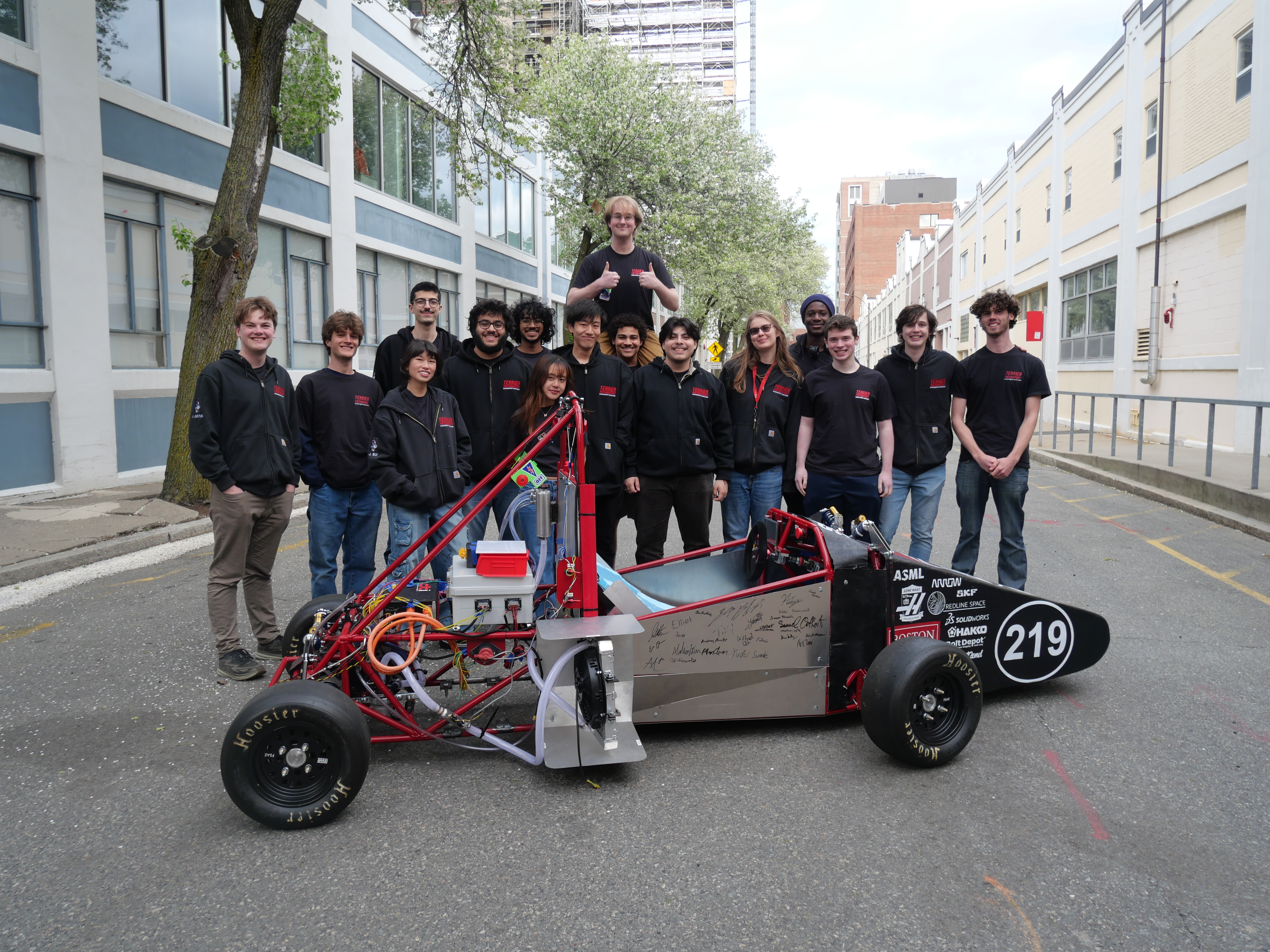
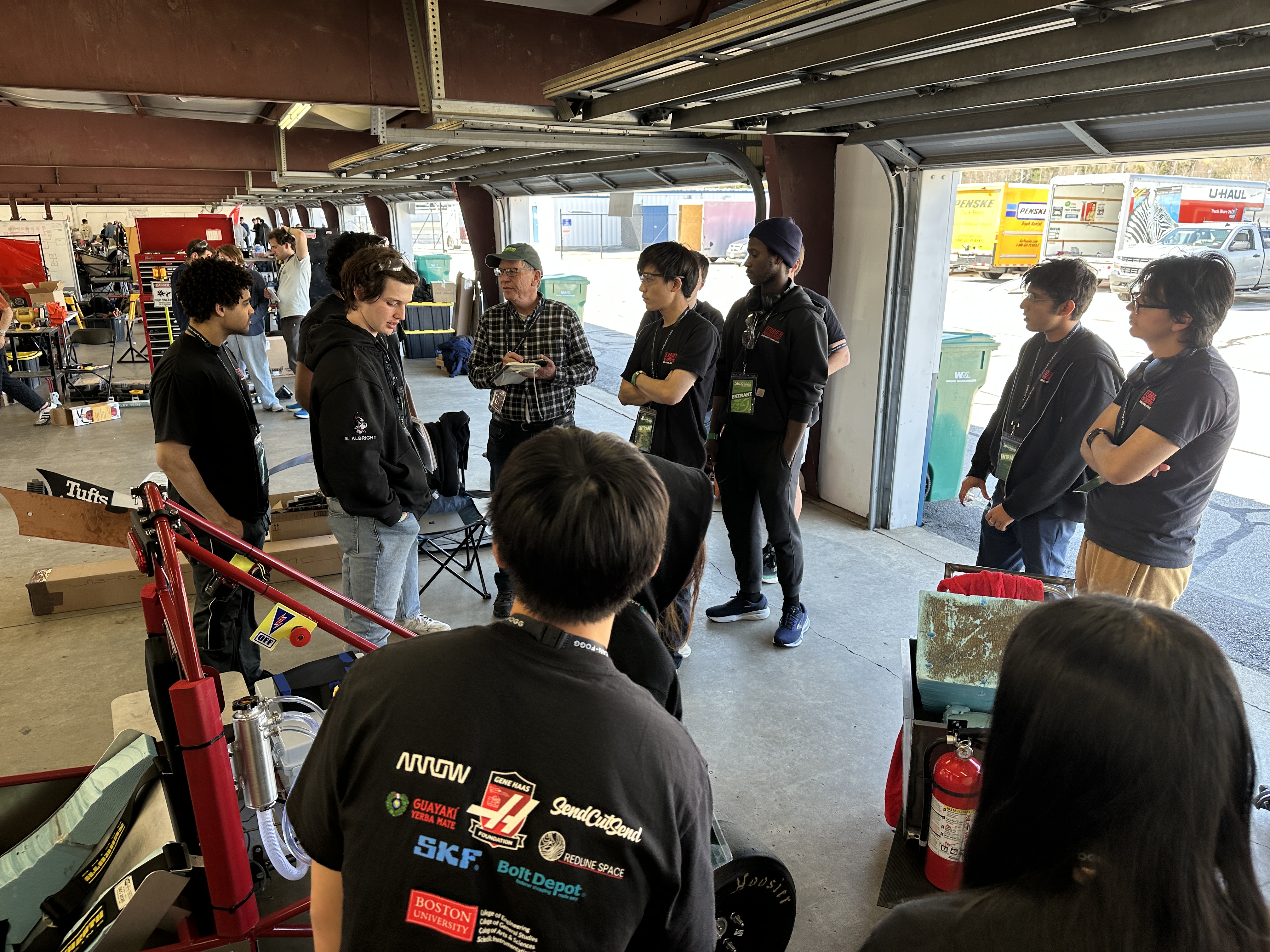
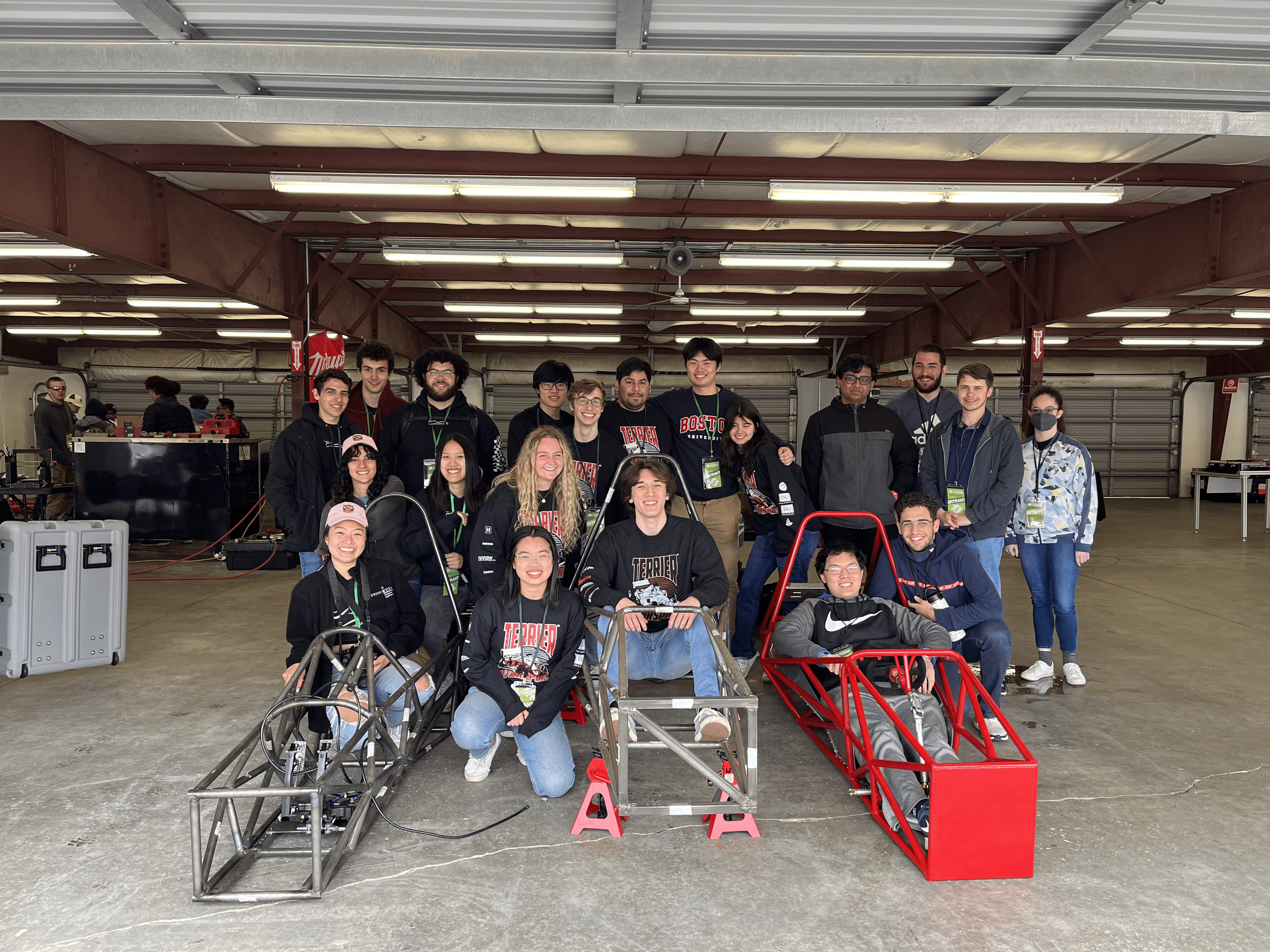
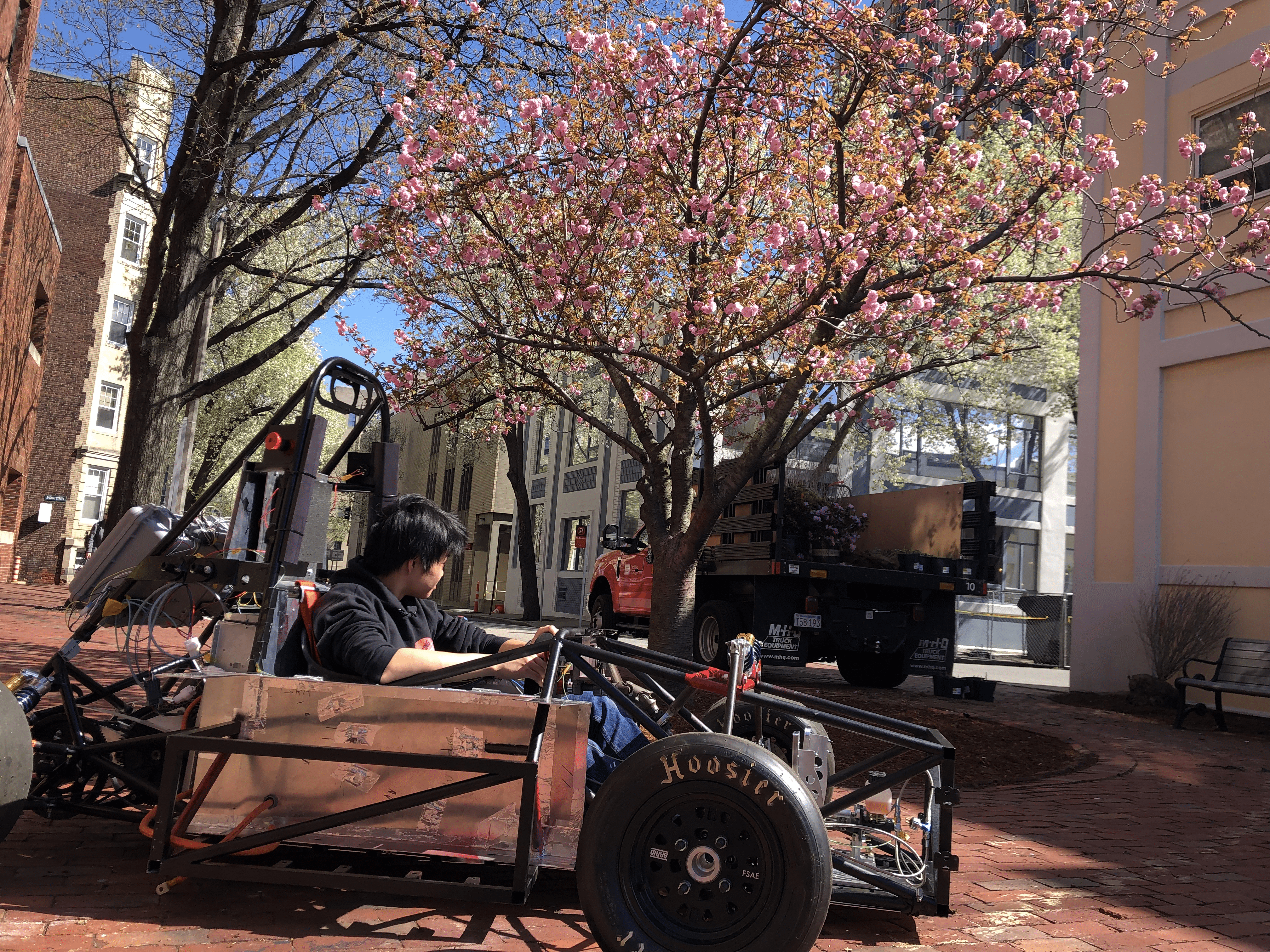
The 2024 season marked a turning point. Membership surged by more than 130%, and the team took on a full-scale build of TM-01. By spring, chassis manufacturing, suspension welding, and aerodynamics fabrication were complete, while the electrical team finalized circuit boards, validated charging and discharging systems, and assembled the accumulator. Although time constraints prevented the battery pack from being fully completed before competition, Terrier Motorsport successfully passed initial inspections, delivered design presentations, and competed in static events at the 2025 Formula Hybrid + Electric competition. The experience provided invaluable technical feedback and positioned the team to return stronger in the next season.
Club Rebrand
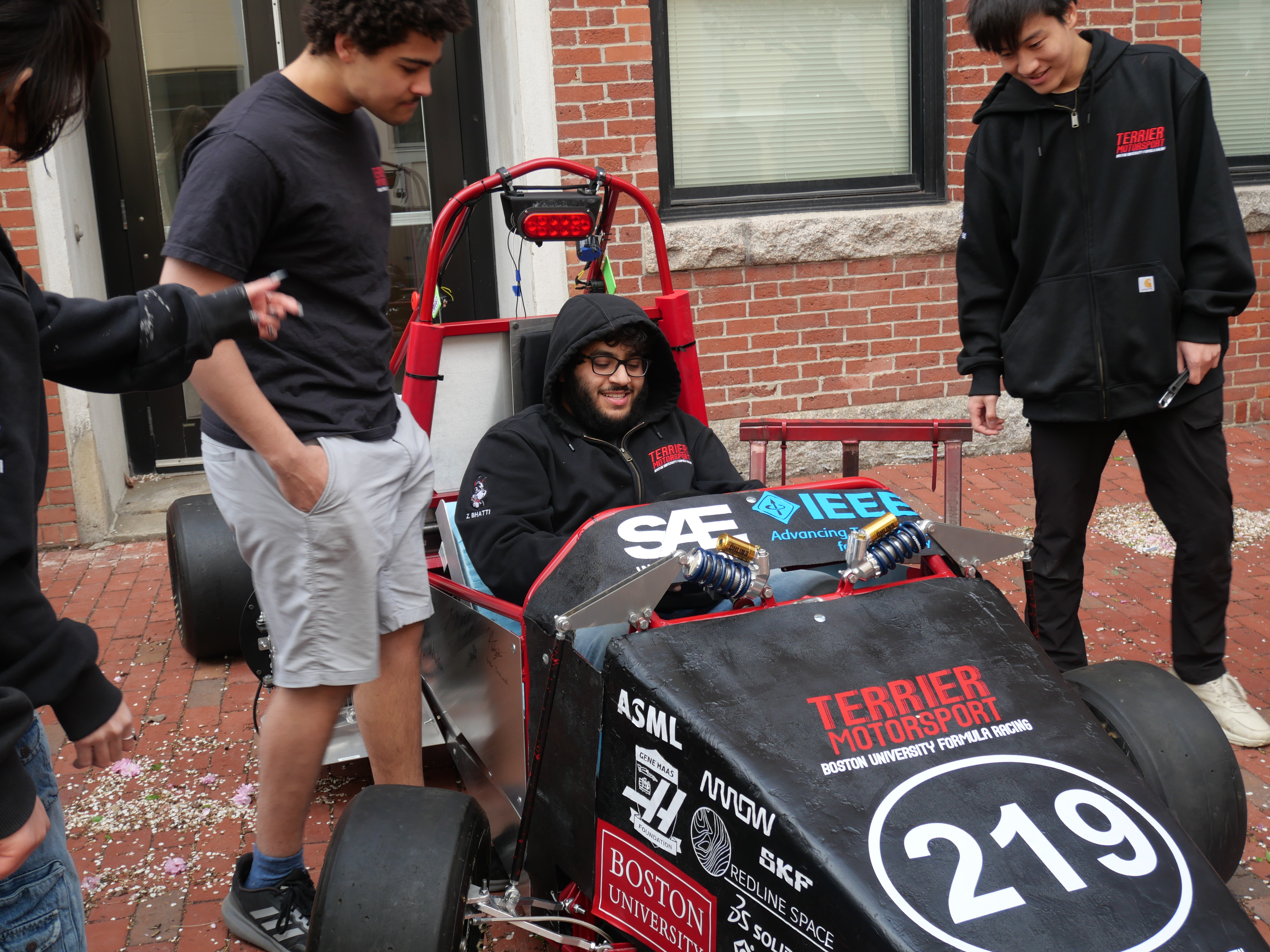
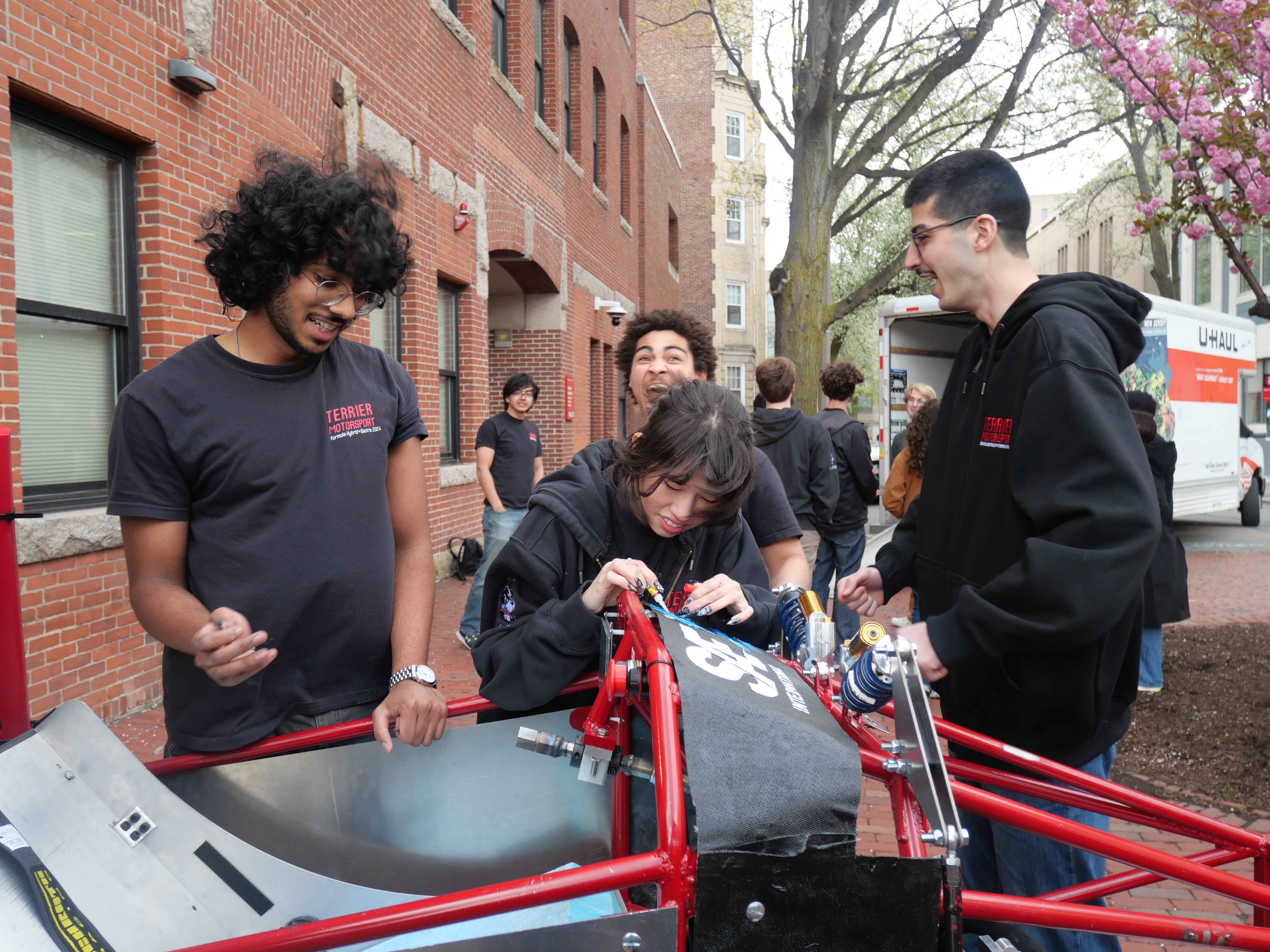
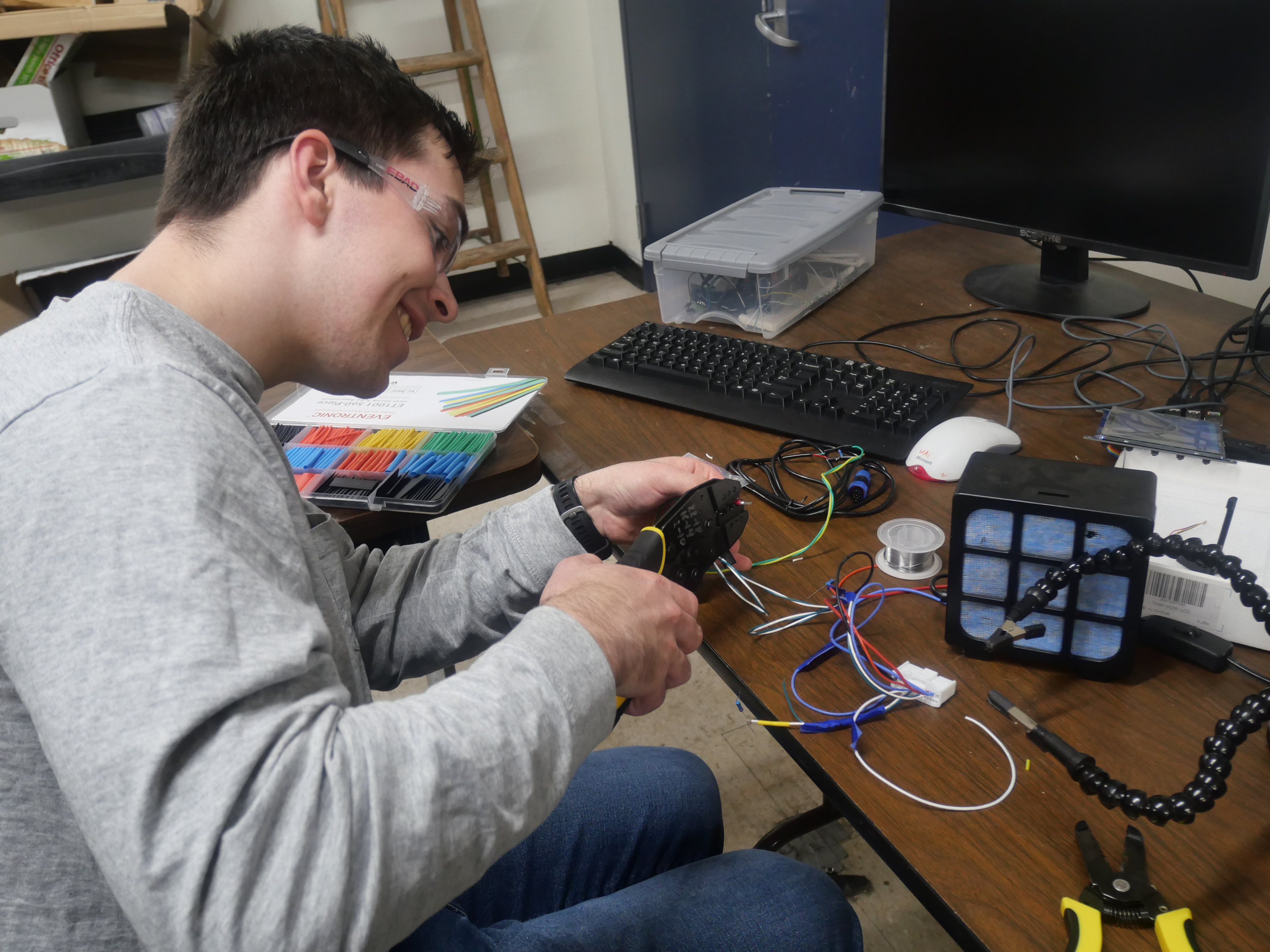
In 2020, the club rebranded from “BU Racing” to “Terrier Motorsport” and restructured its leadership roles to support its growing membership. That same year, work began on Scarlett, the team’s second car, which was completed during the pandemic and competed in static events at the 2022 competition. Lessons learned from Scarlett informed new design approaches that shaped the development of TM-01, the team’s most ambitious project to date.
The Start
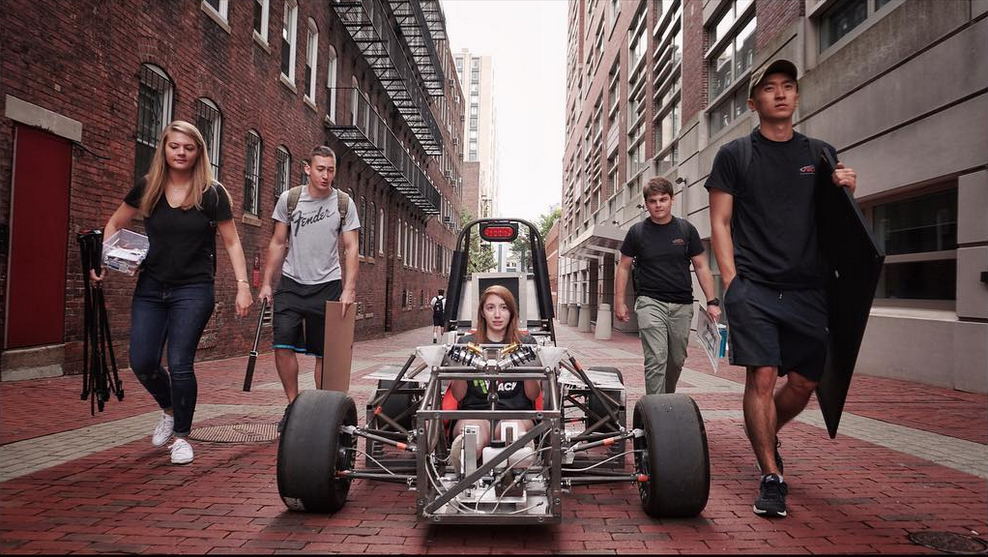
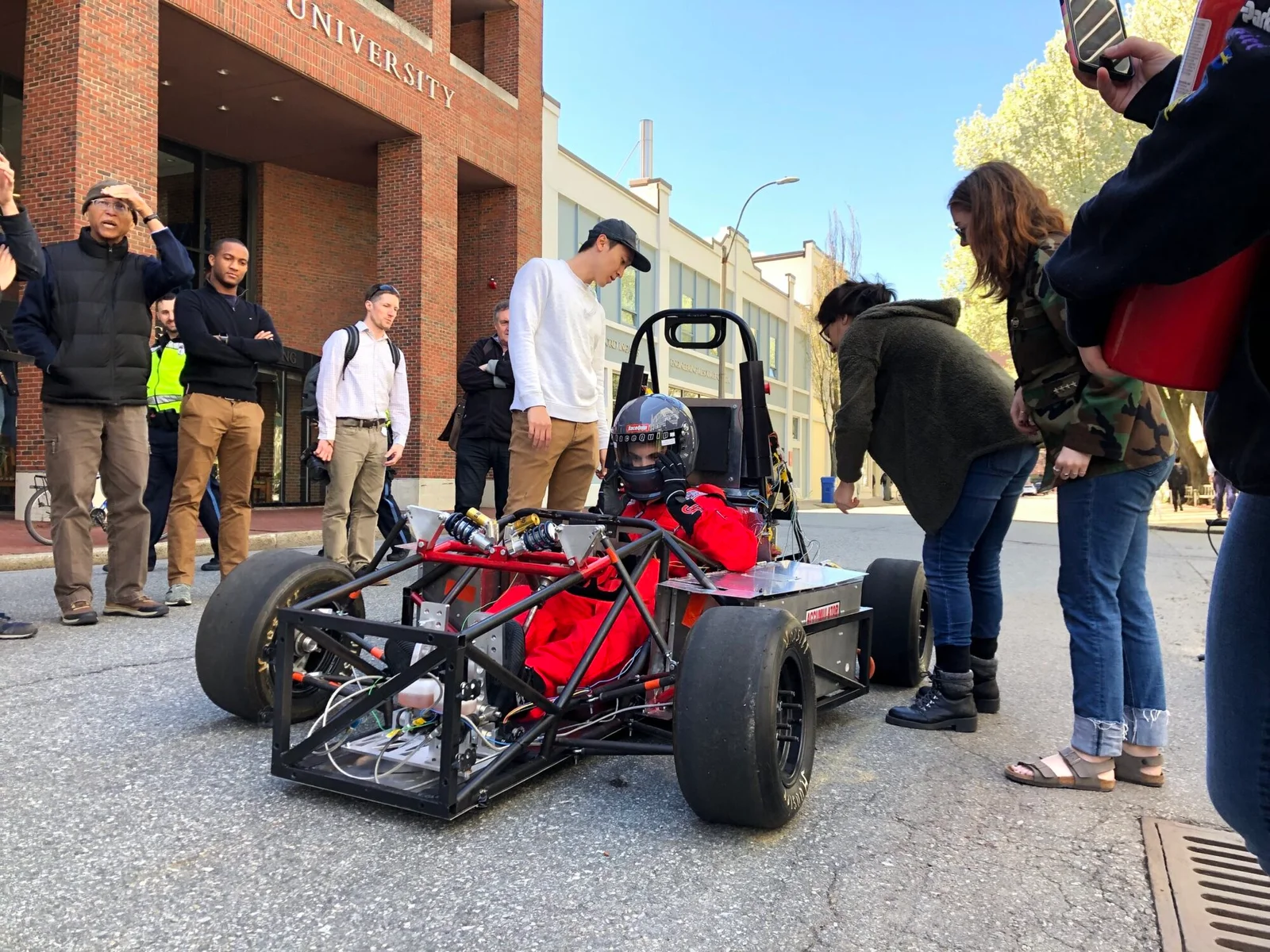
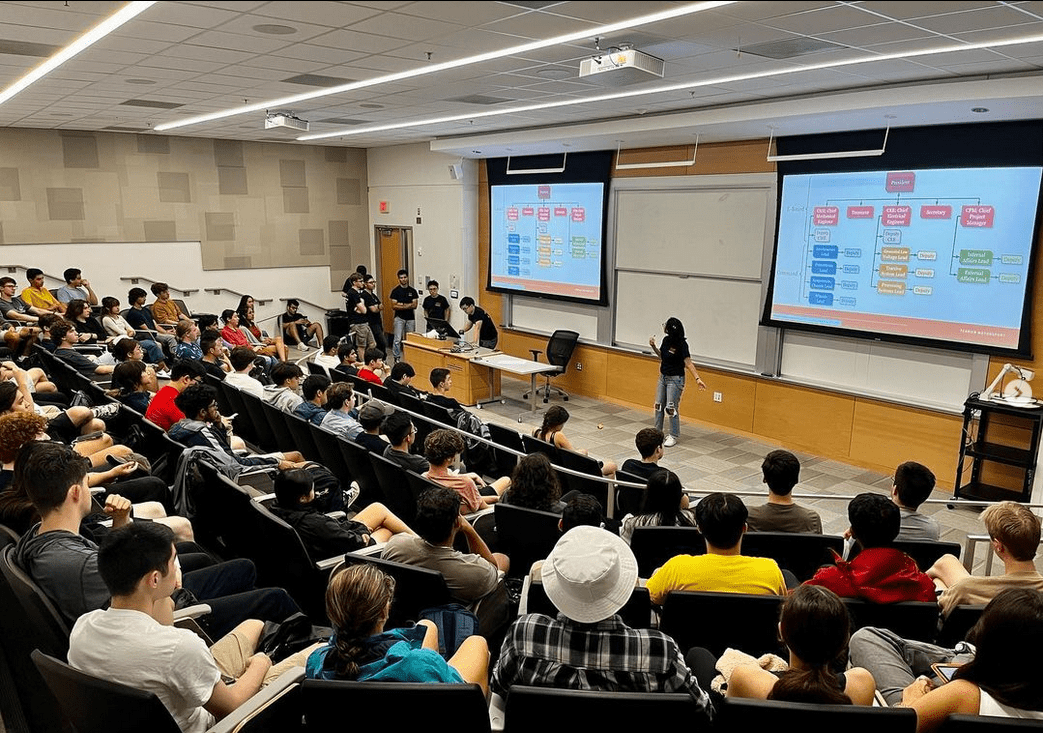
Terrier Motorsport was founded in 2015 by six engineering students seeking a hands-on way to apply classroom concepts to real-world challenges. Inspired by the rise of electric vehicles from Chevy, Nissan, Tesla, and Fisker, they set out to design a Formula SAE car powered by a custom lithium-ion battery system. In 2016 and 2017, the team competed with Static-Events Only (SEO) cars at the Formula Hybrid + Electric competition, laying the foundation for future progress. Over the next decade, the team grew nearly twentyfold and expanded beyond the College of Engineering to include students from Arts & Sciences, Questrom School of Business, and other schools across Boston University. With regular guidance from BU’s Mechanical Engineering and Electrical & Computer Engineering faculty, the team developed into a diverse, student-led organization that manages every stage of building a Formula-style electric race car.